General Information
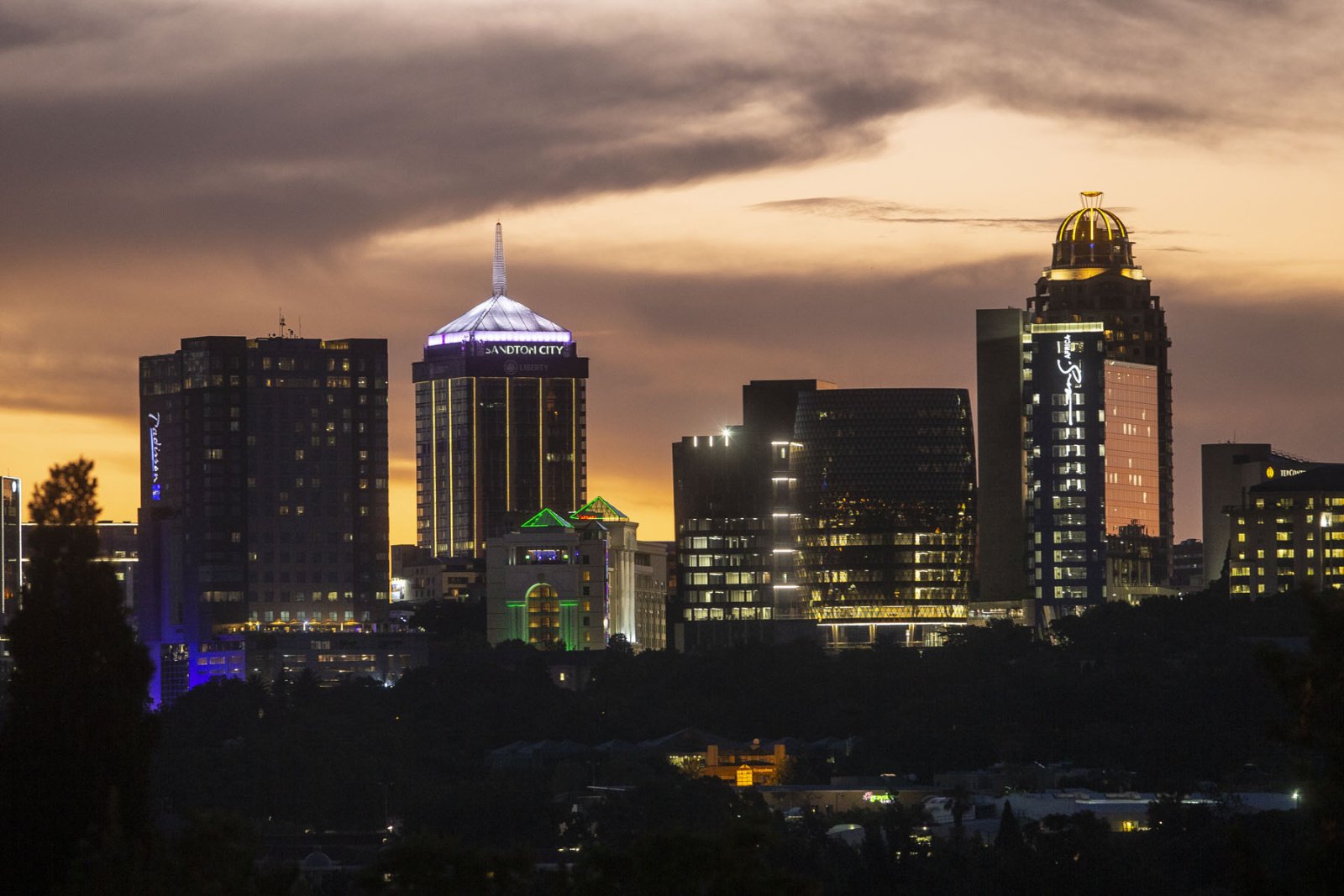
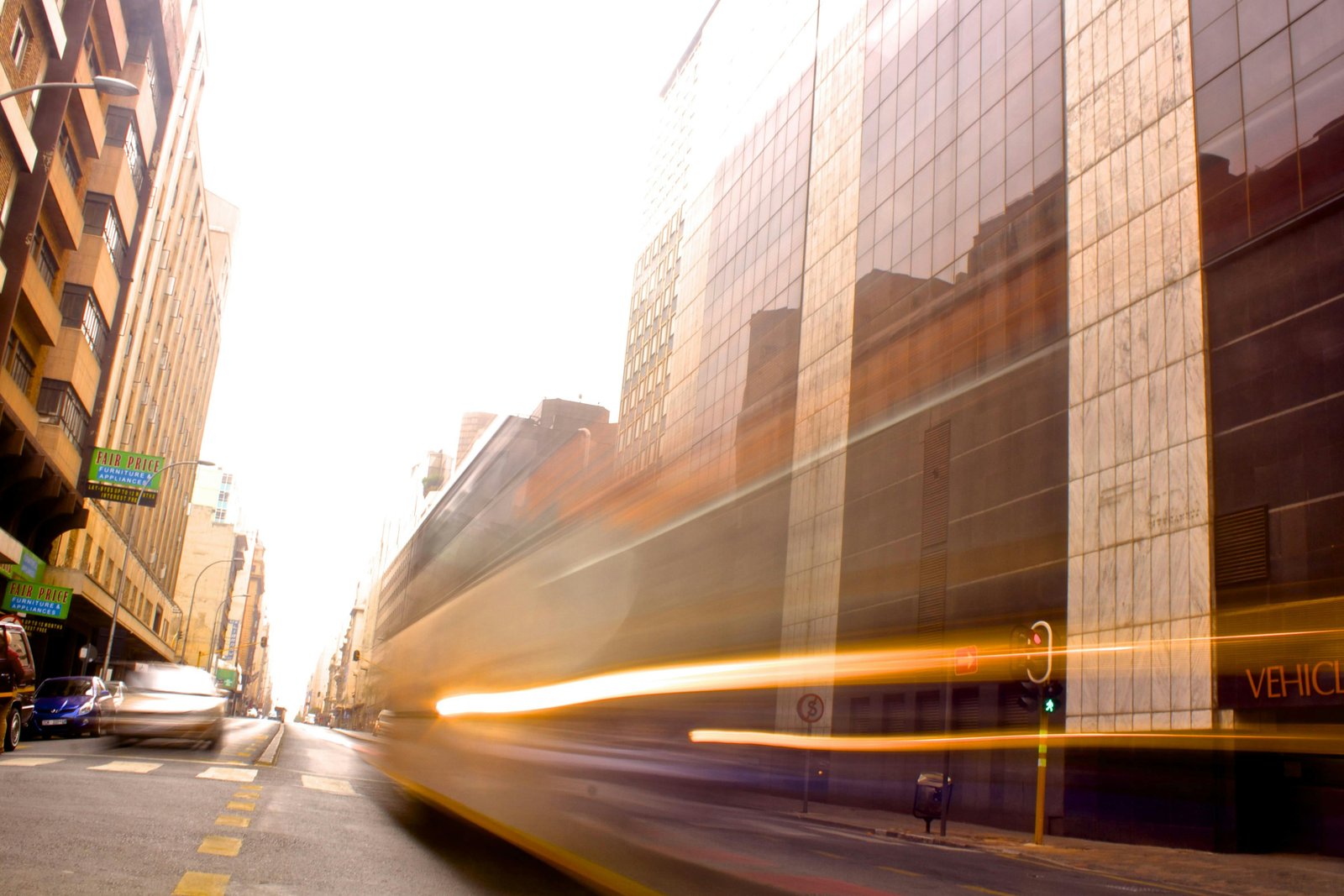
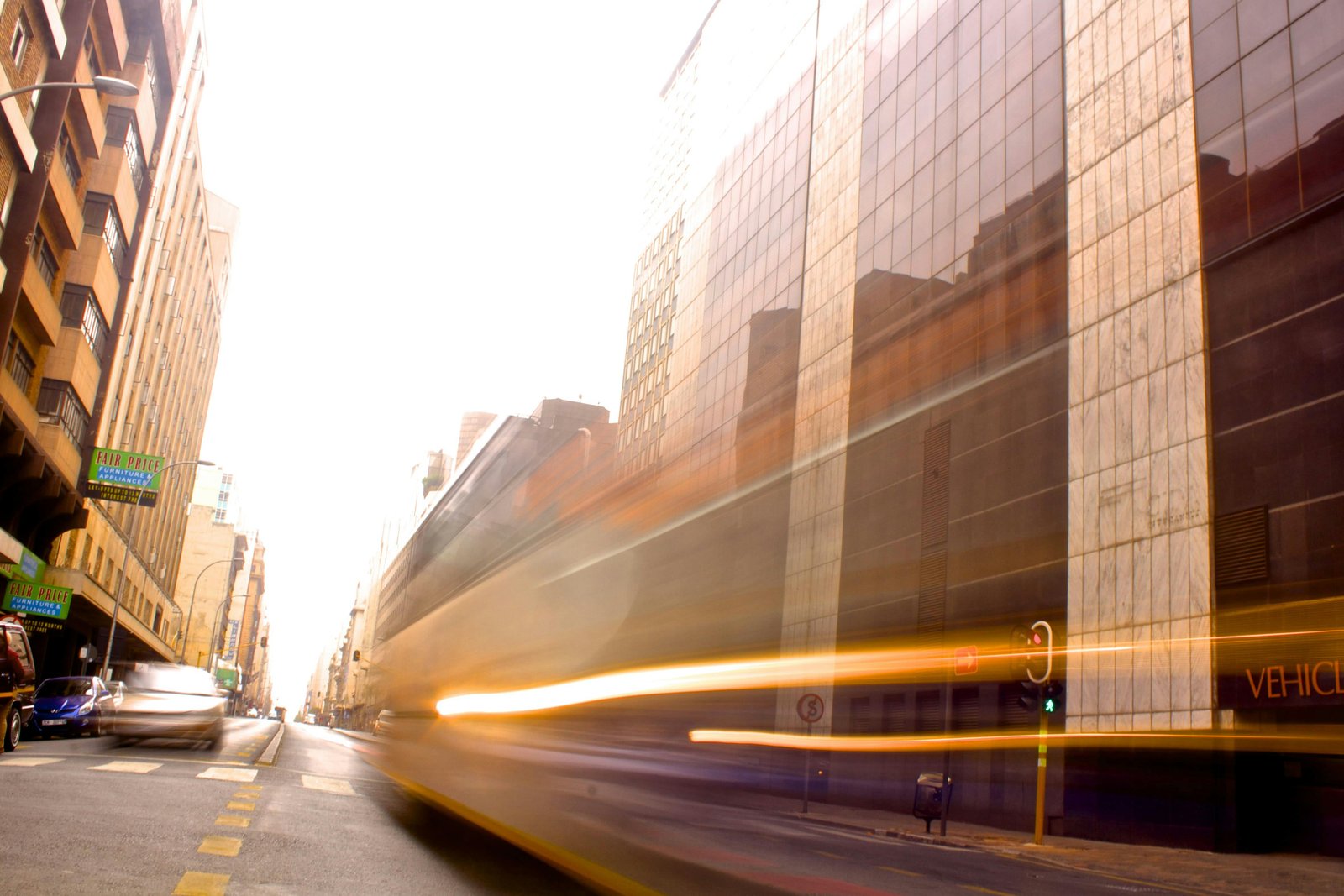
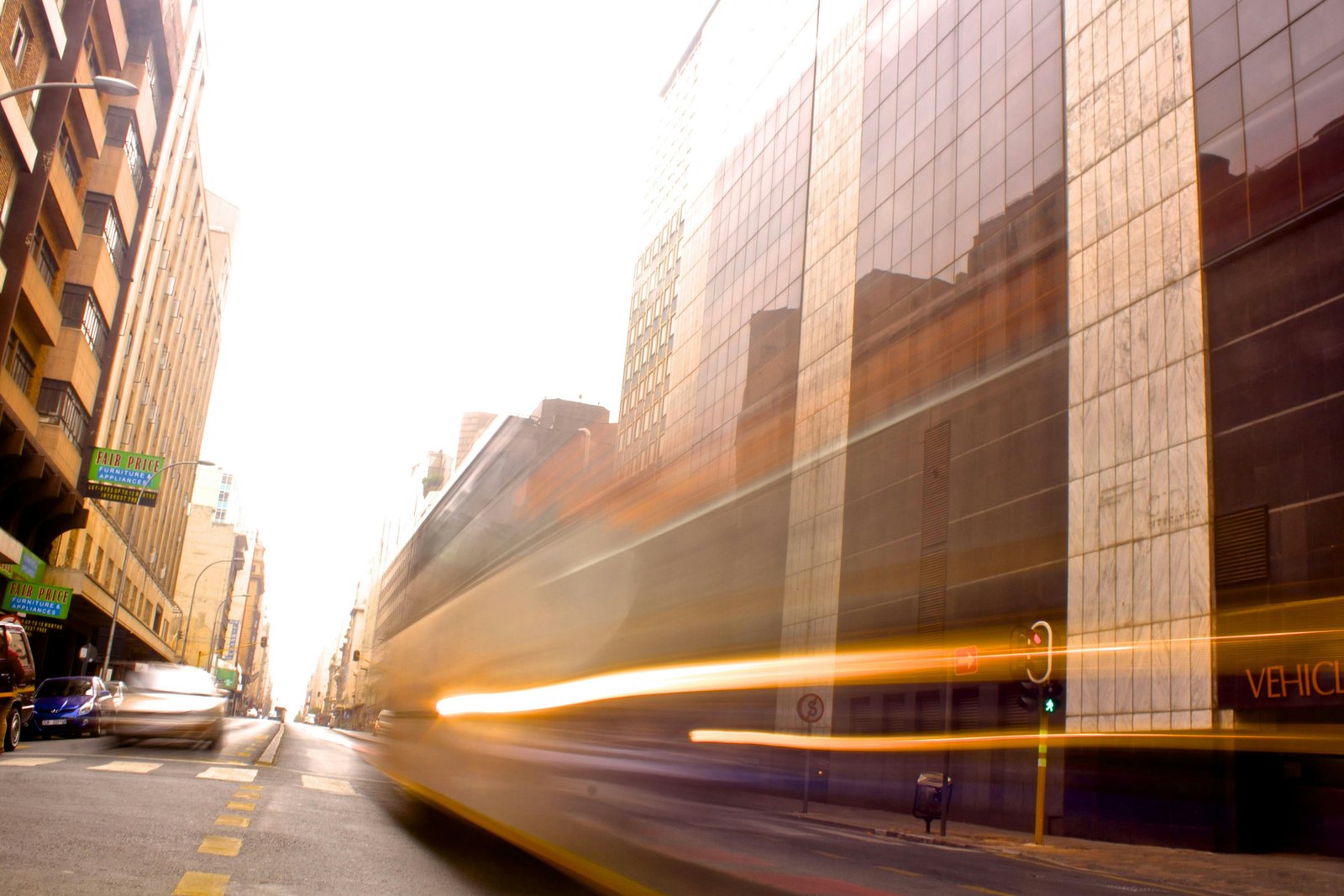
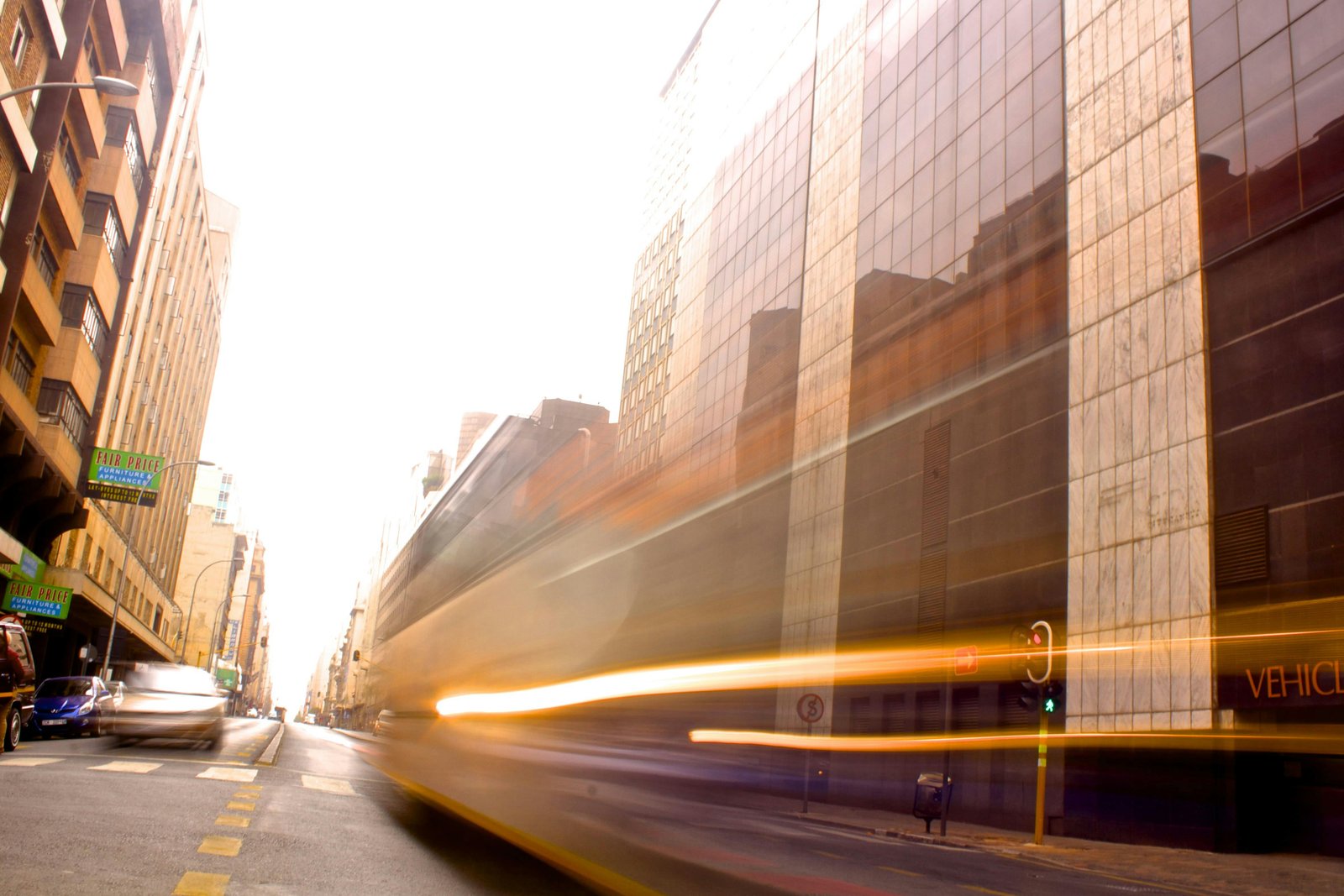
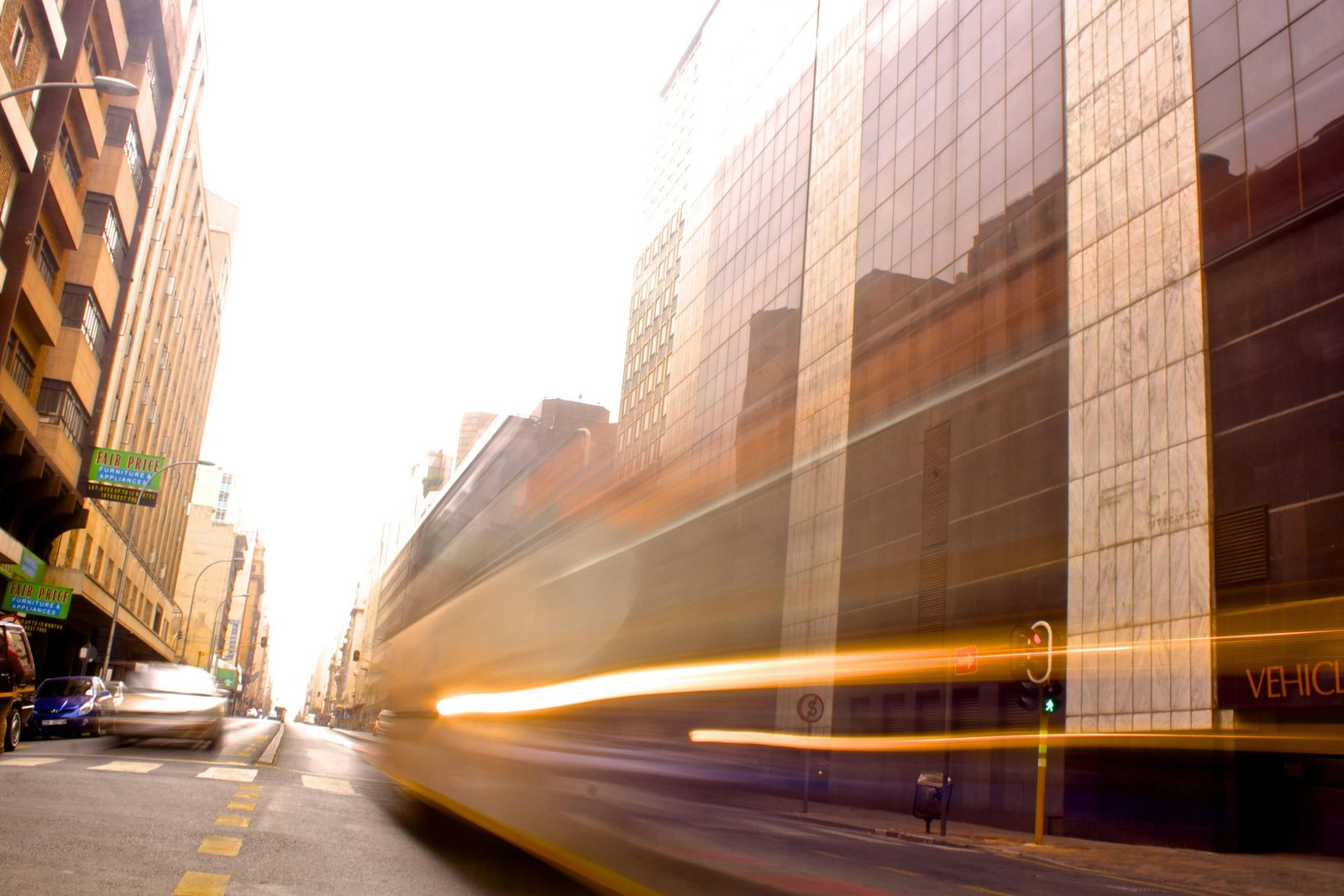
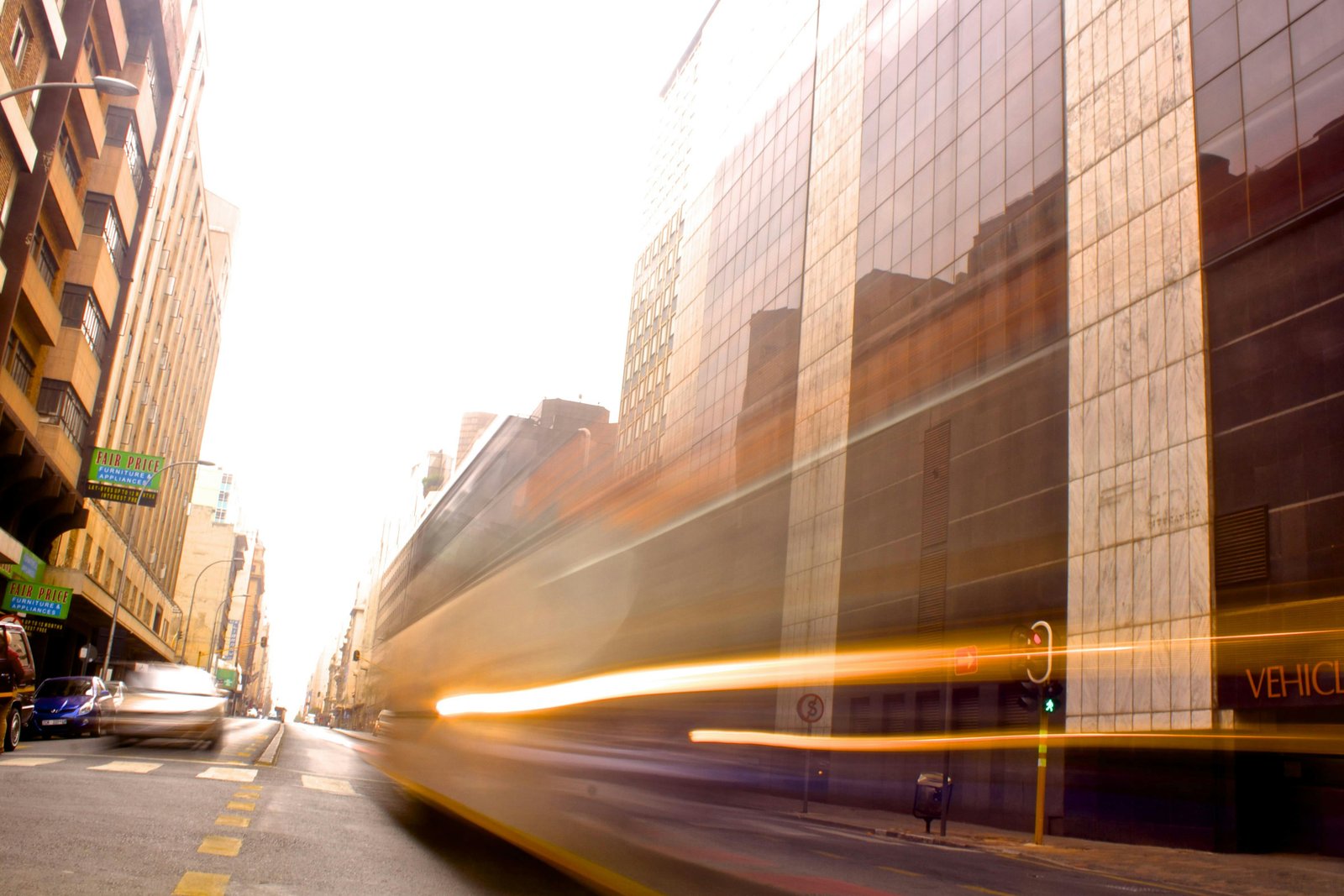
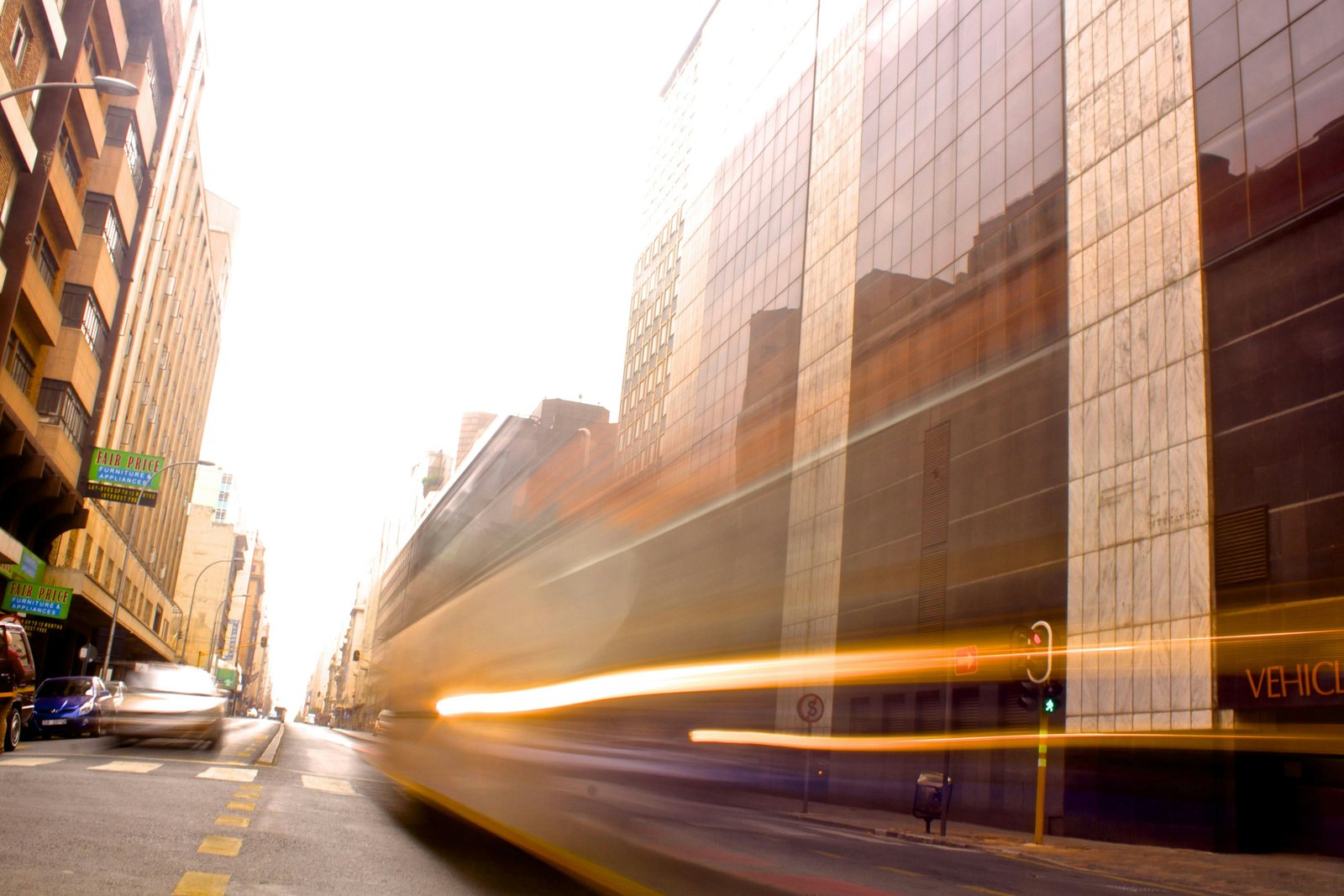
Johannesburg is the most populous city in South Africa. The City of Johannesburg itself has a population of 5,538,596, while the City of Johannesburg Metropolitan Municipality has a population of 6,599,190, making it one of the 100 largest urban areas in the world. Johannesburg is the provincial capital of Gauteng, the wealthiest province in South Africa, and seat of the country's highest court, the Constitutional Court. Situated on the mineral-rich Witwatersrand hills, the city has long been at the epicentre of the international mineral and gold trade. The richest city in Africa by GDP and private wealth, Johannesburg functions as the economic capital of South Africa and is home to the continent's largest stock exchange, the Johannesburg Stock Exchange.
- Population: 5,900,000+ (Metro Area)
- Area: 1,645 km²
- Currency: South African Rand (ZAR)
- Coordinates: Latitude: -26.204444885254, Longitude: 28.045555114746
- Timezone: Timezone info not available
- Current Local Time: ailab
Johannesburg Latest News
IOL
eThekwini residents call for urgent action as informal settlements grow in number
The eThekwini Ratepayers and Residents Association (ERRA) Chairperson, Ish Prahladh said if the municipality had been proactive 20 years ago, residents would not be dealing with the issue of 600 informal settlements on their doorsteps.
IOL
Magistrates push for equal privileges with judges, requesting luxury cars like Mercedes-Benz and BMWs
High-end vehicle models, such as Mercedes-Benz S350 and BMW 740iA, are examples of some of the state-sponsored resources that practising judges are entitled to, but not magistrates.
The Citizen
Disputed decision set to reignite calls for VAR in South Africa
Calls for South Africa to introduce VAR are set to intensify after an incident during a first-round Premiership match on Sunday, won 2-1 by Polokwane City at Richards Bay. When Bay appealed for a penalty in the second half, accusing Polokwane City of handball, the referee awarded a corner instead. But after consulting an assistant referee, the referee altered the decision to a penalty, then changed his mind again and awarded a corner. TV replays suggested the ball struck the body of substitute defender Malebogo Modise and not his hand. SuperSport TV analyst and former women’s football coach Simphiwe ‘Shorty’ Dludlu said “VAR must come to South Africa now”. Sports minister Gayton McKenzie has repeatedly called for the introduction of VAR to the richest league in Africa with a 20 million rand ($1.2 mn) first prize. Morocco were the first African country to introduce VAR for top-flight domestic matches and Egypt are another leading football nation using the system. Ndamulelo Maphangule gave Polokwane an 18th-minute lead by heading a corner past Kenyan goalkeeper Ian Otieno. Tidimalo Molokwane doubled the lead on 55 minutes, firing a rebound into the net. Bay rallied and halved the deficit after 69 minutes when Simphiwe Mcineka powerfully nodded a corner into the net. In the other match on Sunday, TS Galaxy came from behind twice to draw 2-2 away to Siwelele in Bloemfontein.
The Citizen
Alonso welcomes Mudryk’s Chelsea return after doping ban
Mykhailo Mudryk will be welcomed with open arms when he rejoins Chelsea this week in Hong Kong, manager Xabi Alonso said, but the Ukrainian will not be rushed back after winning his appeal against a doping ban. The Ukraine international winger was suspended for four years after failing a 2024 drug test that revealed the presence of a low concentration of meldonium, a prohibited substance. He was cleared on Friday to resume his career after the Football Association and the World Anti-Doping Agency “resolved his appeal”. “We are happy, especially for him, because we are not able to understand what he has been through in this time and how he feels at the moment,” Alonso said in Sydney. “We want that he feels part of the team, because he has not had this for a long time, and that he has the support from everyone: from the club, from the teammates, from the staff. “To be honest, we were not expecting to have this great news at this moment, so we are very happy learning that he will be here with us.” Mudryk will join Chelsea for the next leg of their pre-season tour in Hong Kong where they face Juventus on Wednesday, Alonso said, after a 2-1 defeat to London rivals Tottenham in Sydney on Saturday. But the Spaniard cautioned that Mudryk’s reintegration would be a slow process. The 25-year-old, who joined Chelsea from Shakhtar Donetsk for £62 million ($83 million) in 2023, has not played since November 2024. “It will take time,” Alonso said. “But once there’s a change, things will start moving, and for him, it’s a massive change (from) training on his own every day. “I think that had to be really, really hard because he wanted to play football, he wanted to be part of the team, and he was not allowed to do that for such a long time. “So once this meeting has happened, now we can move on and after we will see if he makes progress quicker or slower. But we need to do the work.” Tottenham boss Roberto De Zerbi managed Mudryk at Ukrainian club Shakhtar Donetsk and was also happy to see him back. “He’s my son, he’s a cool guy, a top player, hopefully he can show what he suffered the last two seasons in this coming season, maybe not against Tottenham, but he’s a lovely guy,” said the Italian. Mudryk filed his appeal with the Court of Arbitration for Sport and changes to WADA procedures in the interim meant that had his failed test produced the same result now, charges would not have been brought.
The South African
New bill ignores major threats to social housing in SA
There’s trouble brewing in the world of social housing in South Africa. Both the National Association of Social Housing Organisations (NASHO) and SOHCO Property Investments say the proposed PIE Amendment Bill of 2026 needs a rethink. They say the new bill ignores two major threats to social housing. Namely, unlawful occupations and organised rent boycotts. However, the Department of Human Settlements (DHS) insists the bill balances landowner and occupier rights. But NASHO, representing over 70% of regulated social housing, says non-payment and illegal occupation are pushing providers towards collapse … SOCIAL HOUSING IN SOUTH AFRICA One such example is the Capital City Housing NPC, which ran the R220 million, 952-unit Aloe Ridge development in Pietermaritzburg. Military veterans, allegedly linked to the MK Veterans Association, occupied it back in 2018. Courts granted eviction, but it was never enforced due to armed occupiers. Capital City lost roughly R1 million monthly before liquidating. The property was auctioned off in April 2026 with no buyers. And Msunduzi Municipality is owed about R64 million in unpaid services due to the illegal occupation. Another cautionary tale for social housing in SA is Yeast City Housing. It manages Thembelihle Village in Tshwane (733 units, R150 million), which suffered COVID rent boycotts, leaving debts of R130 million and forcing business rescue. NASHO says R2 million went to legal fees without securing a single eviction. Tshwane cut electricity over unpaid accounts reaching R60 million. And so, the examples go on and on … HOW TO FIX SOCIAL HOUSING IN SA NASHO argues the Bill criminalises inciting land invasions but ignores rent boycotts. It wants a new offence added covering organised boycotts at public housing developments. Plus, court interdicts against organisers and fast-tracked evictions for participants, while still protecting genuinely struggling tenants. SOHCO, based in Durban, says the bill treats bad-faith occupation as a factor for courts to weigh but gives no real tool on how to fight it. CEO Heather Maxwell says former tenants increasingly drag out evictions through tactical, meritless litigation. SOHCO wants courts empowered to dismiss frivolous defences early and force upfront disclosure of all opposition grounds. Moreover, SOHCO wants clearer legal distinction between land invaders and tenants who moved in legally but later stopped paying. DHS REVIEWING SUBMISSIONS Meanwhile, the DHS says it is reviewing submissions from housing bodies, the public and NGOs. DHS spokesperson Tsekiso Machike called it the: ‘bill for the people, by the people,’ citing information sessions and a 60-day submission window. He reiterated the bill lets municipalities, property managers and developers pursue evictions against non-paying tenants. And allows courts to order evictions without mandating alternative accommodation. The bill is set for parliament in Q2 of the 2026/27 financial year. But what do you think? Is social housing up to scratch in South Africa? Please share your thoughts in the comments section below …
The South African
Cape Crusaders crossed a line at Cape Town Stadium that had nothing to do with rugby
The behaviour of some South African All Blacks fans at the Cape Town Stadium welcome event shamed themselves and the team they claim to love. The Cape Crusaders’ decision to support the All Blacks is rooted in history that deserves genuine respect and understanding, but what a vocal section of them produced at Cape Town Stadium on Friday had nothing to do with history, and everything to do with something considerably uglier. Let me be direct from the outset. I hold no particular grievance with South Africans who support New Zealand. The reasons are well-documented and historically grounded. During apartheid, the Springboks represented the state that oppressed coloured and black South Africans. The All Blacks, in the minds of many in the Western Cape, represented something different; a team of mixed heritage that stood apart from the dominant white Afrikaner sporting identity. That support passed from father to child, from grandmother to grandchild. Sport support is often inherited before it is chosen. I understand that completely. What I cannot understand is what happened at that stadium. WHAT ACTUALLY TOOK PLACE SA Rugby hosted a public ‘Welcome to country’ event for the touring All Blacks. Tickets were free and the event was open to all. On stage stood MC Aden Thomas, SA Rugby president Mark Alexander, CEO Rian Oberholzer, City of Cape Town deputy mayor and former Springbok Eddie Andrews, alongside All Blacks head coach Dave Rennie and tour captain Codie Taylor. A substantial crowd of Cape Crusaders attended. And then it started. The remarks directed at Thomas, Alexander, Andrews and Oberholzer from sections of the crowd were, by multiple accounts from journalists positioned between the stage and the stands, vile. Alexander was shouted at, interrupted and called names during his welcoming speech. Fans demanded he leave the stage. The mere mention of the Springboks prompted cursing. When the South African Youth Choir sang the word “iBokoboko,” sections of the crowd booed. Springbok supporters in the crowd faced hostility simply for wearing green and gold. Meanwhile, sections of the crowd also draped themselves in actual New Zealand national flags, not All Blacks rugby flags, but the sovereign flag of another country. They attempted to sing the New Zealand national anthem and performed tongue-out Haka gestures. Cape Town, they chanted, was the All Blacks’ home town. Even Rennie and Taylor appeared visibly uncomfortable. That says everything. After the speeches, the media conducted sideline interviews with Rennie, Taylor and lock Sam Darry right next to the stage, standard procedure at events like these. Meanwhile, the rest of the All Blacks squad interacted with the crowd and fired t-shirts into the stands. The middle section in front of the interview area complained loudly that the media were blocking their chances of catching t-shirts. Some swore directly at journalists for simply doing their jobs in a location chosen by the All Blacks themselves, not by the media. That detail might seem minor, but it captures something essential about the mood on the day. THE CAPE CRUSADERS’ HISTORICAL ARGUMENT HAS LIMITS The apartheid-era justification for supporting the All Blacks is legitimate, up to a point. But it has boundaries. New Zealand’s relationship with apartheid South Africa was far from heroic. The All Blacks toured here in 1976 while the Soweto uprising was happening. The Springboks toured New Zealand in 1981, dividing that country severely. New Zealand toured here again in 1986. During those tours, Māori players were classified as “honorary whites” to gain entry to apartheid South Africa, a humiliation that New Zealand Rugby consented to. The idea that New Zealand stood as a morally superior alternative to the apartheid sporting establishment is considerably more complicated than the popular narrative suggests. More importantly, 31 years of democratic rugby have produced Siya Kolisi as the Springboks’ first black captain, four World Cup titles, all while Rassie Erasmus has built a squad and a culture that reflects the country in a way that simply did not exist before. Whatever the historical grievances – and they are real – this Springbok team is not the team of the apartheid era. Treating it as such is a choice, not an argument. And that choice is ignorance over overwhelming evidence. Of course there are also South Africans of every background who grew up within apartheid’s rugby structures and faced genuine racial prejudice that continues today. That is a legitimate reason to feel ambivalent. But ambivalence is not the same as what was on display in Cape Town. THIS RUGBY RIVALRY IN GENERAL AND THIS TOUR IN PARTICULAR DESERVE BETTER Nobody is required to support the Springboks. Supporting any team is a personal choice. That is not the point. The point is that you can support the All Blacks without booing a national youth choir for singing the word “iBokoboko.” You can cheer for New Zealand without screaming abuse at the SA Rugby president during his own event. You can wear black without draping yourself in another nation’s sovereign flag and treating fellow South Africans like enemies on their own soil. In short, there is a difference between inherited support and manufactured antagonism, and what happened at Cape Town Stadium fell firmly into the second category. There is a difference in supporting the All Blacks and aggressively performing hostility toward South African officials, South African institutions and fellow South Africans in a public space designed to celebrate rugby. What happened on Friday was far from a celebration. It was an – admittedly small – group of people performing hostility for its own sake, and directing much of it at the very stakeholders who were there to give their beloved team a proper welcome. Rugby’s Greatest Rivalry deserves better than that. The All Blacks, to their credit, seemed to know it. Rennie and Taylor looked uncomfortable for a reason. Support who you like. That is your right. But the Cape Crusaders must own their behaviour. Friday was not rugby’s greatest rivalry. It was something considerably less dignified than that.
TechCentral
Telkom’s prepaid growth is running on credit
Nearly a quarter of Telkom's prepaid recharges are now funded by airtime credit, the operator's latest results show.
TechCentral
The debate about the grid is over
Investors have been waiting to see whether South Africa would actually follow through on real energy sector reform.