General Information
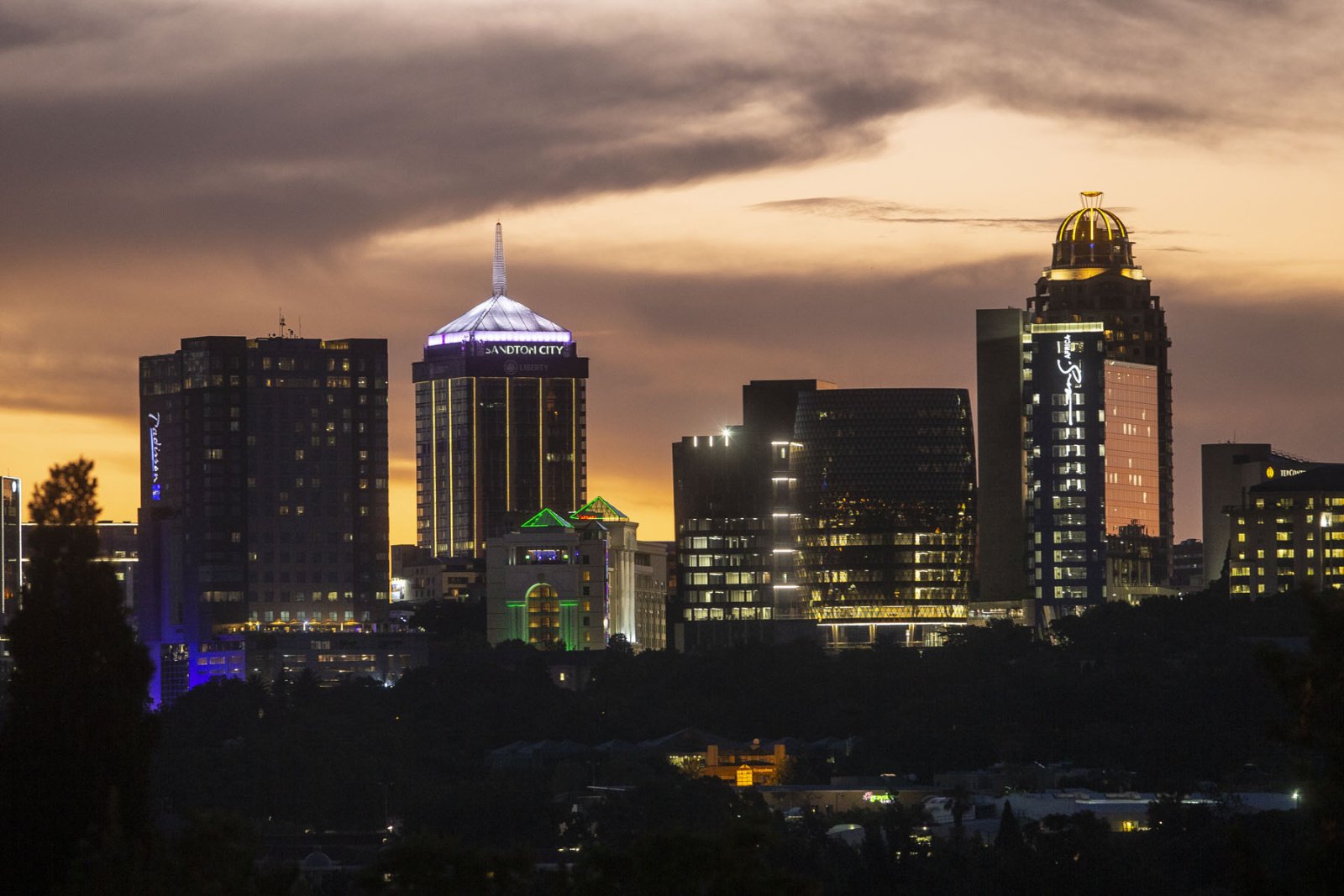
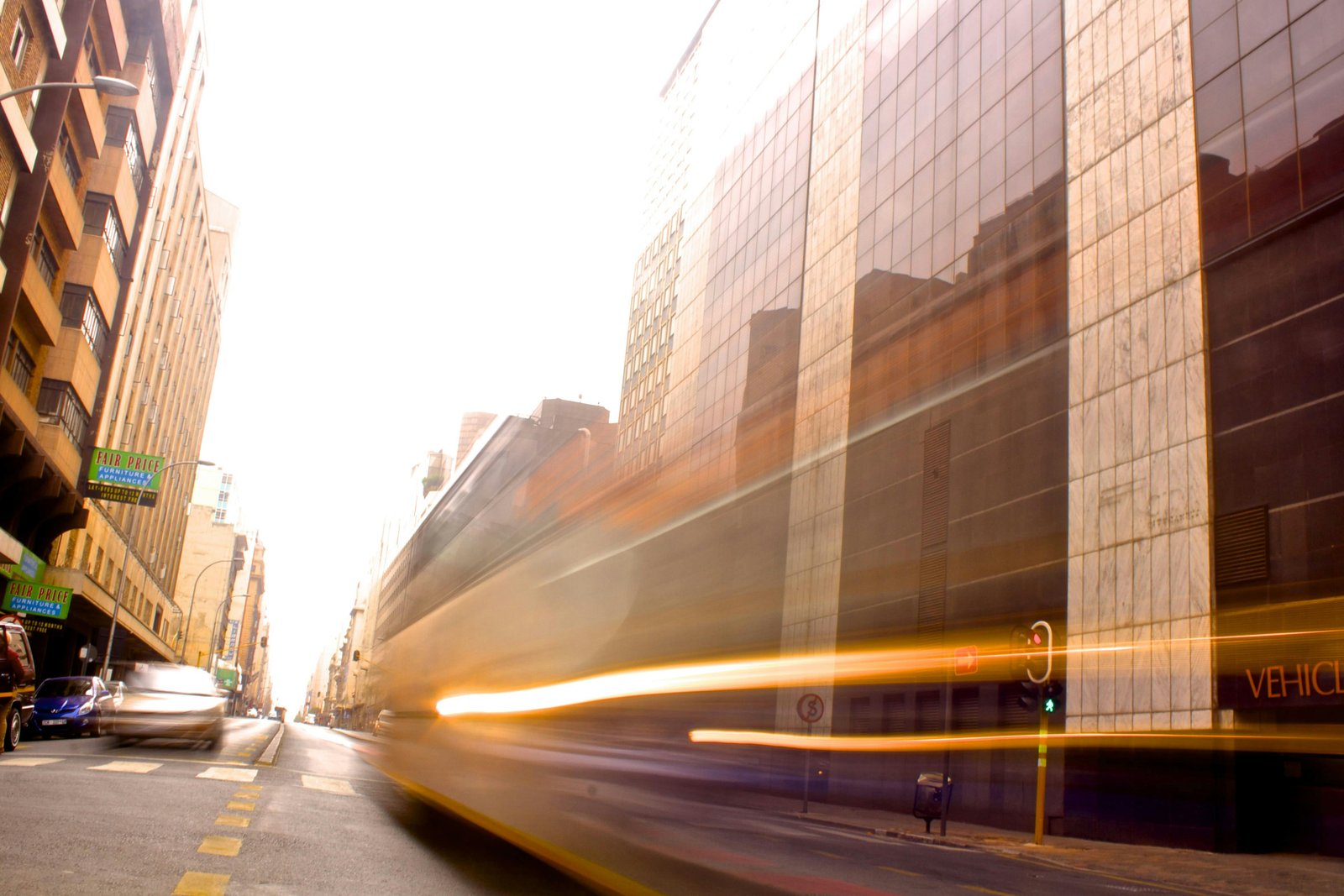
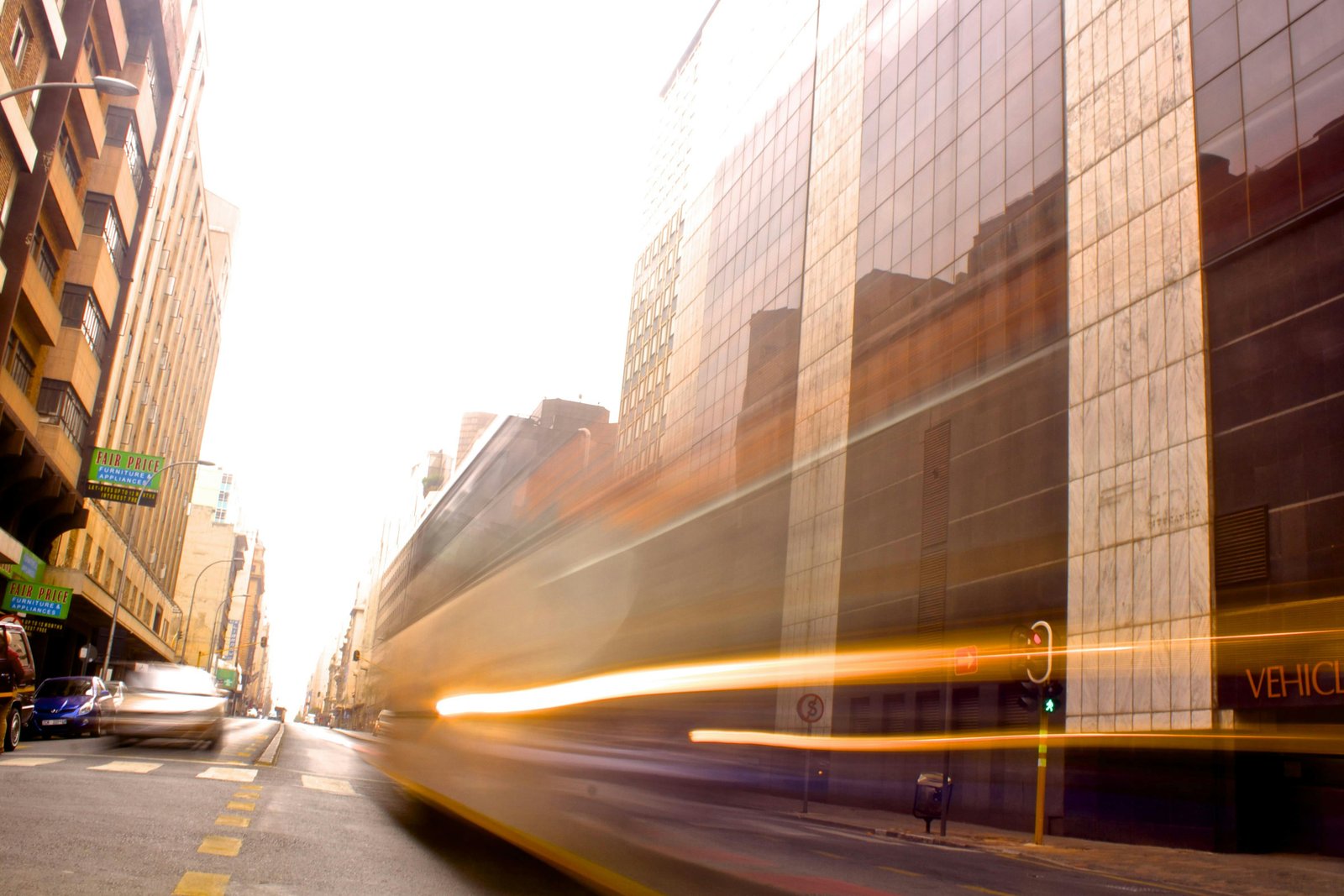
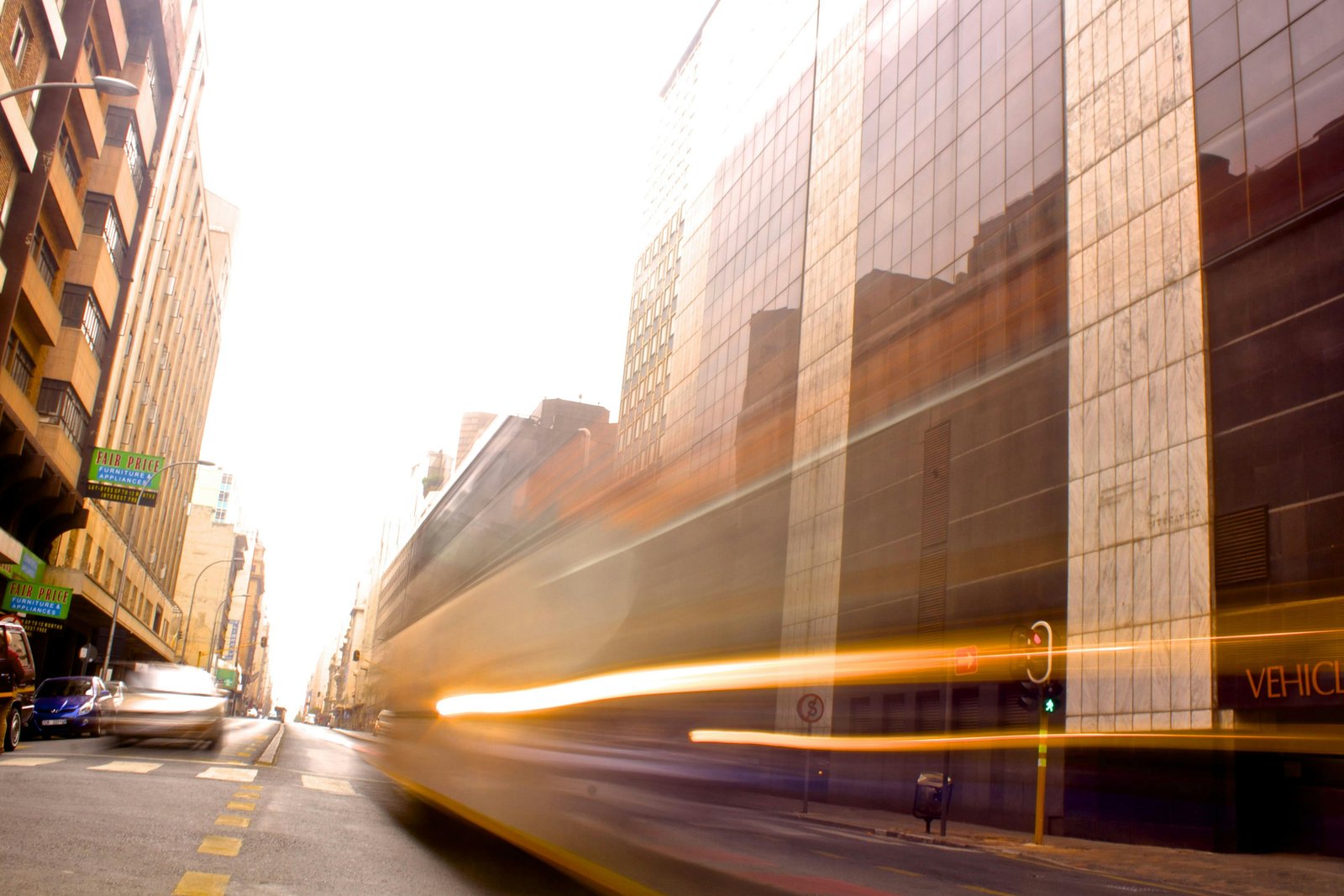
Johannesburg is the most populous city in South Africa. The City of Johannesburg itself has a population of 5,538,596, while the City of Johannesburg Metropolitan Municipality has a population of 6,599,190, making it one of the 100 largest urban areas in the world. Johannesburg is the provincial capital of Gauteng, the wealthiest province in South Africa, and seat of the country's highest court, the Constitutional Court. Situated on the mineral-rich Witwatersrand hills, the city has long been at the epicentre of the international mineral and gold trade. The richest city in Africa by GDP and private wealth, Johannesburg functions as the economic capital of South Africa and is home to the continent's largest stock exchange, the Johannesburg Stock Exchange.
- Population: 5,900,000+ (Metro Area)
- Area: 1,645 km²
- Currency: South African Rand (ZAR)
- Coordinates: Latitude: -26.204444885254, Longitude: 28.045555114746
- Timezone: Timezone info not available
- Current Local Time: ailab
Johannesburg Latest News
IOL
Sinalo Jafta praises Cricket SA for lifesaving mental health and rehab support
Proteas Women’s wicketkeeper Sinalo Jafta opens up about her battle with alcoholism and praises Cricket South Africa for providing critical mental health and rehab support.
IOL
Gauteng Dept of Health urges parents to return consent forms for HPV vaccination campaign
The Gauteng Department of Health will roll out its Human Papillomavirus (HPV) Vaccination Campaign at participating independent primary schools from 3 August to 9 October, urging parents to help protect eligible learners against cervical cancer by returning signed consent forms.
The Citizen
Four arrested, R3m jewellery recovered after Jeffrey’s Bay armed robbery
Swift police action has led to the arrest of four suspects and the recovery of jewellery worth more than R3 million within hours of a brazen armed robbery at a Jeffrey’s Bay jewellery store. The robbery at the store occurred on Sunday, 2 August 2026, at about 10:15am. Robbery According to police spokesperson Captain Marius McCarthy, employees and witnesses were inside the business establishment assisting customers when two armed suspects entered. “The perpetrators drew firearms, threatened the occupants, and ordered everyone to lie on the floor. Shortly thereafter, additional suspects entered the premises and smashed the glass display cabinets, looting a large quantity of jewellery with an estimated value of R3 000 000.” CCTV McCarthy said no shots were fired, and no injuries were reported. “Following the immediate activation of first responders and the review of closed-circuit television (CCTV) footage, the suspect vehicle descriptions were swiftly circulated via local security networks and the NAVIC tracking system. “Members of the Gqeberha Flying Squad operationalised the intelligence and spotted a vehicle fitting the description, travelling at high speed from the direction of Jeffreys Bay towards Gqeberha. Flying Squad members intercepted the vehicle along the N2 Highway,” McCarthy said. Arrest McCarthy said that a tactical search of the vehicle resulted in the arrest of four suspects between the ages of 24 and 36. “Police confiscated a large quantity of jewellery still bearing tags belonging to the jewellery store, one round of AK-47 ammunition, and clothing matching the exact description worn by the suspects during the robbery.” The suspects were arrested and are due to appear before court on charges of possession of suspected stolen property and unlawful possession of ammunition. Warning The Sarah Baartman District Commissioner, Major General Thandiswa Kupiso, has highly commended the operational synergy and rapid response that led to the swift breakthrough. “This outstanding success underscores the undeniable power of collaborative policing and the strategic deployment of our specialised units. The seamless integration of technology, real-time intelligence sharing with our security partners, and the tactical precision of the Flying Squad ensured that these dangerous criminals were neutralised before they could evade justice. “We sent a clear warning to criminal syndicates that our highways and communities are heavily policed. The recovery of this multi-million-rand property and the removal of illegal ammunition from our streets is a significant victory in our ongoing war against aggravated robberies,” said Kupiso. Investigations are ongoing.
The Citizen
GWM’s new 3.0 litre turbodiesel engine coming for Tank 500 soon
Great Wall Motors (GWM) has confirmed that the Tank 500 will be next model after the P500 to receive its eagerly awaited new 3.0 litre turbodiesel engine within the coming weeks. Not six but four In a single teaser image last week, the Baoding-based brand announced that the big displacement oil-burner had been approved for the P500, though it didn’t announce an official date of launch. Originally rumoured to be a six-cylinder unit, the 3.0 litre was officially revealed as a four-cylinder in May, with outputs of 170kW/620Nm. Down 14kW but up 20Nm on the 3.0 litre Lion turbodiesel V6 powering the Ford Ranger and Volkswagen Amarok, the unit will be paired to a nine-speed automatic gearbox and develop 35kW/140Nm more than GWM’s own 2.4 litre turbodiesel. Call it ‘3.0T’ Having announced the new engine for the P500 on its Facebook page, a similar approval was made for the Tank 500, this time with the caption “A new level of power and capability awaits”. Further teased with the script, “Prepare to Ascend”, the diesel, as with the nomenclature for the 2.4, is expected to be called 3.0T – a badge which outside South Africa, references the 3.0 litre twin-turbo V6 petrol that delivers 265kW/500Nm. While offered with the 2.4T in Thailand since May last year, the 3.0T will not only be a first-time diesel option for the Tank 500 in South Africa, but also Australia, where sales are expected to soon start. The diesel’s arrival will see it produce less power and torque than the self-charging HEV, whose combination of the 2.0 litre turbo-petrol, electric motor and battery pack outputs 255kW/648Nm. Price drop expected Supposed to have debuted locally in 2027, the 3.0T is anticipated to lower the Tank 500’s starting price, which at present, amounts to R1 228 950 for the sole Ultra Luxury variants South Africa has had since its market arrival two years ago. As such, expect more details of Tank 500 3.0T to soon emerge, along with those of the P500 3.0T.
The South African
Cape Crusaders crossed a line at Cape Town Stadium that had nothing to do with rugby
The behaviour of some South African All Blacks fans at the Cape Town Stadium welcome event shamed themselves and the team they claim to love. The Cape Crusaders’ decision to support the All Blacks is rooted in history that deserves genuine respect and understanding, but what a vocal section of them produced at Cape Town Stadium on Friday had nothing to do with history, and everything to do with something considerably uglier. Let me be direct from the outset. I hold no particular grievance with South Africans who support New Zealand. The reasons are well-documented and historically grounded. During apartheid, the Springboks represented the state that oppressed coloured and black South Africans. The All Blacks, in the minds of many in the Western Cape, represented something different; a team of mixed heritage that stood apart from the dominant white Afrikaner sporting identity. That support passed from father to child, from grandmother to grandchild. Sport support is often inherited before it is chosen. I understand that completely. What I cannot understand is what happened at that stadium. WHAT ACTUALLY TOOK PLACE SA Rugby hosted a public ‘Welcome to country’ event for the touring All Blacks. Tickets were free and the event was open to all. On stage stood MC Aden Thomas, SA Rugby president Mark Alexander, CEO Rian Oberholzer, City of Cape Town deputy mayor and former Springbok Eddie Andrews, alongside All Blacks head coach Dave Rennie and tour captain Codie Taylor. A substantial crowd of Cape Crusaders attended. And then it started. The remarks directed at Thomas, Alexander, Andrews and Oberholzer from sections of the crowd were, by multiple accounts from journalists positioned between the stage and the stands, vile. Alexander was shouted at, interrupted and called names during his welcoming speech. Fans demanded he leave the stage. The mere mention of the Springboks prompted cursing. When the South African Youth Choir sang the word “iBokoboko,” sections of the crowd booed. Springbok supporters in the crowd faced hostility simply for wearing green and gold. Meanwhile, sections of the crowd also draped themselves in actual New Zealand national flags, not All Blacks rugby flags, but the sovereign flag of another country. They attempted to sing the New Zealand national anthem and performed tongue-out Haka gestures. Cape Town, they chanted, was the All Blacks’ home town. Even Rennie and Taylor appeared visibly uncomfortable. That says everything. After the speeches, the media conducted sideline interviews with Rennie, Taylor and lock Sam Darry right next to the stage, standard procedure at events like these. Meanwhile, the rest of the All Blacks squad interacted with the crowd and fired t-shirts into the stands. The middle section in front of the interview area complained loudly that the media were blocking their chances of catching t-shirts. Some swore directly at journalists for simply doing their jobs in a location chosen by the All Blacks themselves, not by the media. That detail might seem minor, but it captures something essential about the mood on the day. THE CAPE CRUSADERS’ HISTORICAL ARGUMENT HAS LIMITS The apartheid-era justification for supporting the All Blacks is legitimate, up to a point. But it has boundaries. New Zealand’s relationship with apartheid South Africa was far from heroic. The All Blacks toured here in 1976 while the Soweto uprising was happening. The Springboks toured New Zealand in 1981, dividing that country severely. New Zealand toured here again in 1986. During those tours, Māori players were classified as “honorary whites” to gain entry to apartheid South Africa, a humiliation that New Zealand Rugby consented to. The idea that New Zealand stood as a morally superior alternative to the apartheid sporting establishment is considerably more complicated than the popular narrative suggests. More importantly, 31 years of democratic rugby have produced Siya Kolisi as the Springboks’ first black captain, four World Cup titles, all while Rassie Erasmus has built a squad and a culture that reflects the country in a way that simply did not exist before. Whatever the historical grievances – and they are real – this Springbok team is not the team of the apartheid era. Treating it as such is a choice, not an argument. And that choice is ignorance over overwhelming evidence. Of course there are also South Africans of every background who grew up within apartheid’s rugby structures and faced genuine racial prejudice that continues today. That is a legitimate reason to feel ambivalent. But ambivalence is not the same as what was on display in Cape Town. THIS RUGBY RIVALRY IN GENERAL AND THIS TOUR IN PARTICULAR DESERVE BETTER Nobody is required to support the Springboks. Supporting any team is a personal choice. That is not the point. The point is that you can support the All Blacks without booing a national youth choir for singing the word “iBokoboko.” You can cheer for New Zealand without screaming abuse at the SA Rugby president during his own event. You can wear black without draping yourself in another nation’s sovereign flag and treating fellow South Africans like enemies on their own soil. In short, there is a difference between inherited support and manufactured antagonism, and what happened at Cape Town Stadium fell firmly into the second category. There is a difference in supporting the All Blacks and aggressively performing hostility toward South African officials, South African institutions and fellow South Africans in a public space designed to celebrate rugby. What happened on Friday was far from a celebration. It was an – admittedly small – group of people performing hostility for its own sake, and directing much of it at the very stakeholders who were there to give their beloved team a proper welcome. Rugby’s Greatest Rivalry deserves better than that. The All Blacks, to their credit, seemed to know it. Rennie and Taylor looked uncomfortable for a reason. Support who you like. That is your right. But the Cape Crusaders must own their behaviour. Friday was not rugby greatest rivalry. It was something considerably less dignified than that.
The South African
Bad weather delays return of Zimbabwean mother and daughters’ bodies from UK
The Khumalo family in Zimbabwe’s Bulawayo has been forced to endure another painful wait after the bodies of Nothabo Zandile Tshuma and her two daughters, Natalie and Nala, failed to arrive in Zimbabwe on Sunday as expected. This followed bad weather that disrupted their journey from the United Kingdom. Instead of preparing to receive their loved ones in Bulawayo, relatives were informed that the flight carrying the bodies had been delayed after adverse weather prevented the aircraft from landing in Addis Ababa, Ethiopia. The plane was diverted to Djibouti, causing the bodies to miss their connecting Ethiopian Airlines flight to Zimbabwe. The unexpected setback means the bodies are now expected to arrive at Robert Gabriel Mugabe International Airport in Harare on Monday before being transported by road to Bulawayo ahead of Tuesday’s funeral. Bad weather delays bodies on journey from the UK Speaking to The Chronicle, family spokesperson Leon Leroy Khumalo confirmed that severe weather in Ethiopia caused the delay. “The flight from the United Kingdom failed to land in Addis Ababa because of bad weather. It had to divert to Djibouti and because of that they missed the connecting flight from Addis Ababa to Bulawayo,” he said. Relatives had gathered in anticipation of the bodies’ arrival on Sunday, only to learn around midday that they would not be on the scheduled flight to Bulawayo. Despite the disappointment, Khumalo said the repatriation process was back on track and the family now expects the bodies to arrive in Bulawayo on Monday. Family faces another heartbreaking wait The delay added to the anguish of a family that has spent weeks navigating the complex process of repatriating Nothabo and her daughters from the United Kingdom. Although Sunday’s expected arrival had offered hope that the family could finally begin saying goodbye, they instead spent another night waiting for their loved ones to complete the final leg of their journey home. Mr Khumalo said the funeral programme would proceed as planned despite the delay. “We expect the bodies to arrive in Bulawayo on Monday. They will lie in state at Nyaradzo Funeral Parlour before the burial on Tuesday,” he said. Bulawayo community prepares to receive the bodies Even as the repatriation was delayed, the spirit of solidarity in Bulawayo’s Gwabalanda suburb remained unwavering. Residents continued gathering at the Khumalo family home for evening prayer meetings, offering comfort and support to the bereaved family. The bodies are expected to briefly pass through the family home in Gwabalanda before a funeral service at the Brethren in Christ Church in Lobengula. Nothabo and her daughters will then be laid to rest side by side at Old Luveve Cemetery on Tuesday. Khumalo said bringing Nothabo and her daughters home marks an important step towards giving the family closure after weeks of mourning and logistical arrangements involving authorities in Zimbabwe and the United Kingdom. Last week, the family welcomed the approval by British authorities to repatriate Natalie and Nala, who were born in the United Kingdom, allowing them to be buried alongside their mother in Zimbabwe. Nothabo, 42, and her daughters were found dead at their home in Great Denham, Bedfordshire, on 3 July in a case that shocked both Zimbabweans and the wider British community. Her husband and the children’s father, Ndodana Mkhanyisi Tshuma, a Zimbabwean-born British citizen, was later arrested in Johannesburg, South Africa. He remains in custody as United Kingdom authorities pursue his extradition to face three counts of murder.
TechCentral
The debate about the grid is over
Investors have been waiting to see whether South Africa would actually follow through on real energy sector reform.
TechCentral
Nedbank hires MTN’s former tech chief as group CIO
Nedbank has appointed Nikos Angelopoulos, formerly MTN Group's CIO, to the same role at the bank.