General Information
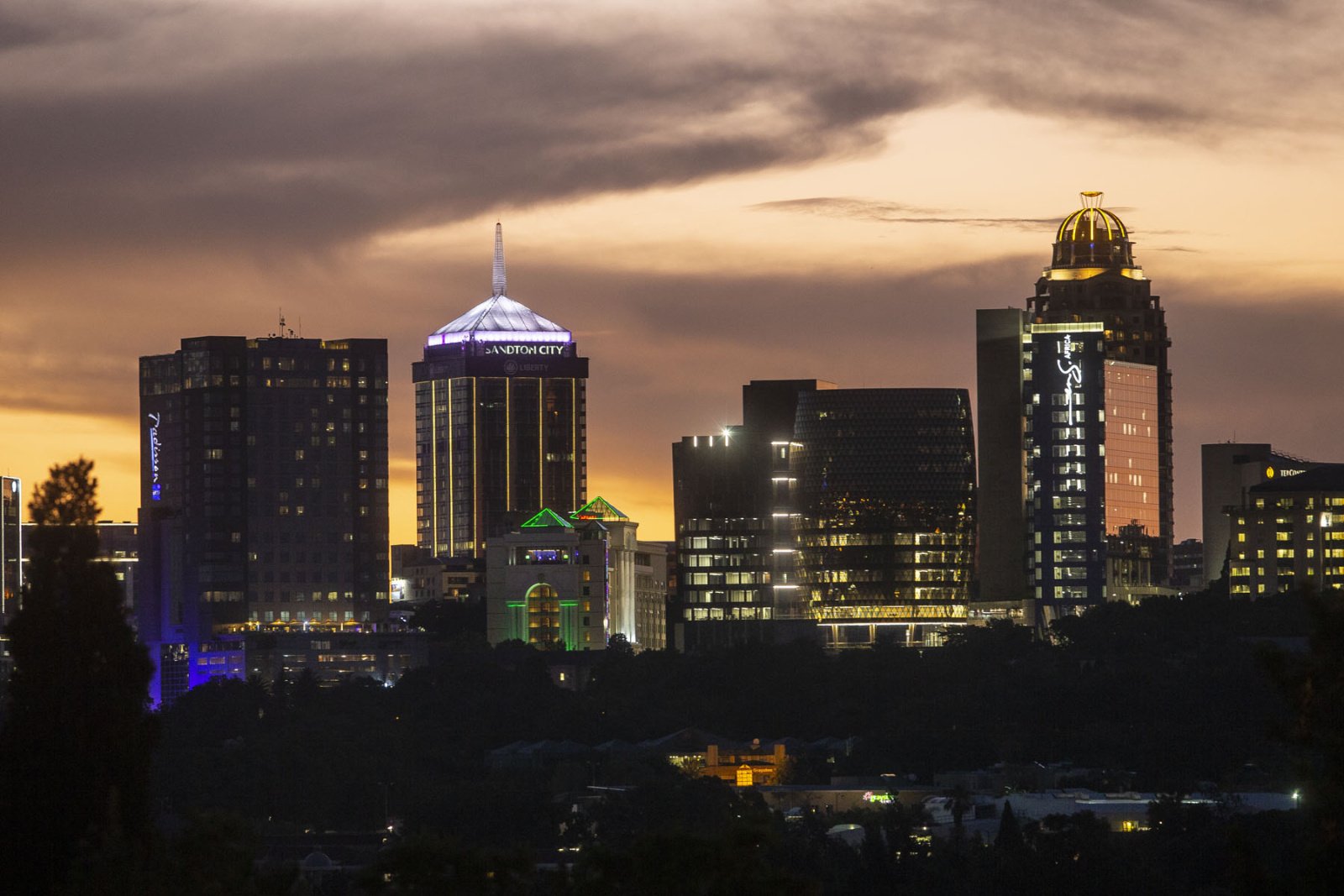
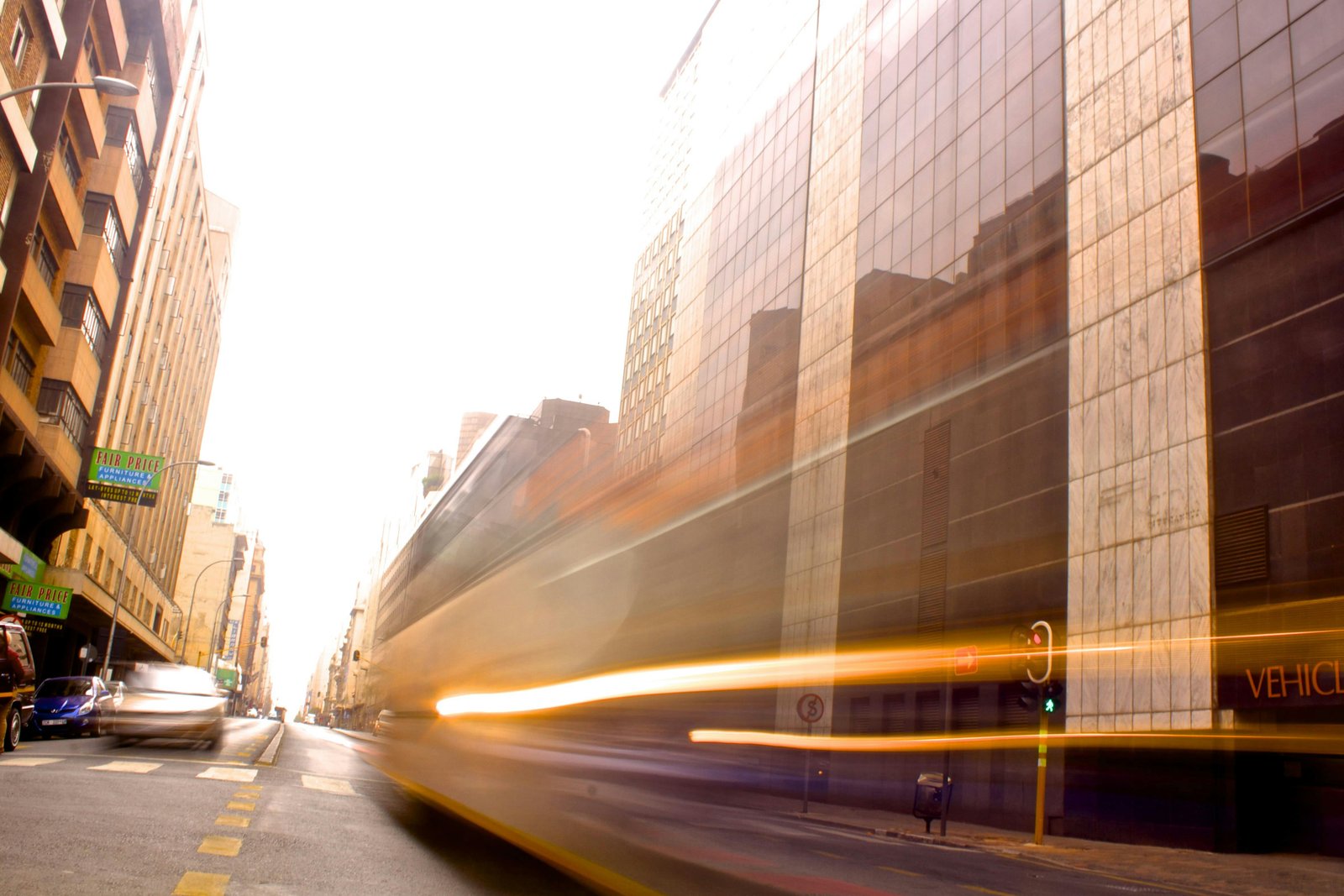
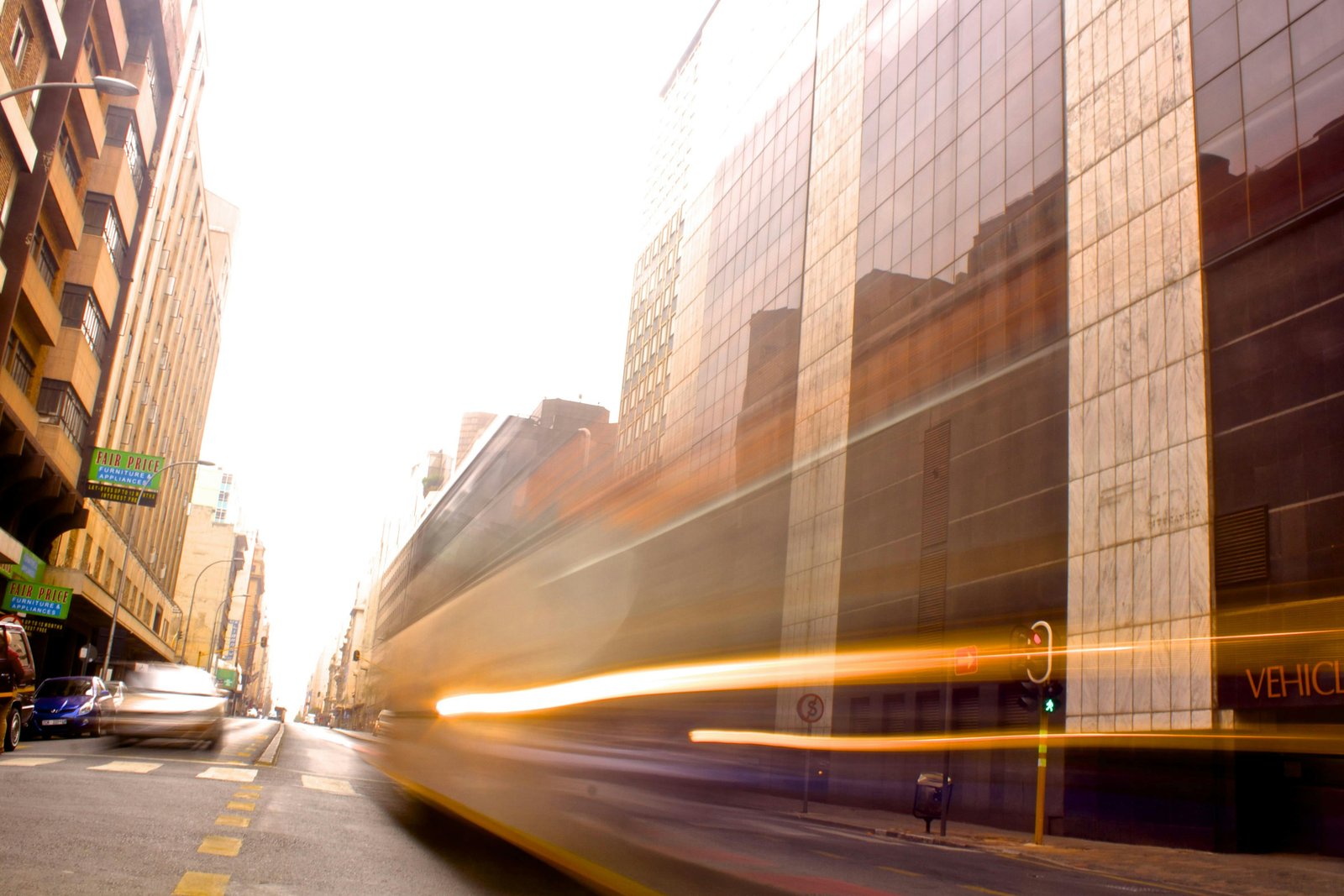
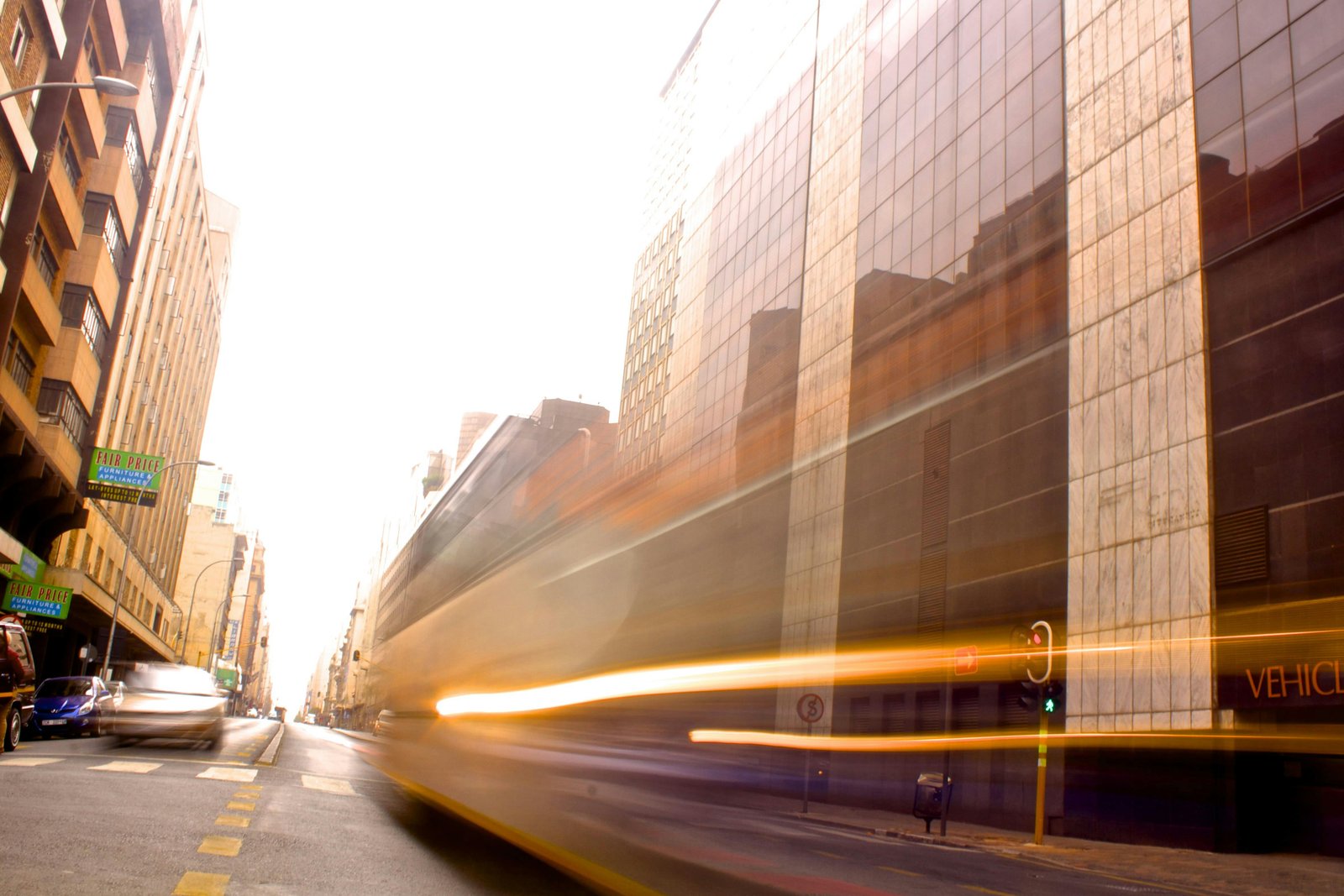
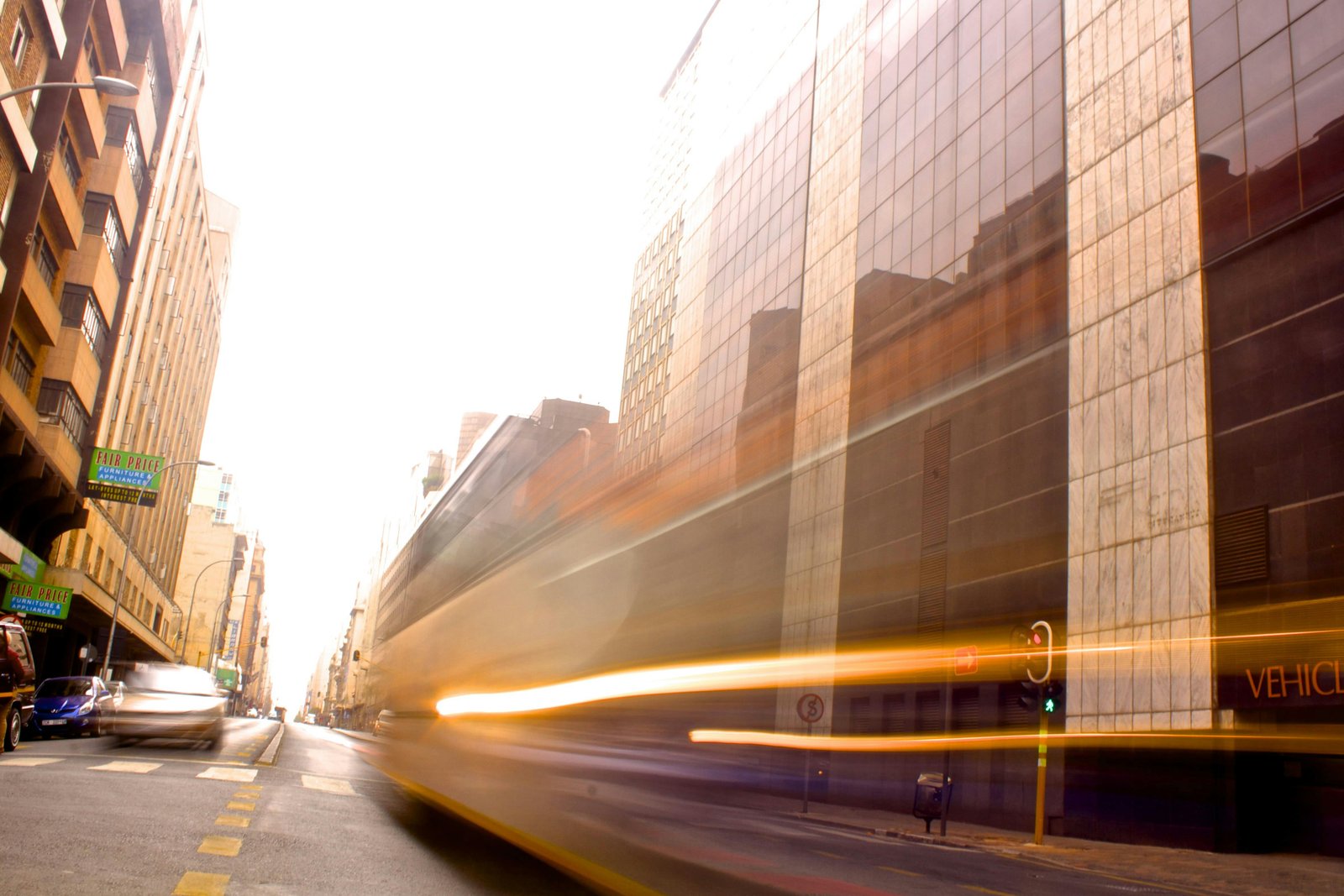
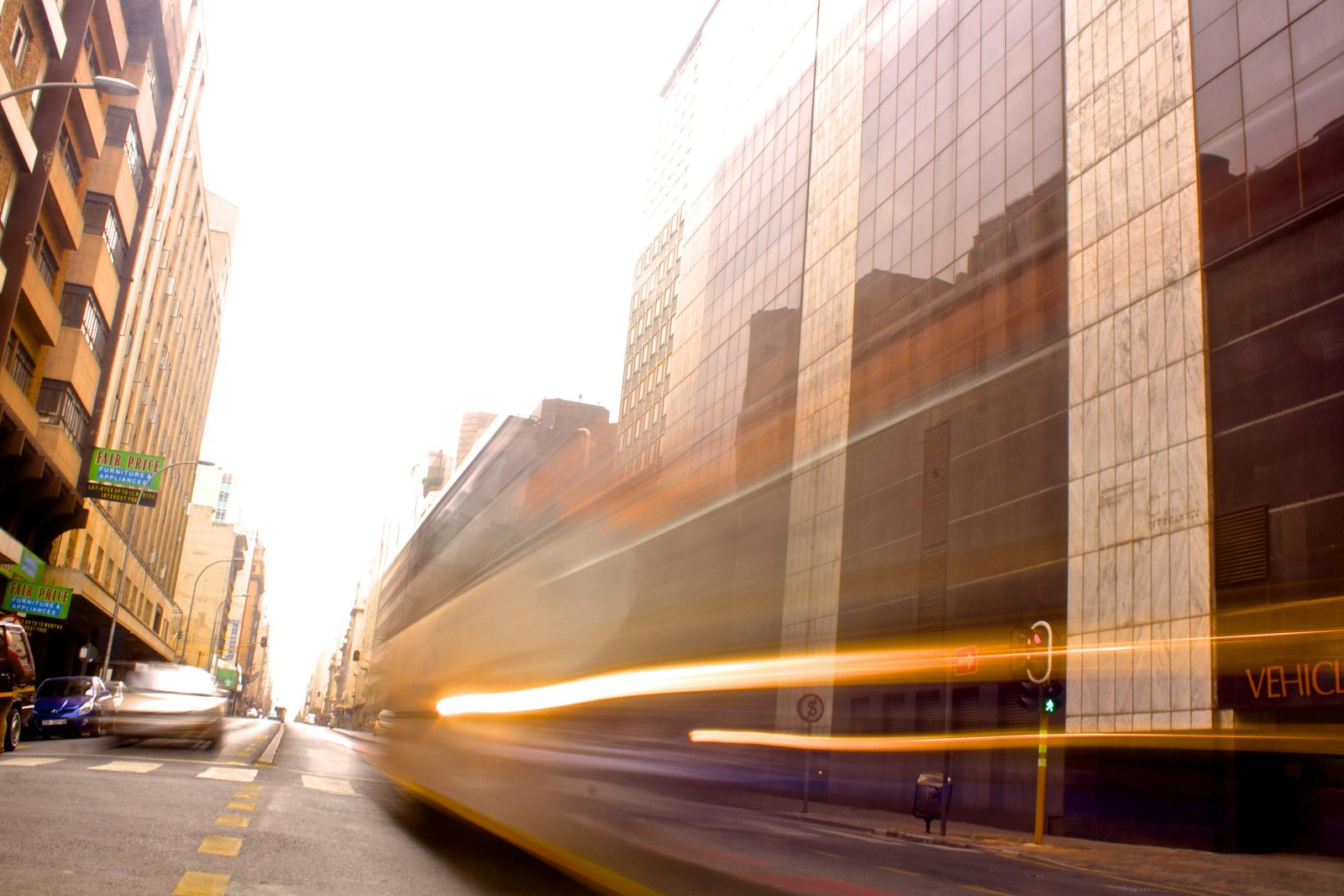
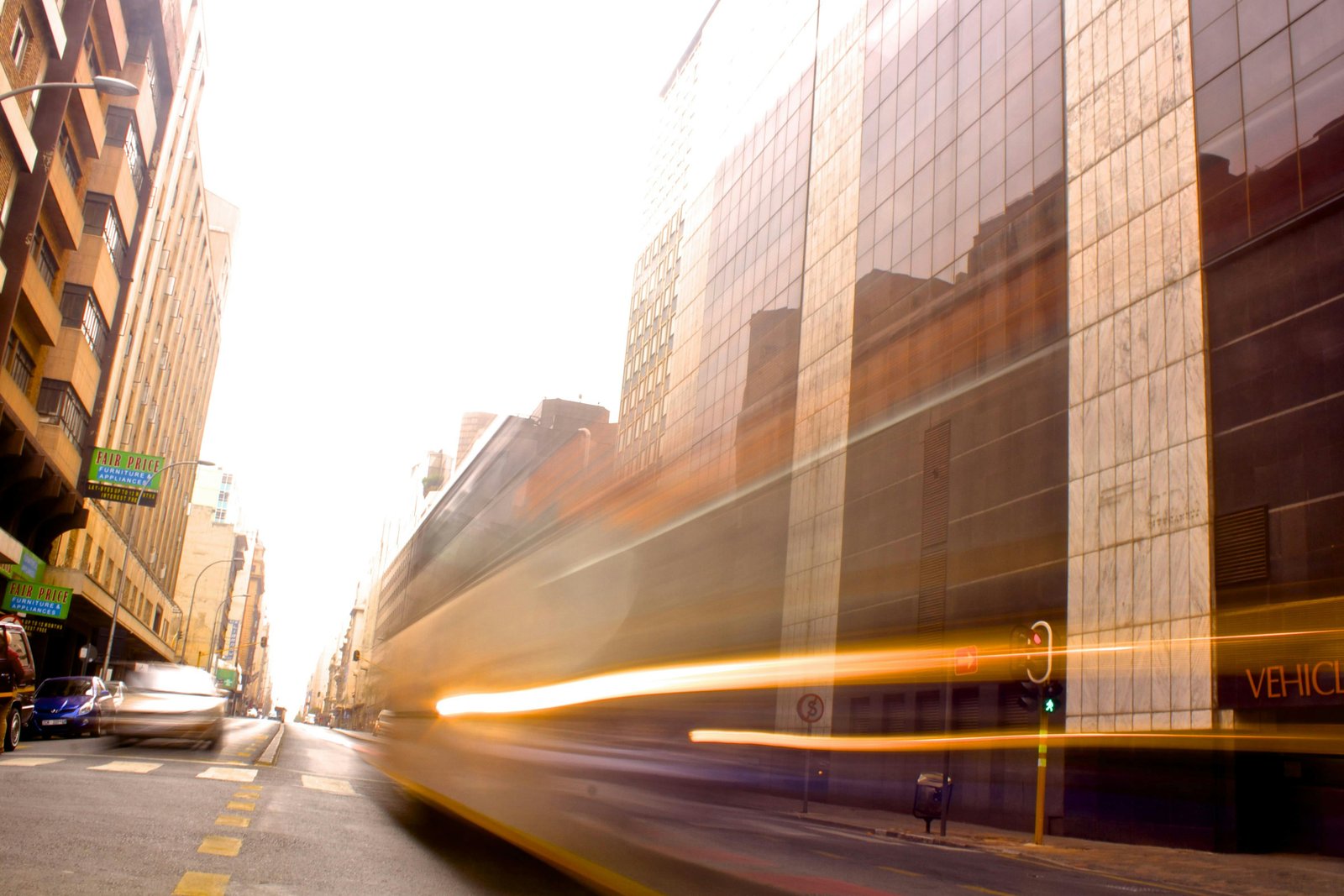
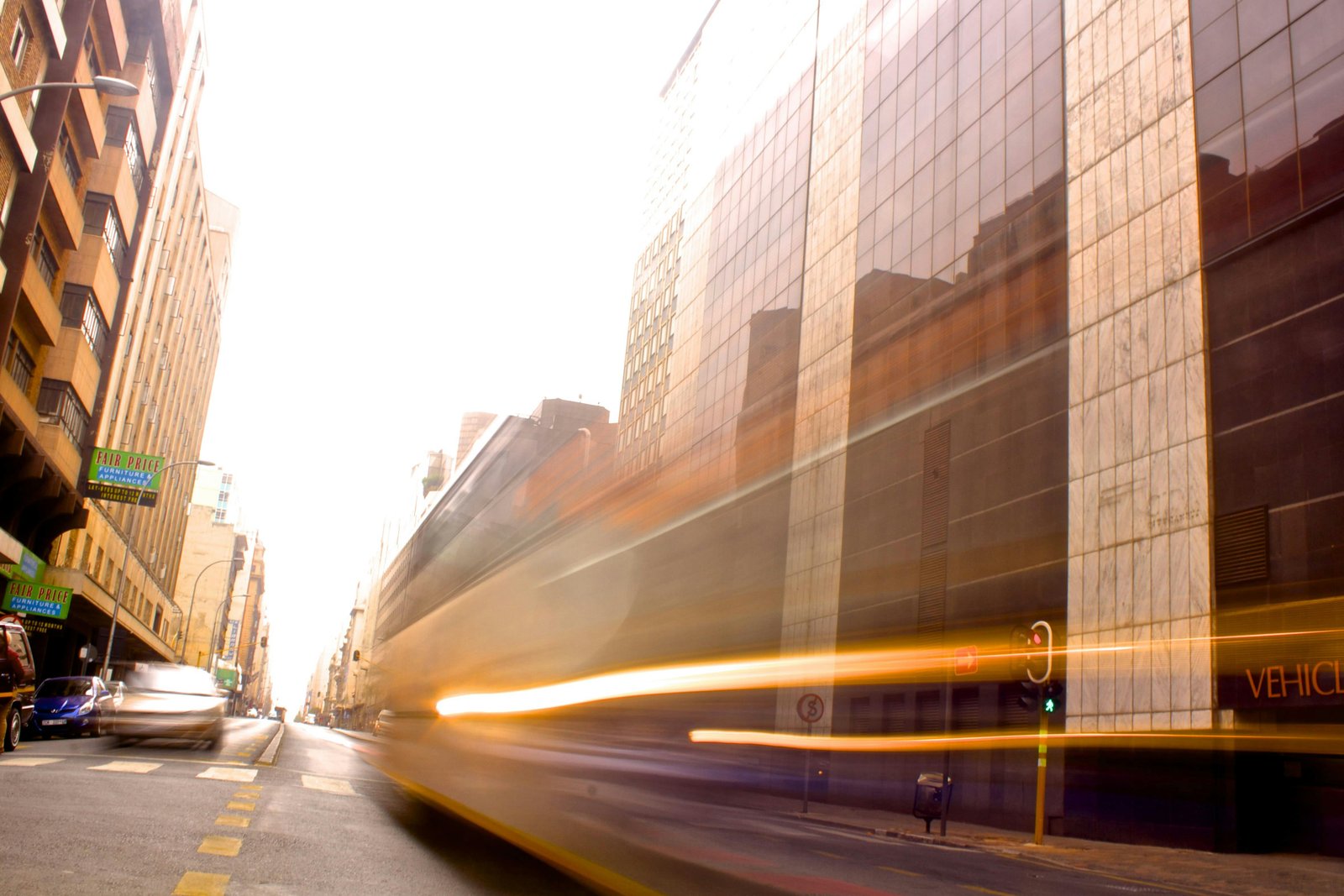
Johannesburg is the most populous city in South Africa. The City of Johannesburg itself has a population of 5,538,596, while the City of Johannesburg Metropolitan Municipality has a population of 6,599,190, making it one of the 100 largest urban areas in the world. Johannesburg is the provincial capital of Gauteng, the wealthiest province in South Africa, and seat of the country's highest court, the Constitutional Court. Situated on the mineral-rich Witwatersrand hills, the city has long been at the epicentre of the international mineral and gold trade. The richest city in Africa by GDP and private wealth, Johannesburg functions as the economic capital of South Africa and is home to the continent's largest stock exchange, the Johannesburg Stock Exchange.
- Population: 5,900,000+ (Metro Area)
- Area: 1,645 km²
- Currency: South African Rand (ZAR)
- Coordinates: Latitude: -26.204444885254, Longitude: 28.045555114746
- Timezone: Timezone info not available
- Current Local Time: ailab
Johannesburg Latest News
IOL
Sharks veteran Lewies has no artificial appetite for 4G pitches
Well-travelled Sharks lock Stephan Lewies believes most players prefer natural surfaces to artificial pitches.
IOL
From runways to pet parenting: Laduma Ngxokolo’s bond with Madumanne
In a world where fashion meets family, Laduma Ngxokolo's relationship with his pet dog, Madumanne, highlights the deep emotional connections we forge with our furry companions.
The Citizen
Zelensky calls for freezing of front with Russia as first step to talks
Ukraine President Volodymyr Zelensky called Wednesday for freezing the front in his country’s war against Russia as a first step toward ceasefire talks. “Right now we have to freeze, and I think this is (the) real way to end this war. We call it ceasefire… freeze and stop,” Zelensky said in an interview on “Fox and Friends,” when asked if he would accept a peace deal that freezes the front along its current lines after Russia’s invasion. US envoy meets Putin as peace efforts continue The comments came as US envoy Steve Witkoff met with Russian leader Vladimir Putin for talks on ending the war. As Witkoff touched down in Saint Petersburg, Russia announced it would soon begin shipments of diesel to the United States under a deal with President Donald Trump, and that it had freed a US citizen held by Moscow since the start of the war. Zelensky said any peace talks must include Ukraine. “I always said that we are open to negotiate in any format, any topics. But don’t speak about us without us, please.” Zelensky demands security guarantees Zelensky stressed that any peace deal must include security guarantees from partners including the United States and European allies. Such guarantees would help ensure Ukrainians are not “afraid… that occupation will come back, aggression will come back, killings will come back.” Zelensky spoke days after Kyiv accused Washington of deliberately slowing speeds on the SpaceX-operated Starshield communications system that’s crucial for its battlefield communications. Ukraine also uses SpaceX’s parallel Starlink civilian satellite system. Starlink and Starshield services are “still limited,” Zelensky said. “But Secretary (of State Marco Rubio) told me that he will work with his team on this to unblock this.” The Wall Street Journal reported Tuesday that SpaceX owner Elon Musk had ordered the reduction in Starshield services. The tech mogul had previously said any limits on the system would have come from Trump, a charge that the US president denied.
The Citizen
UK approves drilling in controversial Jackdaw gas field
Britain’s Labour government announced plans Wednesday to start drilling in a controversial gas field in the North Sea, claiming the “pragmatic” move would boost energy security amid price shocks from the Iran war. US President Donald Trump hailed the decision to approve the Jackdaw site, situated about 150 miles (240 kilometres) east of Aberdeen, after a court ruling put its future in doubt. Environmentalists said the approval would worsen carbon emissions, but industry groups and unions welcomed the project, which the government said would start supplying gas to homes and businesses within weeks. In a post on his Truth social platform, Trump called the decision “great news for the wealth and prosperity of the United Kingdom and the wonderful region of Aberdeen”, where he owns a luxury golf resort. Government defends ‘pragmatic’ energy decision Prime Minister Andy Burnham said his centre-left administration had made a “pragmatic” decision. “At a time when people are really struggling, it’s right that we look in a responsible way at maximising the existing energy reserves we have in Britain that could help,” he said. “We’re committed to moving towards renewable energy and reaching net zero by 2050. But even on our ambitious climate path, we’ll still require oil and gas as part of our energy needs for decades to come.” The issue has divided the Labour Party, pitting its climate ambitions against pressure to increase domestic energy supplies and ease surging utility bills to help Britons with the cost of living. Labour promised when returning to power in 2024 under former leader Keir Starmer not to issue any new oil and gas drilling licences as it sought to steer Britain away from fossil fuels towards cleaner renewable energy. Legal battles put North Sea projects under scrutiny Supporters argue that neither Jackdaw, with its expected lifespan of 11 years, nor the Rosebank field — which mainly contains oil and lies west of the Shetland Islands and will be ruled on separately — are new fossil fuel sites. The previous Conservative government approved drilling at Jackdaw, which already has the infrastructure in place, and at Rosebank before both sites became the subject of lengthy legal battles. But a Scottish court ruled early last year that the approvals failed to consider the carbon emissions the projects would indirectly generate, meaning both must reapply. ‘Climate vandalism’ The government said Jackdaw was expected to increase domestic gas production by around six percent at its peak and add an estimated £2.9 billion ($3.9 billion) to the economy. The approval will create 27 new jobs and protect some 270 existing ones. But energy minister Miatta Fahnbulleh conceded the new drilling will not immediately reduce energy bills, since gas and oil costs are determined by international market prices. The government announced a new wealth fund designed to reinvest oil and gas revenues into the climate transition, a move seen as an attempt to appease left-wing Labour lawmakers unhappy at the imminent drilling. The approval of Jackdaw was supported by all main parties except the left-wing Greens, whose leader Zack Polanski called the decision “climate vandalism”. Environmentalists clash with energy industry over approval Friends of the Earth said it was a “huge blow” to Labour’s green credentials, while Greenpeace’s Ami McCarthy said: “True pragmatism means severing our reliance on expensive oil and gas that leaves British households broke, supercharges extreme weather, and leaves our energy security at the mercy of petrostates.” Greg Jackson, CEO of Octopus Energy, called it a “good energy policy” because Jackdaw will “replace 20 ships a year of imported gas, with cleaner British gas that pays tax here”. Meanwhile, Sharon Graham, leader of the Unite labour union, also welcomed the approval, saying it gives Britain “a bit more time to create and fund a concrete plan for commensurate jobs” as the industry transitions to renewables. Adura, the joint venture between Shell and Norway’s Equinor that is behind both projects, called for Rosebank to now also be approved and Trump said Britain should go “full blast” in extracting North Sea resources. In interviews Wednesday, Fahnbulleh said Rosebank — Britain’s largest remaining untapped oil field — was different to Jackdaw. “One is a gas field that caters for the domestic market, while the other is an oil field that is mainly for export,” she told the Guardian.
The South African
Medium-term budget in a nutshell: Everything to know in 30 seconds
Finance Minister Enoch Godongwana has announced temporary fuel levy cuts, billions in additional funding for social services and municipalities, and new resources to fight crime as government seeks to ease pressure on households while stabilising South Africa’s public finances. Delivering the Medium-Term Budget Policy Statement (MTBPS) in Parliament on Wednesday, 21 October, Godongwana said the government’s fiscal consolidation measures were beginning to deliver results, despite weaker economic growth and ongoing global uncertainty. “The difficult choices of the past few years were made for a purpose. To restore stability today so that we can build a faster-growing, more inclusive and more resilient economy tomorrow,” he said. However, South Africa’s economic growth forecast for 2026 has been revised down to 1.2%, from the 1.6% projected in February, reflecting pressure from higher fuel prices, geopolitical conflict and the effects of El Niño. Growth is expected to improve to 1.6% in 2027 and reach 2% by 2029. Tax revenue boost helps turn debt tide One of the key developments is the improvement in government’s debt trajectory. The debt-to-GDP ratio stabilised at 78.4% in the 2025/26 financial year and has started to decline, marking a milestone after years of rising public debt. The budget deficit is expected to narrow to 3.9% of GDP in the current financial year, better than the 4% forecast in February. It is projected to decline further to 2.5% by 2030. Meanwhile, the primary budget surplus – the difference between government revenue and expenditure before debt-service costs – is expected to rise from 1.7% of GDP to nearly 3% by 2030. Tax revenue estimates for 2026/27 have been revised upwards by R17.1 billion, supported by corporate income tax, VAT and stronger commodity prices. Government expenditure is expected to increase from R2.7 trillion this year to R3 trillion by 2029/30. The improved revenue outlook gives Treasury some room to provide targeted relief, although the government remains focused on containing borrowing and keeping debt on a sustainable path. Fuel levy cuts offer temporary relief One of the most immediate announcements for consumers was a temporary reduction in the general fuel levy worth R10 billion. From 4 November to 1 December 2026, the levy will be reduced by: Petrol: R1.50 per litre Diesel: R3 per litre The second phase will run from 2 December 2026 until 5 January 2027, with smaller reductions: Petrol: R1 per litre Diesel: R1.50 per litre The funding will come from R10 billion in revenue overruns from the 2025/26 financial year that had been transferred to the Central Energy Fund. The money will be returned to the National Revenue Fund to finance the relief. “This intervention will help ease cost of living pressures without compromising the sustainability of the budget,” Godongwana said. The reductions are intended to cushion motorists and businesses against elevated fuel costs. Lower fuel levies can also help moderate transport and distribution expenses, although the final pump price will still depend on other fuel-pricing components. Social grants and child nutrition receive support Social spending remains a major part of the government’s budget, accounting for 60% of non-interest expenditure. Government funding supports 18.1 million social grant beneficiaries through programmes including old-age, disability and child support grants. More than 11 million households also benefit from free basic services, including water, electricity, sanitation and refuse removal. The MTBPS includes R1.6 billion over the medium term for child nutrition, with a focus on maternal care and the first 1 000 days of a child’s life. The programme aims to help prevent malnutrition and stunting during a critical period of development. Billions allocated to fight crime and GBVF Government has reprioritised R3.8 billion over the 2027 Medium-Term Expenditure Framework period to appoint 3 552 social workers, strengthening the response to gender-based violence and femicide (GBVF). A further R186 million has been allocated to improve forensic and investigative capacity. Godongwana also announced plans to increase the number of sexual offences courts from 55 to 101 and expand Thuthuzela Care Centres supporting rape survivors from 72 to 80 by 2028/29. An additional R157.4 million will go to the Department of Women, Youth and Persons with Disabilities to strengthen national coordination of the GBVF response. Beyond gender-based violence, R810 million has been allocated to recapitalise the South African Police Service vehicle fleet. A further R823 million has been set aside for military deployments targeting gang violence and illegal mining. The allocations are intended to strengthen law enforcement and improve support for vulnerable communities. HIV and AIDS services get additional funding The budget also addresses the financial pressure on HIV and AIDS programmes following the withdrawal of funding from the United States President’s Emergency Plan for AIDS Relief (PEPFAR). Government will reprioritise R556.7 million over the medium term to sustain HIV and AIDS services. This will supplement R3.8 billion reprioritised through the district health programmes grant. The funding is intended to help maintain essential services as South Africa adjusts to the loss of external support. Municipalities receive billions for basic services Local government is also set to receive additional support. Municipalities will receive an additional R3.5 billion over the medium term for smart meter rollouts, aimed at improving billing accuracy and helping municipalities manage electricity distribution. The local government equitable share will receive a further R21.8 billion to support basic services. Godongwana stressed that funding must translate into visible improvements for residents, including more reliable services and better municipal management. The challenge will be ensuring that the additional allocations result in practical improvements on the ground. New digital platform planned for government services Government also plans to spend R150 million developing the MyMzansi app, a digital platform intended to give citizens access to government services through their smartphones. The initiative forms part of efforts to improve access to public services through digital channels. Its impact will depend on how effectively the platform is implemented and whether people can access the services they need through it. What the MTBPS means for South Africans The 2026 MTBPS presents a balancing act for government. Stronger tax revenue and a stabilising debt trajectory offer some encouragement, while the temporary fuel levy cuts provide immediate assistance to households and businesses facing high costs. At the same time, billions have been directed towards social workers, crime prevention, health services, child nutrition and municipal infrastructure. However, the downgraded growth forecast highlights the scale of the economic challenge. Sustained improvements in employment, investment and household living standards will depend on whether fiscal stability can be translated into stronger economic growth and better public services. For now, motorists can look towards temporary fuel relief from November, while the longer-term test will be whether government can maintain its fiscal gains and deliver tangible improvements for South Africans.
The South African
Government to spend R3.8 billion to protect women in South Africa
Government has reprioritised R3.8 billion over the 2027 Medium-Term Expenditure Framework (MTEF) period to appoint 3 552 social workers as South Africa steps up its response to gender-based violence and femicide (GBVF). Finance Minister Enoch Godongwana announced the funding during his Medium-Term Budget Policy Statement (MTBPS) address to the National Assembly on Wednesday, 21 October. READ | R38 billion by 2030: What MTBPS said about SASSA grants The allocation comes amid growing concern over the murders and attacks on women, with government also committing additional funding to strengthen criminal investigations and support survivors of sexual violence. Godongwana said the measures give effect to President Cyril Ramaphosa’s announcement on the unacceptably high levels of GBVF in South Africa. R186 million to strengthen criminal investigations Alongside the social worker appointments, government has allocated R186 million to strengthen forensic and investigative capacity within the criminal justice system. The funding is intended to improve the state’s ability to investigate cases and respond to crimes involving gender-based violence. Godongwana also announced plans to expand specialised support for survivors of sexual offences. “We are expanding sexual offences courts from 55 to 101 and increasing the number of countrywide Thuthuzela Care Centres that provide support to rape victims, from 72 to 80, by 2028/29,” he said. The expansion would increase the number of dedicated courts and care centres available to assist victims and support the handling of sexual offences cases. More funding for GBVF coordination Government has also allocated an additional R157.4 million to the Department of Women, Youth and Persons with Disabilities. Godongwana said the money would improve national coordination and oversight of government’s response to GBVF. The measures form part of a broader effort to strengthen support services, improve the criminal justice response and address the persistent threat of violence against women. R556.7 million to support HIV and AIDS services The MTBPS also addressed funding pressures facing HIV and AIDS programmes following the withdrawal of funding from the United States President’s Emergency Plan for AIDS Relief (PEPFAR). Godongwana said R556.7 million would be reprioritised over the MTEF period to sustain HIV and AIDS services. This funding will supplement the R3.8 billion already reprioritised through the district health programmes grant. The allocation is intended to help maintain essential services as South Africa responds to the loss of external funding. What the allocations mean The funding commitments announced in the MTBPS cover several areas of public service delivery, from appointing social workers and strengthening forensic investigations to expanding courts and supporting HIV and AIDS programmes. For South Africa’s GBVF response, the planned appointments and additional criminal justice resources are intended to strengthen the support available to survivors and improve the handling of cases. The effectiveness of these measures will ultimately depend on how quickly the funding translates into appointments, expanded services and stronger investigative capacity across the country.
TechCentral
Innovex 2026: taking opportunity to where potential lives
Innovex 2026 is a free, two-day summit in Rustenburg for South African entrepreneurs.
TechCentral
Discovery ranks cybercrime as its top risk, citing frontier AI
Discovery has moved cybercrime to the top of its risk register, warning frontier AI models are speeding up attacks.