General Information
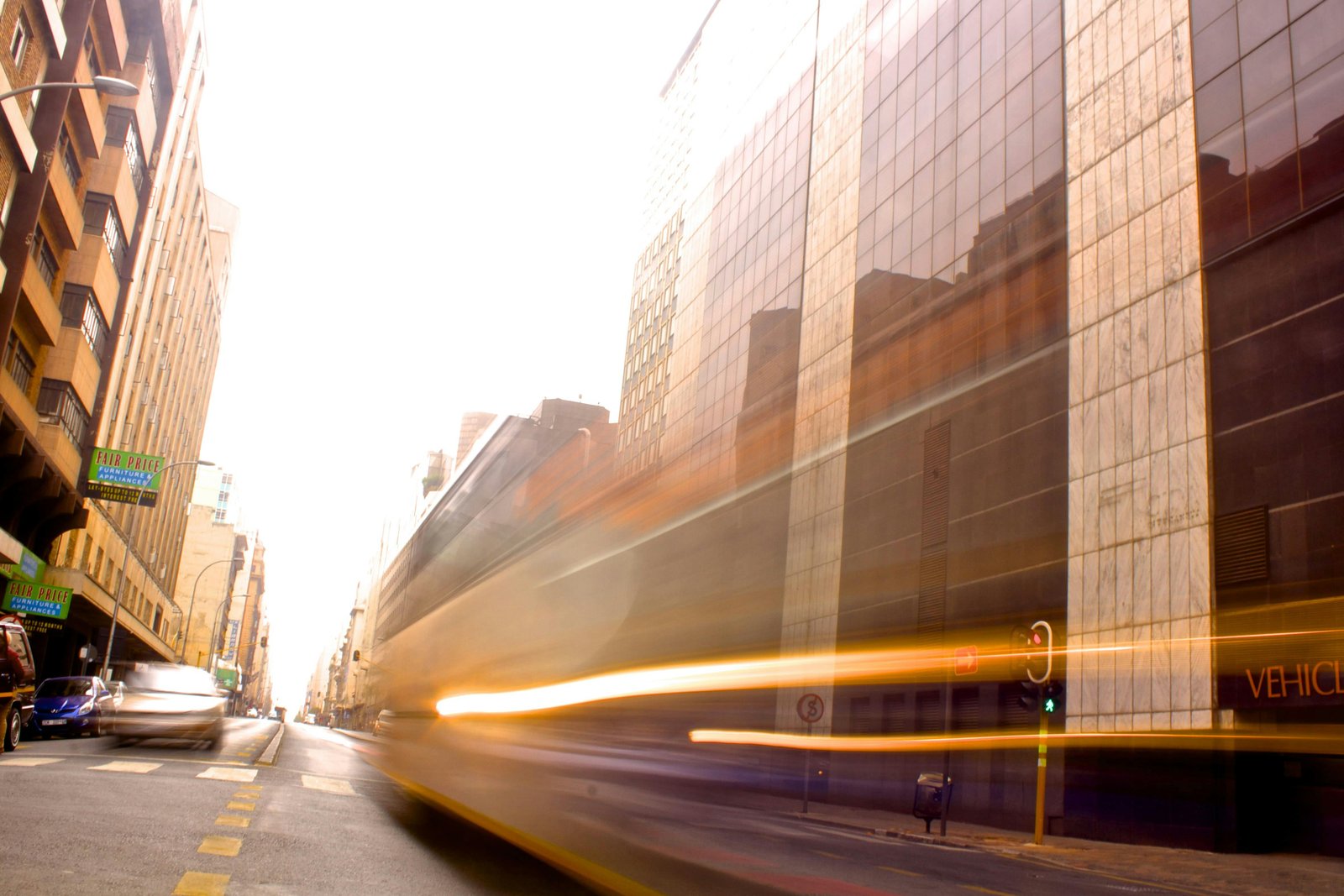
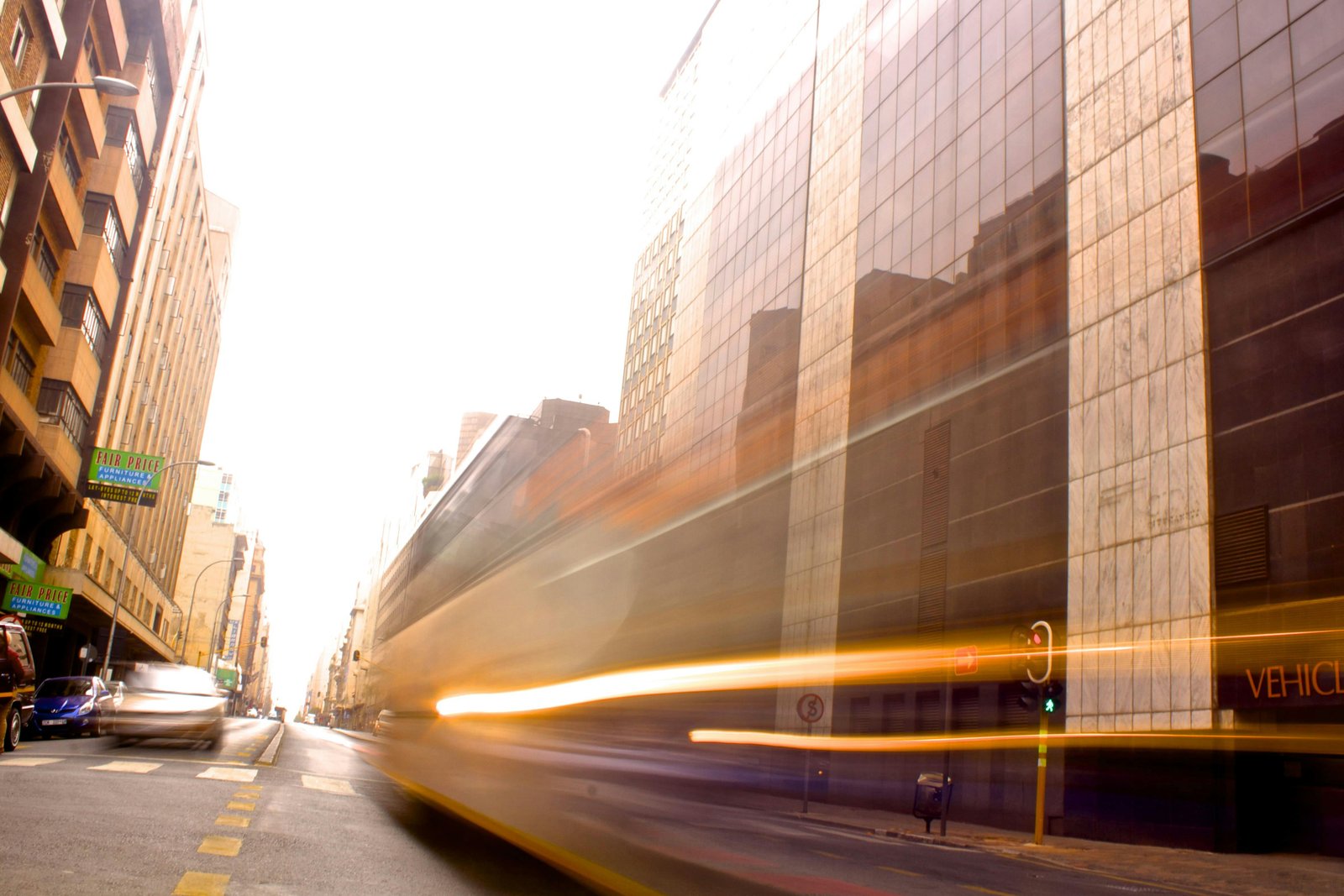
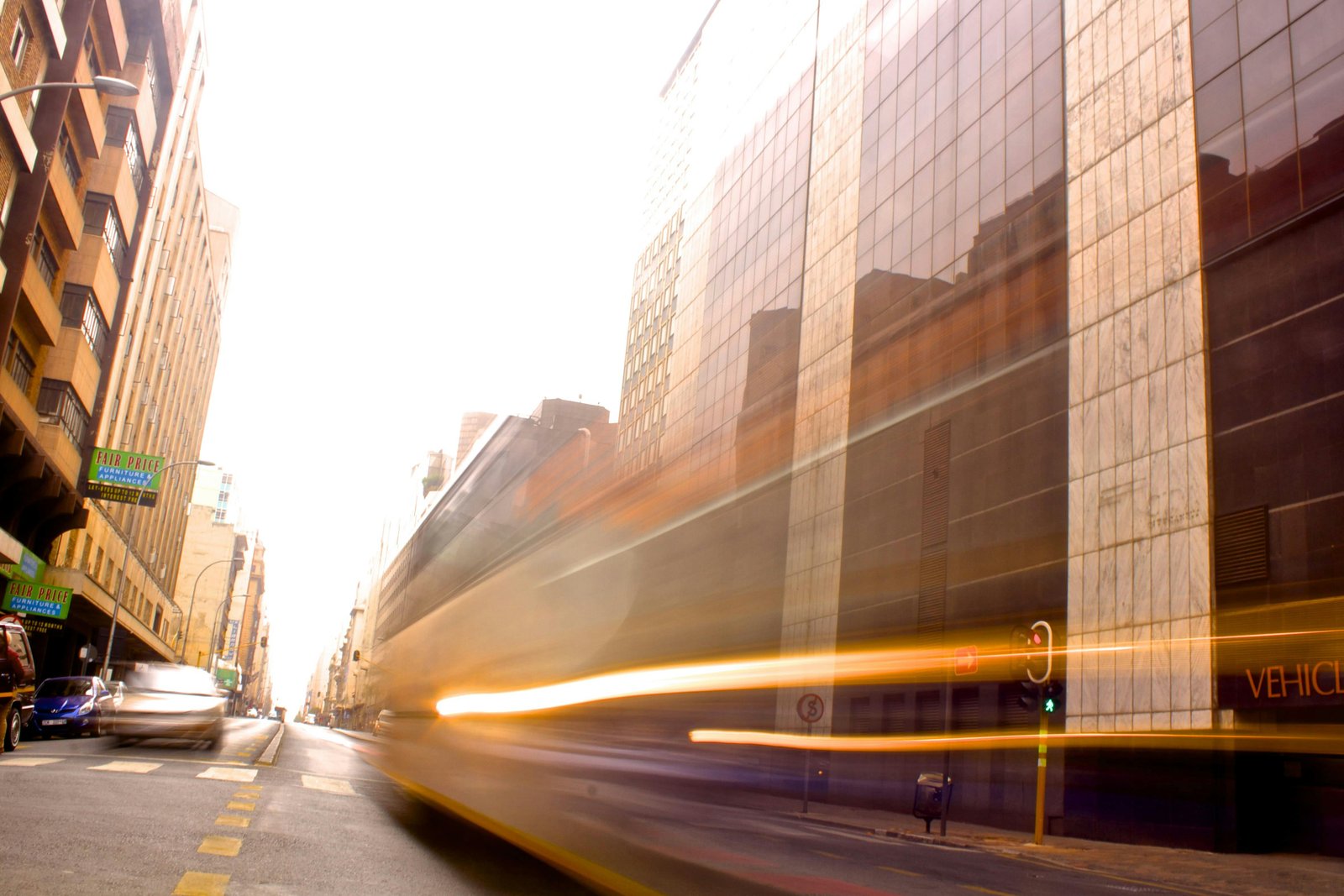
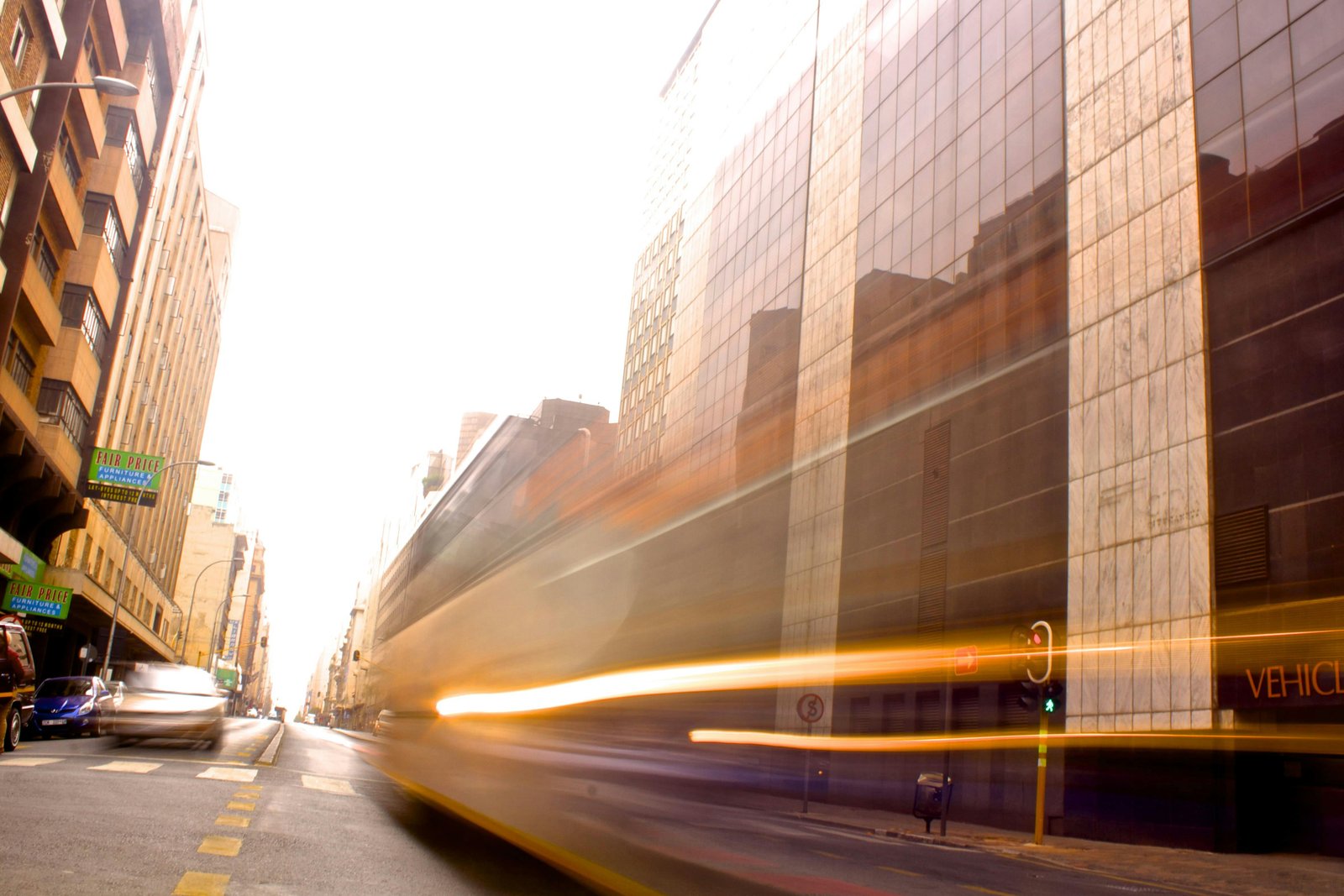
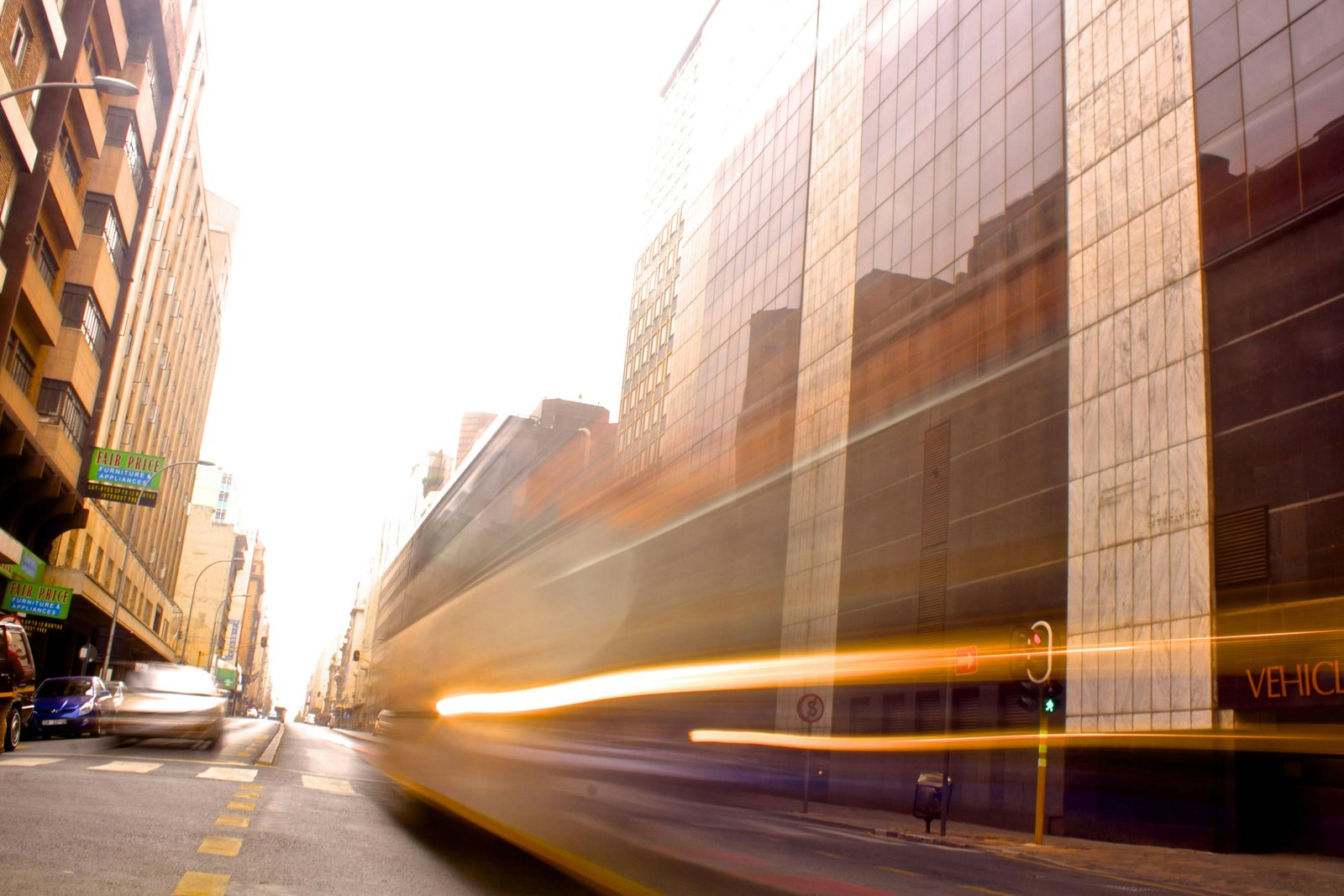
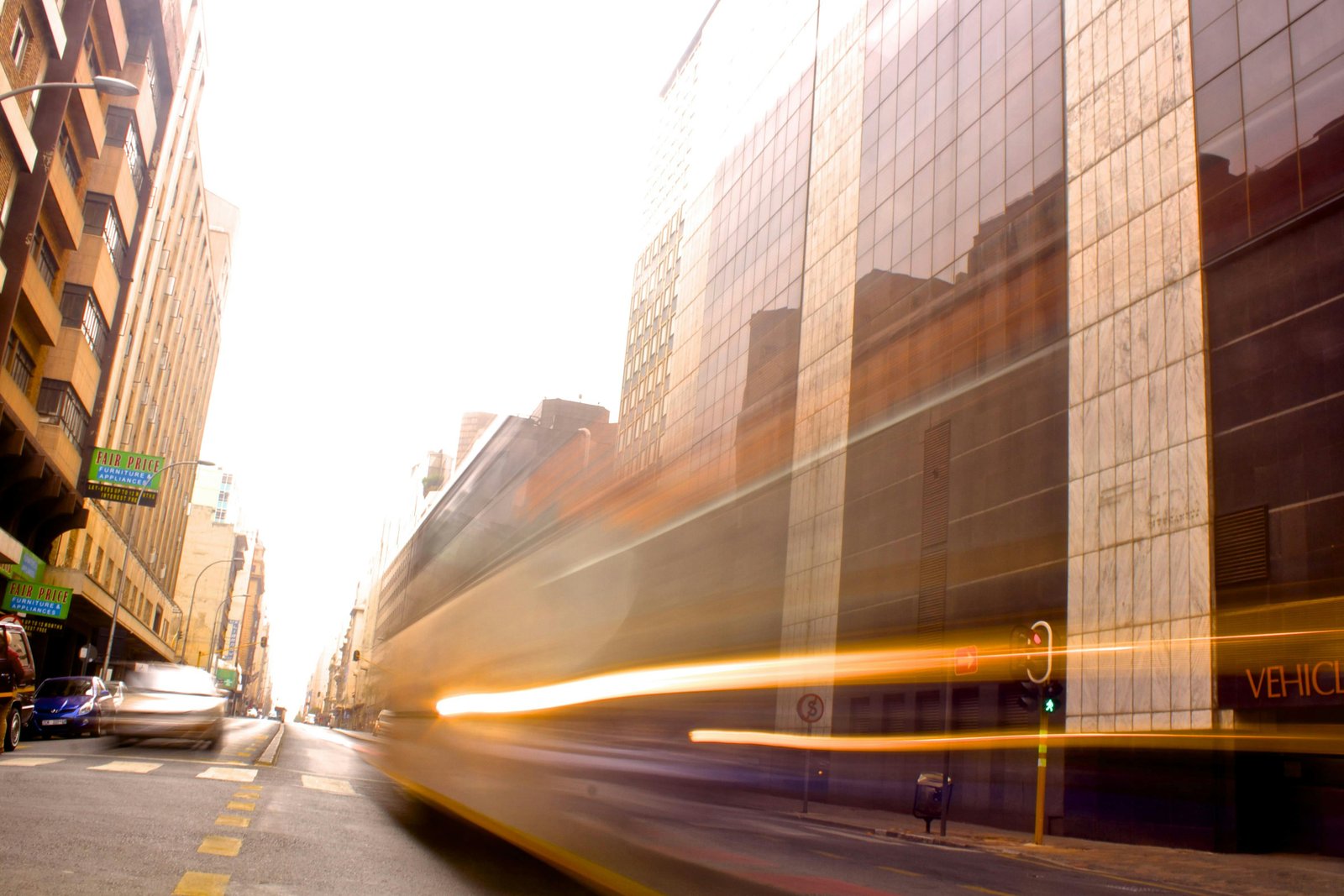
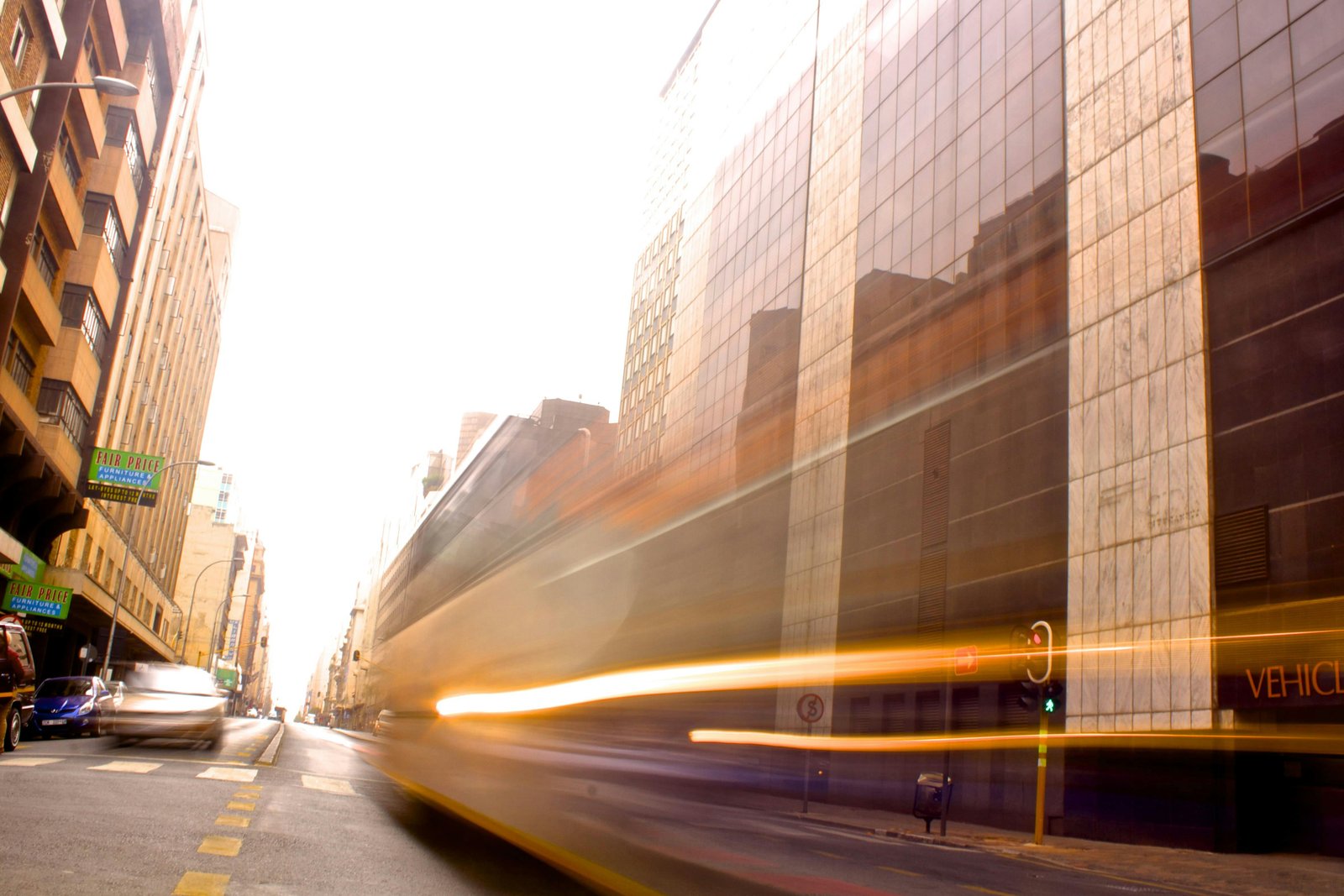
Johannesburg is the most populous city in South Africa. The City of Johannesburg itself has a population of 5,538,596, while the City of Johannesburg Metropolitan Municipality has a population of 6,599,190, making it one of the 100 largest urban areas in the world. Johannesburg is the provincial capital of Gauteng, the wealthiest province in South Africa, and seat of the country's highest court, the Constitutional Court. Situated on the mineral-rich Witwatersrand hills, the city has long been at the epicentre of the international mineral and gold trade. The richest city in Africa by GDP and private wealth, Johannesburg functions as the economic capital of South Africa and is home to the continent's largest stock exchange, the Johannesburg Stock Exchange.
- Population: 5,900,000+ (Metro Area)
- Area: 1,645 km²
- Currency: South African Rand (ZAR)
- Coordinates: Latitude: -26.204444885254, Longitude: 28.045555114746
- Timezone: Timezone info not available
- Current Local Time: ailab
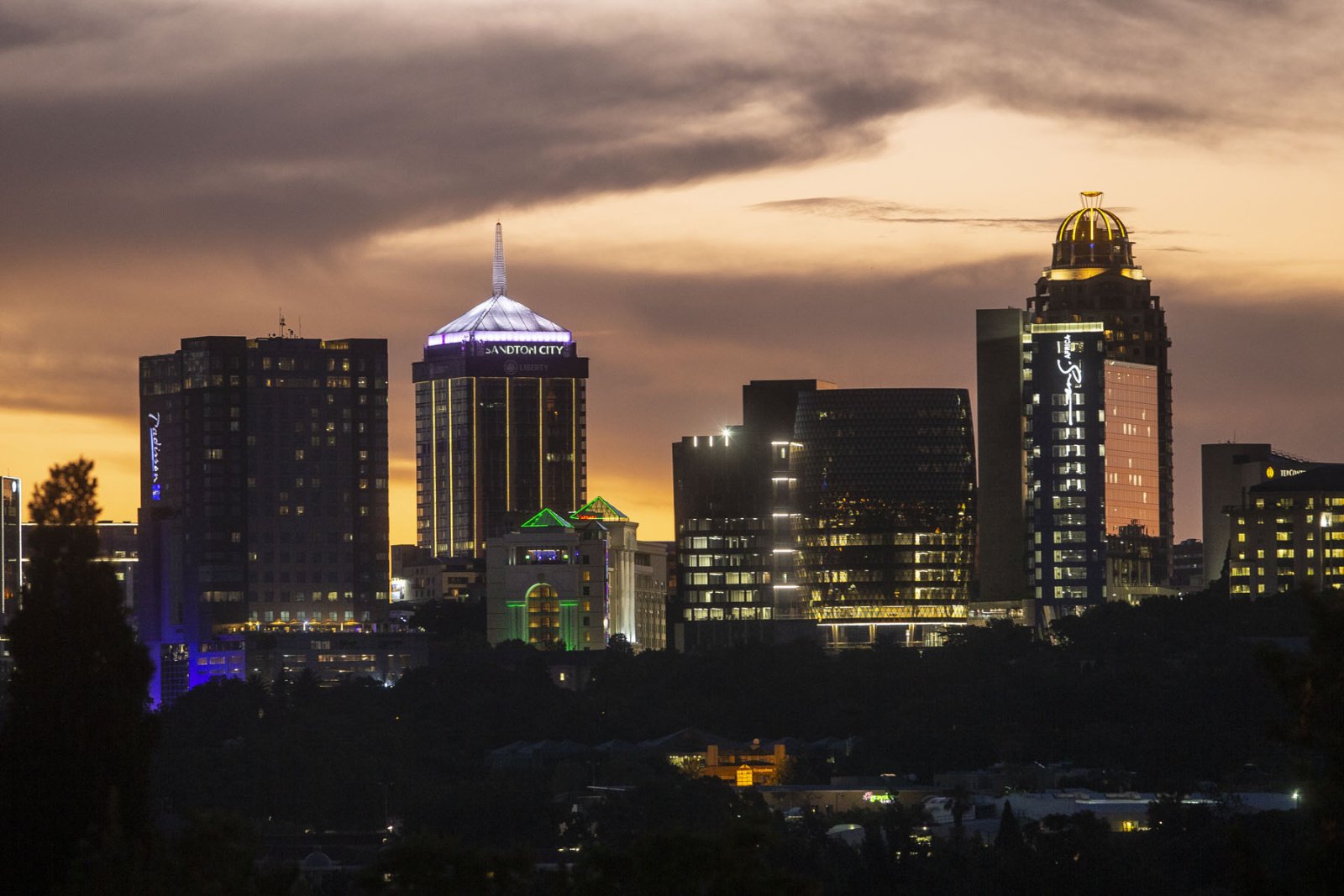
Sandton
Business towers, upscale malls, Nelson Mandela Square, and city nightlife.
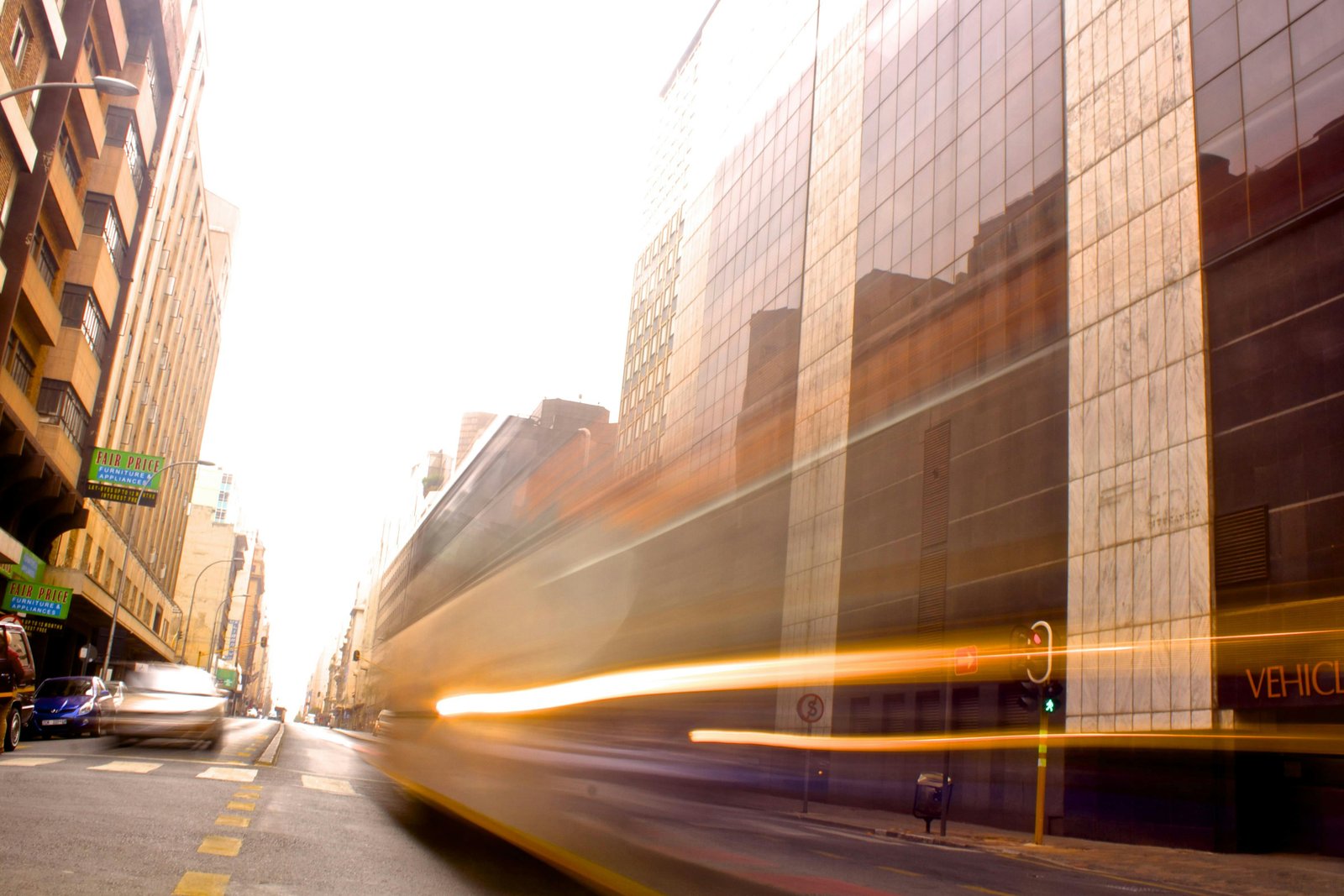
Johannesburg CBD
Downtown streets, Commissioner Street, Gandhi Square, and real urban life.
Soweto
Township streets, Maponya Mall, Protea North, and cultural walking tours.
Rosebank & Melrose Arch
Shopping areas, nightlife, and modern mixed-use districts.
Johannesburg Latest News
IOL
Retaking Towns Is Not the Same as Winning Tigray
Ethiopian federal forces now hold Mekelle and Adwa, and flights between Addis Ababa and the Tigrayan capital resumed on Sunday. The headline version suggests a quick federal success. The record of the past week is messier, and the 2020 war is a warning about what such victories are worth. The harder questions are who governs Tigray now, and whether Eritrea, once Addis Ababa's ally, is about to shape the outcome.
IOL
NPO director convicted after R700,000 Lottery Commission funds used to buy personal vehicle
A Northern Cape NPO director faces sentencing in December after being convicted of fraud and money laundering linked to R700,000 in National Lottery Commission funding allegedly diverted to buy a vehicle for personal use.
The Citizen
Here is how hot it will be in Gauteng this weekend
Gauteng residents can expect hot conditions this weekend, with temperatures reaching 34°C in Pretoria and a chance of showers and thundershowers in Johannesburg on Saturday, according to the South African Weather Service (Saws). Both cities are forecast to experience warm conditions on Sunday, with partly cloudy skies expected in Johannesburg and Pretoria. Pretoria weather forecast Pretoria is expected to reach a maximum temperature of 34°C on both Saturday and Sunday, with minimum temperatures of 22°C forecast for the two days. Saturday will start mostly clear, with skies becoming clear in the morning. Partly cloudy conditions are expected during the afternoon, followed by mostly clear skies in the evening. Temperatures will rise from 23°C in the early hours to 26°C at 8am, reaching 30°C by 2pm before easing slightly to 29°C at 8pm. The weather service forecasts no rainfall for Pretoria on Saturday, with a 0% chance of rain and no expected rainfall accumulation. On Sunday, temperatures are forecast to range between 22°C and 34°C. Mostly clear conditions are expected in the early hours, before skies become partly cloudy in the afternoon. The temperature is forecast to reach 29°C by 2pm, with winds from the north-north-east at 18.52km/h. Johannesburg weather forecast Johannesburg residents can expect slightly cooler conditions than Pretoria, although temperatures will remain warm. Saturday’s forecast indicates a minimum temperature of 20°C and a maximum of 32°C. The city will start with partly cloudy conditions before clear skies develop in the morning. However, the weather service forecasts showers and thundershowers during the afternoon, with a 30% chance of rain and an expected rainfall accumulation of 3mm. Temperatures are forecast to rise from 22°C at 2am to 24°C at 8am, reaching 28°C by 2pm before dropping to 27°C in the evening. The forecast indicates that conditions will clear again by Saturday evening, with mostly clear skies expected at 8pm. On Sunday, Johannesburg is expected to record temperatures between 20°C and 31°C. Partly cloudy conditions are forecast during the early hours and afternoon. Temperatures are expected to reach 27°C by 2pm, with no rainfall accumulation forecast. What to expect this weekend While both cities are expected to experience hot conditions, Johannesburg residents should be prepared for the possibility of afternoon showers and thundershowers on Saturday. Pretoria, meanwhile, is forecast to remain dry throughout the weekend, with temperatures reaching 34°C on both days. Johannesburg’s maximum temperature is expected to drop slightly from 32°C on Saturday to 31°C on Sunday, while Pretoria’s forecast maximum will remain unchanged at 34°C.
The Citizen
Giliomee starts at fullback for Bulls’ Champions Cup clash with Stade Francais
New Bulls recruit, Luan Giliomee, will play his first match for his new team since joining from the Sharks when the Pretoria-based side take on Stade Francais in a Champions Cup match at Loftus on Saturday. Giliomee will run out at fullback, with Handre Pollard also back in the side, at flyhalf. Flanker Elrigh Louw will captain the team. There are a number of changes to the side that ran out in the United Rugby Championship win against the Lions last weekend, with Sango Xamlashe getting a chance in midfield, while Jan-Hendrik Wessels will have a chance to show what he can do as the starting hooker. In all, there are six Springbok Test players in the starting XV with a further four on the bench, among them fit-again No 9 Embrose Papier. Among some of the players rested are Canan Moodie, Curwin Bosch and Hanro Liebenberg, who captained the side last week. The match on Saturday kicks off at 2pm. Bulls: Luan Giliomee, Sebastian de Klerk, Sango Xamlashe, Harold Vorster, Cheswill Jooste, Handre Pollard, Paul de Wet, Cameron Hanekom, Elrigh Louw (capt), Marco van Staden, JF van Heerden, Cobus Wiese, Khutha Mchunu, Jan-Hendrik Wessels, Alu Tshakweni. Bench: Johan Grobbelaar, Gerhard Steenekamp, Francois Klopper, Jaco Grobbelaar, Jeandre Rudolph, Embrose Papier, Stravino Jacobs, Willie le Roux
The South African
Gauteng weather: Brace for afternoon thundershowers on Saturday
Gauteng residents can expect warm to hot weather this weekend, with temperatures reaching the low to mid-30s in the areas covered by the forecast. Although afternoon thundershowers are to be expected in Johannesburg and Soweto. Gauteng weekend weather outlook: 17–18 October 2026 AreaSaturdaySundaySowetoPartly cloudy with afternoon thundershowers20–32°CPartly cloudy20-31°CJohannesburgPartly cloudy with afternoon thundershowers20-32°CPartly cloudy20–31°CPretoriaPartly cloudy22–34°CPartly cloudy22–34°C SOWETO In Soweto the temperatures will be a minimum 20 degrees Celsius and a maximum of 32 degrees Celsius on Saturday. The day will start partly cloudy with showers and afternoon thundershowers expected. The forecast shows a 30% chance of rain, with approximately 3mm expected. Sunday its starting off with clear skies, becoming partly cloudy later in the day. The temperatures will be a minimum of 20 degrees celsius and a maximum of 31 degrees celsius. JOHANNESBURG In Johannesburg, the day will start partly cloudy with showers and thundershowers expected later in the day, with temperatures ranging between 20degrees Celsius and 32degrees Celsius. The forecast shows no rainfall and a 0% chance of rain. Northerly to north-north-easterly winds will blow at approximately 9 to 19 km/h. PRETORIA Pretoria will experience the hottest conditions among the three areas in the supplied forecast, with temperatures reaching 34°C on Sunday after a minimum of 22°C. Mostly clear skies will give way to some cloud during the day. The forecast indicates no rainfall. Planning outdoor activities this weekend in Gauteng? Sunday looks suitable for outdoor activities in all the cities, although temperatures will climb as the day progresses so sunshine would come in handy. Anyone planning to spend Saturday afternoon outdoors should keep an eye on the forecast because thundershowers remain possible in Johannesburg and Soweto. Do you have any plans for the weekend in Gauteng?
The South African
’13th cheque please’: SASSA grant recipients share their Christmas wish list
With Christmas just over two months away, South African Social Security Agency (SASSA) grant recipients are already thinking about how they will afford the festive season. On The South African’s Facebook page, grant recipients shared what they would like from the government before the end of the year. Their wishes ranged from a once-off bonus to a simple food parcel. Calls for a 13th cheque Shireen Clur kept her request short and polite. “We would love a 13th cheque please,” she wrote. The idea of a 13th cheque, an extra payment at the end of the year, is common among employed South Africans. Many grant recipients feel older persons and other vulnerable groups deserve the same consideration, especially when December expenses pile up. Her comment reflects a growing feeling among pensioners that the monthly grant leaves little room for festive extras such as gifts, travel to see family, or a special Christmas meal. R5 000 before Christmas Esta Claasen went further, naming a specific amount. “We want R5 000 before Christmas,” she wrote. For pensioners who support grandchildren or other family members, December often brings extra mouths to feed and school costs for the new year just around the corner. The R5 000 figure appears repeatedly in conversations about grants, with many South Africans arguing that it is closer to what a person needs to live with dignity each month. Groceries for the festive season Not everyone asked for cash. Lenie Jacobs made a more modest request in Afrikaans. “Gee ons ou mense.. net kruideniers v kersfees..asb,” she wrote, which translates to: “Give us old people just groceries for Christmas, please.” Her comment highlights how basic the needs of many older persons have become. Rather than a holiday or presents, she wants enough food on the table for the festive period. SASSA has not announced any additional Christmas payment for 2026. Grant recipients will continue to receive their regular monthly payments according to the official schedule. Win R2 000 in the South African SASSA grant survey If you receive a SASSA grant and want to share your story, we want to hear from you. Take part in our survey and stand a chance to win R2 000. Your responses help us tell the stories that matter.
TechCentral
Why cybersecurity is now a national security issue for South Africa
Cybersecurity has moved from a technical matter to a question of national security, writes DCDT's director-general.
TechCentral
Armoured cars and cyber cover: the new executive perks in South Africa
Median pay for CEOs of the JSE's 200 largest companies rose to R23.2-million as bonuses jumped 42%.