General Information
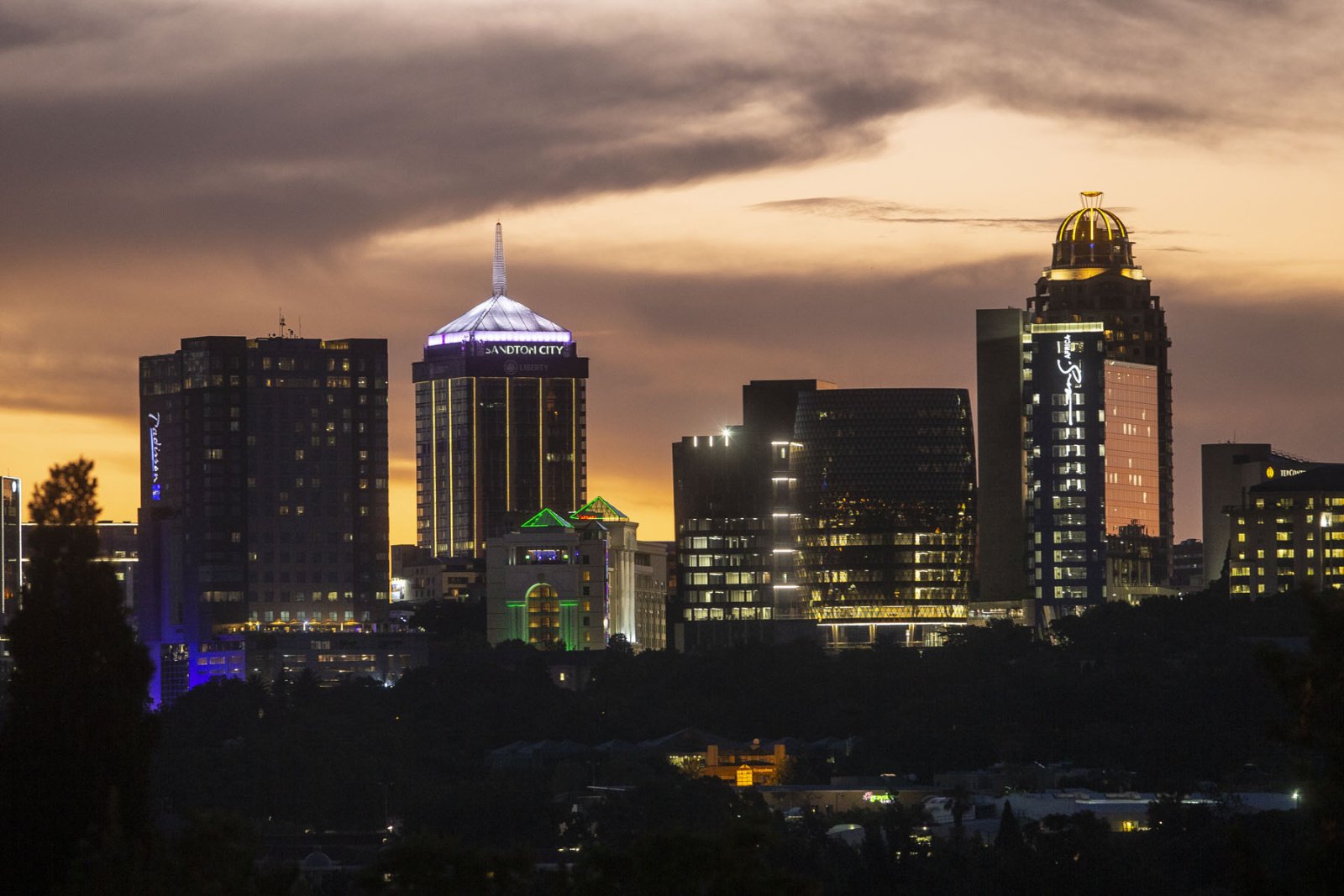
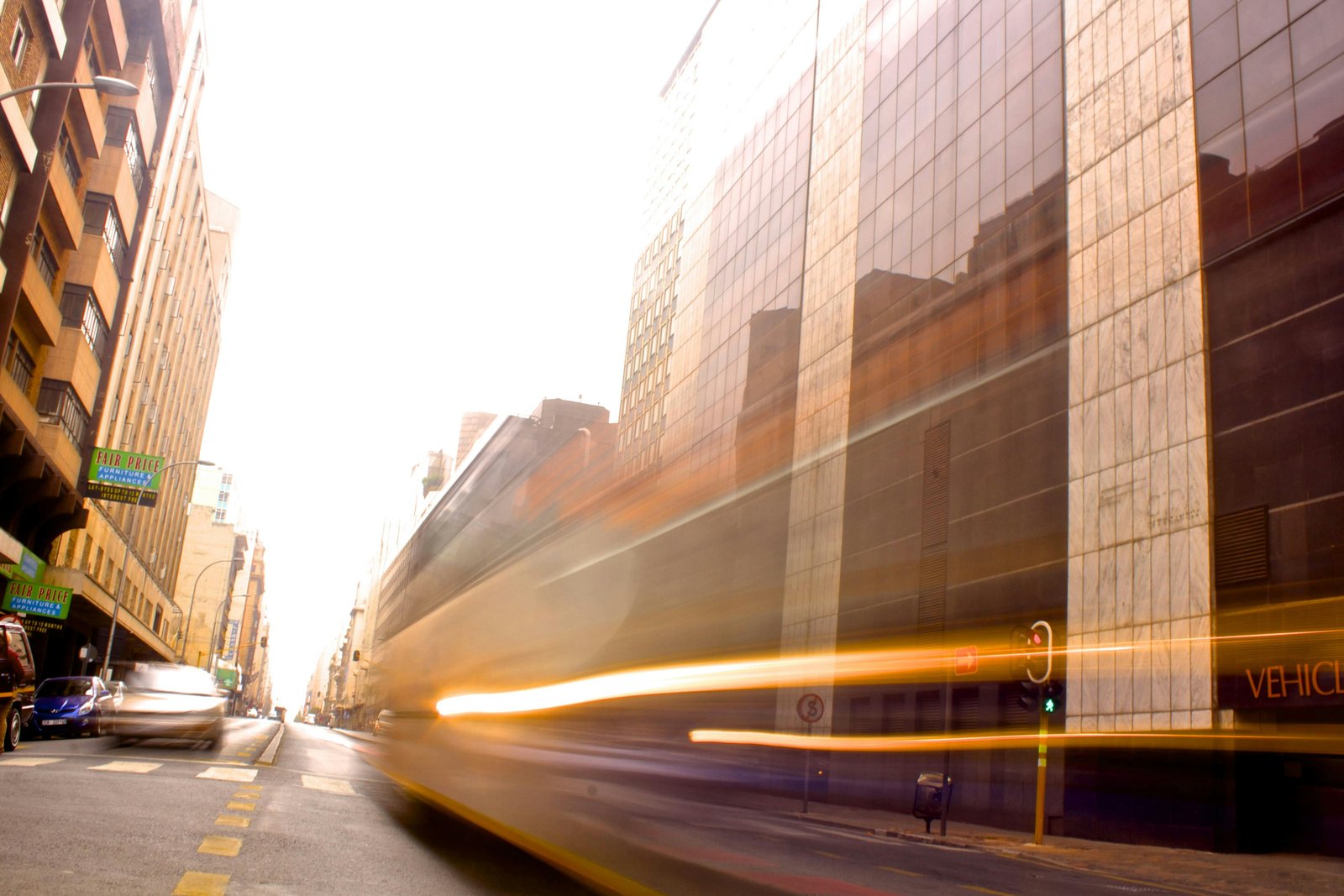
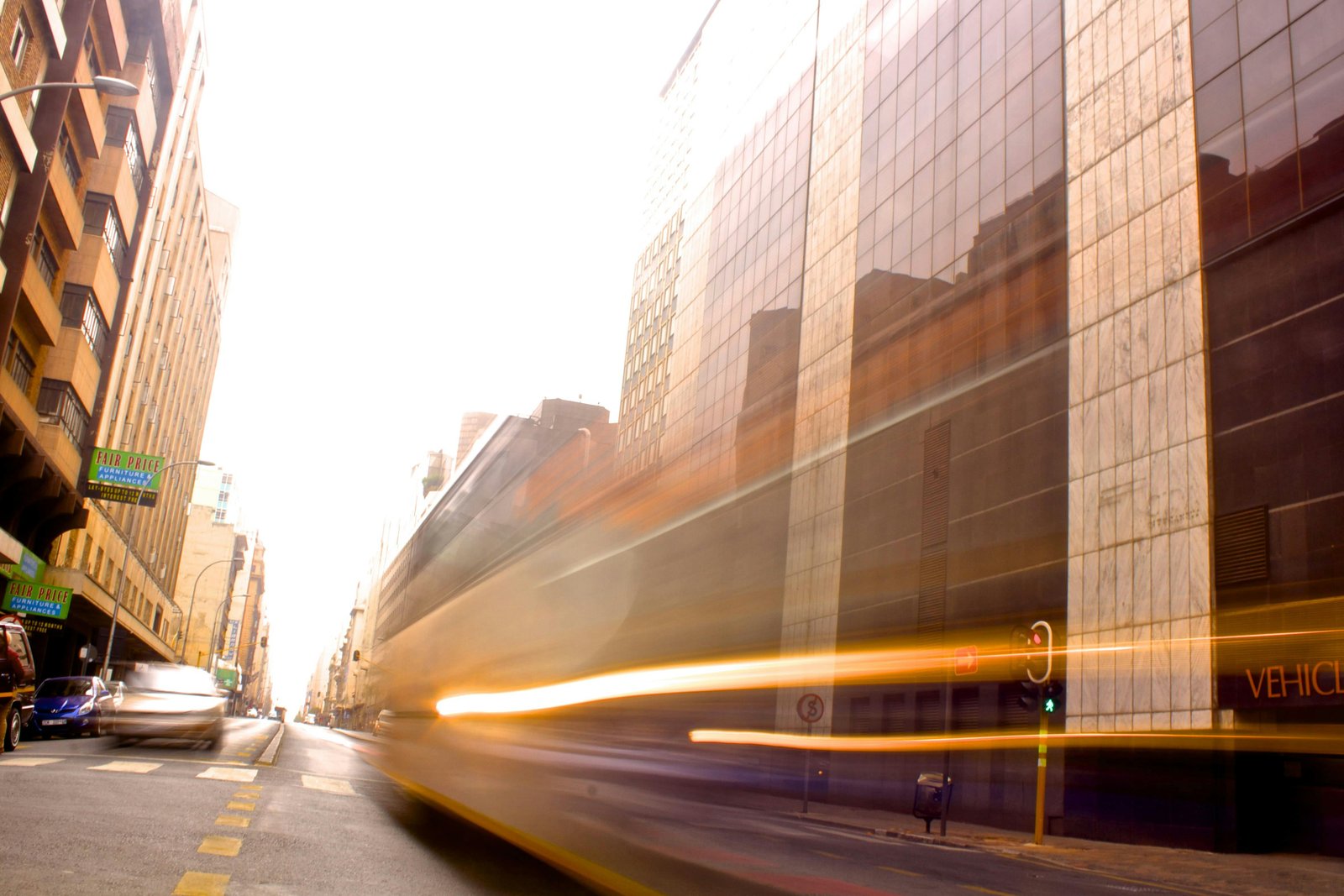
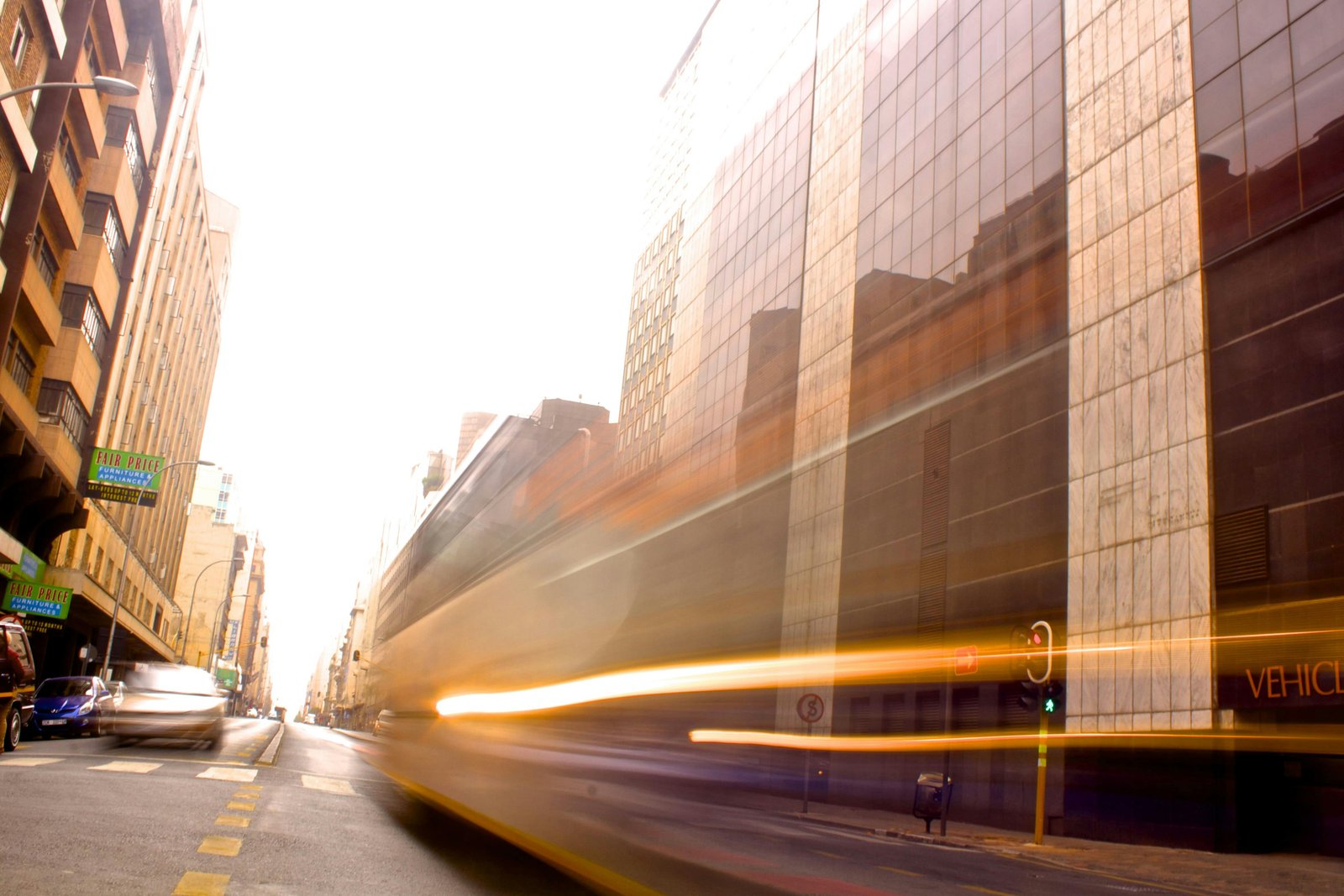
Johannesburg is the most populous city in South Africa. The City of Johannesburg itself has a population of 5,538,596, while the City of Johannesburg Metropolitan Municipality has a population of 6,599,190, making it one of the 100 largest urban areas in the world. Johannesburg is the provincial capital of Gauteng, the wealthiest province in South Africa, and seat of the country's highest court, the Constitutional Court. Situated on the mineral-rich Witwatersrand hills, the city has long been at the epicentre of the international mineral and gold trade. The richest city in Africa by GDP and private wealth, Johannesburg functions as the economic capital of South Africa and is home to the continent's largest stock exchange, the Johannesburg Stock Exchange.
- Population: 5,900,000+ (Metro Area)
- Area: 1,645 km²
- Currency: South African Rand (ZAR)
- Coordinates: Latitude: -26.204444885254, Longitude: 28.045555114746
- Timezone: Timezone info not available
- Current Local Time: ailab
Sandton
Business towers, upscale malls, Nelson Mandela Square, and city nightlife.
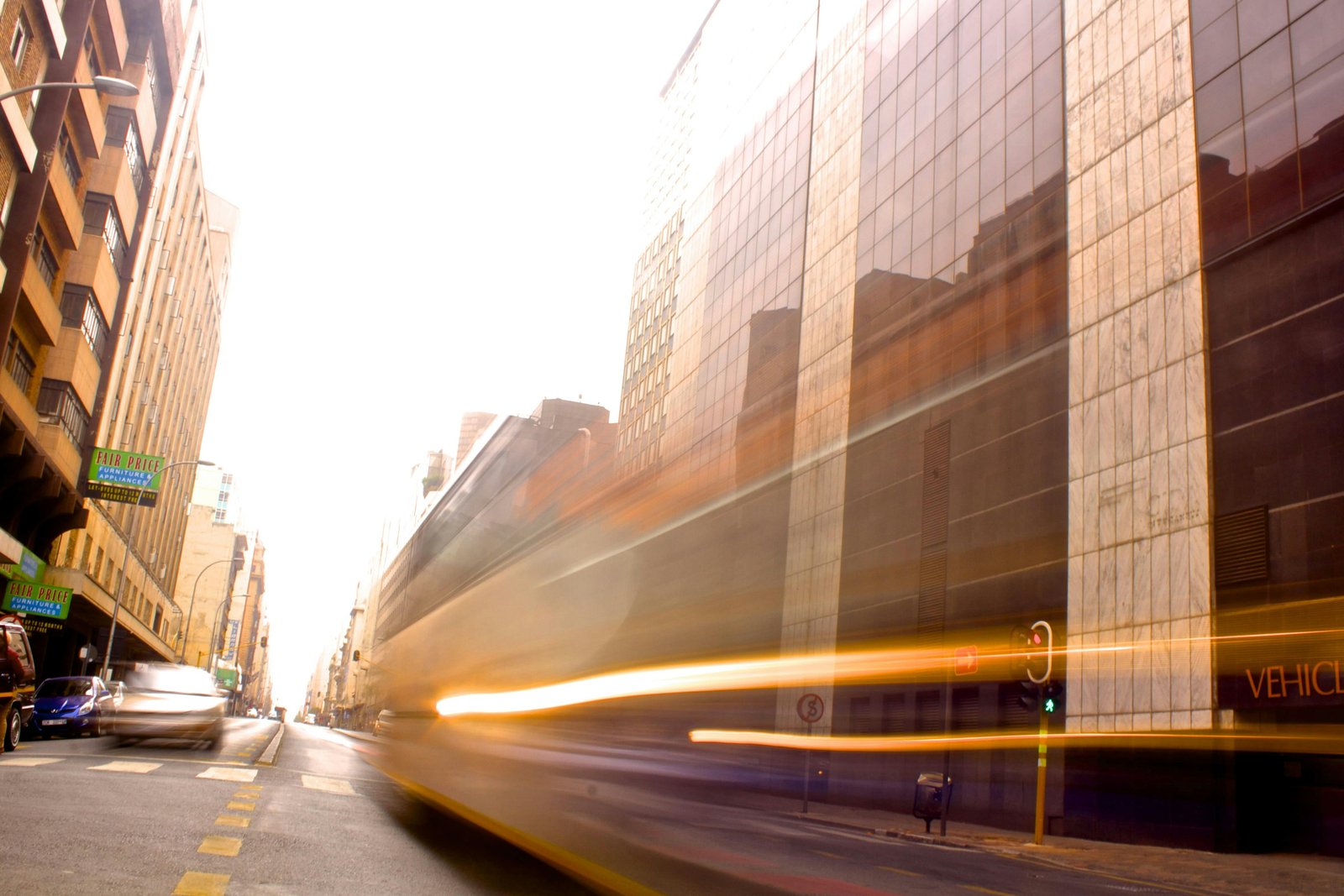
Johannesburg CBD
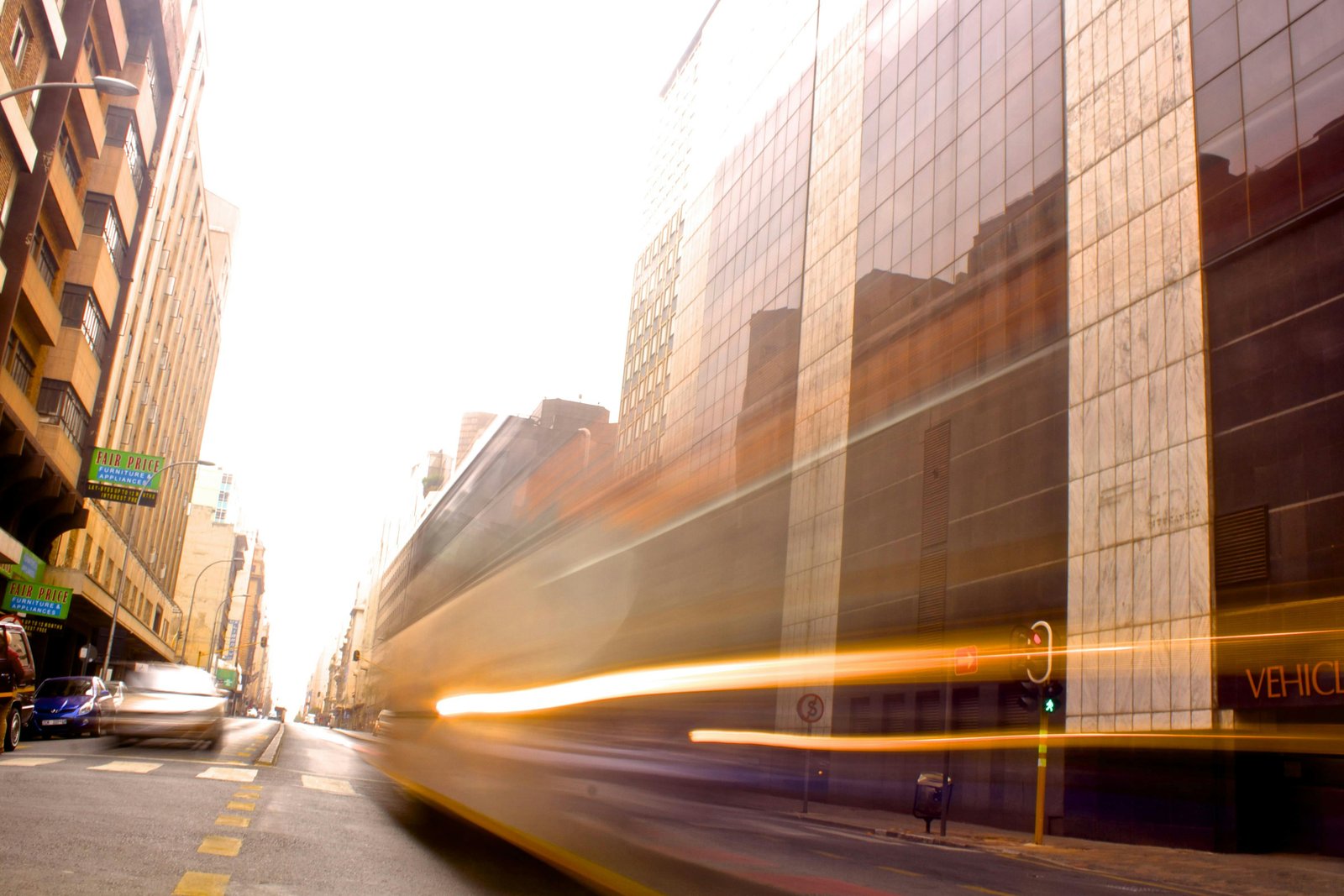
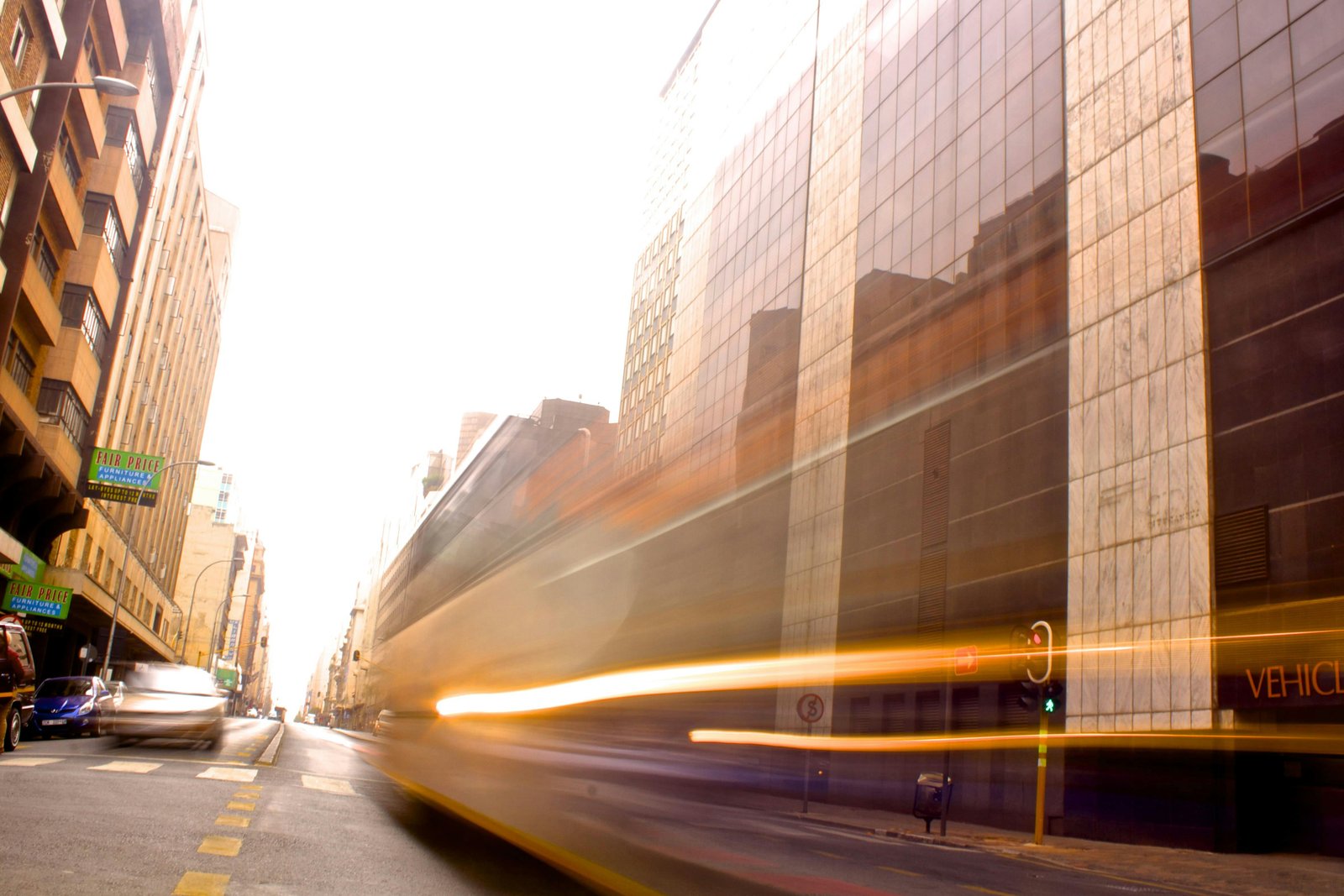
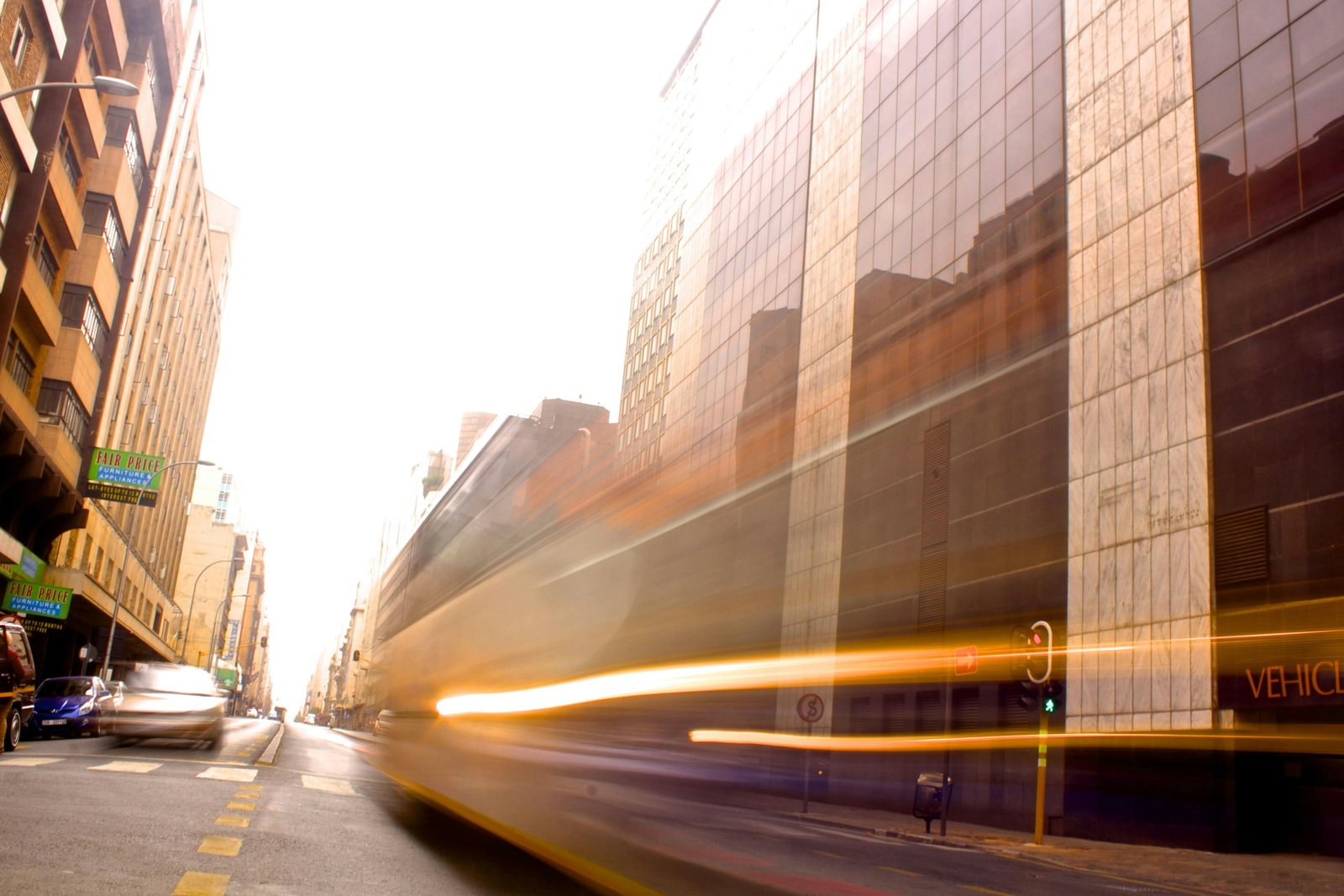
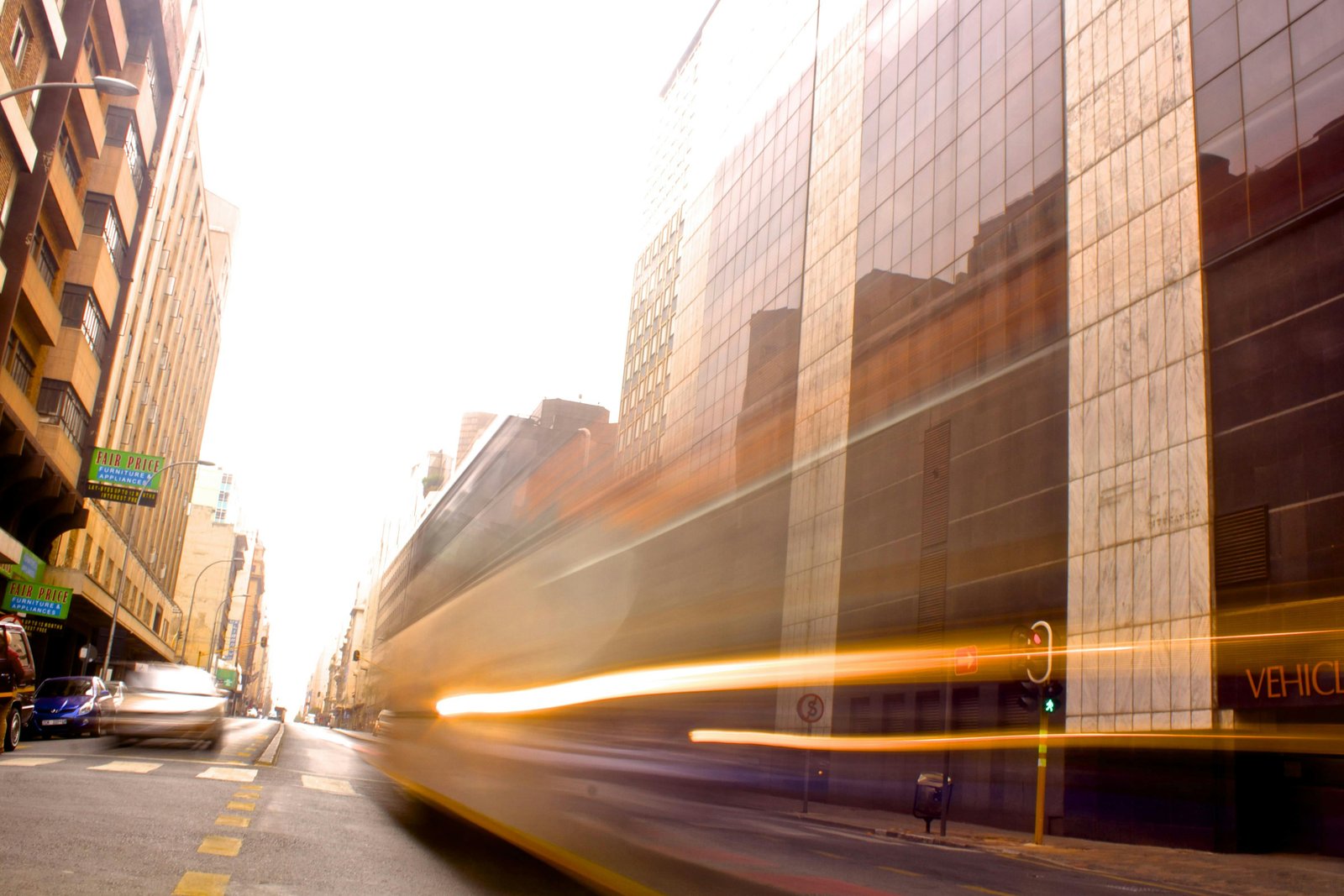
Downtown streets, Commissioner Street, Gandhi Square, and real urban life.
Soweto
Township streets, Maponya Mall, Protea North, and cultural walking tours.
Rosebank & Melrose Arch
Shopping areas, nightlife, and modern mixed-use districts.
Johannesburg Latest News
IOL
Durban man jailed for fraud after buying Porsche and Golf 7 R-Line for his bosses
A Durban man has been sentenced to five years in prison after pleading guilty to two vehicle-finance fraud charges involving a Porsche Cayenne and a Volkswagen Golf. The Porsche remains missing, while the Golf was recovered in February.
IOL
IEC receives more than 700 complaints over election disinformation ahead of polls
The IEC has partnered with Google, Meta, Microsoft, TikTok and Moxii Africa to counter disinformation and protect the integrity of election information.
The Citizen
SABC 2’s Afrikaans telenovela ‘Paradys’ to end after one season
SABC 2’s Afrikaans telenovela Paradys is coming to an end next year. According to the South African Broadcasting Corporation (SABC), the telenovela will conclude in February 2027 with its 260th episode. Paradys premiered on 23 February 2026 as part of SABC 2’s new programming schedule. It follows a multi-generational family and explores themes of belonging, legacy and a once-promised “Coloured paradise” that never materialised. ‘Paradys’ fails to meet audience and revenue targets According to the public broadcaster, Paradys averaged about 275 000 viewers per episode between its launch and 9 October 2026. It recorded an audience rating of 0.71% and an audience share of 2.2% in its 7pm timeslot. The broadcaster said the programme did not meet its audience and revenue targets, prompting the decision not to renew it for a second season. “Every programme we commission is given a full season to find its audience. As that season draws to a close, it is reviewed against two measures: the audience it attracts and the revenue it generates for the channel. “Those results decide whether a show returns and where we invest next. This is how renewal decisions are made across the broadcasting industry, and it is how we make sure public and commercial resources go into content South Africans choose to watch,” the SABC said in a statement on Monday. Paradys will continue to air on SABC 2 from Monday to Friday at 19:00 until its conclusion in February 2027. View this post on Instagram A post shared by Paradys Official (@paradys_sabc2)
The Citizen
Raw sewage returns to Boipatong days after emergency repairs
Raw sewage has returned to residents’ properties in Boipatong, days after contractors intervened to reroute a blocked sewer pipeline, raising fresh questions about the effectiveness of emergency measures and accountability for the long-running sanitation crisis. Modise Molefe, president of the Reliable Environmental Protection & Care Agency, has accused national government of relying on temporary interventions, instead of addressing the engineering failures behind the recurring sewage spills. Raw sewage returned in Boipatong days after contractors intervened However, according to Deputy Minister of Water and Sanitation Jack Bloom, the crisis stems from years of mismanagement at the Gauteng’s Emfuleni local municipality. He added a proposed special purpose vehicle (SPV) offers the best hope of rehabilitating the area’s failing water and sanitation infrastructure. “The SPV is being set up because of the failure of the Section 63 intervention. I really feel for residents who suffer from endless sewage spills and water cuts. The whole sewage system needs to be rehabilitated which will, unfortunately, take time,” he said. Bloom said he was doing his best to ensure the SPV is launched successfully. He said “they need to take over the Emfuleni workers and rapidly hire more skilled staff as there is a 70% vacancy rate in the Emfuleni water and sanitation department”. More than 1000 active water leaks, 33 critical sewage pipe breakdowns “This is why there is a huge backlog of more than 1 000 active water leaks and 33 critical sewage pipe breakdowns,” said Bloom. He added the SPV was the best hope to modernise the sewage and water infrastructure, eliminate leaks and spills and restore the Vaal River for recreation, tourism, and job creation. The latest relapse has reignited the dispute over who is responsible for resolving the crisis in Boipatong, where residents have repeatedly complained about raw sewage entering their homes and streets. Molefe said the latest intervention had failed to address what he described as a fundamental mismatch between the volume of wastewater entering the system and the capacity of the residential sewer network. Molefe added a high volume wastewater flow originating from Cape Gate had been diverted into a fragile 110mm residential pipeline, triggering hydraulic pressure and causing sewage to erupt at the home of a resident, Masetumo Marago. Resident’s home flooded with raw sewage for about two years The Citizen has reported how Marago’s home has been flooded with raw sewage for about two years and that she was diagnosed with bronchitis linked to prolonged exposure to sewage odours. Molefe said the recurring failures required a comprehensive engineering overhaul rather than isolated emergency responses, adding political deadlines and the looming 4 November elections would not change the physical limitations of an overloaded sewer system. “The buck stops entirely with the [department],” he said. He added national government could not assume responsibility for the intervention and then shift accountability back to municipal officials when it failed. Bloom rejected Molefe’s assertion that he was directly responsible for the latest sewage relapse, saying he had been trying to assist residents since his appointment in July. Bloom trying to assist residents “I am not directly responsible in this matter but I have been trying to get involved in a positive way since I was appointed in July this year,” said Bloom. He added Emfuleni had a backlog of more than 1 000 active water leaks and 33 critical sewage pipe breakdowns. He said the scale of the infrastructure crisis was reflected in a 70% vacancy rate in Emfuleni’s water and sanitation department. But Molefe said national government must take responsibility as the intervention in Emfuleni places the national department of water and sanitation at the centre of efforts to resolve the crisis. He said the department appointed Rand Water as the implementing agent and therefore cannot distance itself from the results.
The South African
19 Johannesburg areas to face power outage
Approximately 19 Johannesburg areas will experience a power outage for eight hours on Thursday and on Friday this week. City Power Johannesburg announced in a statement on X that the outage was intended to improve the utility’s electricity network. “Planned maintenance is critical in ensuring that ageing infrastructure is serviced, faulty equipment is identified and replaced,” read the statement. POWER OUTAGE AFFECTS 19 AREAS The outage will first occur on Thursday, 22 October 2026 from 9:00 to 17:00 in these areas: Dimension Data Eileen Road Main Road Logan Road Ebury Road Post Office Epsom Downs Checkers Elgin Drive Norman On Friday, 23 October 2026, the power outage will also occur from 9:00 to 17:00 on the listed areas below: Windsor East Windsor West Cresta Mall Cresta Windsor Glen Aldara Park Rand Park Robindale Robin Hills Ferndale FINAL ELECTRICITY REPAIRS UNDERWAY IN PARTS OF JOHANNESBURG Electricity repairs are currently underway in parts of Johannesburg after having an outage for the past week. A fire at Central Substation, which supplies power to the area, was compounded by an explosion on Wednesday, 14 October 2026 during an attempt to restore electricity. “The incident caused further damage to critical electrical equipment, requiring extensive repairs and replacement work.” City Power said the transformer is undergoing functional testing while means of installing the connections to the electricity cable are being made.
The South African
‘What did she do’? Fans speculate why Tracy Hlophe MUST apologise
In an episode of Life with Felix that aired on 18 October 2026, fans speculated about why reality TV star and entrepreneur Tracy Hlophe was expected to apologise after her in-laws hinted that her past actions were unsavoury. FANS SPECULATE WHY TRACY HLOPHE MUST APOLOGISE When Nozipho Hlophe, Felix’s older sister, visited him at home, he opened up about the state of his marriage to Tracy. He revealed that they were co-parenting since they were living apart and admitted he was lonely because of the distance between them. The Gagasi FM breakfast host then lifted the lid on a deeper family issue: his two older siblings, Bhabha and Lulu, still haven’t forgiven Tracy for her past actions and would only reconcile with her after she apologised. In an effort to move the family forward, Nozipho then heads to Lulu’s home to hear her side of the story. Lulu explains that after speaking to their older brother, Bhabha, about Tracy wanting to take accountability for her actions, he suggested that they carry out a traditional ceremony where she could formally apologise to the Hlophe family, including their ancestors. It was at this point that viewers started wondering what Tracy had actually done to warrant a whole traditional ceremony. One theory that dominated X (formerly Twitter) was that Tracy may have cheated on Felix, especially after he hinted that the infidelity that she spoke about in Season 1 has been wrongly perceived as having come from him side. Everyone has an opinion when it comes to Tracy bandla. 😅 Catch #LifeWithFelixMzansi this Sunday, 11 October, at 19:00. #DStvExpectMore Mzansi Magic (@Mzansimagic) October 17, 2026 FANS THROW IN THEIR TWO CENTS @MandisaM: What did she do? We need all the details, names, date of the incident, etc. @_BafanaMthembu: What is Tracy apologising for, kanti ? I’m so lost in this show. @Ndzala_: Family ka Felix is so judgmental considering how many times he has cheated and embarrassed Tracy. Now they want to judge Tracy as though she wasn’t just retaliating. @xhosathreads: Why are they speaking in riddles?? I need them to tell all about what’s going with their full chest. @Kgadi_Trix: Can they stop speaking in codes and just give us clear information? Talk to us. We don’t live with you guys 24/7. Why must we be confused on every episode?
TechCentral
Reserve Bank’s ATM plan meets a wall of polite silence
The Reserve Bank wants every ATM unbranded and shared. Banks say they're working with it but won't discuss detail.
TechCentral
Most of Datatec’s R7-billion payout was taken in shares, not cash
Datatec shareholders took two-thirds of a R7.05-billion special dividend in new shares instead of cash.