General Information
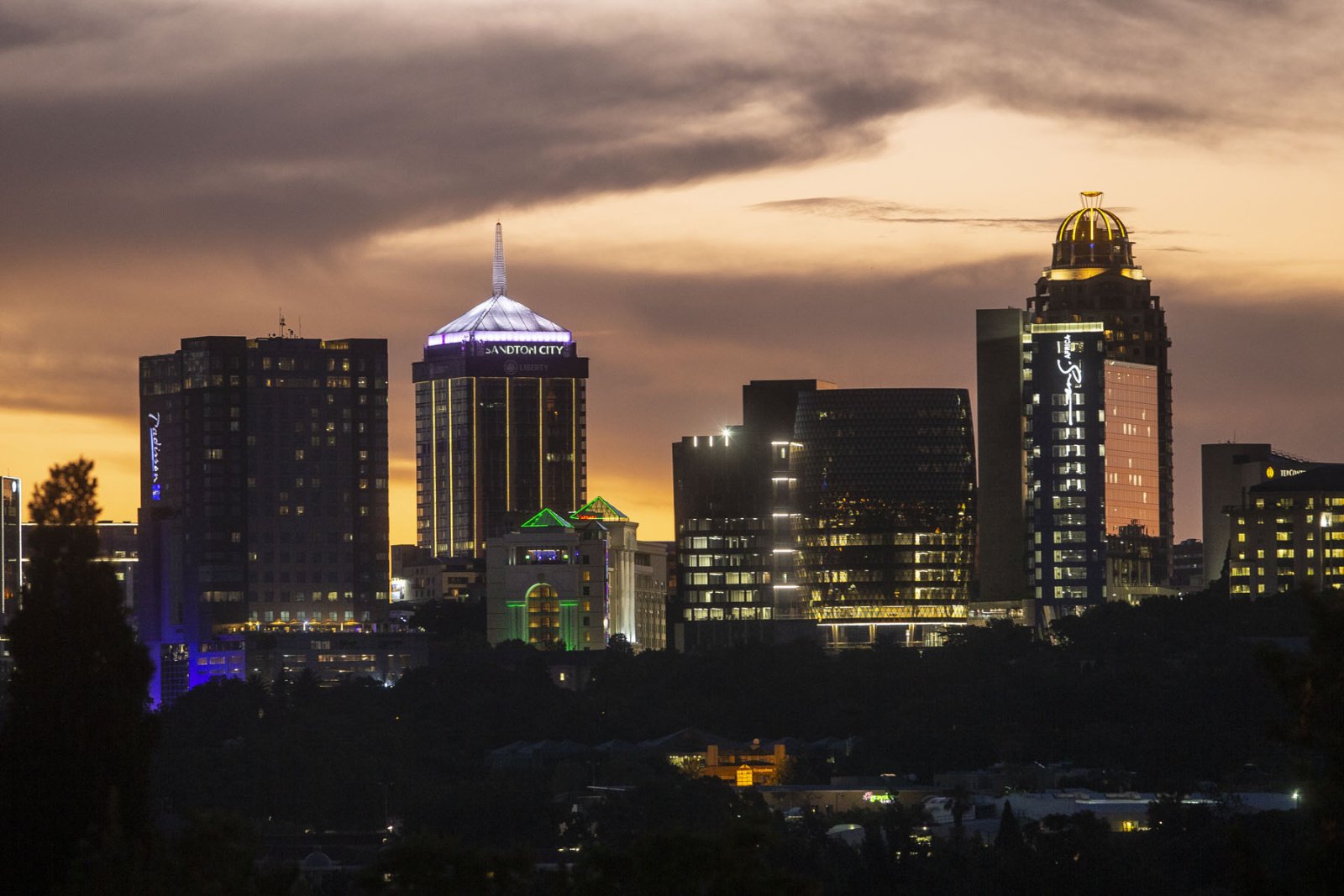
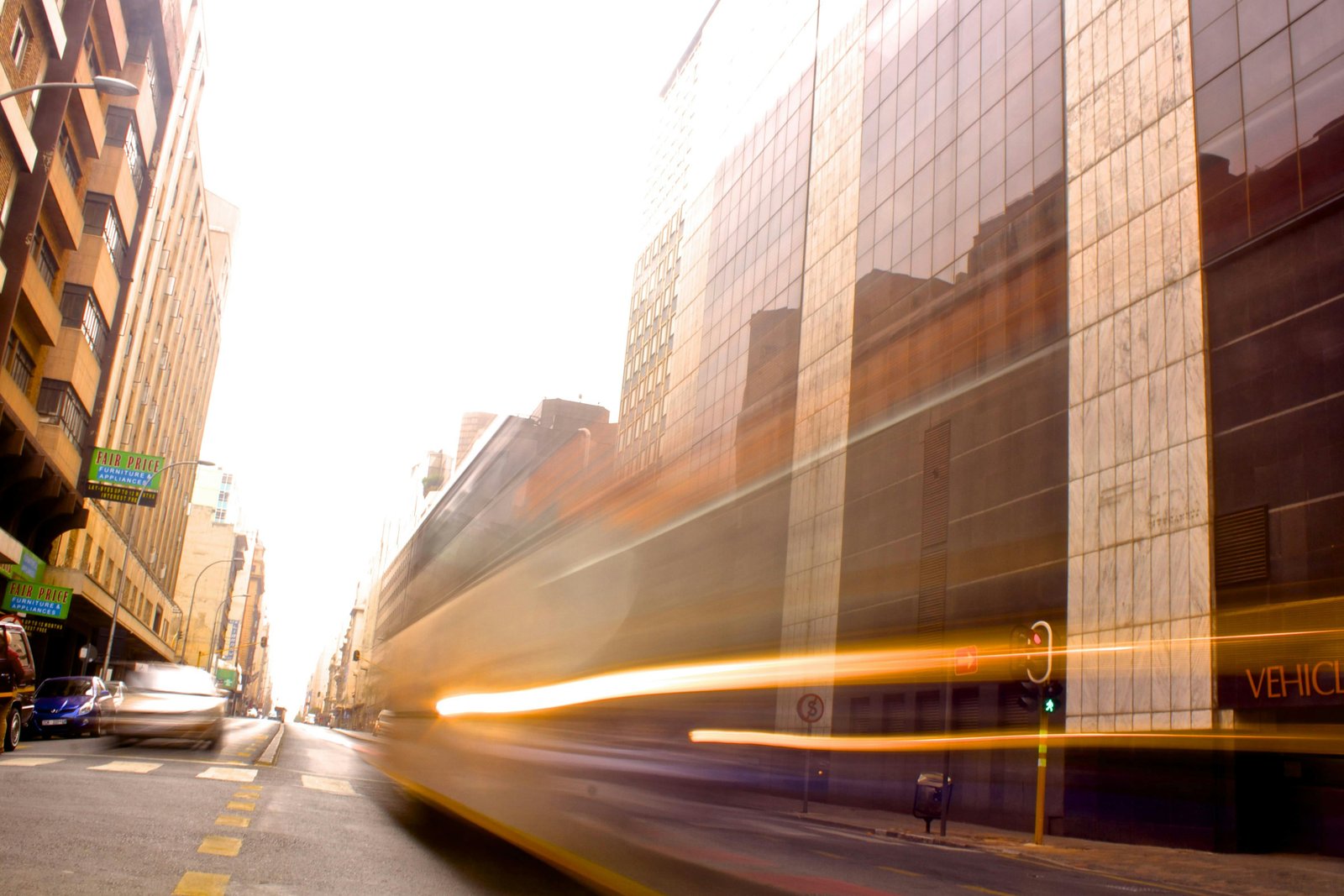
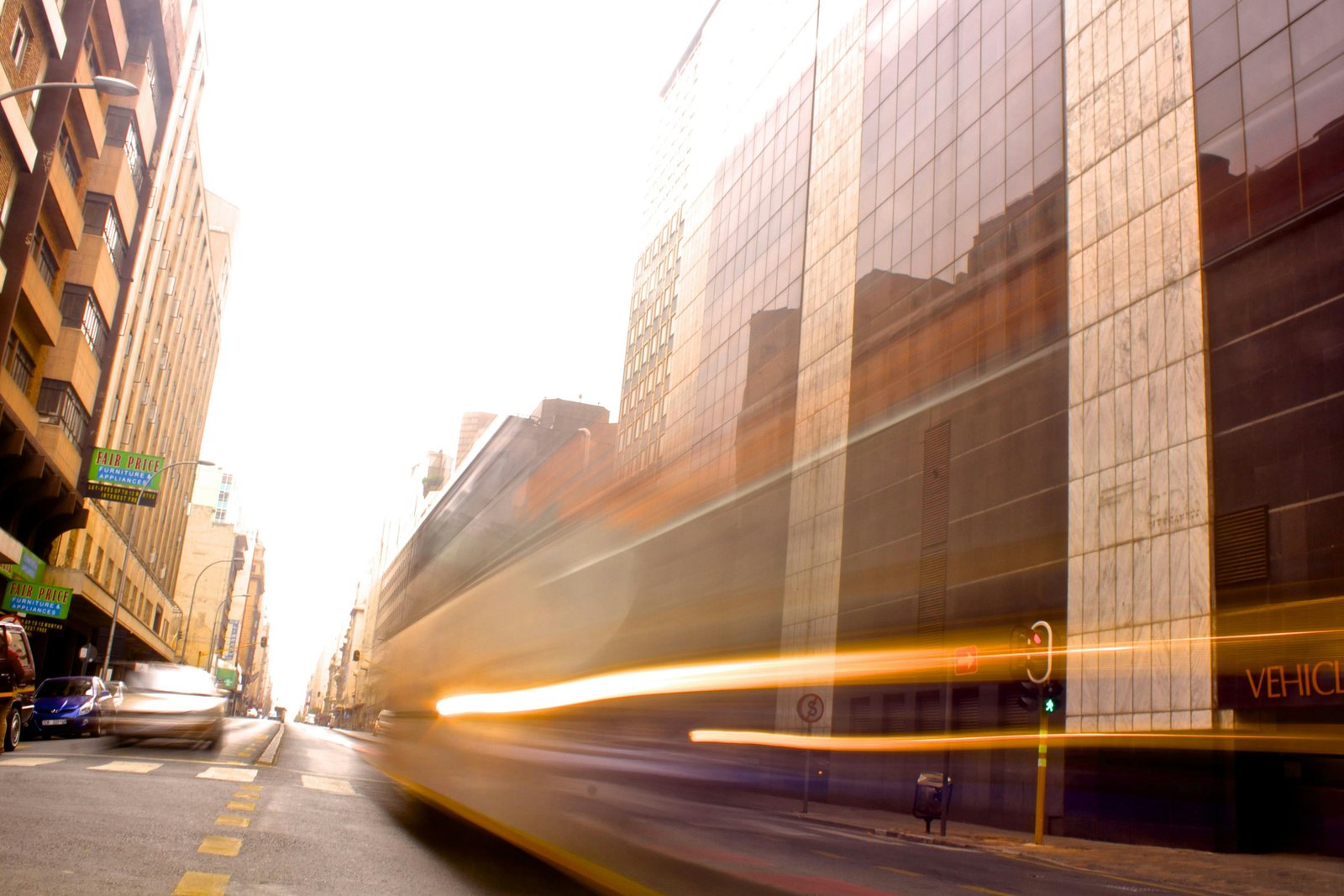
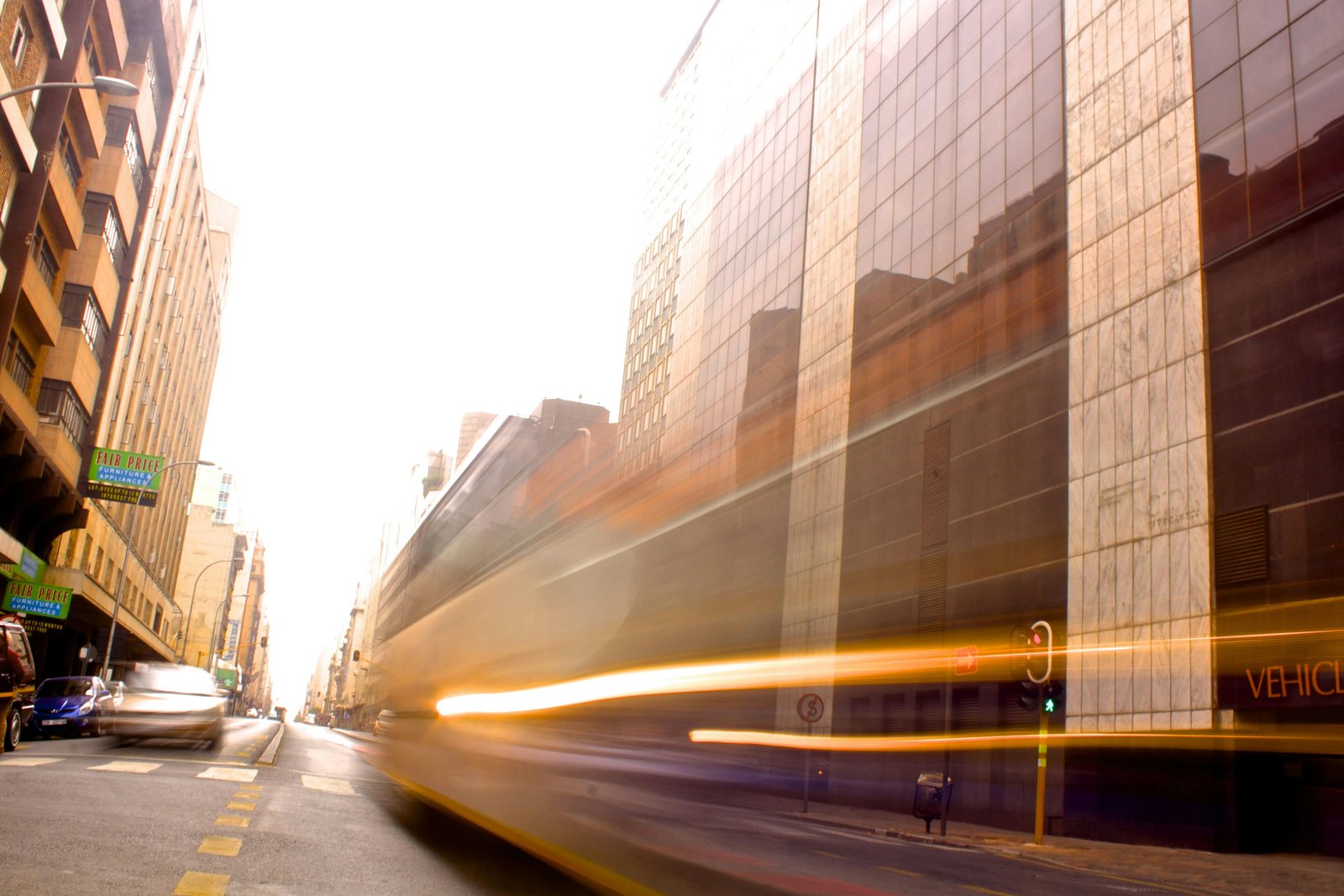
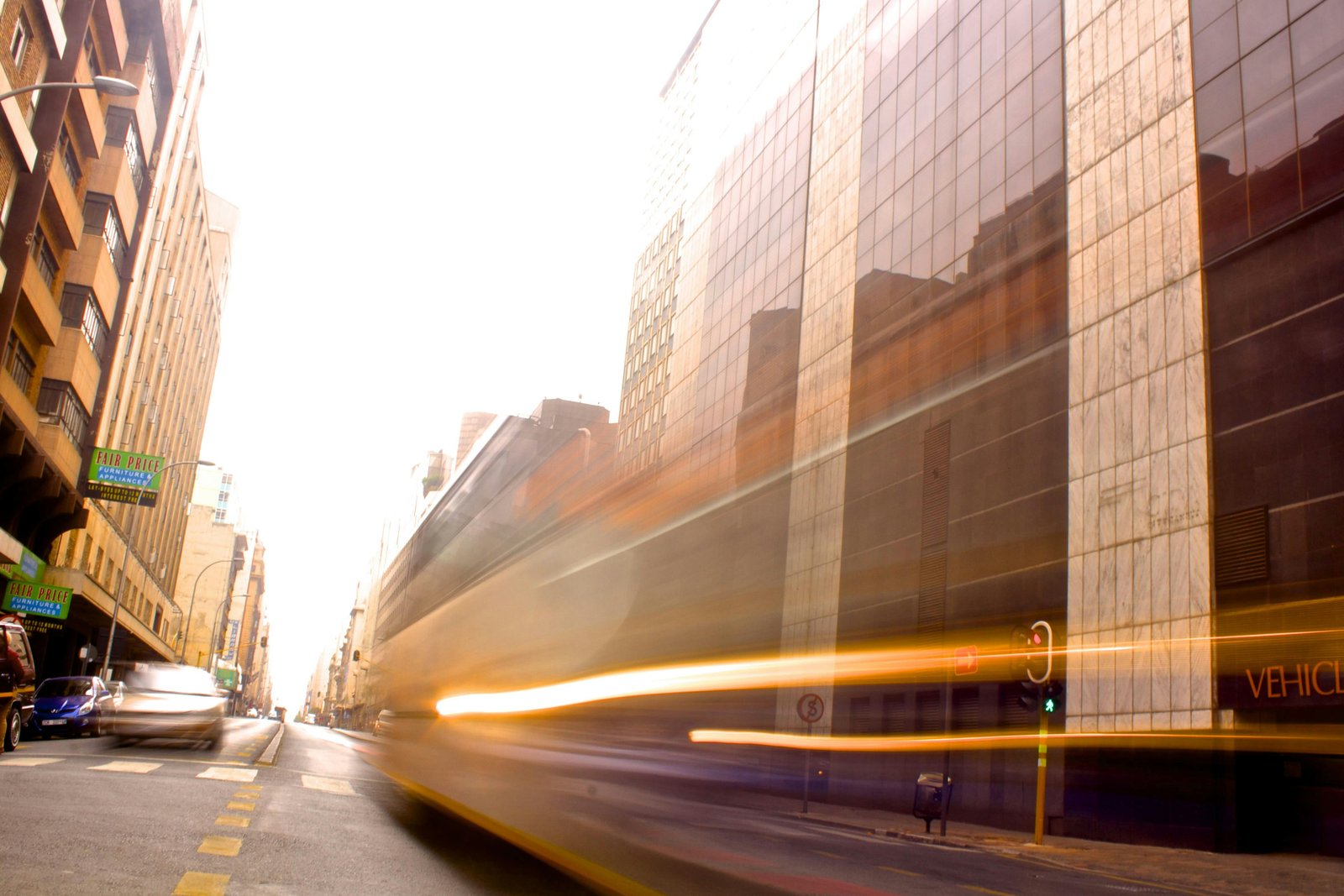
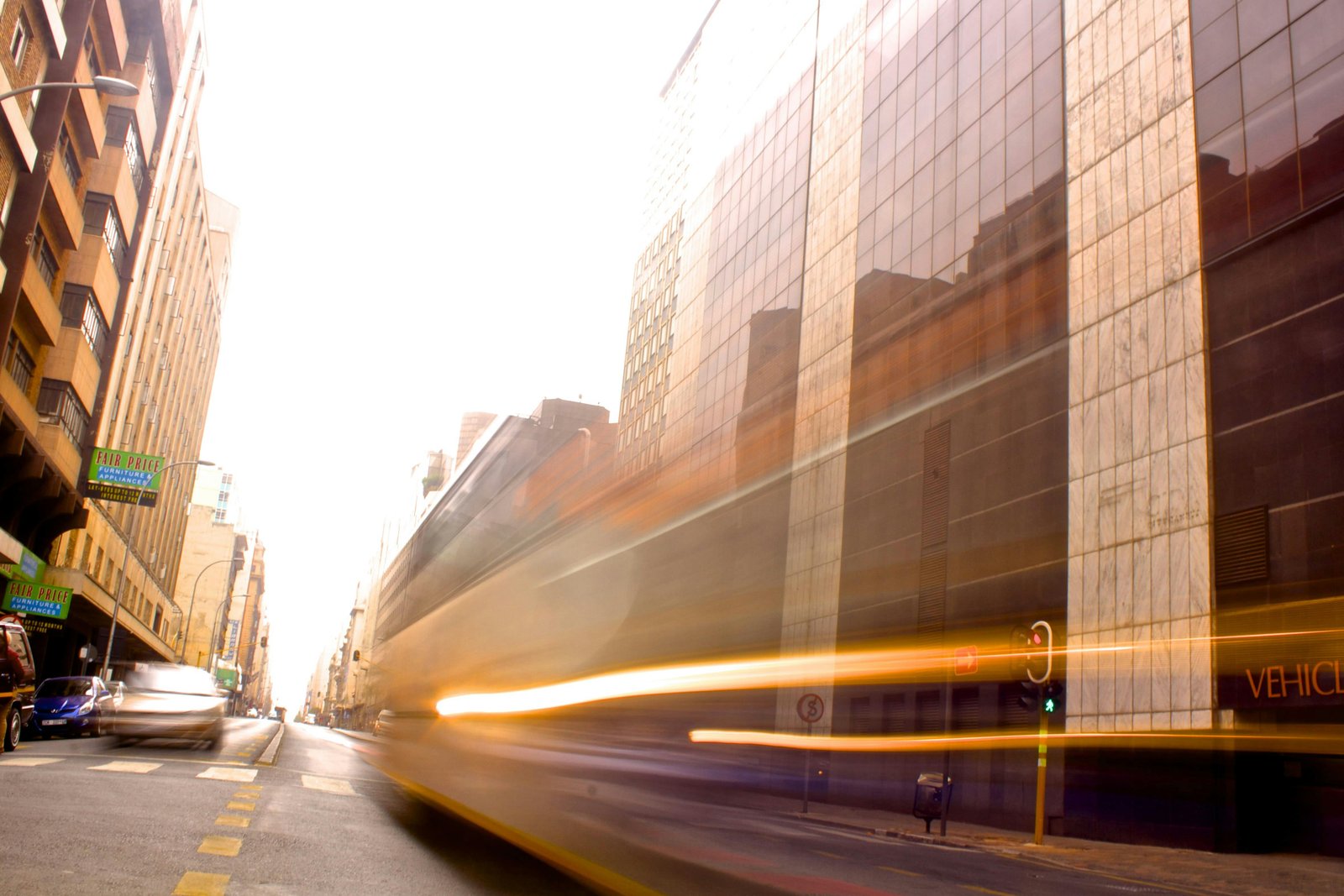
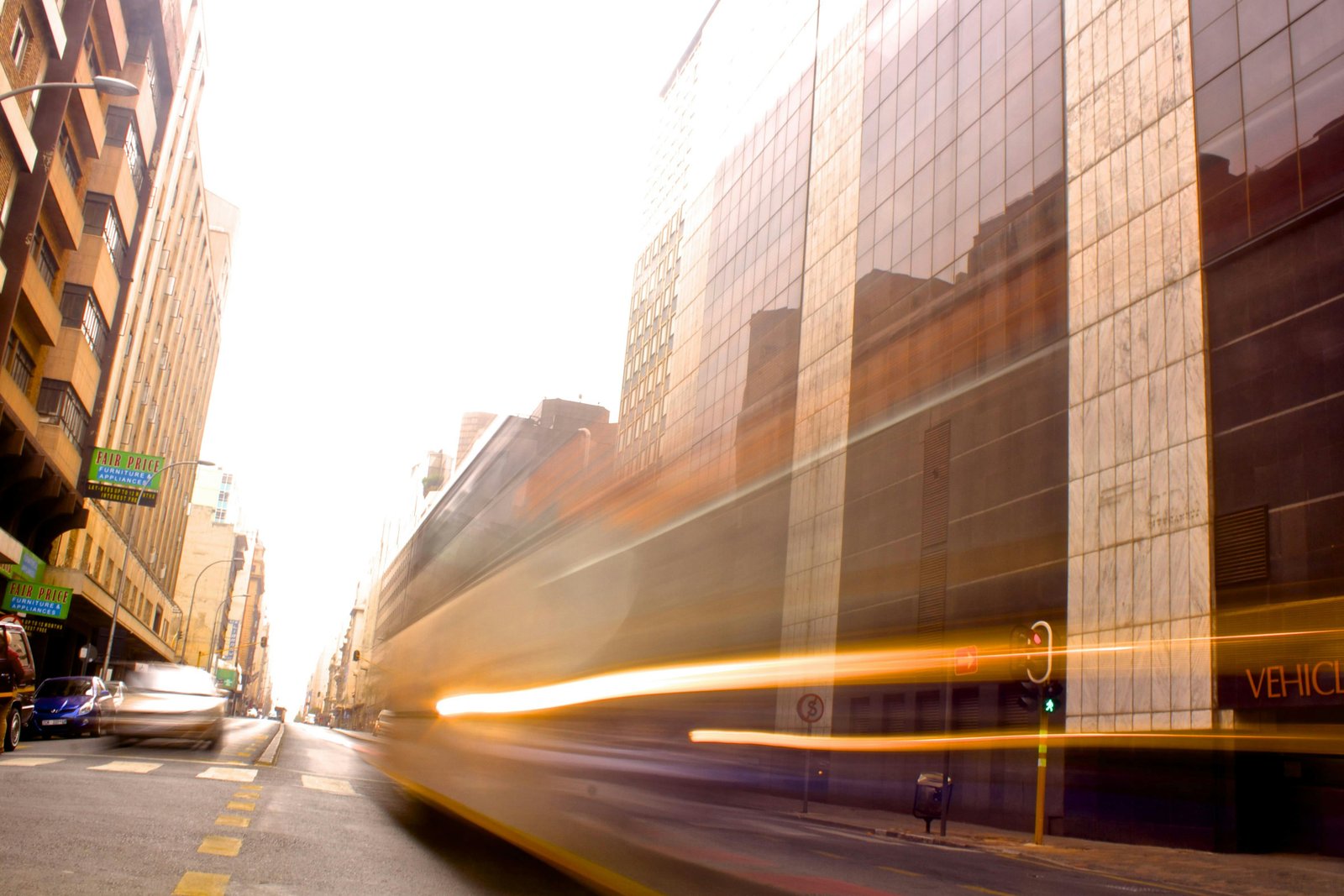
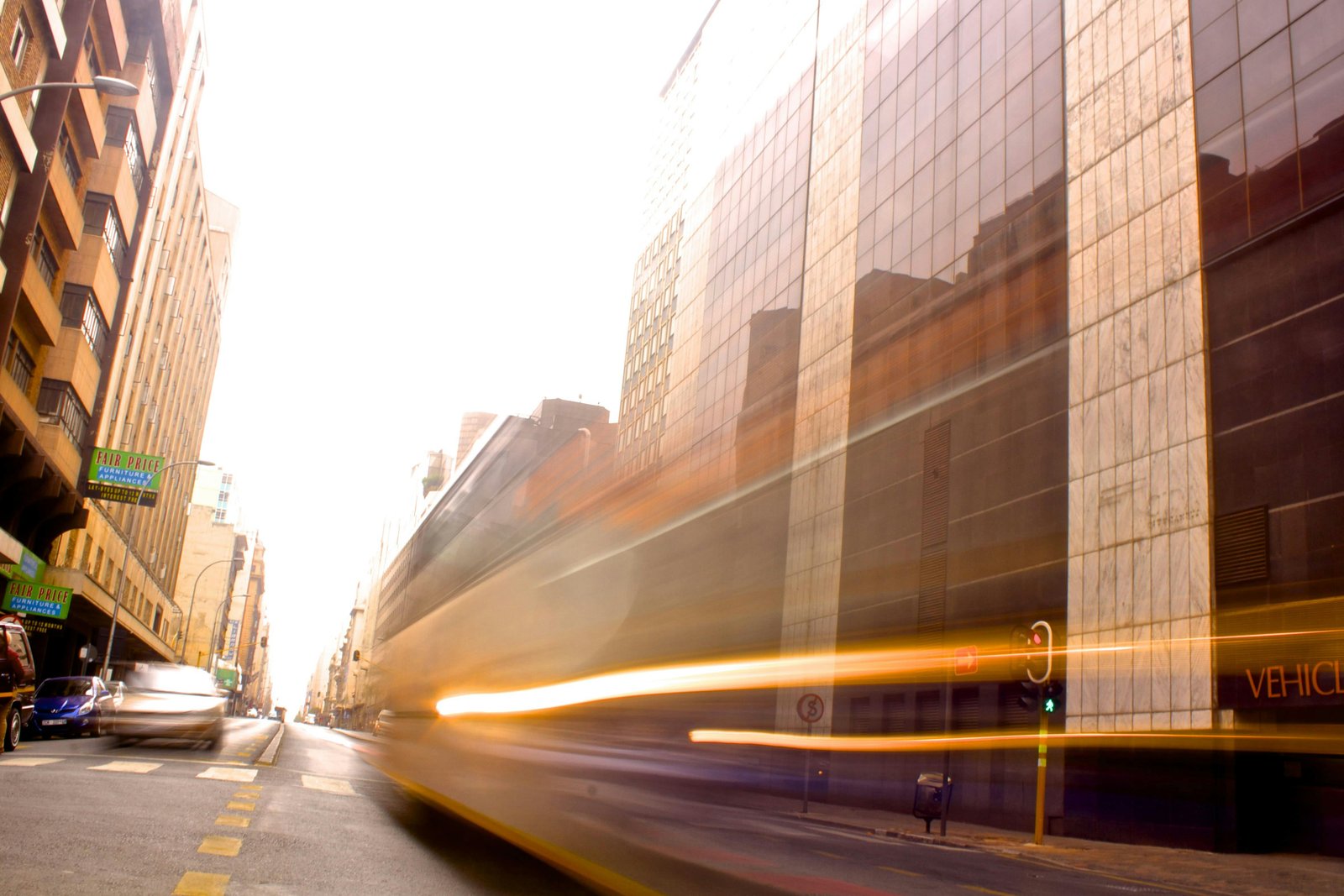
Johannesburg is the most populous city in South Africa. The City of Johannesburg itself has a population of 5,538,596, while the City of Johannesburg Metropolitan Municipality has a population of 6,599,190, making it one of the 100 largest urban areas in the world. Johannesburg is the provincial capital of Gauteng, the wealthiest province in South Africa, and seat of the country's highest court, the Constitutional Court. Situated on the mineral-rich Witwatersrand hills, the city has long been at the epicentre of the international mineral and gold trade. The richest city in Africa by GDP and private wealth, Johannesburg functions as the economic capital of South Africa and is home to the continent's largest stock exchange, the Johannesburg Stock Exchange.
- Population: 5,900,000+ (Metro Area)
- Area: 1,645 km²
- Currency: South African Rand (ZAR)
- Coordinates: Latitude: -26.204444885254, Longitude: 28.045555114746
- Timezone: Timezone info not available
- Current Local Time: ailab
Johannesburg Latest News
IOL
'Don't interrupt me': TRT Captain clashes with defence in 'Cat' Matlala trial
A Tactical Response Team captain clashed with defence counsel in the Vusimuzi " Cat" Matlala trial on Wednesday, warning the lawyer not to interrupt him while he was giving evidence as cross-examination over Musa Kekana's arrest intensified.
IOL
25 New protected wonders: Unesco unveils its latest world heritage list
The 48th session of the Unesco World Heritage Committee concludes in Busan, South Korea on July 29, adding 25 new sites and adopting the Busan Declaration.
The Citizen
Search for survivors after powerful Japan quake kills 13
Rescuers battled through the tangled wreckage of a Japanese shopping mall Wednesday searching for any trapped survivors after a big earthquake killed at least 13 people. A massive explosion ripped through the mall around 50 minutes after the 7.1-magnitude tremor on Tuesday in the southwestern Kumamoto region, where in 2016 twin quakes killed nearly 300 people. The tremor on the island of Kyushu caused widespread damage, flattening homes, triggering fires and leaving left tens of thousands of residents without power and water. Akio Yoshida, the president of mall operator Aeon, said three people died at the facility in the town of Kashima, with one more fatality feared and three others missing. “The cause is still being investigated, but it’s likely that gas caused it,” fellow Aeon executive Keiji Ohno told a news conference where he and others bowed in apology. Five people were also confirmed killed and four others were unaccounted for at the Nippon Paper Industries factory in Yatsushiro city, where part of a red-and-white smokestack collapsed, a government official told AFP. “Extensive damage has been confirmed, including casualties, collapsed buildings, fires and damage to roads,” Prime Minister Sanae Takaichi said in Tokyo as she announced 13 fatalities, describing a “race against time” to help those affected. Government spokesman Minoru Kihara said that as of early Wednesday more than 9,000 people had sought refuge in 506 shelters in three regions of Kyushu island. Around 130 police, 450 firefighters and 170 military personnel were involved in the rescue operation at the Aeon Mall Kumamoto, he said. Some stunned locals said the quake was the biggest they had felt in their lifetimes, measuring at the top of Japan’s seven-level shindo scale of shakiness. “It was the strongest quake I ever experienced,” Kanzo Matsumoto, 73, the operator of a luxury onsen hot spring inn in Yatsushiro, told AFP. “I’m not sure if (the region) will be able to recover from the damage.” ‘Then an explosion’ Tokito Kitagawa, 21, pulled over at a convenience store when the quake struck as he was travelling in Kumamoto on his motorcycle. “There was a sudden big noise,” Kitagawa told AFP. “I couldn’t stay standing. I had to crouch down. Then all the cup noodles fell all over me on the floor.” One user on X who said that they worked inside the mall recounted the moments after the quake hit. The user with the handle Palan said staff had guided customers outside and then some employees went back to get their belongings. “Since there didn’t seem to be any smoke inside the premises from what we could see, we felt reassured,” they said. “Then an explosion occurred.” Footage from inside the mall showed rescue workers in orange overalls and white helmets picking their way through a mass of twisted steel, dangling cables and chunks of ceiling. Initial reports had said that as many as 20 to 30 people were trapped inside. Some 31 200 households and facilities still had no power on Wednesday morning, while 84,000 homes were suffering water disruptions, officials said. TV footage showed people queueing for petrol and drinking water. Trains suspended The powerful tremor, which struck at 4:27 pm (0727 GMT) on Tuesday, knocked over a cargo train, flattened a traditional “torii” gateway and cracked roads, making many impassable. High-speed shinkansen trains mostly remained suspended on Wednesday. Footage also showed parts of a wall at the centuries-old Kumamoto Castle collapsing. The US Geological Survey measured the quake at 6.8, lower than Japan’s reading of 7.1. Japan is one of the world’s most seismically active countries, sitting on top of four major tectonic plates along the western edge of the Pacific “Ring of Fire”. Kumamoto was hit by two devastating earthquakes in 2016, which killed 273 people and injured more than 2 800. The archipelago, home to around 125 million people, typically experiences hundreds of jolts every year and accounts for about 18 percent of the world’s earthquakes. The vast majority are mild, although the damage they cause varies according to their location and the depth below the Earth’s surface at which they strike. Japan is haunted by the memory of a massive 9.0-magnitude undersea quake in 2011, which triggered a tsunami that killed or left missing around 18 500 people and wrecked the Fukushima nuclear plant.
The Citizen
JUST IN: Madlanga commission orders Suliman Carrim to testify in person
The Madlanga commission has dismissed an application by North West businessman Suliman Carrim to indefinitely delay his testimony. The ruling was handed down on Wednesday, 29 July 2026, by commission chairperson and retired judge Mbuyiseli Madlanga at the Brigitte Mabandla Justice College in Pretoria. Suliman Carrim application rejected by Madlanga commission Carrim’s legal representatives had submitted a request last Friday, seeking a postponement on the basis of medical concerns. The commission’s evidence leaders opposed the application, challenging the credibility of Carrim’s claims. They argued that, despite asserting that he is medically incapacitated, Carrim has been leaving his medical facility for extended periods each day, reportedly up to eight hours. The commission was presented with an alternative proposal for Carrim to resume his testimony on 14 August. The evidence leaders also asked that Carrim undergo an independent medical examination. Madlanga acceded to both requests. “Mr Carrim shall be required to appear and testify in person,” the chairperson ruled. He stressed that any further postponement would be granted only if the businessman agrees to voluntarily undergo an examination by a medical specialist jointly selected by his legal team and the commission, to be completed by 3 August. “Such independent medical professional has provided a medical report to the commission by no later than 12 August 2026 confirming Mr Carrim’s inability to testify on 14 August 2026.” Madlanga further indicated that, if these conditions are not fulfilled, the commission will proceed with an independent medical assessment and report conducted by a practitioner appointed by the chairperson of a recognised medical professionals’ association. Spotted at Woolworths Carrim last appeared before the commission on 9 and 10 March. Since then, he has not returned, citing ill health following an alleged heart attack in April. His repeated absences has drawn scrutiny from the commission in light of reports claiming that Carrim was allegedly spotted at a Woolworths store in a Western Cape shopping centre mid-July. Further claims suggest that he has attended social gatherings in the North West, despite maintaining that he is not fit to testify. Meanwhile, it was accidentally disclosed that Carrim received a “psychiatric diagnosis”.
The South African
Two major eclipses are coming this August – and South Africa WILL see one of them
Skywatchers are in for an exciting month in August, with two eclipses set to take place just over two weeks apart. The celestial events will include a total solar eclipse on 12 August and a deep partial lunar eclipse on 28 August. For South Africans hoping to witness the spectacle from home, though, the two events will offer very different viewing prospects. The total solar eclipse on 12 August The first event will be the more dramatic of the two – a total solar eclipse on Wednesday, 12 August. During a total solar eclipse, the Moon passes directly between Earth and the Sun, completely blocking the Sun’s disc for observers within a narrow path of totality. The 2026 solar event will be visible in totality across parts of Greenland, Iceland and northern Spain, with the path also extending across parts of the North Atlantic and Arctic regions. A partial coverage will be visible across a much wider area. Unfortunately for South African skywatchers, the total solar eclipse will not be visible from South Africa. The country also falls outside the main region where the partial event can be observed. That means anyone in South Africa will miss out on this particular solar spectacle. Those travelling to areas where the event is visible should remember that looking directly at the Sun during the partial phases can cause serious eye damage. Certified glasses or appropriate solar filters are essential. South Africans can still see the livestream of the spectacle here. The celestial event SA will see The second event will be much better news for South Africans. On Friday, 28 August, a deep partial lunar eclipse will occur, visible from South Africa. During a lunar eclipse, Earth moves between the Sun and Moon, casting its shadow across the lunar surface. Unlike a solar eclipse, it is completely safe to look at a lunar eclipse with the naked eye. This particular event will be a particularly deep partial eclipse, with around 96% of the Moon’s surface entering Earth’s darkest shadow at maximum eclipse. The Moon may take on a reddish-orange appearance, although it will not technically be a total “blood moon” because a small portion of the lunar disc will remain outside the darkest part of Earth’s shadow. What time will the eclipse be visible in South Africa? The lunar eclipse will begin with the Moon entering Earth’s faint outer shadow at around 3:23 am SAST on 28 August. The partial phase will begin at approximately 5:12 am, with the eclipse reaching its maximum at around 6:12 am. However, there is a catch: the Moon will be very low in the western sky around the time of maximum eclipse and will set shortly afterwards. In Durban, for example, the Moon will be just above the western horizon at maximum eclipse, making an unobstructed view particularly important. The partial eclipse begins at around 4:33 am local time in Durban, with maximum eclipse at 6:12 am, shortly before moonset. The eclipse will also be visible from other parts of South Africa, including Johannesburg, Cape Town, Bloemfontein, Pretoria and Gqeberha. However, the Moon’s position above the horizon will vary by location. In Johannesburg, for instance, the Moon will be only a few degrees above the western horizon at maximum eclipse. For South Africans hoping to catch the best possible view, an elevated location with a completely unobstructed view towards the west will be the best bet.
The South African
South Africa’s tourism industry still not at pre-pandemic levels
South Africa is making billions from tourism. But six years out from the COVID-19 pandemic, tourism arrivals haven’t returned to 2019 levels. The numbers highlight how the industry is relying on fewer tourists to generate nearly double the revenue. SA’s Tourism Industry is Booming, But Not Where it Once Was The figures come from Statistics South Africa (Stats SA) publication on International tourism released on Wednesday, 29 July. The data shows that despite achieving year-on-year growth for five consecutive quarters, the number of overseas tourists hasn’t returned to pre-pandemic levels. South Africa’s tourism industry took a hit in 2021, when tourist arrivals from overseas countries plummeted to 65 225 in the second quarter. By the second quarter of 2022, that figure had quadrupled, reaching 299 571. Every year since, the number of overseas tourists has continued to climb. Yet, it still isn’t at the peak levels of 2019, when the number of overseas tourists reached 537 719 in the second quarter. In the second quarter of 2026, 494 429 overseas tourists came to South Africa, 8% fewer than in 2019. While the number of overseas visitors increased in Q2, there were notably fewer visitors from Ireland (-3%) and Italy (-4.8%) compared to the second quarter of 2025. The largest jump came from Switzerland (24%), the Netherlands (22.9%), Turkey (25.5%) and Belgium (20.7%). Despite tourist numbers not reaching pre-pandemic levels, income generated from the industry has surpassed pre-pandemic levels. In May 2026, income from tourism accommodation, which includes restaurants, reached R5.8 billion, a 65% increase from May 2019 when it was R3.5 billion. Contributing to tourism revenue is the average income per unit night sold. In May 2019, the average was R994.30 with a 45.6% occupancy rate. In May 2026, the average unit is R1 681.40, and the occupancy rate is 40.9%. Tourism Gets a Boost from SADC Nations However, while overseas tourism has not returned to pre-pandemic levels, tourism from Southern African Development Community (SADC) neighbours has surpassed 2019 levels. In the second quarter of 2019, 1.8 million tourists from SADC came to South Africa. In 2026, that figure is 2.1 million, a 17% increase. The largest contributor to second-quarter SADC tourism was Mozambique, with 624 848 visitors to South Africa. Zimbabwe was next with 599 712, followed by Lesotho with 402 556 and Eswatini with 221 383.
TechCentral
Apple at Work: business technology that works as one
Incredible Business pairs Apple hardware with the guidance and support to choose that fits.
TechCentral
Radical rethink for South Africa’s national AI policy
Government will provide guidelines and leave individual sectors to write their own artificial intelligence strategies.