General Information
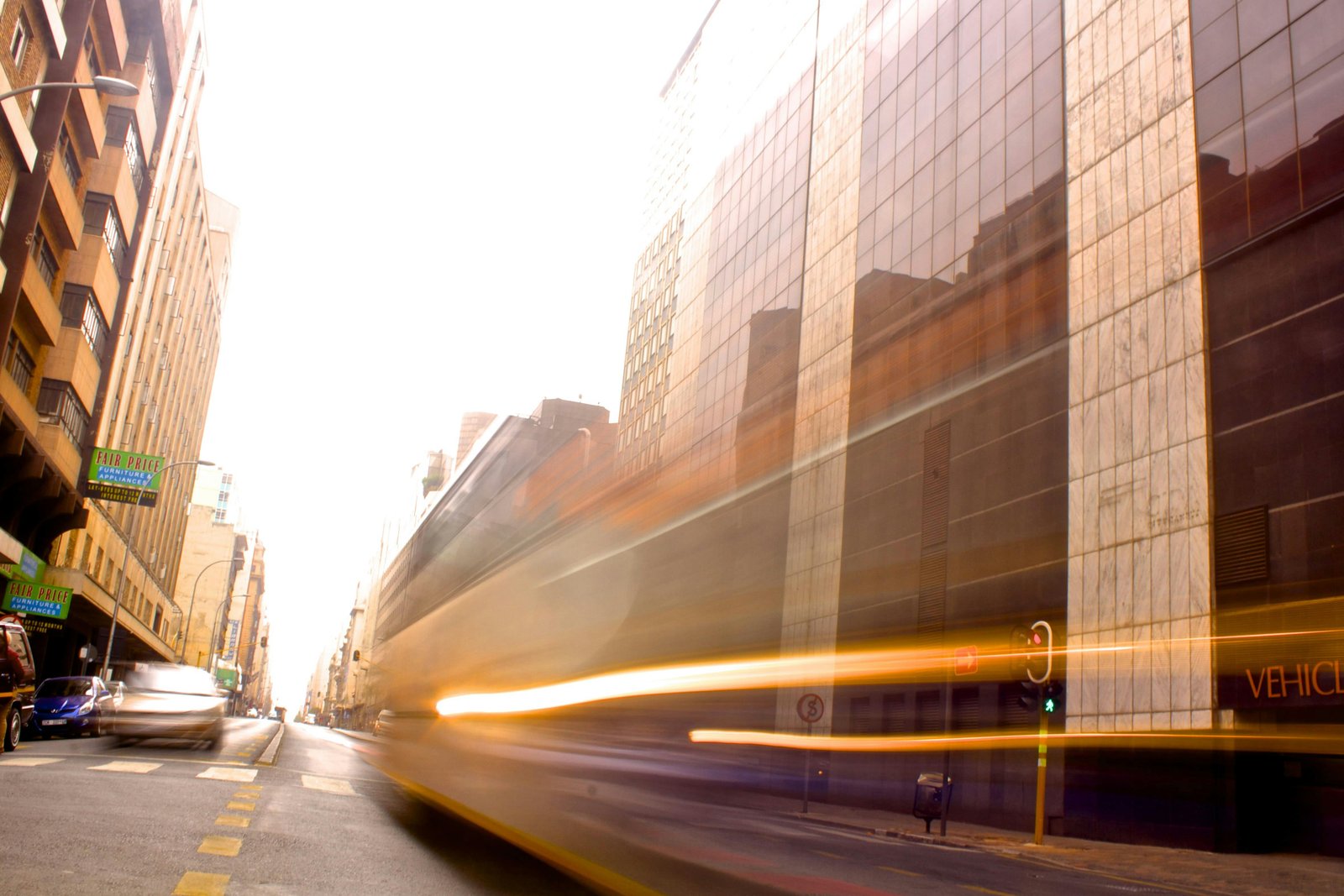
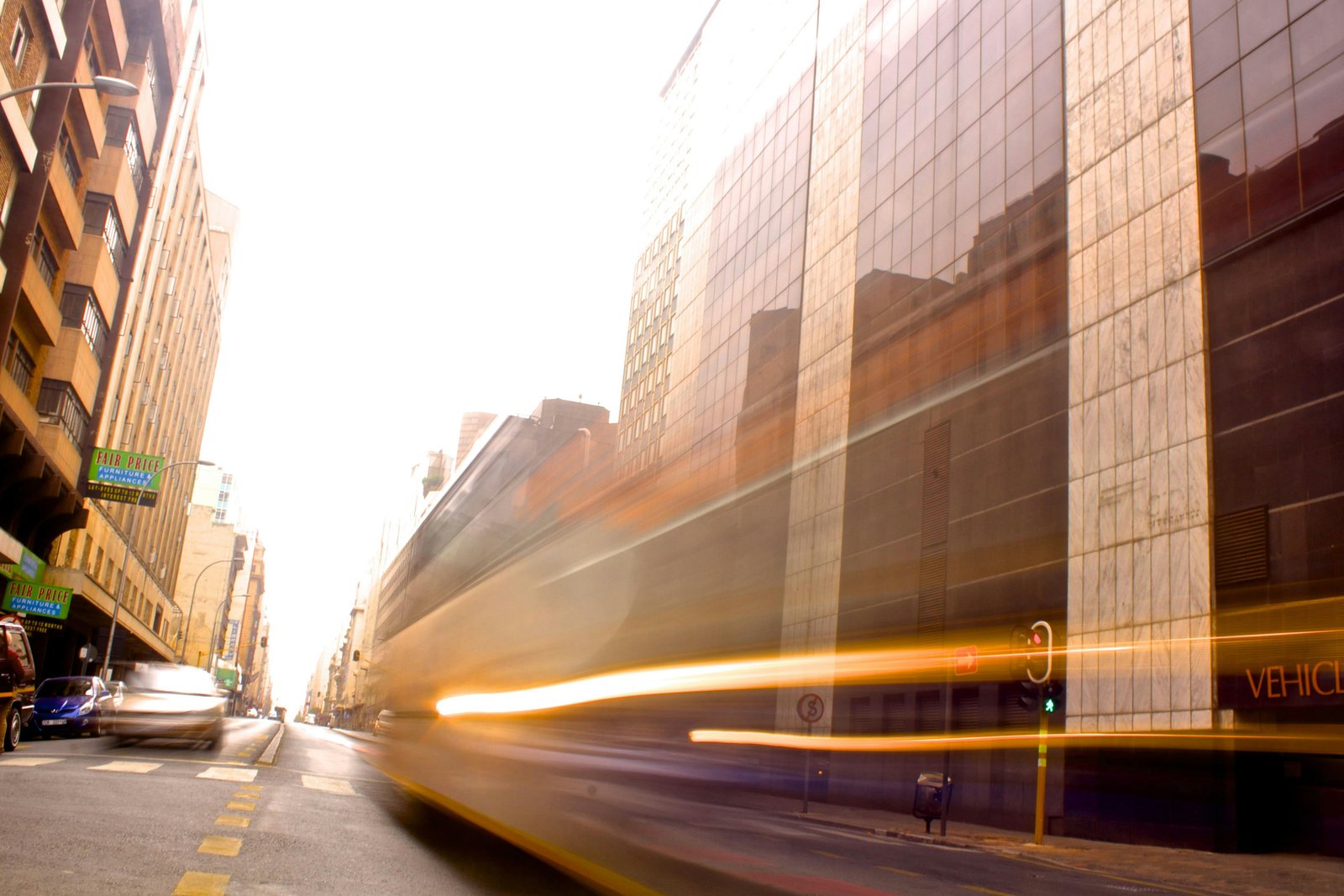
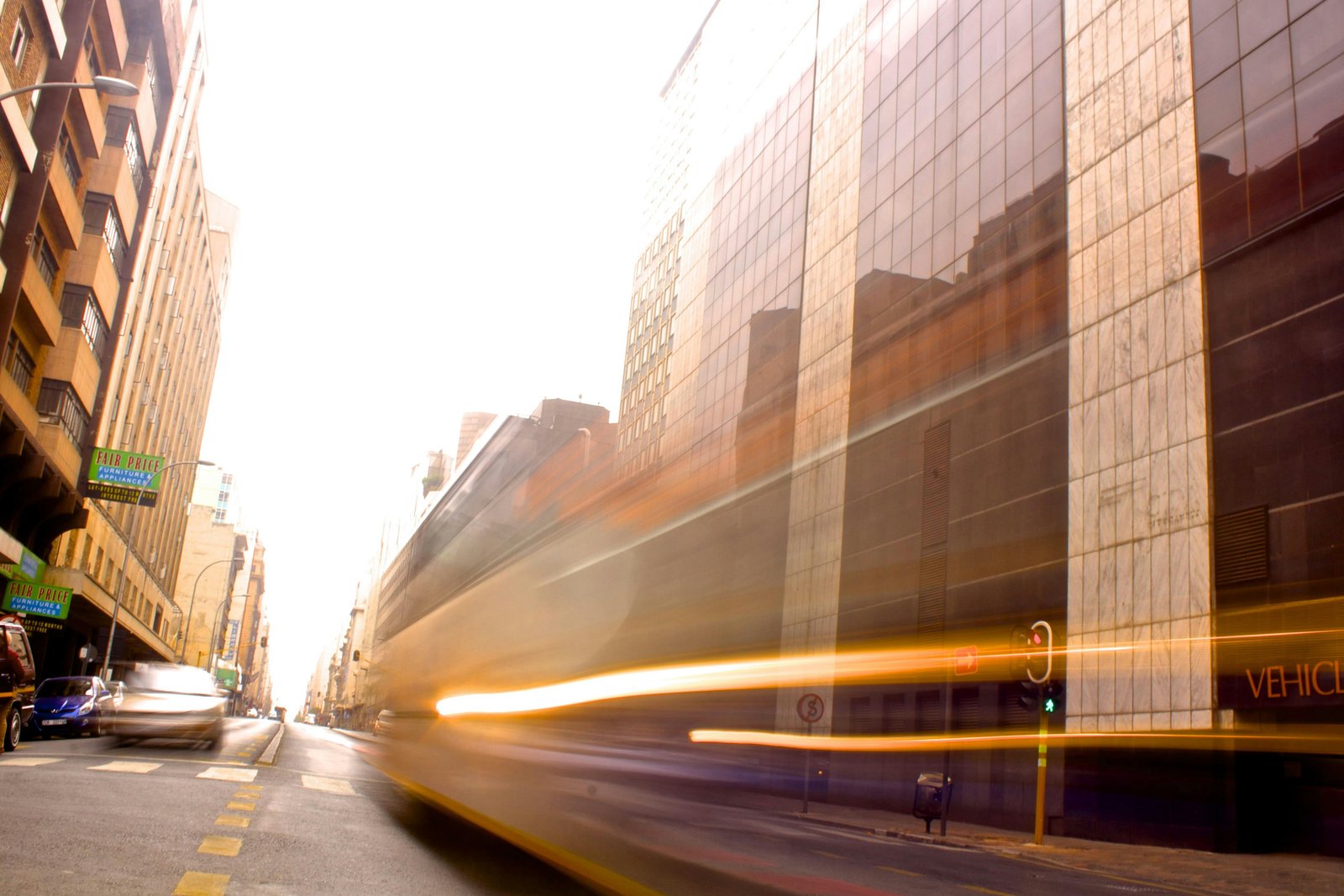
Johannesburg is the most populous city in South Africa. The City of Johannesburg itself has a population of 5,538,596, while the City of Johannesburg Metropolitan Municipality has a population of 6,599,190, making it one of the 100 largest urban areas in the world. Johannesburg is the provincial capital of Gauteng, the wealthiest province in South Africa, and seat of the country's highest court, the Constitutional Court. Situated on the mineral-rich Witwatersrand hills, the city has long been at the epicentre of the international mineral and gold trade. The richest city in Africa by GDP and private wealth, Johannesburg functions as the economic capital of South Africa and is home to the continent's largest stock exchange, the Johannesburg Stock Exchange.
- Population: 5,900,000+ (Metro Area)
- Area: 1,645 km²
- Currency: South African Rand (ZAR)
- Coordinates: Latitude: -26.204444885254, Longitude: 28.045555114746
- Timezone: Timezone info not available
- Current Local Time: ailab
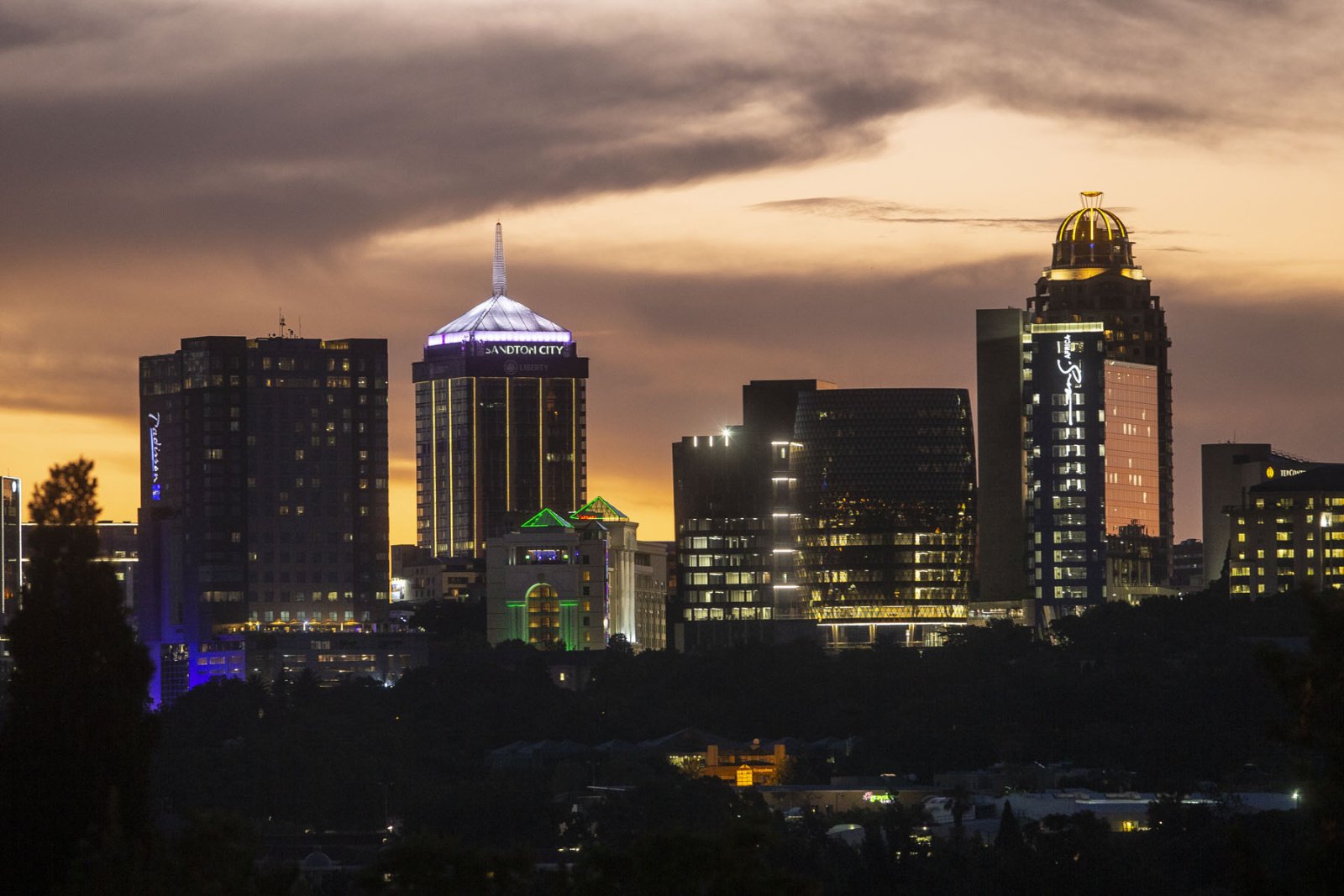
Sandton
Business towers, upscale malls, Nelson Mandela Square, and city nightlife.
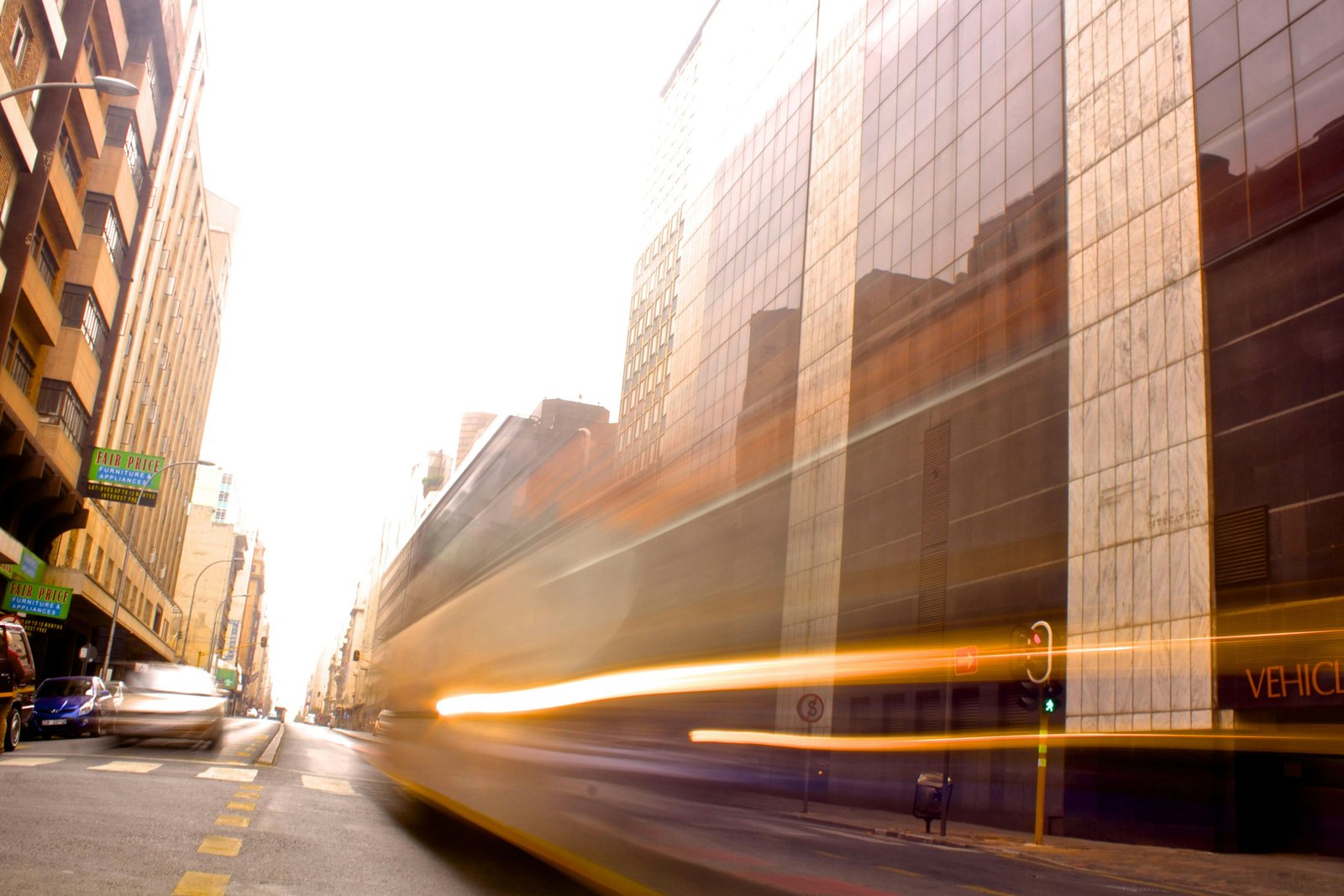
Johannesburg CBD
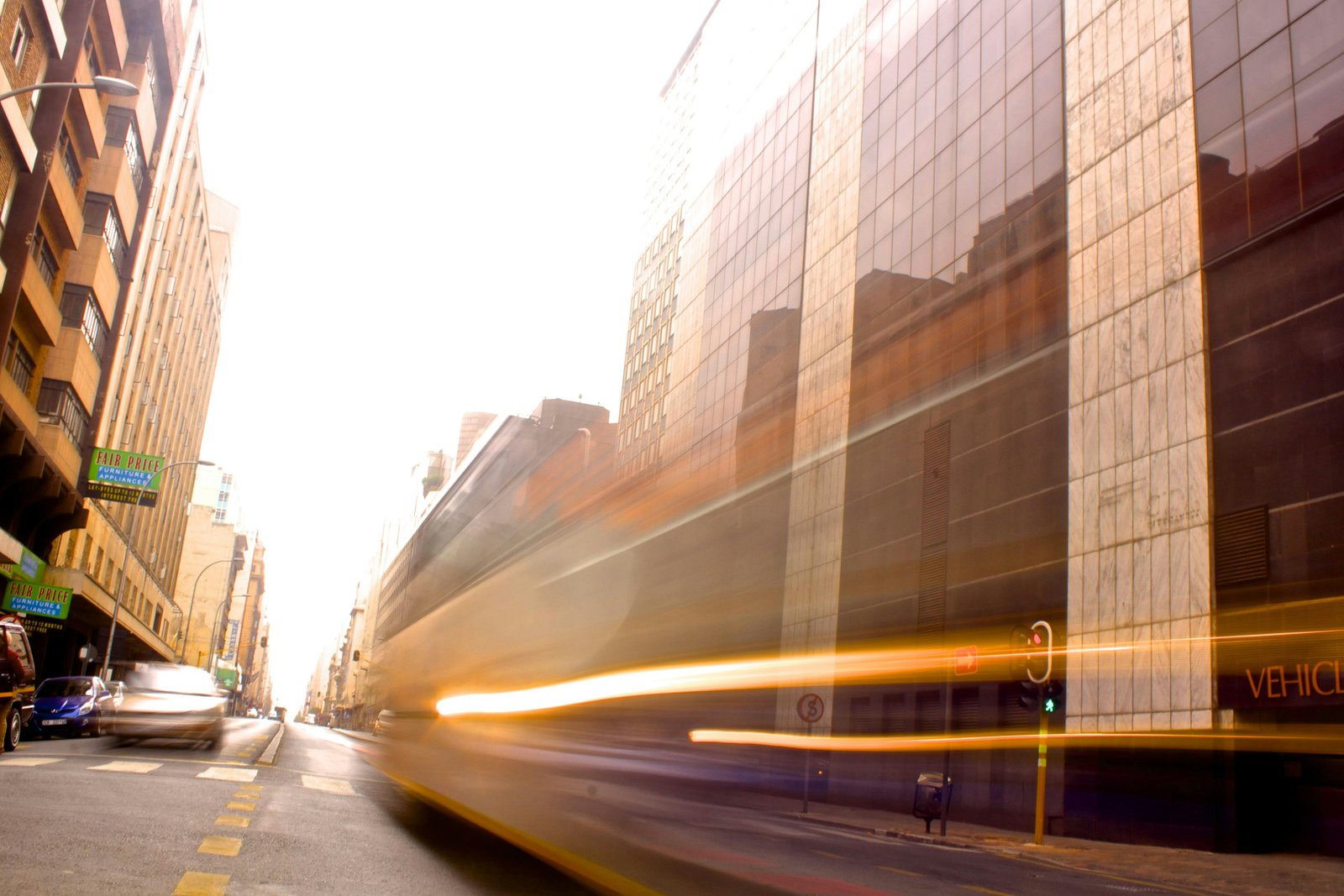
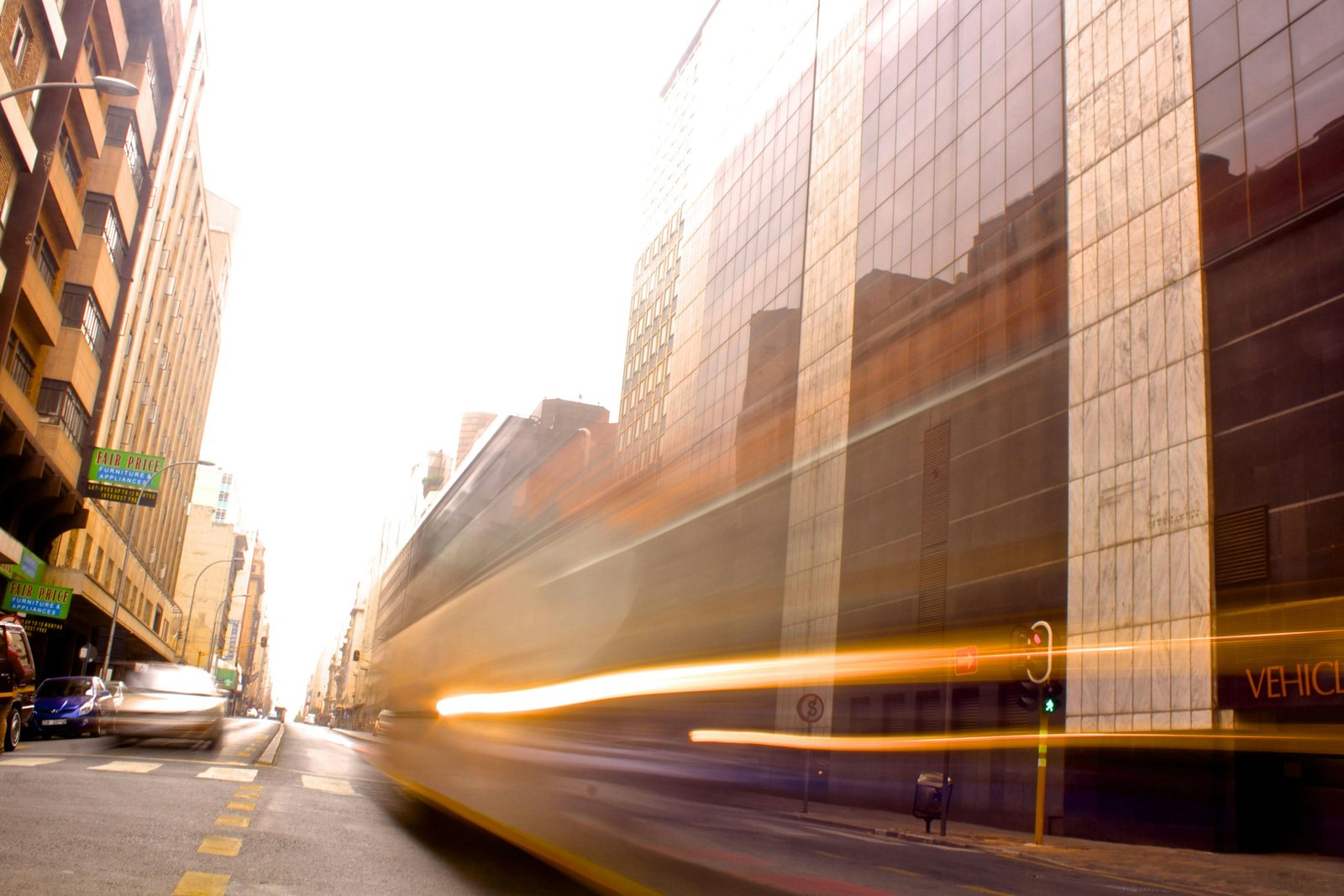
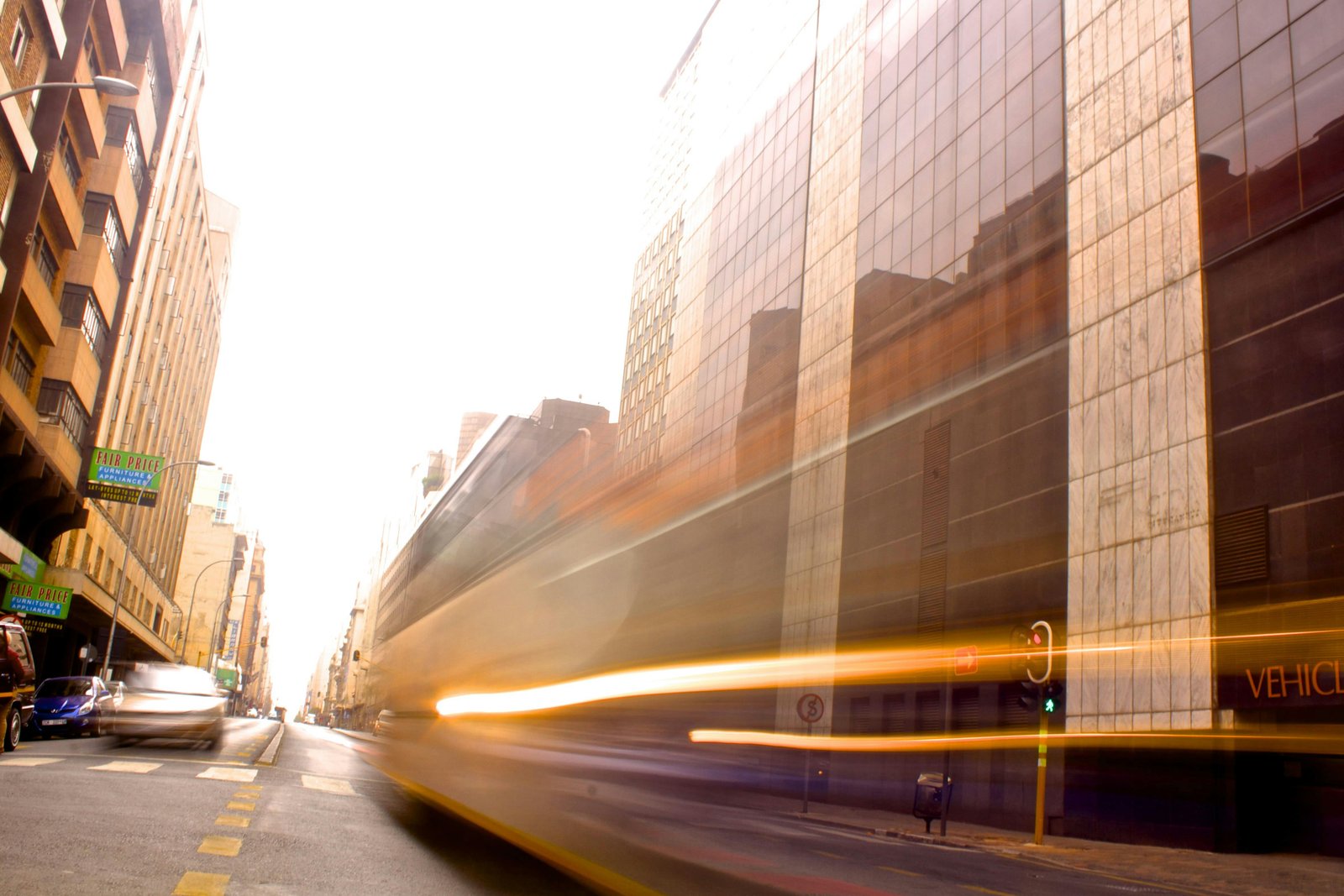
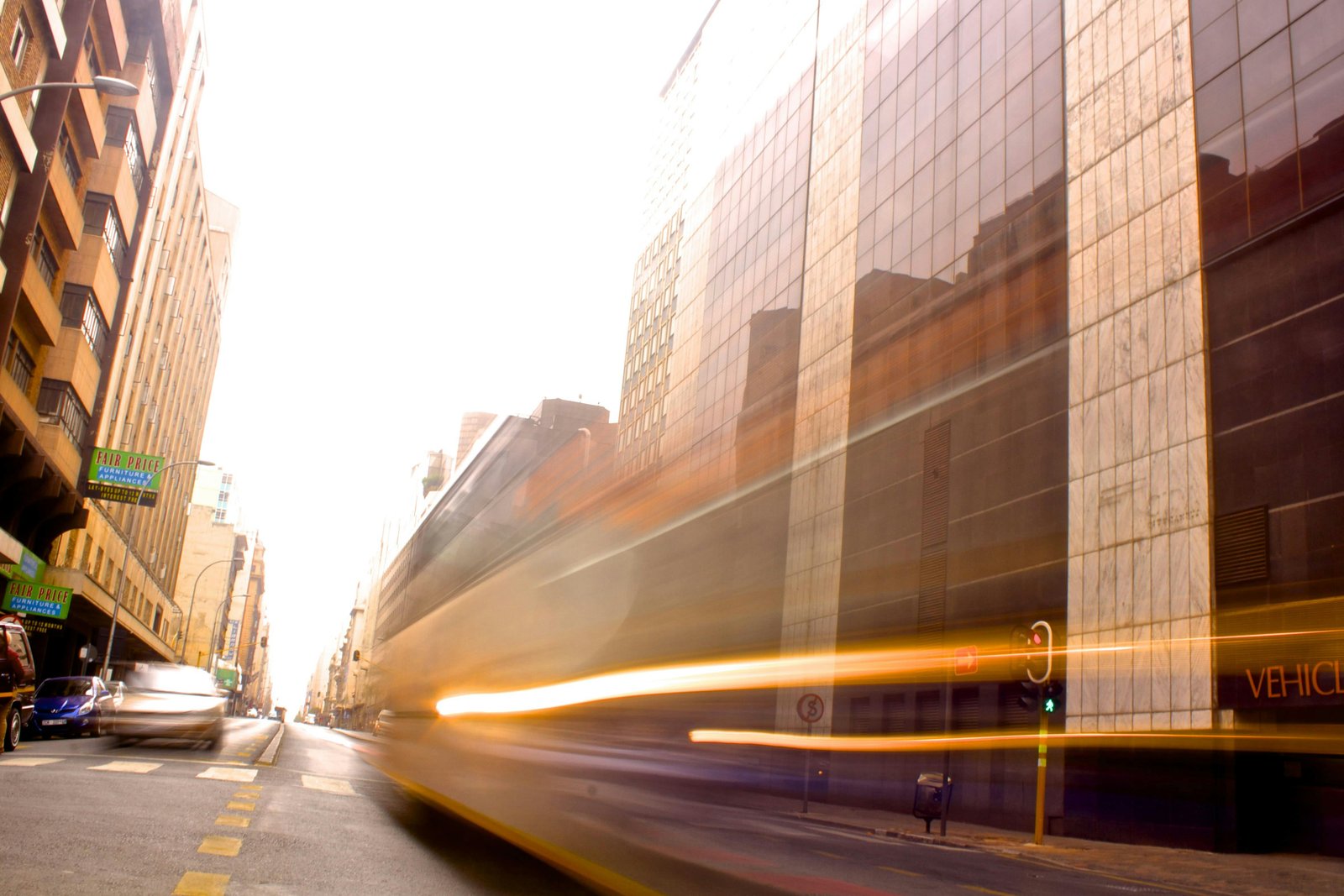
Downtown streets, Commissioner Street, Gandhi Square, and real urban life.
Soweto
Township streets, Maponya Mall, Protea North, and cultural walking tours.
Rosebank & Melrose Arch
Shopping areas, nightlife, and modern mixed-use districts.
Johannesburg Latest News
IOL
Gabisile Tshabalala promises 'chaos' and unfiltered drama in ‘Inimba’
Gabisile Tshabalala is the latest actress joining 'Inimba' season 2, and she’s already teasing what viewers can expect from her new character.
IOL
Key Springboks return as Rassie Erasmus names 26-man squad for Argentina Test
Siya Kolisi, Eben Etzebeth, and Sacha Feinberg-Mngomezulu return from injury as South Africa travel to Buenos Aires ahead of the Rugby’s Greatest Rivalry series.
The Citizen
From the inaugural Scatterlings Music Festival to astronomy shows: Here’s what’s happening in Johannesburg this weekend
Johannesburg will host a range of events this weekend, from live music and theatre to comedy, dance and astronomy shows. Here’s what’s happening in Johannesburg this weekend Scatterlings Music Festival debuts The inaugural Scatterlings Music Festival takes place on Saturday, 1 August, at Huddle Park. Curated by Jesse Clegg and Msaki, the one-day event will feature performances by Zakes Bantwini, Sjava, Sun-El Musician, Tresor, Msaki, Jesse Clegg, J’Something, Muzi, Simmy, Beatenberg, Sminofu and Zolani Mahola, among others. View this post on Instagram A post shared by Scatterlings (@scatterlings_za) African adaptation of Cinderella Movingfeet Dance and Wellness School will stage Cinderella at the Lesedi Theatre at Joburg Theatre from 1 August. The production reimagines the classic fairy tale through African storytelling, music and dance. It features ballet, tap, contemporary, jazz, musical theatre and African dance styles. Tickets cost R200 for adults and R150 for children younger than 12. View this post on Instagram A post shared by Leanne van breda (@movingfeetdance) Explore the night sky at the Wits Digital Dome The Wits Anglo American Digital Dome in Parktown will host a series of public shows from Friday, 31 July. The 60-minute immersive presentations include astronomy shows and a live night-sky demonstration before each recorded programme. Tickets range from R45 to R75. Comedy competition in Emmarentia The Funny Galore Comedy Club will host an open-mic comedy competition on Friday, 31 July. The event gives emerging comedians an opportunity to test new material, with audience members voting for the winner. Tickets cost R100. AIDT Dancer of the Year Regionals The AIDT Dancer of the Year Gauteng Regional competition takes place at Reddam House Bedfordview on Sunday, 2 August. The event serves as a qualifying round for dancers hoping to secure a place in the national finals. Tickets are priced at R100. View this post on Instagram A post shared by The Association of International Dance Teachers (@aidtdance)
The Citizen
Courier companies warned about increase in hijackings
The Gauteng Department of Community Safety has cautioned courier companies and their delivery drivers to be vigilant after a notable spike in courier vehicles being targeted by criminal syndicates across the province. Couriers play a critical role in the movement of goods and essential services, which make them an attractive target for criminals seeking to steal valuable parcels and vehicles. Safety precautions The department urged operators to remain alert, especially when making deliveries in unfamiliar areas or locations identified as high-risk. Drivers are advised to avoid deviating from planned delivery routes, refrain from stopping in isolated areas and to remain aware of suspicious individuals or vehicles that may be following them. It also said deliveries should be coordinated through secure verification processes, where possible, and drivers should avoid displaying valuable items or delivery contents with unauthorised individuals. Hijacking response training The department warned that courier companies should strengthen their security measures by installing functional tracking devices, maintaining regular communication with drivers, conducting risk assessments for delivery routes, and providing employees with safety awareness and hijacking response training. Clear emergency protocols should be established to ensure rapid reporting and response when incidents occur. The provincial government said it will continue to deploy CCTV cameras, helicopters, e-panic buttons and drones, amongst other technological devices, to fight the crime. Law enforcement agencies have been urged to work with private security companies to increase their visibility to combat vehicle-related crimes and dismantle criminal networks targeting motorists and businesses. Courier robberies This follows earlier reports from this week when the Gauteng Traffic Police (GTP) airwing, along with other law enforcement agencies, arrested five suspects and left one fatally wounded. The suspects allegedly hijacked a company vehicle in Winchester Hills, Mondeor, south of Johannesburg. Officials managed to recover the hijacked vehicle, three suspects’ vehicles and an unlicensed firearm and ammunition. Reiger Park Meanwhile, in a separate operation, two suspects involved in courier company robberies were killed in a shootout in Reiger Park, Boksburg. Law enforcement officials were deployed in the area after receiving information that the suspects planned to commit a robbery. As the team tried to stop the suspects a shootout and a high-speed chase ensued which resulted in both suspects being fatally wounded. Unlicensed firearms, ammunition as well as two other motor vehicles were recovered.
The South African
Operation Vulindlela continues progress
The National Treasury said Operation Vulindlela continues progress in the second quarter with 47% of structural reforms are on track, but 40% have been delayed. A total of 7% have been completed. Only 3% require intervention. The image is sourced from the National Treasury Operation Vulindlela Phase II is a joint initiative of the Presidency and National Treasury to accelerate the implementation of priority structural reforms. These support economic growth, improve service delivery, and strengthen state capability. There are seven reform focus areas. Challenging times The National Treasury said that despite a challenging global economic environment, strong and sustained progress in implementing growth-enhancing structural reforms has lifted. The reforms currently underway aim to reduce input costs, improve competitiveness, and create opportunities for private investment in key sectors of the economy. Electricity sector During the second quarter 2026, further progress was recorded in the electricity sector. Electricity sector reform continued to gather pace with significant progress towards establishing a competitive electricity market. The Eskom Restructuring Task Team (ERTT) completed the first phase of its work to oversee the establishment of a fully independent state-owned transmission entity. Government remains focused on completing the transition to a competitive electricity market by launching the South African Wholesale Electricity Market (SAWEM), with key steps taken to establish a regulatory framework for the market. Freight sector In the freight logistics sector, reform advanced through continued implementation of institutional reforms and measures to increase private sector participation. Progress during the second quarter included the publication of the latest iteration of the Network Statement to enable access to the freight rail network for multiple operators. Additionally, Rail Access Agreements with 11 train operating companies was concluded. Water sector The Treasury said water and sanitation reforms related to institutional restructuring, stronger regulation and the promotion of infrastructure investment gained significant momentum over the period. Water and sanitation reform focused on strengthening institutions, improving regulation and accelerating investment in infrastructure. The establishment of the National Water Crisis Committee (WATERCOM) and publication of the National Water Action Plan provide a coordinated framework to address South Africa’s water challenges. Consequently, progress was also made in operationalising the South African National Water Resources Infrastructure Agency (SANWRIA). Visa reform Visa and immigration reform continued to modernise South Africa’s visa and immigration system. This will support tourism, investment and skills attraction. Work is underway to expand the Electronic Travel Authorisation (ETA) system to all eligible countries and multiple visa categories. Government also advanced the redevelopment of major land ports of entry. This should improve the efficiency of cross-border trade and travel. Local government Local government reform focused on strengthening municipal governance, improving service delivery and enhancing the sustainability of municipal finances. The first cohort of metros is now implementing reforms through the Metro Trading Services Reform Programme. This will improve the governance and performance of municipal trading services. Housing reform Treasury said spatial integration and housing reform continued to develop practical interventions to improve access to affordable housing and address spatial inequality. Progress was made towards developing demand-side and capital subsidy programmes to support investment in affordable housing. It also aims to address the title deeds backlog. Subsequently, PRASA made further progress in restoring passenger rail services. It has increased the availability of rolling stock. This supports improved urban mobility and economic inclusion. Digital infrastructure Digital public infrastructure reform accelerated with the implementation of the Digital Transformation Roadmap. This was achieved by the continued development of the MyMzansi platform, the MzansiXchange data integration layer, a digital identity system, and the payments modernisation programme.
The South African
SASSA increase demanded by Gauteng mom after years of running short
A 45-year-old mother from Gauteng has relied on the Child Support Grant for more than five years to help feed her family of seven. Despite working part-time to supplement the R580-per-child SASSA payment, she says she regularly struggles to make ends meet and consistently runs out of money before the month is over. The mother uses her grant strictly for food and groceries, but with six dependants under her care, the monthly amount simply doesn’t stretch far enough. Rising food prices and the general cost of living remain her biggest financial worry, a concern echoed by grant recipients across the country as inflation continues to squeeze household budgets. Long queues and card issues add to the pressure She receives her payments through her Postbank account, but accessing support hasn’t always been smooth. She rated her overall SASSA experience as poor, pointing to long queues and wait times at SASSA offices, along with payment delays and issues with her SASSA card as her biggest challenges. To make matters worse, she must travel more than 20km to reach her nearest SASSA office, adding transport costs to an already stretched budget. Despite having admin and office skills that could open doors to better employment, she hasn’t found opportunities that would lift her family out of financial strain. She also says she wasn’t aware of any additional support programmes that could help ease her burden, highlighting a broader information gap among many grant recipients. Caregiver wants one thing: a bigger grant When asked what change would make the biggest difference in her life, she didn’t hesitate: she wants the grant amount increased. Asked whether speaking out helps, she said it makes no difference and that nothing ever gets done. Her frustration reflects a broader sentiment among the 18 million South Africans who depend on SASSA grants, especially as unemployment is above 32%. For families like hers, the grant remains a lifeline, but one that many say is stretched too thin to keep up with the real cost of living. Win R2 000 in the South African SASSA grant survey If you receive a SASSA grant and want to share your story, we want to hear from you. Take part in our survey and stand a chance to win R2 000. Your responses help us tell the stories that matter.
TechCentral
Eskom’s diesel bill falls 86% as breakdowns hit eight-year low
Eskom recorded a daily energy availability factor of 80.24% on 20 July, its best single day since 20 September 2017.
TechCentral
Ramaphosa signs off on taking the grid away from Eskom
The transmission operator will own the assets outright, reversing a plan approved by the energy minister in December.