General Information
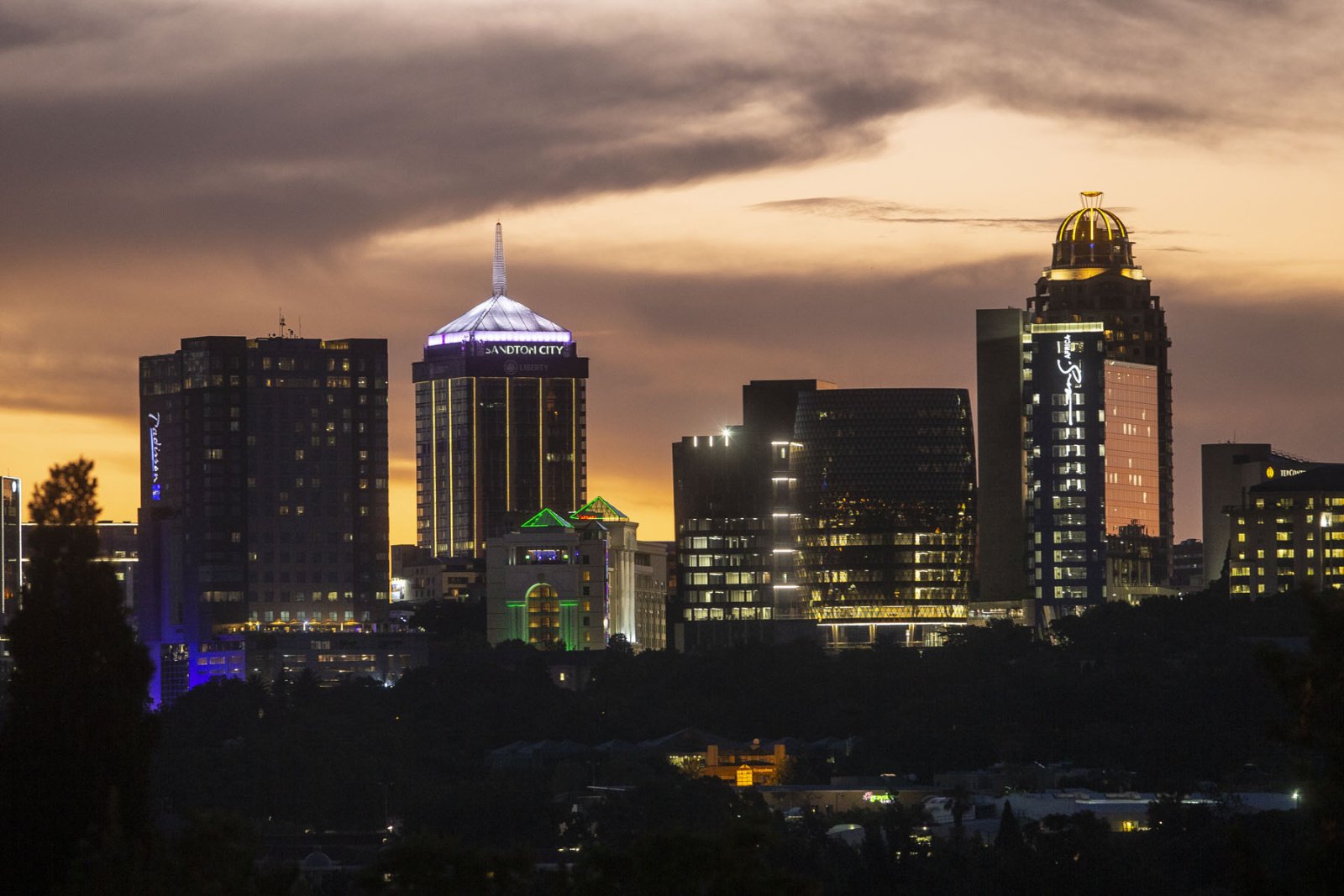
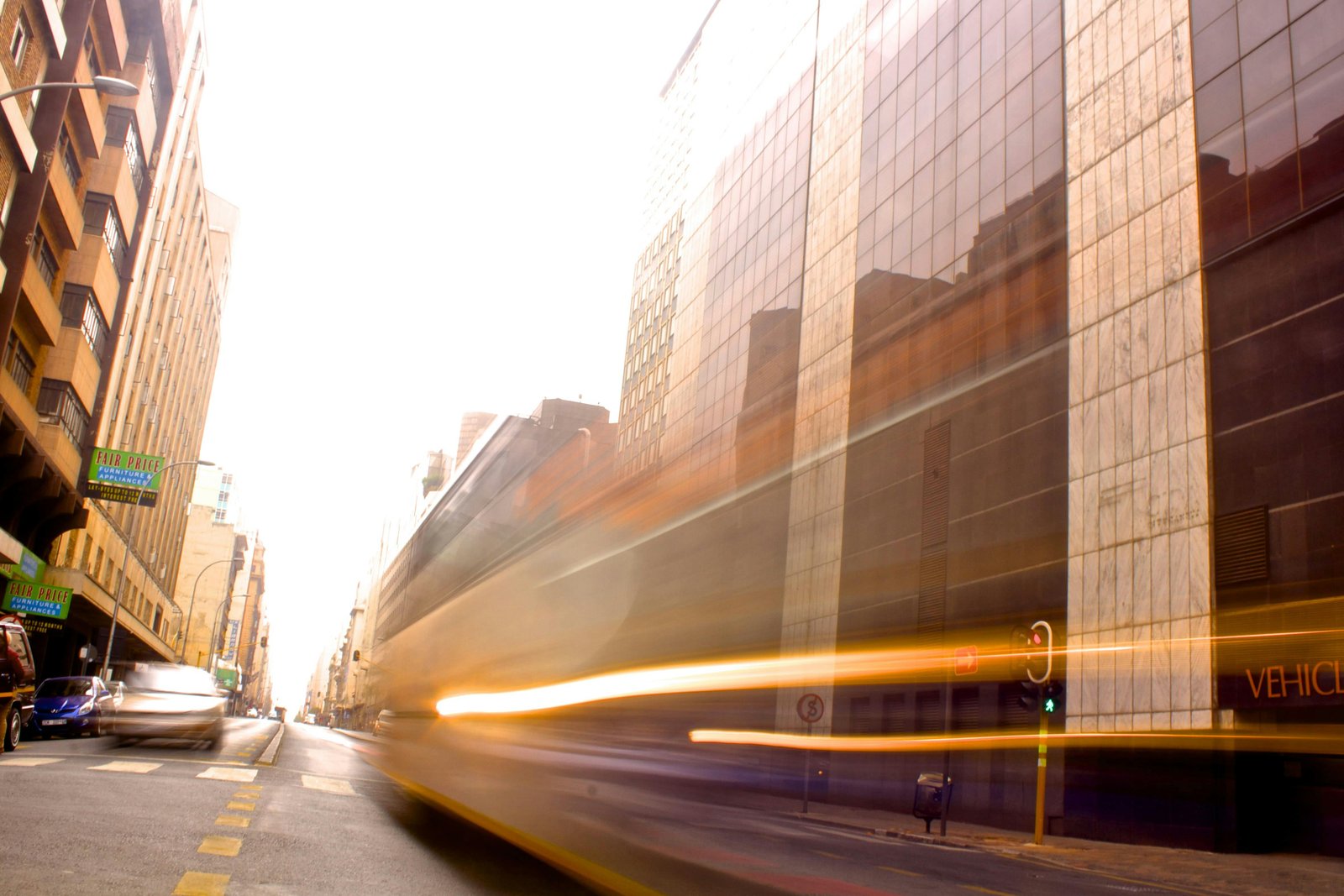
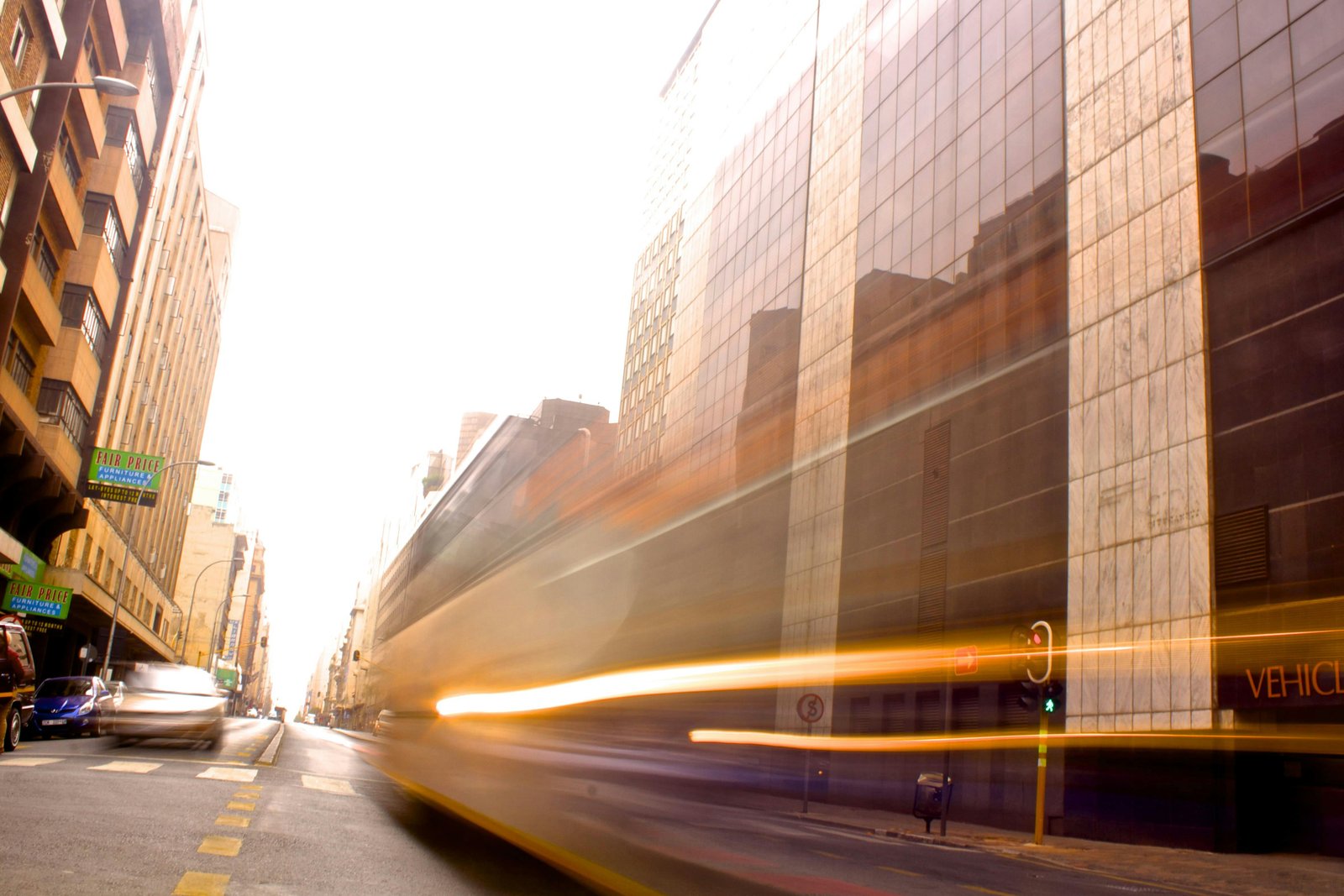
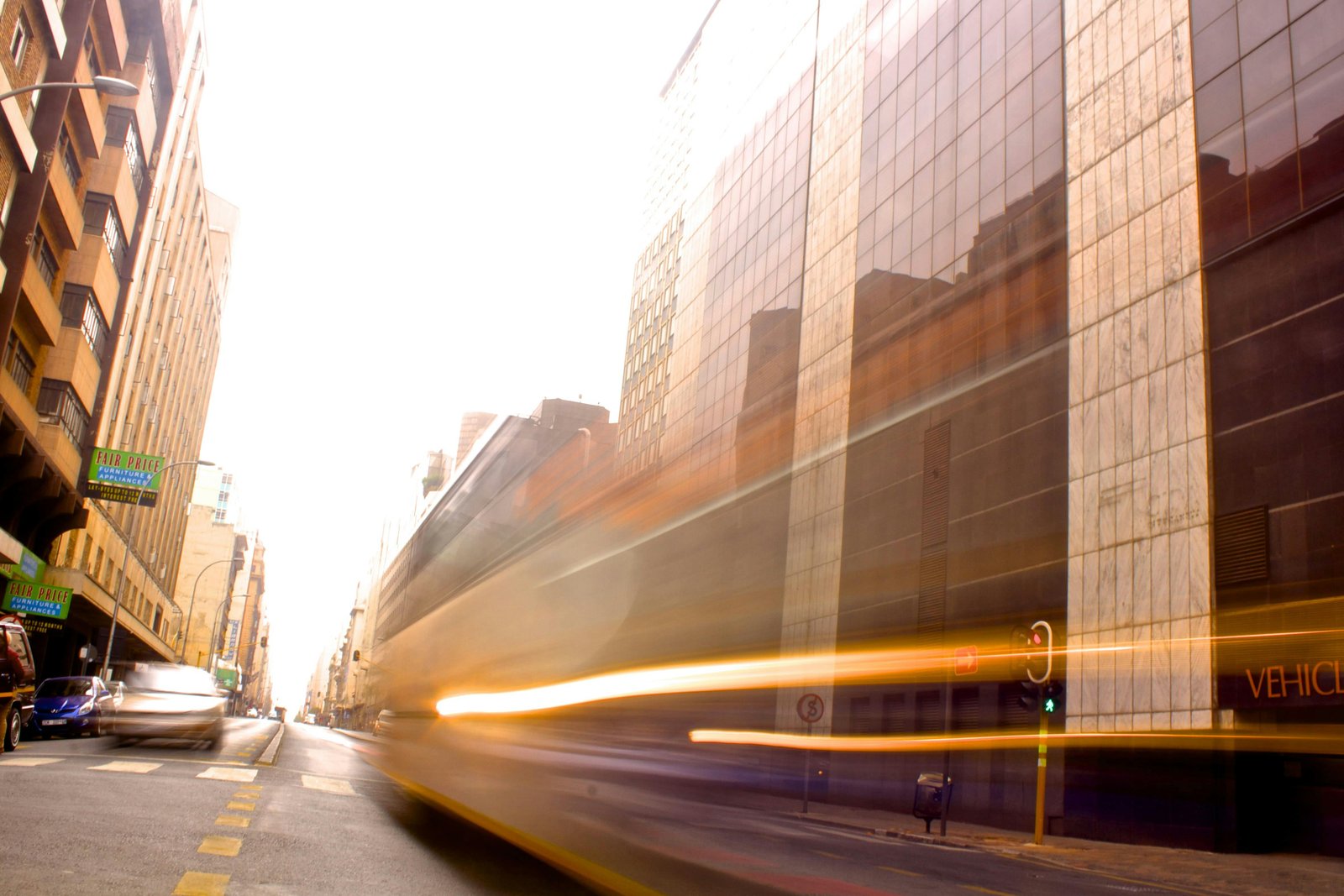
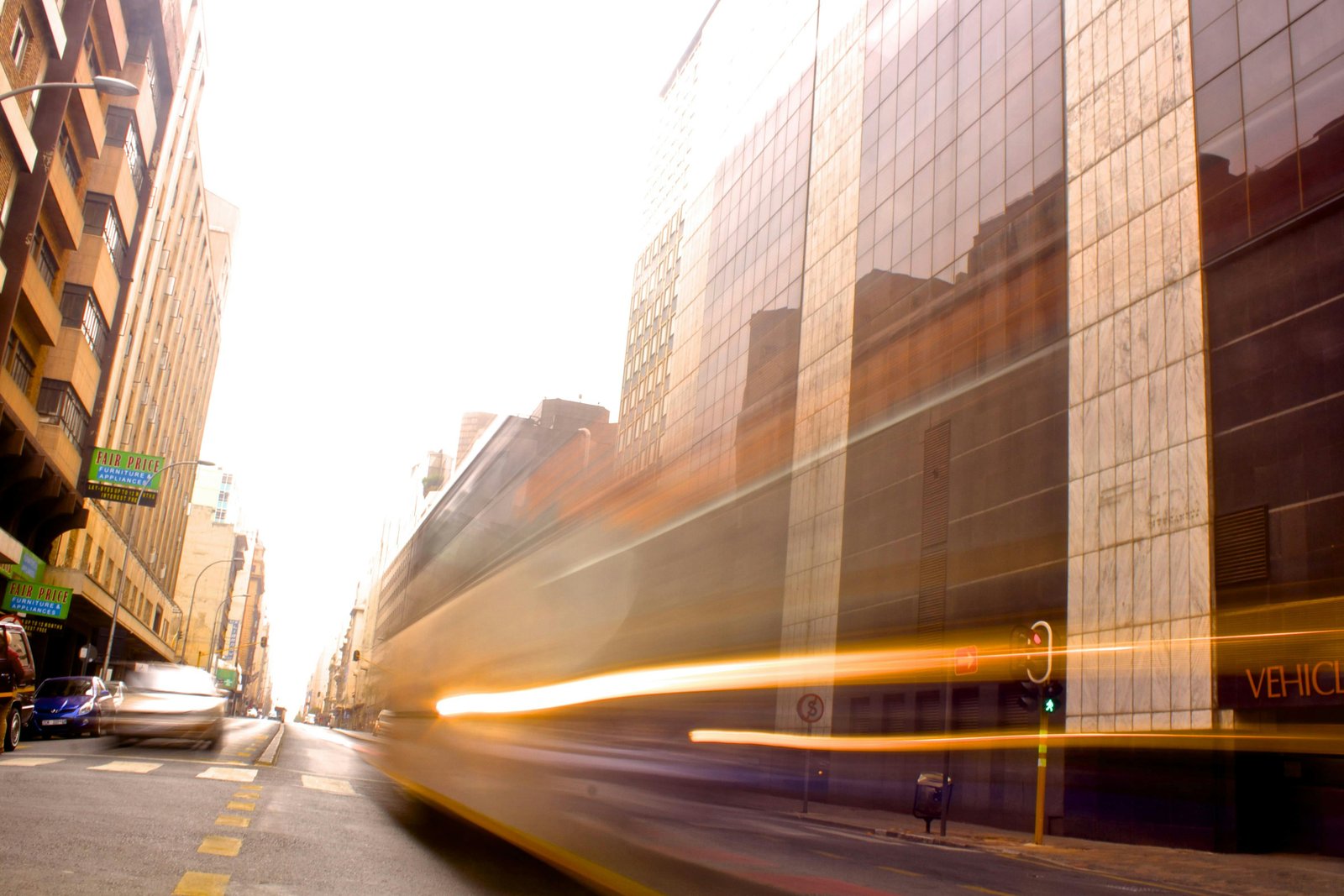
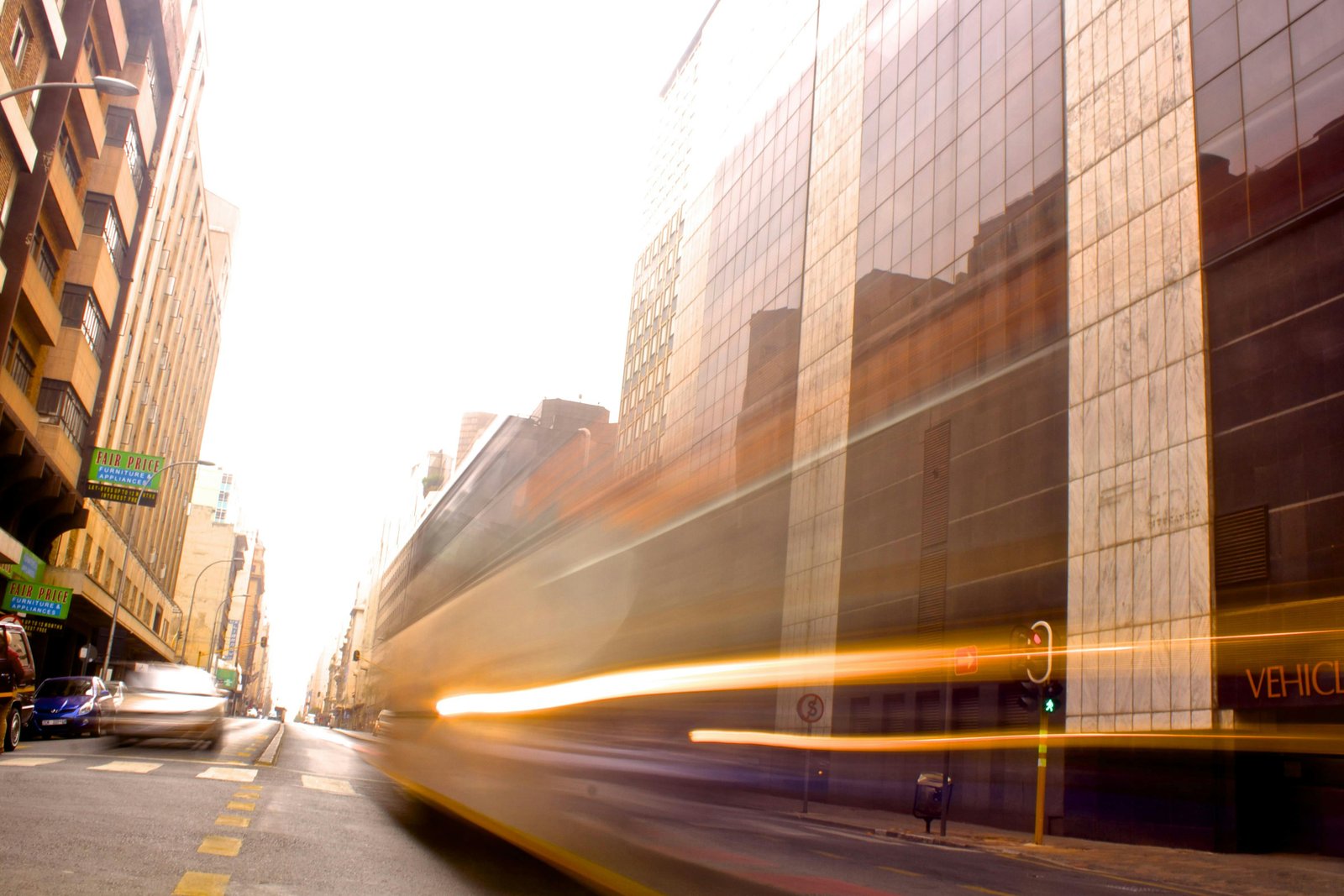
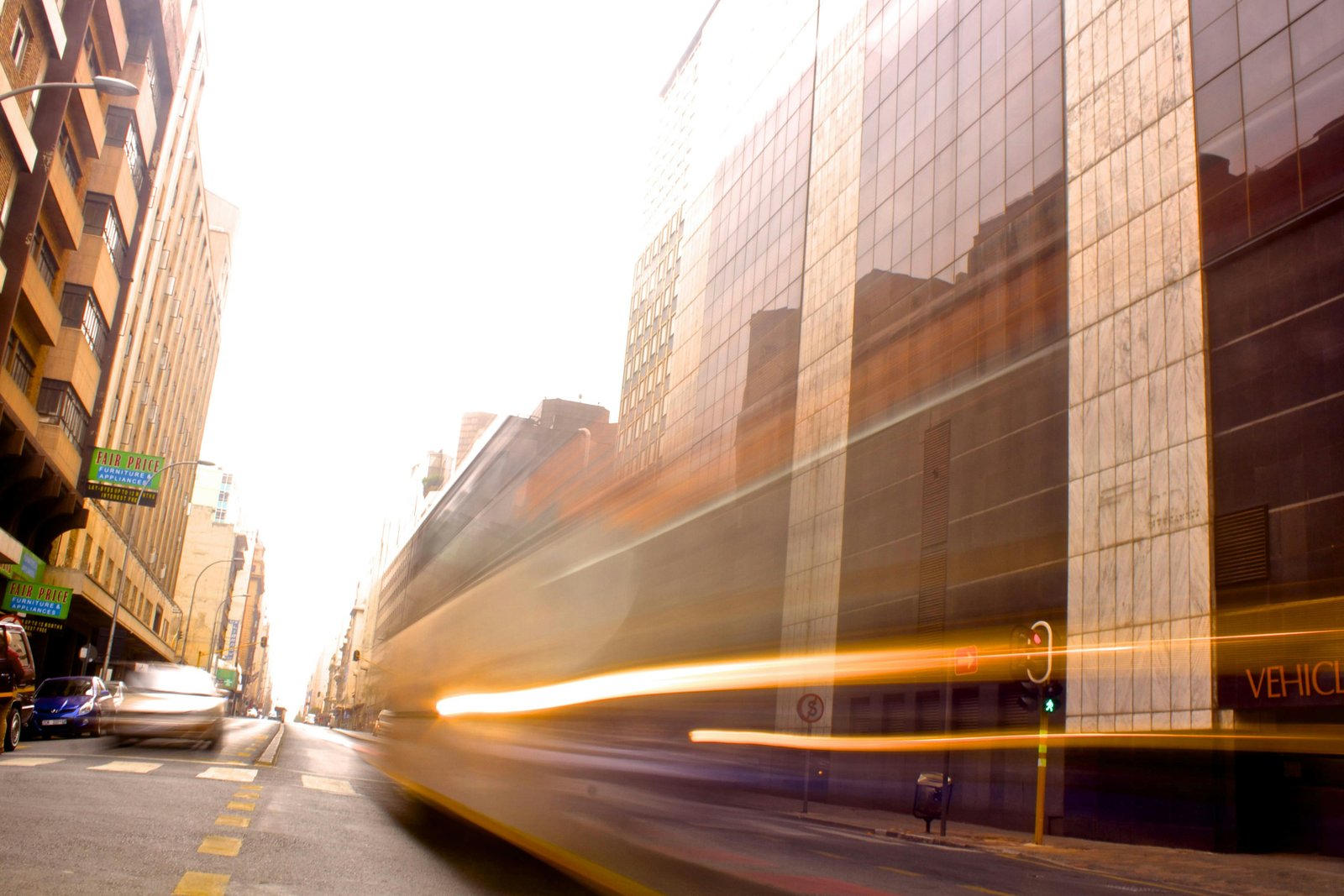
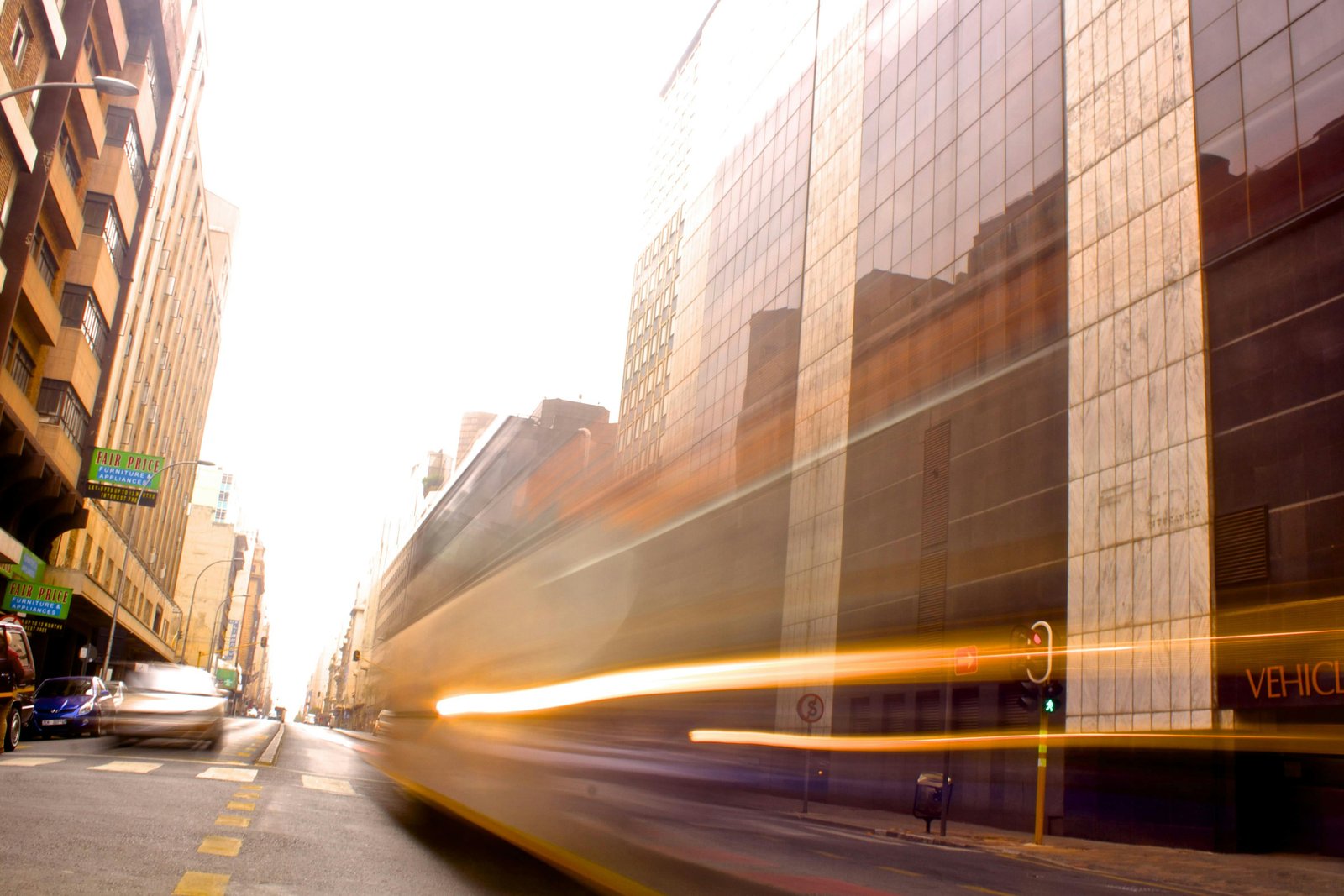
Johannesburg is the most populous city in South Africa. The City of Johannesburg itself has a population of 5,538,596, while the City of Johannesburg Metropolitan Municipality has a population of 6,599,190, making it one of the 100 largest urban areas in the world. Johannesburg is the provincial capital of Gauteng, the wealthiest province in South Africa, and seat of the country's highest court, the Constitutional Court. Situated on the mineral-rich Witwatersrand hills, the city has long been at the epicentre of the international mineral and gold trade. The richest city in Africa by GDP and private wealth, Johannesburg functions as the economic capital of South Africa and is home to the continent's largest stock exchange, the Johannesburg Stock Exchange.
- Population: 5,900,000+ (Metro Area)
- Area: 1,645 km²
- Currency: South African Rand (ZAR)
- Coordinates: Latitude: -26.204444885254, Longitude: 28.045555114746
- Timezone: Timezone info not available
- Current Local Time: ailab
Johannesburg Latest News
IOL
NPA ready for trial of man accused of threats, insults at Sandton restaurant
The state is ready to put on trial a man accused of walking into the women’s toilets at a Sandton restaurant, demanding to photograph a woman and threatening three people with death, after handing his defence the docket.
IOL
Sibiya to remain behind bars as bail judgment postponed to next Tuesday
The State has opposed bail for former deputy national police commissioner Shadrack Sibiya, citing concerns that he could flee the country or interfere with witnesses. Judgment on his bail application is expected next Tuesday.
The Citizen
‘Rwanda has not beaten us’ – Gayton McKenzie on SA hosting F1 Grand Prix
South Africa may still have good news: it could host a Formula 1 (F1) Grand Prix, even though Rwanda was selected to host one. F1 on Tuesday confirmed that the Formula 1 African Grand Prix, presented by Visit Rwanda, will debut in the early 2030s once a new FIA Grade 1 circuit in Bugesera, about 40km south of Kigali, is completed. Africa The agreement marks F1’s first race on African soil since the 1993 South African Grand Prix at Kyalami and will see the championship compete on every inhabited continent. South Africa had been pushing to host a Grand Prix, with Cabinet approving the Department of Sport, Arts and Culture’s request to submit a bid to host a race at Kyalami. While South African fans were disappointed, Sports, Arts and Culture Minister Gayton McKenzie said the country has “not been beaten by Rwanda”. South Africa not beaten McKenzie dismissed claims that South Africa lost out to Rwanda in the race to host Formula One, insisting the country’s bid remains firmly on track and that Africa should celebrate adding another race to the global calendar. Speaking passionately about South Africa’s Formula One ambitions, McKenzie congratulated Rwanda on securing a slot on the F1 calendar and rejected suggestions that the two countries were locked in a winner-takes-all contest. “I want to congratulate Rwanda. They have done the work, they applied years ago, and they deserve this moment,” McKenzie said. F1 in SA? McKenzie said South Africa is still on track to host the F1 Grand Prix in 2028 or 2029. The minister said criticism suggesting Rwanda had “beaten” South Africa reflected a misunderstanding of how Formula One host bids work. “People keep saying South Africa was beaten. Let me be clear: this is not a raffle,” he said. “Rwanda has not beaten us. Rwanda does not feature on our papers. We are still pursuing our own target, and we remain on track.” Backing McKenzie stressed that South Africa entered the process much later and was working towards securing a race in the coming years. “They started this journey long before I became minister. They’ve done what they needed to do, and we’re happy for them. Our focus is on our bid and the work that still needs to be done.” The minister revealed that South Africa has already secured backing from several major corporate partners, including MTN, Discovery and Canal+, while another major financial institution is expected to be announced soon. “We’ve spoken to the most important people, the sponsors,” he said. “We’ve got MTN, Discovery, Canal+, and a major bank that will be announced shortly. We are building a serious bid.” Default mindset McKenzie also slammed what he called a “defeatist mindset” among some South Africans who believe the continent should only host a single Formula One race. “The Middle East has four Formula One races. The United States has three. Europe has nine. Yet some people think Africa, with 54 countries, must only have one. What type of thinking is that?” he asked. “If Italy can have two Formula One races, why should an entire continent settle for one?” Rather than viewing Rwanda’s success as a setback, McKenzie argued it strengthens Africa’s standing in world motorsport and could improve the continent’s chances of attracting even more global sporting events. “We’ve won as a continent,” he said. “My congratulations to Rwanda are completely sincere.” Engaging F1 The minister said the government continues to engage key stakeholders to strengthen South Africa’s bid, revealing that President Cyril Ramaphosa is expected to travel to Abu Dhabi in December to hold further discussions linked to the country’s Formula One ambitions. “We are hard at work every day. This morning, we were finalising another major announcement for our bid,” McKenzie said. “People who understand Formula One know exactly how these processes work. We are not worried. We are focused.” McKenzie’s comments come amid growing excitement around the prospect of Formula One returning to African soil for the first time in decades, with both Rwanda and South Africa pushing high-profile bids that could mark a new era for motorsport on the continent.
The Citizen
Andile Mpisane denies deadbeat dad claims following Sithelo Shozi’s TikTok comments
Andile Mpisane has denied claims that he is an absent father. His response follows TikTok comments by his former partner, Sithelo Shozi, with whom he shares two children. Shozi commented on a TikTok video about a woman’s struggle to receive financial support from her child’s father, writing: “…six years and counting”. While she did not mention any names, her comment sparked speculation that she was referring to Mpisane. After another TikTok user commented, “I am so sorry, Sithelo,” Shozi added: “Oh, no, please don’t feel sorry for me. Taking care of my children is my ministry, and I absolutely love raising my girls; it’s all I live for. Fortunately for us, we’re also blessed through grace, just highlighting that some people present something, whereas they’re absolute deadbeats.” Andile Mpisane denies deadbeat dad claims In a statement shared on Instagram, Mpisane said he supports his children. “I have continued to contribute towards my children’s education, including paying their school fees, and I remain committed to their well-being and future,” he said. “I believe it is important to set the record straight: my responsibilities and commitment as a father should not be judged on the basis of speculation, assumptions or one-sided narratives,” he added. Mpisane said he had chosen to keep family matters private out of respect for his children. He said his decision not to discuss the matter publicly should not be interpreted as a lack of responsibility or commitment. “My focus remains firmly on rebuilding and maintaining a meaningful relationship with my children, supporting their education, and ensuring their emotional, physical and overall well-being remain a priority,” he said. View this post on Instagram A post shared by Andile Mpisane (@andilempisane10)
The South African
WATCH: Fikile Mbalula nearly collapses after ANC win at ConCourt
African National Congress (ANC) secretary-general Fikile Mbalula nearly collapsed as he was overcome by emotions after the Constitutional Court ruled in favour regarding the candidate list dispute for the 4 November local government elections. In September, the Electoral Court ruled against the ANC, and the party approached the Constitutional Court which has since ruled in its favour on Thursday, 15 October. FIKILE MBALULA OVERCOME BY EMOTIONS AFTER ANC COURT VICTORY The South African previously reported that the Constitutional Court ruling, handed down on Thursday, 15 October, follows the ANC’s appeal against an Electoral Court judgment that upheld the IEC’s decision to exclude the candidates from the ballot. The ANC approached the apex court after failing to complete the final submission of its candidate lists for six municipalities before the deadline. Addressing journalists following the court victory, an emotional Mbalula shed a tear and nearly collapsed saying the Constitution has spoken and it has spoken for the people of this country. “Let me begin with thanks because this was never the work of one office, I thank the President of the ANC for his leadership through a hard month and for insisting that at every turn this movement takes the lawful route and no other. I thank the national officials of the movement who carried this matter with patience, which was not easy,” he said. ANC VS IEC | “The Constitution has spoken, and it has spoken for the people of this country,” says ANC Secretary-General Fikile Mbalula, who is emotional and brought to tears following the party’s victory in the Constitutional Court. pic.twitter.com/2zYc7pXGtc— SABC News (@SABCNews) October 15, 2026 Fikile Mbalula was overcome by emotions and nearly collapsed before he could finish responding to questions posed by journalists and had to be helped out of the court room, “I’m not feeling well,” he said. [WATCH] Fikile Mbalula is overwhelmed with emotion, almost collapsing during a media briefing after the Constitutional Court ruled in favour of the ANC. #Newzroom405 pic.twitter.com/g9PgU9jSB1— Newzroom Afrika (@Newzroom405) October 15, 2026 IEC ORDERED TO INCLUDE FORMER RULING PARTY’S CANDIDATES ON BALLOTS On Thursday, Constitutional Court Justice Rammaka Mathopo said the IEC’s decision to reject the ANC’s candidate lists in the six municipalities had been set aside. “The first respondent, which is the IEC, is directed to do all things necessary to include the party lists and ward candidate nominations mentioned in paragraph four of this order, and the lists and nominations onto the ballot papers and all other relevant processes for the purposes of the 4 November 2026 local elections,” he said. The ruling means the IEC must take the necessary steps to include the affected ANC candidates in the electoral process ahead of the upcoming local government elections.
The South African
Rankings: All Blacks can move within touching distance of Springboks
In September, the Springboks opened up a handy buffer at the top of the World Rugby rankings as they claimed a 43-28 victory in the fourth Test against the All Blacks, which also secured a 3-1 series win. However, since then the Springboks suffered a shock 42-38 defeat to the Wallabies, which saw South Africa lose two full rankings points. This past weekend the All Blacks, in turn, picked up a comrehensive win over Australia, which saw the Kiwis add 0.66 World Rugby ranking points, while the Wallabies lost an equivalent amount. New Zealand moved to 91.81 points, 1.28 behind the Springboks. The All Blacks and Australia will go back into battle this weekend, and New Zealand can gain up to 0.46 rating points for beating Australia in Sydney. This result would see the All Blacks close to 0.82 rating points behind South Africa going into the Nations Championship in November. Meanwhile, Australia will climb above England into fifth if they end a 12-match losing streak against New Zealand with a win in the second Bledisloe Cup Test in Sydney. A win by more than 15 points would also lift the Wallabies above France into fourth, but they will drop a place to seventh if beaten. HERE IS HOW THE RANKINGS LOOK AS THE SPRINGBOKS CLING ONTO TOP SPOT RankCountryPoints1South Africa93.092New Zealand91.153Ireland88.084France87.435England85.686Scotland84.787Australia83.558Argentina82.249Fiji78.0010Wales76.3811Italy76.3012Japan76.0913Georgia73.9414USA69.4915Portugal69.3916Chile66.9417Spain66.8318Uruguay65.7519Tonga65.1420Samoa64.73 BLEDISLOE CUP MATCH INFORMATION FOR SATURDAY Australia: 15 Tom Wright, 14 Max Jorgensen, 13 Joseph-Aukuso Suaalii, 12 Isaac Henry, 11 Harry Potter, 10 Declan Meredith, 9 Ryan Lonergan, 8 Harry Wilson (captain), 7 Fraser McReight, 6 Rob Valetini, 5 Jeremy Williams, 4 Lukhan Salakaia-Loto, 3 Allan Alaalatoa, 2 Josh Nasser, 1 Aidan Ross.Replacements: 16 Billy Pollard, 17 Angus Bell, 18 Massimo De Lutiis, 19 Josh Canham, 20 Carlo Tizzano, 21 Kalani Thomas, 22 Harry McLaughlin-Phillips, 23 Filipo Daugunu. New Zealand: 15 Beauden Barrett, 14 Will Jordan, 13 Quinn Tupaea, 12 Jordie Barrett, 11 Josh Moorby, 10 Damian McKenzie, 9 Cam Roigard, 8 Wallace Sititi, 7 Peter Lakai, 6 Tupou Vaa’i, 5 Fabian Holland, 4 Scott Barrett, 3 Fletcher Newell, 2 Codie Taylor (captain), 1 George Bower.Replacements: 16 Samisoni Taukei’aho, 17 Xavier Numia, 18 Pasilio Tosi, 19 Shannon Frizell, 20 Du’Plessis Kirifi, 21 Cortez Ratima, 22 Timoci Tavatavanawai, 23 Rieko Ioane. Date: Saturday, October 17:Venue: Accor Stadium, SydneyKick-off: 07:00 (SA Time)Referee: Luke Pearce (RFU)Assistant referees: Andrew Brace (IRFU), Damian Schneider (UAR)TMO: Marius van der Westhuizen (SARU)
TechCentral
Armoured cars and cyber cover: the new executive perks in South Africa
Median pay for CEOs of the JSE's 200 largest companies rose to R23.2-million as bonuses jumped 42%.
TechCentral
Your car’s ADAS may be seeing skew
Skip camera recalibration after a windscreen swap and features like emergency braking may misfire, the AA has warned.