johannesburginfo Landing Page

johannesburginfo News Guide

Get updated about Johannesburg, and more Get updated about Johannesburg Business and South African News
johannesburginfo Service

Johannesburg South Africa

This website uses cookies to ensure you get the best experience on our website. By clicking "Accept", you agree to our use of cookies. Learn more

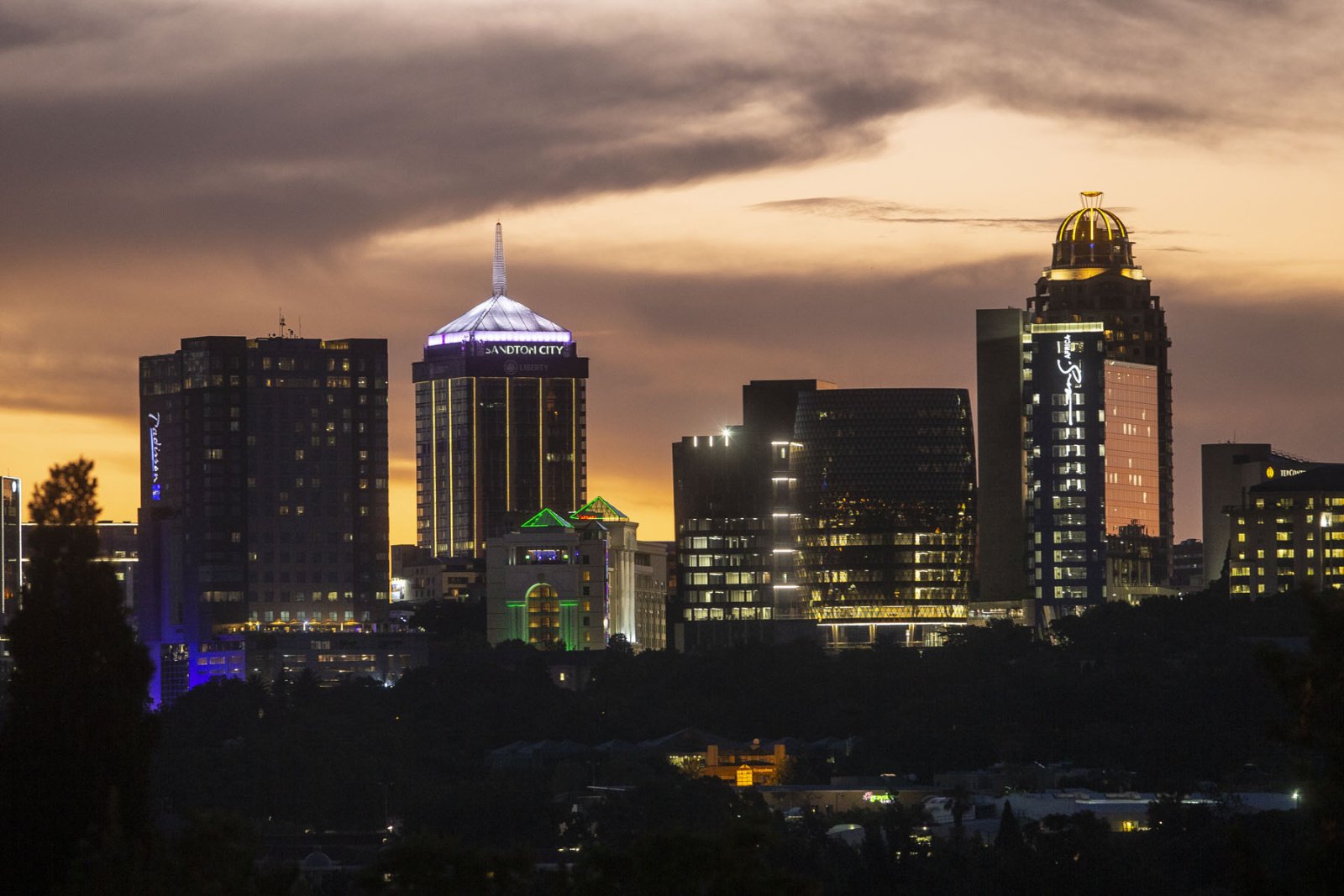
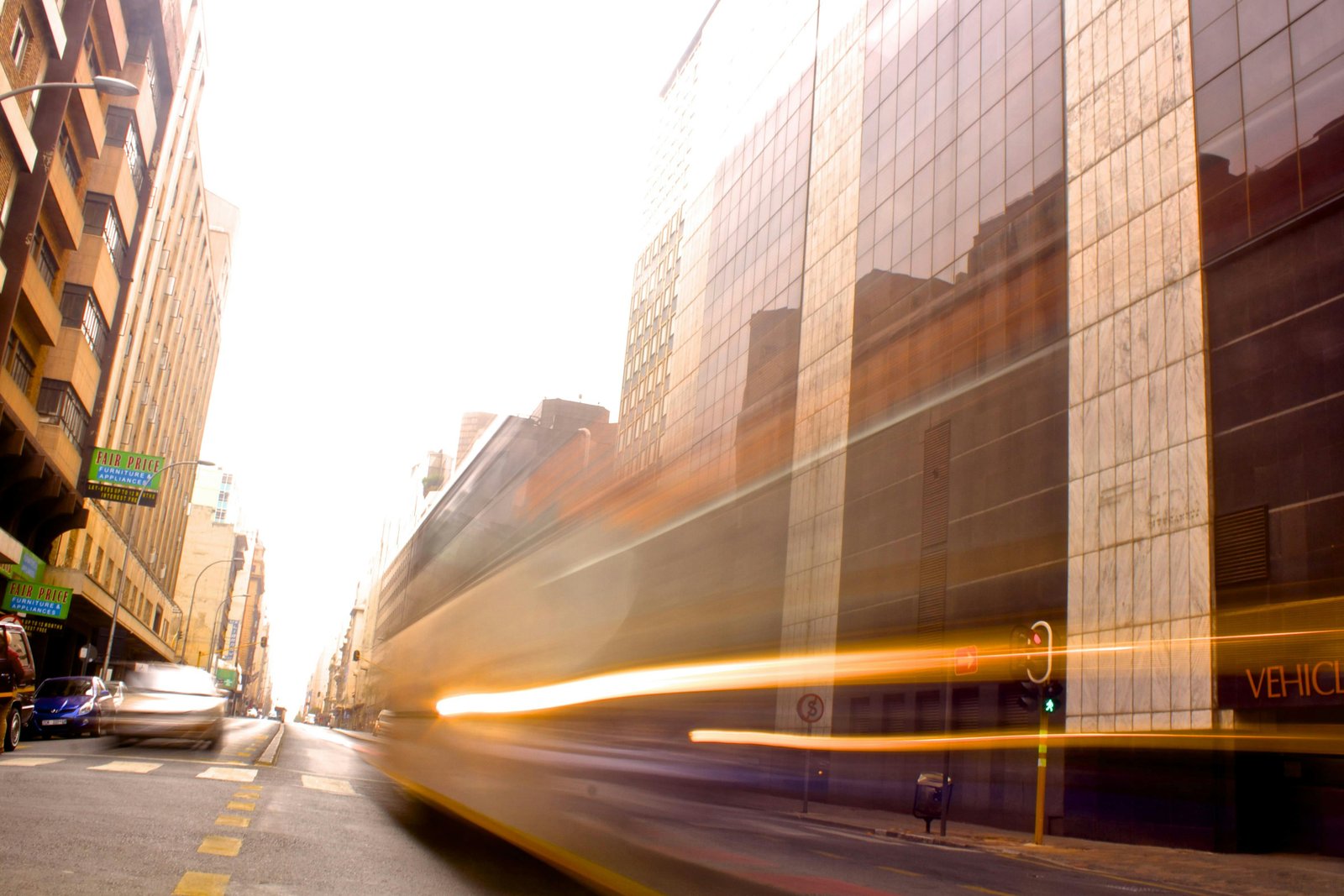
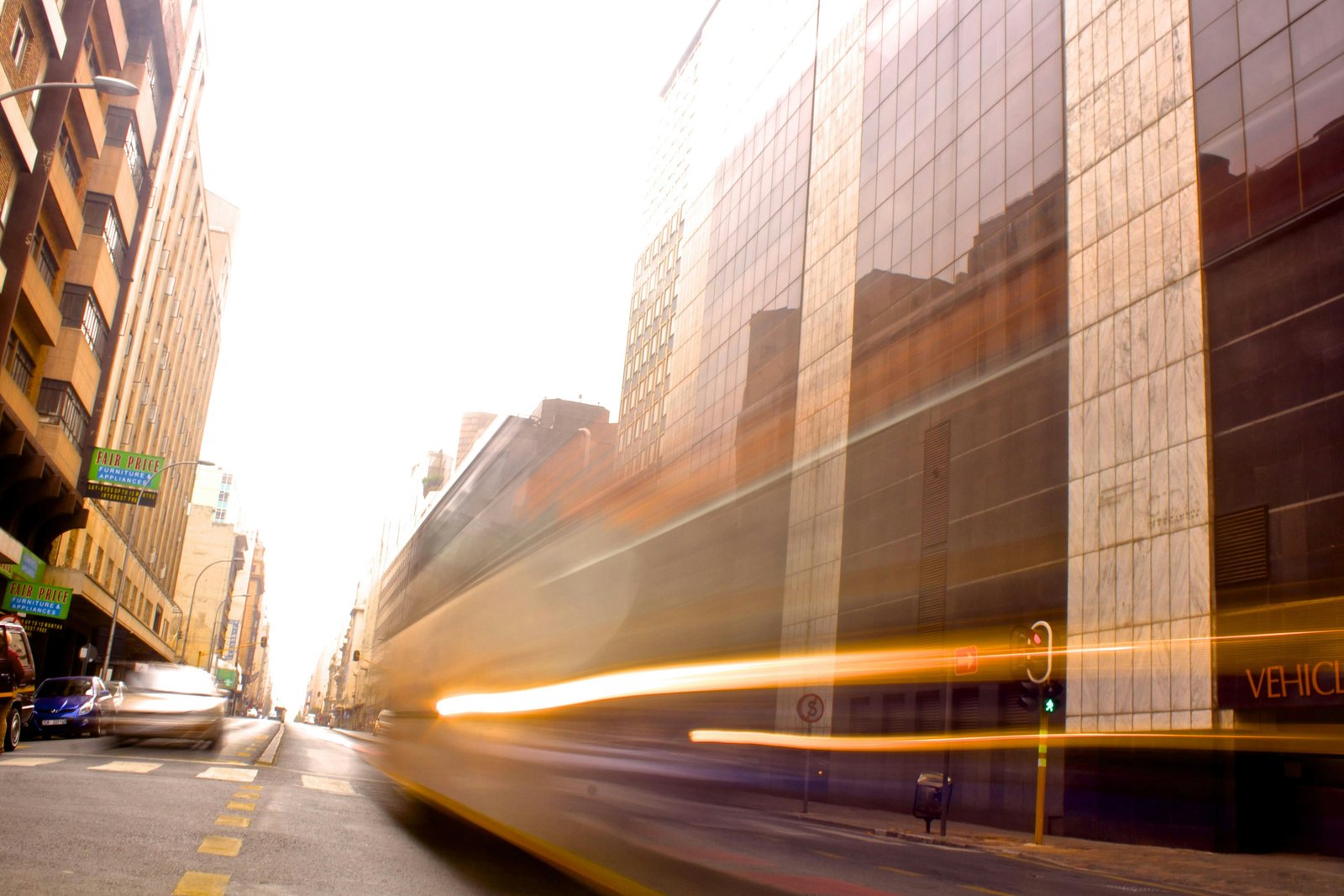
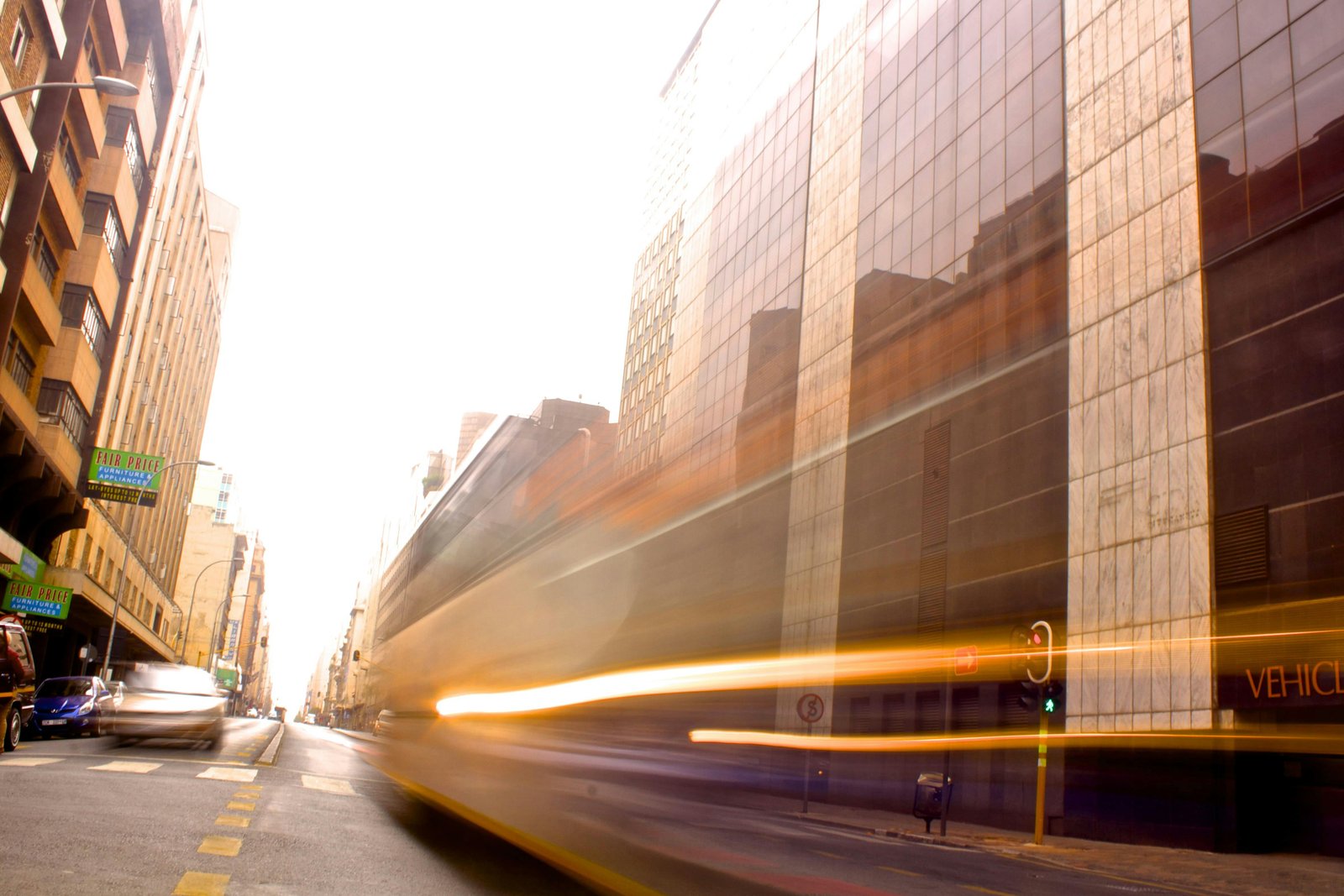
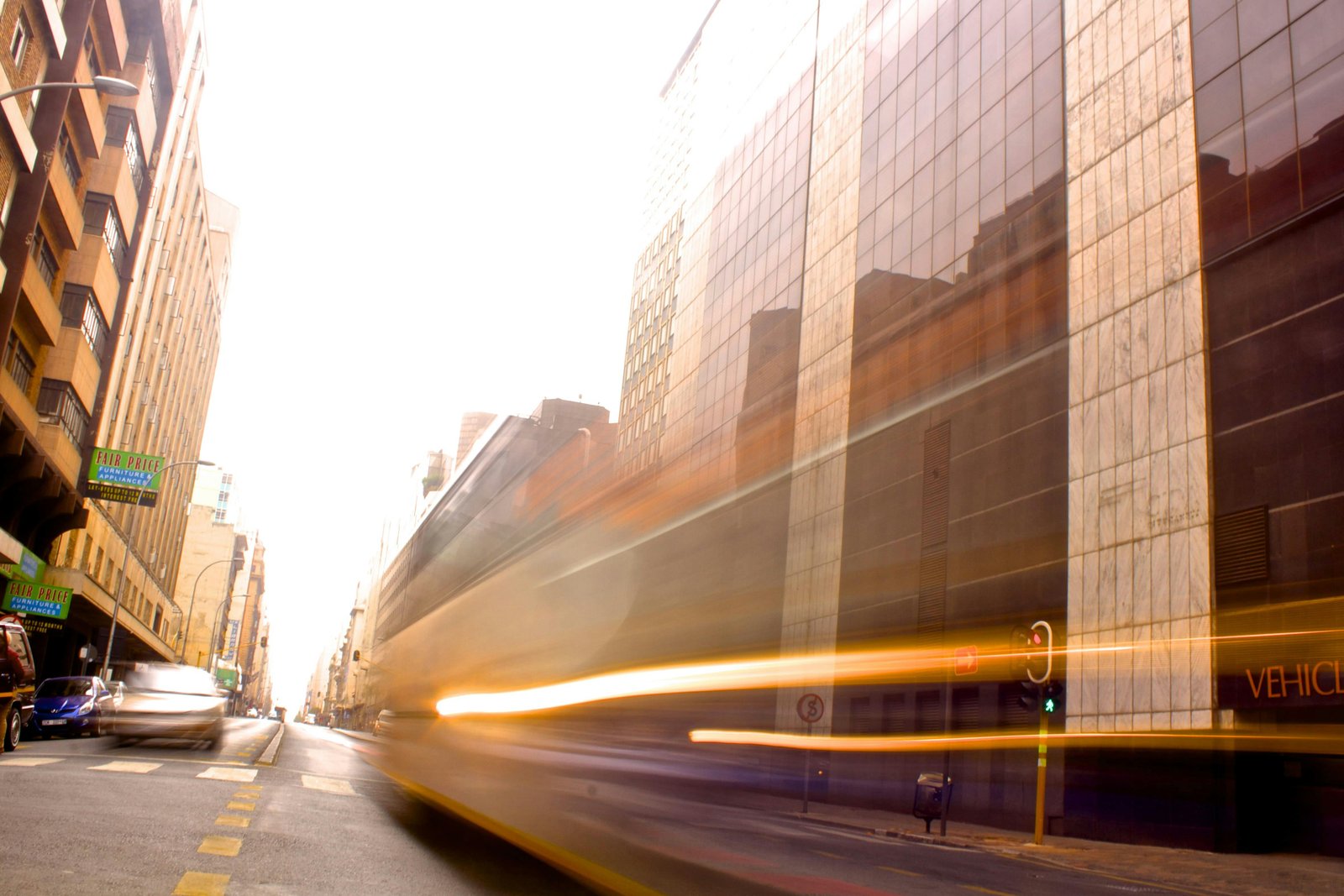
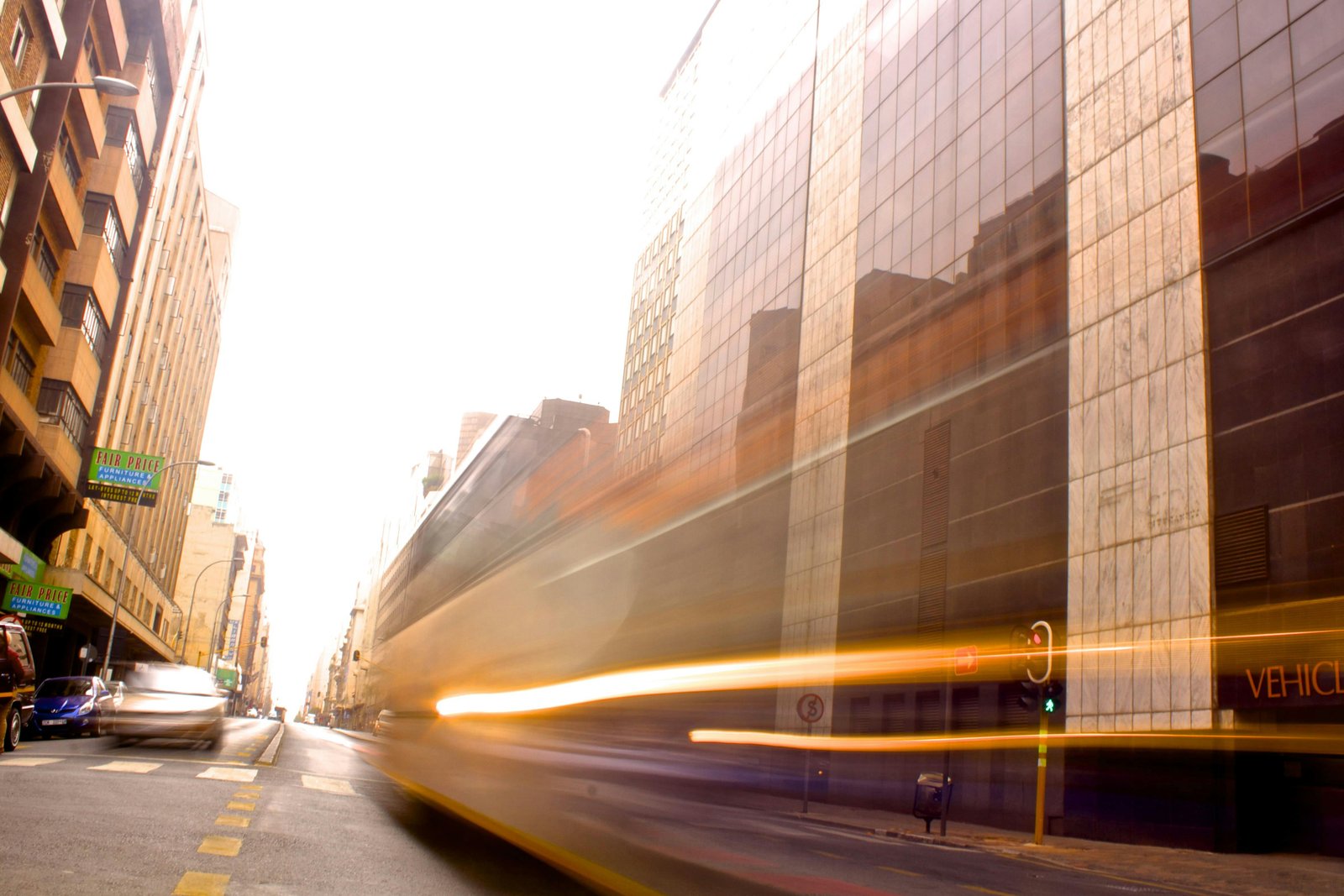
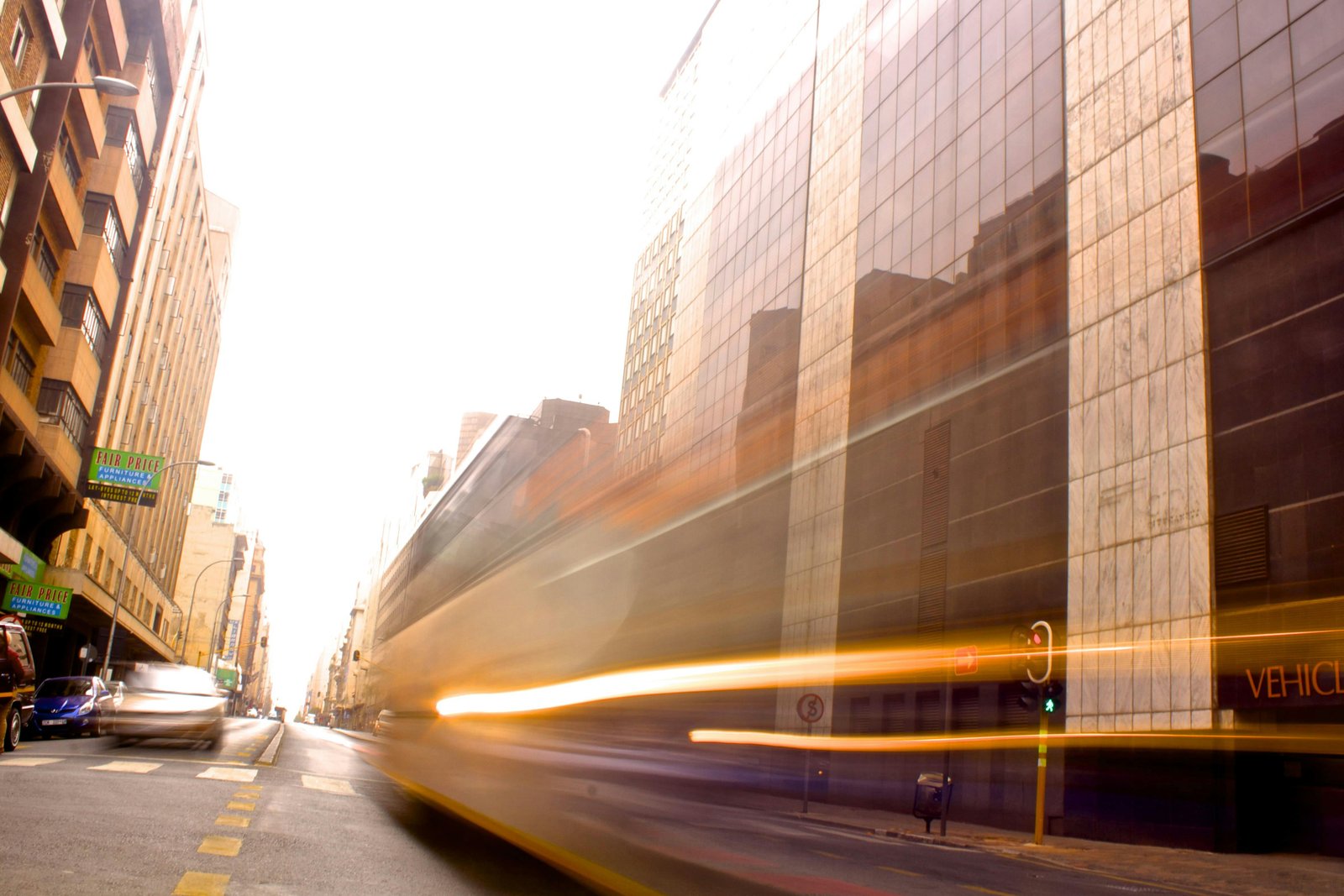
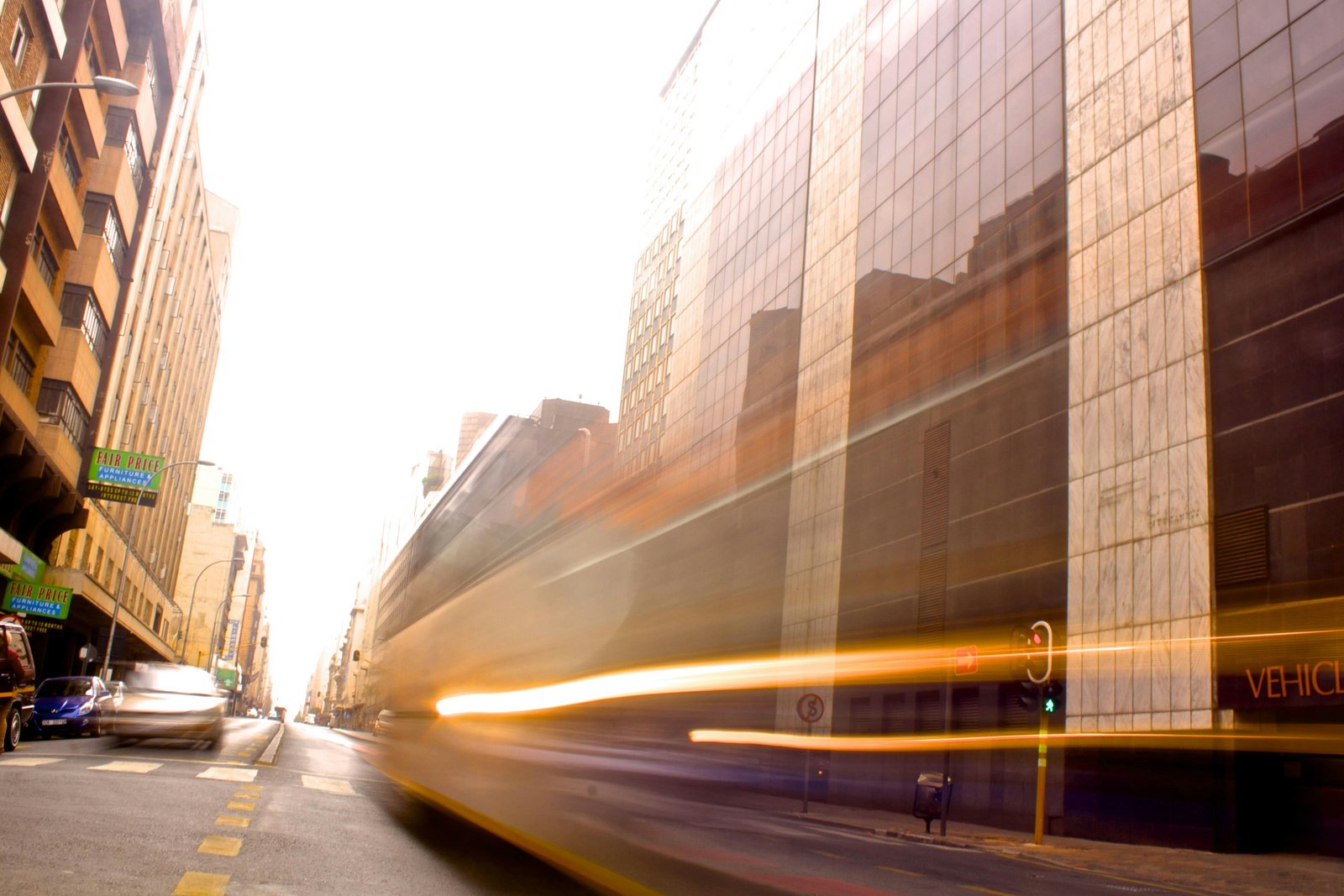
Johannesburg South Africa skyline city lights and Sandton
Johannesburg City Information

Johannesburg

Johannesburg

General Information

Johannesburg is the most populous city in South Africa. The City of Johannesburg itself has a population of 5,538,596, while the City of Johannesburg Metropolitan Municipality has a population of 6,599,190, making it one of the 100 largest urban areas in the world. Johannesburg is the provincial capital of Gauteng, the wealthiest province in South Africa, and seat of the country's highest court, the Constitutional Court. Situated on the mineral-rich Witwatersrand hills, the city has long been at the epicentre of the international mineral and gold trade. The richest city in Africa by GDP and private wealth, Johannesburg functions as the economic capital of South Africa and is home to the continent's largest stock exchange, the Johannesburg Stock Exchange.

Living Expenses

Salaries

Top Attractions

Major Events

Johannesburg Travel Videos – Sandton, Soweto, CBD, Rosebank, Melrose Arch & More

🇿🇦 Johannesburg Travel Videos

Sandton, Soweto, Johannesburg CBD, Rosebank, Melrose Arch, Parkhurst, Maponya Mall, and real life across Johannesburg in 4K

Explore Johannesburg Through Video

Real YouTube travel footage with working watch links for every video.

Sandton

Business towers, upscale malls, Nelson Mandela Square, and city nightlife.

Johannesburg CBD

Downtown streets, Commissioner Street, Gandhi Square, and real urban life.

Soweto

Township streets, Maponya Mall, Protea North, and cultural walking tours.

Rosebank & Melrose Arch

Shopping areas, nightlife, and modern mixed-use districts.

Johannesburg Travel Highlights

This Johannesburg video page is built for visitors who want real places, real streets, and real travel footage. It focuses on the most searched destinations in Johannesburg, including Sandton, Soweto, Johannesburg CBD, Rosebank, Melrose Arch, Parkhurst, Maponya Mall, and nearby city districts.

1. Johannesburg, South Africa - Walking Tour 4k

A real walking tour through Johannesburg showing city streets, traffic, neighborhoods, and everyday urban life.

2. Sandton, Johannesburg walking tour 4K

A detailed Sandton walk through Africa’s richest square mile with modern streets, office towers, and retail districts.

3. Sandton – Walking Africa's Richest Square Mile & Nelson Mandela Square South Africa 2026 [4K HDR]

A scenic Sandton video focused on Nelson Mandela Square, luxury surroundings, and a polished city atmosphere.

4. Walking Tour of Sandton City, Johannesburg in 4K

A walking tour inside Sandton City with malls, walkways, and busy urban movement.

5. Sandton City Walking Tour - 4K

A real Sandton City tour showing shopping areas, modern buildings, and commercial city life.

6. Walking Tour: Sandton City, Johannesburg

A focused Sandton City walk with prominent office buildings and an upscale Johannesburg feel.

7. Walking in Sandton in the rain 4K

A rainy-day Sandton walk showing the district’s streets, sidewalks, and moody city atmosphere.

8. 4K WALK | SANDTON | Johannesburg SOUTH AFRICA ...

A 4K Sandton walking video showing roads, buildings, and the busy business hub of Johannesburg.

9. Fearless Drive in Sandton City: Johannesburg's Luxury Hub

A stylish Sandton travel video highlighting the luxury side of Johannesburg.

10. Johannesburg CBD Walking Tour | Commissioner Street in 4K

A real Johannesburg CBD walk focused on Commissioner Street with busy sidewalks and downtown energy.

11. Johannesburg Downtown in South Africa | 4KWalk

A downtown Johannesburg video showing central streets, daily movement, and city-center scenery.

12. WALKING THROUGH THE STREETS OF JOHANNESBURG ...

A street-level walk through central Johannesburg with taxi ranks, traffic, and real city life.

13. Downtown streets,daily life walking tour Johannesburg South Africa

A downtown Johannesburg video focused on daily life and urban streets.

14. Johannesburg 4K HDR Drone Tour: Gandhi Square to Nelson Mandela Bridge

An aerial Johannesburg city tour covering Gandhi Square and the Nelson Mandela Bridge area.

15. Johannesburg Hop on Hop off Tour 4K FULL TOUR

A full Johannesburg sightseeing tour covering major city stops and downtown highlights.

16. THE REAL SOUTH AFRICAN LIFE | RUSH HOUR IN ...

A rush-hour Johannesburg walk showing transport, commuting, and busy city movement.

17. This is Johannesburg South Africa! That Everyone is Visiting in 2025

A Johannesburg visit video showing local streets and an everyday South African urban setting.

18. The Real South African Life | Richest ...

A street walk in Johannesburg highlighting residential and urban life in South Africa.

19. South Africa Night life - Johannesburg Melrose arch Walking tour ...

A night walk through Melrose Arch showing nightlife, lights, and an upscale Johannesburg district.

20. 4K- Walking Tour of the Zone at Rosebank mall in Johannesburg at Lunchtime

A Rosebank walk around the Zone mall with lunchtime activity and modern city energy.

21. Ridgeview Shopping Centre Walk Johannesburg Suburb ...

A suburban Johannesburg walk through Ridgeview Shopping Centre with local shopping and daily life.

22. Cradlestone Mall Walkthrough | Johannesburg Shopping Tour ...

A Johannesburg shopping tour featuring Cradlestone Mall and retail lifestyle scenes.

23. Walking Tour of Sandton City Mall in Johannesburg at ...

A detailed mall walk in Sandton City with retail corridors and indoor urban life.

24. 4K- Walking Tour of 4th Avenue Parkhurst in Johannesburg at ...

A walk along 4th Avenue in Parkhurst showing cafés, streets, and a relaxed neighborhood feel.

25. 4K- Walking Tour of Lanseria Airport in Johannesburg at ...

A video walk around Lanseria Airport area with travel and transport scenes near Johannesburg.

26. Full day Johannesburg and Soweto tour

A full-day tour covering Johannesburg and Soweto with landmarks, neighborhoods, and guided travel scenes.

27. Soweto, South Africa 4K HDR Drone: From Walter Sisulu ...

A drone-based Soweto video with neighborhood views and historical South African context.

28. SOWETO PART-1 | WALKING | MAPONYA MALL | JOHANNESBURG | SOUTH AFRICAN YOUTUBER

A Soweto walk centered on Maponya Mall with township life and local movement.

29. SOWETO PART-2 | WALKING | Maponya Mall | Pimville ...

A continuation of the Soweto walk covering Maponya Mall and Pimville.

30. SOWETO SOUTH AFRICA IN 4K | TUK TUK TOUR THROUGH HISTORIC STREETS & CULTURE

A Soweto tuk-tuk tour through historic streets and cultural areas.

31. THE BIGGEST MALL LOCATED IN THE TOWNSHIP ...

A Soweto mall video centered on Maponya Mall and township shopping life.

32. THE REAL SOUTH AFRICA YOU MUST SEE!! | PROTEA ...

A Protea North Soweto walk showing neighborhood streets and local housing.

33. Johannesburg 4K Walk | Rosebank to Parktown

A city walk connecting Rosebank and Parktown with urban streets and daily movement.

34. 4K WALK | JOHANNESBURG | SOUTH AFRICA | CITY CENTER

A straightforward city-center walk through Johannesburg showing core downtown streets.

35. Johannesburg CBD Walk | Daily Life in the City Centre

A real Johannesburg CBD video focused on daily life in the city centre.

36. Johannesburg South Africa 4K Walk | Inner City Streets

A broader inner-city Johannesburg walk with streets, traffic, and an authentic urban mood.

37. South Africa Night life - Johannesburg Melrose arch Walking tour ...

A second Melbourne Arch-style city nightlife walk with lights, restaurants, and evening movement.

38. Johannesburg City Walk 4K | Gauteng South Africa

A Johannesburg city walk showing the central Gauteng urban landscape.

39. Johannesburg Travel Guide 4K | South Africa City Tour

A travel-style Johannesburg city guide covering major places and useful sightseeing footage.

40. Johannesburg Attractions 4K | South Africa Travel Video

A travel video that highlights Johannesburg attractions and skyline views.

Johannesburg News

Johannesburg Latest News

The Mail & Guardian
KZN village cut off as deadly river crossings claim lives 
The village of uMhlwazi, which sits among the rolling mountains of uMhlumayo in KwaZulu-Natal’s uThukela district, feels forgotten. With barely any services and almost entirely cut off from the rest of the predominantly rural district, daily life in the impoverished village is marked by isolation and hardship. The Mail & Guardian witnessed first-hand the struggles faced by residents trying simply to move in and out of the community. After more than three hours on a heavily potholed tar road that ends halfway, the journey continued along a punishing gravel route leading to the village. uMhlwazi lies roughly three hours from the seat of the Alfred Duma local municipality, headquartered in the town of Ladysmith, known to locals as eMnambithi. Running through the middle of the village is the Indaka River, both a lifeline and a danger to residents. With no water infrastructure, villagers rely on the river as their only source of water, sharing it with livestock. But locals say the river has also claimed six lives over the years, earning it the grim nickname: “the river of death”. Community leader Khanyisani Sibisi initially appeared reluctant to speak to the M&G. “Nizohlekisa ngosizi lwethu,” he said angrily. “You’re here to make a mockery of our struggles. People are perishing here.” Village elder Mboniseni Mazibuko later explained the source of Sibisi’s frustration. “Please pardon him. He lost his younger brother in these waters,” Mazibuko said, pointing at the river. “Government officials have come here and made a lot of promises. People are angry.” Pupils not only walk kilometres to reach Mandlakhe High School, the only secondary school serving several surrounding villages but must also risk crossing the Indaka River, which residents say is infested with crocodiles. The community has never had a bridge connecting it to the other side. Local councillor Bongani Nicholas Madondo said the provincial department of transport must take responsibility for the community’s ongoing suffering. “Government officials and the department of transport have visited this area several times and made many promises,” Madondo said. “The first was former KwaZulu-Natal transport MEC Willies Mchunu, who presided over a sod-turning ceremony and promised a bridge would be built. Nothing came from that. The current education MEC, Sipho Hlomuka, also conducted a sod-turning ceremony in 2023.” Madondo said residents remained traumatised by repeated drownings, including the death of 36-year-old Lungeleni Shabalala. Shabalala had travelled to Ladysmith, the nearest town serving the surrounding villages, to buy household items when she drowned while attempting to cross the river, he said. Her body was recovered the following afternoon. “Two learners have also died in similar incidents,” said Madondo. “Parents sometimes keep their children at home during rainy days because they fear for their safety. The situation is catastrophic.” He said the lack of a bridge also stripped grieving families of dignity during funerals. “During burials, families are forced to carry coffins across the river,” he said. “It completely takes away their dignity.” Mncedisi Maphisa, chairperson of the transport portfolio committee in the KwaZulu-Natal legislature, described the situation as “a travesty of justice”. “We will seek answers about what happened to the funds meant for the construction of this much-needed bridge,” Maphisa said. “If there are people who must be held accountable, heads will roll.” In the nearby village of Mbondwane, about 15km away, residents described similar hardship. The only bridge serving the community was damaged during floods, forcing parents to carry children on their backs across dangerous sections so they can reach Mnyanda Primary School. Villagers also told the M&G that there are no nearby clinics and that poor cellphone reception leaves them isolated.  “We are shut off from the world because there’s no network in our village,” said resident Sphelele Gumede. “We have to climb the mountains just to make calls or receive important ones.” uMhlumayo falls under the traditional leadership of eMangweni. KwaZulu-Natal transport department spokesperson Ndabezinhle Sibiya said he was uncertain about the status of the bridge project. “I will have to check with the engineers regarding the status of the bridge,” he said.
The Mail & Guardian
Court puts municipality in its place
A court case that most South Africans probably scrolled past this month deserves a lot more attention than it got. On 30 April 2026, the Western Cape High Court ruled that Cape Town’s fixed charges for citywide cleaning, water and sanitation were unlawful and unconstitutional.  The South African Property Owners Association (Sapoa) brought the case and won. The city has since decided not to appeal, which tells you everything you need to know about the strength of its legal position. The issue was that Cape Town had structured the fixed service charges so that the amount you paid was calculated based on your property’s value. The more expensive your property, the more you paid for cleaning and basic water, regardless of how much water you used or how much rubbish you generated.  The court found that linking a service charge to property value converts it into a property tax in disguise. Municipalities don’t have the legal authority to introduce new property taxes. That power sits with the national government. What looked like a service charge was, legally speaking, an unlawful levy. The city is scrambling to rework a budget that depended on roughly R2 billion in revenue from those charges. A new draft budget goes out for public comment on 27 May 2026. Sapoa has said citywide cleaning should be funded through property rates, the mechanism that exists for broad-based municipal expenditure. The city appears to agree. Why does this matter beyond the Western Cape? The ruling is a mirror being held up to every municipality in the country. Municipalities have a problem and it is one that few are willing to talk about honestly. They are over-reliant on a small group of people to fund their budgets — property owners. Property taxes and rates make up a disproportionate share of municipal income in most of our major cities.  When you add surcharges and service fees that get stacked on top of rate bills, a significant portion of what municipalities collect comes from the same pool of ratepayers. That is not a sustainable funding model and it creates a political temptation that is almost impossible to resist. To put it another way, if you need more money, you look at property owners because they’re paying, their properties are registered and they’re relatively easy to bill. Cape Town’s value-linked charges were a version of that temptation. Instead of going through the proper legislative process to increase rates, which requires alignment with the national framework and public consultation, the city found a creative workaround.  Link the service charge to property value, collect more from higher-value properties and achieve the revenue outcome without technically calling it a rate increase. The court said no. Here is what the data tells us about the broader problem. According to research compiled from the National Treasury’s local government data, property rates as a share of municipal operating revenue have climbed steadily over the past decade. In the metros, rates income has in many cases grown faster than inflation — and significantly faster than the property values being taxed.  The City of Cape Town’s budget shows rates income growing at compound rates that have consistently outpaced CPI. The same pattern holds in Johannesburg, Tshwane and eThekwini, where property rate increases have run between 8% and 12% annually, even during periods when inflation was at 4% or 5%. For property owners, this is not an abstract policy conversation. It lands on your doorstep in the form of a municipal account that seems to grow faster than almost anything else in your cost of living. Being a property owner in South Africa in 2025 is sometimes not as glamorous as it looks. The romanticised version of buying a property, building wealth, collecting rent and retiring comfortably has become something different. The costs of owning, maintaining and managing property have escalated dramatically while the income from that property has often not kept pace. Think about what goes into owning a property. You start with transfer duty on acquisition, which applies at a graduated rate to purchases above R1.1 million, plus conveyancing fees, bond registration costs and potentially an estate agent commission.  That’s before you’ve switched on a light. Then come the monthly costs of the bond, levies if you’re in a complex, property rates, building insurance, maintenance and repairs.  If you’re a landlord, add vacancy periods, property management fees if you use an agent, the cost of tenant disputes and the risk of a non-paying tenant you cannot remove quickly because the Rental Housing Tribunal moves at its own pace. As for the effectiveness of the Prevention of Illegal Eviction from and Unlawful Occupation of Land Act 19 of 1998, let me save the rant for another article. Rates alone have become a material line item. A property valued at R3m in Cape Town can attract a monthly rates bill of R2 500 to R3 500 or more, depending on the category and the valuation cycle. The number was lower five years ago.  In Johannesburg, where property values in many areas have gone flat or backwards in real terms, rates bills have kept climbing. You are paying more for a municipal service in a city where the roads are worse, the water infrastructure is under pressure and load shedding, while recently improved, has cost property owners significantly in generator investments and electricity surcharges. The cumulative effect on affordability is real and underestimated. When first-time buyers do the maths on whether they can afford a property, they typically look at the bond repayment and maybe the levy. Rates often get underestimated. The cost of maintenance, which, for an average freestanding house, is roughly 1% of the property value a year almost never features in the calculation.  The true cost of owning property is considerably higher than the headline price suggests. Municipalities raising their rates above inflation year after year are making that calculation worse. None of this is an argument against municipalities collecting revenue. They need it. Roads, water reticulation, waste removal and electricity infrastructure cost money and property owners benefit from them. A well-run city with reliable services and maintained infrastructure is the most important driver of property value. I have made this argument in this column before: the reason Cape Town properties appreciate the way they do is not just the mountain and the ocean. It is the fact that the city’s lights stay on, the sewage system mostly works and the streets get cleaned. That is worth paying for. But paying for it and being exploited are two different things. When a municipality creates a charge that is linked to the value of your asset and not to your usage, not to the cost of the service but to how much your property is worth, it has crossed from taxation into something that looks more like a wealth levy applied to an illiquid asset.  You cannot sell 10% of your house to pay your rates and you cannot easily liquidate equity. You are being asked to fund the municipality based on a notional value, while the municipality often fails to justify how the number translates into service delivery. Sapoa is engaging Mangaung Metropolitan Municipality on the same issue. Other municipalities had better take note because the precedent is set. The lesson is not complicated. Property rates and proper service levies are legitimate. They are the clean, constitutionally sound way to fund shared municipal services. Sapoa has said it supports the mechanism.  What is not legitimate is using property values as a proxy for ability to pay, packaging it as a service charge to avoid legislative scrutiny and then running a R2bn hole in your budget when a court calls it out. Municipalities need to do the hard work of broadening their revenue bases rather than returning to the same well. They need to improve billing and collection rates and be transparent to ratepayers about how their money is being spent.  Property owners are carrying more than their fair share of an increasingly heavy load. They are not an inexhaustible revenue source.  As this court case has reminded us all, they are not without legal recourse either.
IOL
Bail decision expected for ex-cop Sotheni charged with murder of Witness D
The fate of former Police Special Task Force officer Matipandile Sotheni hangs in the balance as the Brakpan Magistrate's Court prepares to rule on his bail application in the high-profile murder case of Madlanga Commission witness Marius van der Merwe.
IOL
On This Day in history: From the birth of the Tour de France to PSG fan chaos and Greta Thunberg’s Gaza voyage
On this day in history
The Citizen
Swiatek eliminated, Zverev stays in the hunt at French Open
Four-time French Open champion Iga Swiatek exited Roland Garros on Sunday as the top seeds continued to fall at the start of the second week, while Alexander Zverev booked his spot in the quarter-finals. The Polish third seed endured a miserable 25th birthday as she went down 7-5, 6-1 to Madrid Open winner Marta Kostyuk. Since winning Roland Garros in her second appearance at the tournament in 2020, Swiatek had never gone more than two years without hoisting aloft the Coupe Suzanne Lenglen, but after Aryna Sabalenka ended her bid to win a fourth consecutive French Open in the semi-finals last year, she has lost her unbeatable status on clay. Indeed since last winning in Paris in 2024, Swiatek has only lifted three titles in the two subsequent seasons. “It is harder a bit to handle stress for me in, like, (the) last year,” she said. “So I feel like today I felt off, you know, and I did mistakes that I didn’t want to do, and I wanted to play safe, but the ball flew everywhere. “Suddenly these feelings came back, and I tried to work on it with my dialogue inside, but it was tough today. Yeah, so it all kind of went drastically down, and I played worse and worse.” After breaking Kostyuk in the first set to edge 4-3 ahead, Swiatek’s serve totally deserted her and she failed to hold again as the Ukrainian hit back to claim the opener and then raced through the second frame. Kostyuk on the rise For Kostyuk, reaching a first quarter-final at Roland Garros was just the latest high mark in a fine clay-court season, in which she claimed the 250-level event in Rouen, as well as a first WTA 1000 title in the Spanish capital. Elina Svitolina next stands between her compatriot and the last four after she fought back to beat Swiss 11th seed Belinda Bencic 4-6, 6-4, 6-0. After winning a first WTA 1000 title in eight years earlier in May at the Italian Open, Svitolina’s last-eight encounter with Kostyuk will pit against each other the two winners of the main warm-up events to Roland Garros. “It’s exciting. Definitely she’s been playing really well,” Svitolina said of Kostyuk, who is on a 15-match win streak on the red dirt. “I feel like it’s going to be an exciting battle for Ukraine, as well, you know, that there will be one Ukrainian in the semis.” ‘Handling the situations’ Sorana Cirstea continued her remarkable renaissance during her farewell season on tour as the 36-year-old bested Chinese world number 148 Wang Xiyu 6-3, 7-6 (7/4). The Romanian will face Russian eighth seed Mirra Andreeva in what will be her first quarter-final appearance at the French Open in 17 years. Teenager Andreeva, who defeated 170th-ranked Swiss Jil Teichmann in straight sets, will be targeting a second semi-final in three years at Roland Garros. Rising Spanish star Rafael Jodar has been no stranger to lengthy matches in his debut Roland Garros campaign but the 19-year-old’s five-set win over fellow countryman Pablo Carreno Busta was even longer drawn out than it would otherwise have been as the heatwave that defined the first week subsided to rain, which caused brief delays in play. Jodar battled back from two sets down to beat the 34-year-old 4-6, 4-6, 6-1, 6-2, 6-2. His next opponent is the highest-ranked man left in the draw and the prime contender to claim a maiden Grand Slam crown, German second seed Zverev. The 29-year-old three-time major finalist eased through the fourth round with a 7-6 (7/3), 6-4, 6-1 win over 106th-ranked Dutch lucky loser Jesper de Jong. Despite only dropping a set so far en route to an eighth quarter-final appearance at Roland Garros, Zverev refused to be drawn on the question of finally breaking his Grand Slam duck. “I will focus on the matches that are ahead of me. This is the only thing that I can control,” he insisted. “I feel like I’m handling the situations quite well, and I will do everything possible to continue doing that.” Fonseca wins again Joao Fonseca, Novak Djokovic’s conqueror in the last 32, felled another big name as he beat two-time French Open finalist Casper Ruud 7-5, 7-6 (10/8), 5-7, 6-2 in the night session to further confirm his arrival in the big time. “I just try to be me on court, try to be happy, try to hit winners, try to hit good shots, try to be entertaining,” Fonseca, who bludgeoned 51 winners, said. The Brazilian teenager will next take on fellow first-time Grand Slam quarter-finalist Jakub Mensik, who battled past Andrey Rublev in five sets.
The Citizen
Investigations reveal undocumented migrants working on municipal outsourcing contracts
The government is facing mounting pressure to accelerate the passage of the Employment Services Amendment Bill and the Draft National Labour Migration Policy amid intensifying protests over foreign nationals, both documented and undocumented, allegedly taking jobs from locals. According to the latest report of the parliamentary monitoring group, which records parliamentary proceedings including portfolio committees, the Bill was officially introduced and tabled in the National Assembly by Employment and Labour Minister Nomakhosazana Meth on Friday. Civil society group, March and March, has set a 30 June deadline for undocumented migrants, mainly from African states, to leave the country voluntarily or face forced removal. The organisation has escalated its street action, insisting that “illegal migrants must pack and go peacefully”. Ghana has already begun repatriating its citizens, while Nigeria has announced plans to transport its nationals back home. Nigerian parliamentarians and politicians have opposed the removals, with some threatening retaliation. Yet, Nigerian migrants have previously faced expulsions in countries such as Ghana, where they were accused of crimes, including drug trafficking, human smuggling, cybercrime and money laundering. In the case of Southern African Development Community countries, which contribute the largest chunk of illegal migrants who often jump the borders, they have kept quiet on what they plan to do about their undocumented citizens in SA. The local campaign has jolted the government into treating migration as a priority issue. Experts said the issue is bound to be a campaign issue in the 4 November local government elections. While the ANC and EFF have condemned civil society-led removals, opposition parties such as ActionSA, the Umkhonto weSizwe Party, the African Transformation Movement and the United Democratic Movement have openly spoken out against undocumented migrants. Others remain neutral or have not expressed a clear position. What the Employment Services Amendment Bill proposes The Bill seeks to tighten the regulation of foreign nationals in the labour market. It empowers the minister to set quotas for foreign workers by sector, occupation or region. Employers would be legally obliged to prioritise South African citizens and permanent residents before recruiting foreigners and must satisfy themselves that there are no local skills available. Where foreigners are hired, employers must implement skills transfer plans to local employees. Exemptions apply to small businesses, critical skills categories, ministerial waivers and in the case of scarce skills. The Bill amends the Employment Services Act of 2014, which governs public employment services, private agencies and the management of foreign labour. It also reinforces state-sponsored job-matching schemes for youth, vulnerable job seekers and distressed companies. Labour migration policy and business restrictions The policy complements the Bill by addressing perceptions that foreigners are favoured by employers, particularly in industries such as hospitality, retail, construction, logistics and low-income labour sectors. Investigations have found undocumented migrants working in municipal outsourcing contracts – including grass cutting, cleaning and security – instead of locals. The policy will impose quotas on the number of documented foreign nationals with work visas employed in key sectors. It will also restrict foreign nationals from obtaining business visas in certain industries and amend the Small Business Act to limit their ability to establish small, medium, and micro-sized enterprises or trade in designated areas. President Cyril Ramaphosa previously pledged to deploy 10 000 additional labour inspectors to enforce compliance with labour and immigration laws. Meth has vowed to intensify inspections to ensure legislation is applied. Questions remain over quota system Employment expert Henry Rossouw said: “In addition to the limitation on the employment of foreign nationals, the Bill proposes that foreign nationals be precluded from starting small businesses in certain sectors.” Amendments to the National Small Business Act of 1996 will accompany these proposed amendments. He said it was not clear how the quotas would operate. “Will they apply equally to foreign nationals who are already in employment or only to appointments of new employees going forward, should be Bill be passed into law?”
The South African
WHAT if the RAF levy disappeared from your FUEL bill?
The RAF levy – as in Road Accident Fund – is meant to compensate people injured in road accidents in South Africa. However, the Democratic Alliance (DA) transport spokesperson Chris Hunsinger thinks it is time to see it scrapped entirely. Put simply, the party believes the RAF levy has forfeited its right to taxpayer money by being a service that’s no longer beneficial. “The Road Accident Fund is a failed entity. Not only is it wracked by corruption, but it is unable to deliver settlements to hundreds of thousands of real road accident victims,” Hunsinger said in the week the fund’s former chief executive faces possible criminal charges … END THE RAF LEVY Firstly, if the RAF levy were to be shelved, fuel would get cheaper immediately. R2.18 per litre is not an insubstantial amount at a time when fuel prices are already under strain and temporary government relief measures are slowly being phased out. However, road accident victims still need a new safety net. As ever in South Africa, the RAF levy isn’t a bad idea, it’s just a badly run one. It was designed to protect people who are hurt in accidents caused by drivers who can’t afford to compensate them. Therefore, the DA’s answer is compulsory third-party insurance for all motorists. MANDATORY THIRD-PARTY INSURANCE Most emerged countries do not allow motorists to drive without at least third-party insurance. Image: File In theory, this shifts the financial responsibility from every motorist at the pump, to individual drivers through insurance premiums. Of course, it would act as another incentive to drive safer. For example, a young man with a poor driving record might pay more in compulsory insurance premiums than he currently contributes through the RAF levy. Likewise, an older, lower-risk driver will likely pay less. What’s certain is that costs would no longer be spread equally across all fuel purchasers. Instead, they would be tied to individual risk profiles of motorists. CRITICS OF RAF LEVY Nevertheless, Hunsinger’s critique of the current RAF levy system is damning. He says accident victims wait years for settlements. They get dragged through court battles and often end up with less than they deserve. “Meanwhile, unscrupulous individuals have established entire business practices aimed at milking the RAF for the most minor traffic incidents,” explained Hunsinger. Currently, the RAF still owes enormous sums to hundreds of thousands of claimants whose cases are stuck in the queue. So, if and when something were to replace the RAF, the backlog would need to be addressed. As such, the DA has said it plans to engage Transport Minister Barbara Creecy on the proposal and pursue legislative amendments, though no timeline has been given. But what do you think? Should the looted RAF levy be given the boot and replaced with mandatory third-party insurance? Let us know your thoughts in the comments section below …
The South African
Move over, Big Five! Meet the ‘Little Five’ animals of SA
You all know about the “Big Five” animals. But did you know that South Africa is also home to the “Little Five”? Like the Big Five – buffalo, elephant, lion, leopard and rhinoceros – the Little Five (also known as the “Small Five”) share similar names. However, in the eyes of everyday folks, the latter group’s tinier sizes and reputations don’t quite match that of the former. Fortunately, in the hearts of visitors to Mzansi’s safari parks and game reserves, these little creatures are just as special and make for unmissable must-sees… if you can find them! GET TO KNOW THE LITTLE FIVE On your next safari, be sure to keep your eyes peeled for the Little Five, starting with: 1. ANT LION The ant lion is a tiny predator in its own right. Image: Macrolife.it/ Canva The ant lion may be the smallest member of the bunch, but it’s fierce in its own right. Inhabiting arid and sandy areas of Southern Africa, the ant lion larva possesses large, spiky mandibles to grab and hold onto their prey, including ants and other small insects. To catch them, they dig conical depressions in dry, soft sand, using these as traps. When they mature, ant lions can develop wings and resemble a combination of dragonflies and grasshoppers. 2. BUFFALO WEAVER The red-billed buffalo weaver is named for two reasons: for its tendency to trail after African buffalo and for its nesting skills. Following the buffalo, this bird feasts on insects disturbed by the buffalo’s hooves or those found on the bigger animal’s coat. They are also known for constructing multi-chambered nests from thorns, twigs and grass – large enough to house multiple families of weavers, but untidy affairs all the same. 3. ELEPHANT SHREW With an elephantine-like head, you are right to think that the elephant shrew is aptly named. Even more so, when you realise that they actually belong to the same family as elephants (and aardvarks, too). Per African Bush Camps, the elephant shrew is insectivorous and can be found in dense forests, open plains or bush. While they can live in the wild for two-to-four years, they are easy prey for the likes of birds and snakes. 4. LEOPARD TORTOISE The leopard tortoise is striking to behold. Image: EcoPic/ Canva The leopard tortoise might not be as fast as its feline counterpart, but it certainly sports an equally distinctive appearance. Its domed carapace is an ornate display of yellow-brown, leopard-like spots and dark patterns. The fourth largest tortoise in the world, an adult member of this species can weigh between 20 kilograms and 40 kilograms. You can find them in grasslands, feeding on flowers, grasses, leaves, weeds and succulents. 5. RHINOCEROS BEETLE The rhinoceros beetle is so-called for its big, rhino-like horns. The males use them to attract females, fight off rivals, dig and climb. Like rhinos, they’re also herbivores, feeding on fruit and insects. Additionally, they’re known as the “Hercules beetle”: this 60-millimetre-long insect can carry 30 times its own body weight without breaking a metaphorical sweat (though some folks argue that it’s actually 850!). A LITTLE GOES A LONG WAY Regardless of their rep and stature, the Little Five shouldn’t be dismissed. Rather, they’re unique animals that deserve all the hype that they get – and they’re capable of closing the small gap between a good safari and a great safari. Let us know in the comments below if you’ve seen these animals before or are planning to on your next trip out in the South African wilderness!
TechCentral
Nvidia storms the Windows PC market with RTX Spark
Nvidia's ARM-based "superchip" takes Nvidia into Qualcomm, Intel and AMD's territory at the premium end.
TechCentral
Dell guns for MacBook Neo with low-cost laptop
The aggressive pricing push shows Dell competing across every tier of a squeezed consumer PC market.

Locations in Johannesburg, South Africa

×
Useful links
Home
Socials
Facebook Instagram Twitter Telegram
Help & Support
Contact About Us Write for Us


6 months ago Category :
Warsaw, the vibrant capital city of Poland, is not only known for its rich history and stunning architecture but also for its diverse culinary scene. One of the lesser-known but delicious cuisines you can enjoy in Warsaw is Ethiopian cuisine.

Warsaw, the vibrant capital city of Poland, is not only known for its rich history and stunning architecture but also for its diverse culinary scene. One of the lesser-known but delicious cuisines you can enjoy in Warsaw is Ethiopian cuisine.

Read More →
6 months ago Category :
Sudanese cuisine is known for its rich flavors and unique ingredients, and one of the key elements that enhances the taste of many Sudanese dishes is Vitamin C-rich fruits. In this article, we will explore the importance of Vitamin C in Sudanese cuisine and highlight some of the popular fruits that are commonly used.

Sudanese cuisine is known for its rich flavors and unique ingredients, and one of the key elements that enhances the taste of many Sudanese dishes is Vitamin C-rich fruits. In this article, we will explore the importance of Vitamin C in Sudanese cuisine and highlight some of the popular fruits that are commonly used.

Read More →
6 months ago Category :
Vitamin C plays a crucial role in supporting the immune system, promoting healthy skin, and aiding in the absorption of iron. One of the best ways to ensure you are getting enough vitamin C in your diet is by consuming fruits that are rich in this essential nutrient. In Johannesburg, a bustling city known for its vibrant business scene, there are plenty of options when it comes to finding vitamin C-rich fruits to incorporate into your daily routine.

Vitamin C plays a crucial role in supporting the immune system, promoting healthy skin, and aiding in the absorption of iron. One of the best ways to ensure you are getting enough vitamin C in your diet is by consuming fruits that are rich in this essential nutrient. In Johannesburg, a bustling city known for its vibrant business scene, there are plenty of options when it comes to finding vitamin C-rich fruits to incorporate into your daily routine.

Read More →
6 months ago Category :
Ethiopian Cuisine: A Vibrant Culinary Experience with Vitamin C-Packed Fruits

Ethiopian Cuisine: A Vibrant Culinary Experience with Vitamin C-Packed Fruits

Read More →
6 months ago Category :
Innovations in Visual Impairment Aids by Sudanese Businesses

Innovations in Visual Impairment Aids by Sudanese Businesses

Read More →
6 months ago Category :
Visual Impairment Aids: Supporting the Visually Impaired Community in Johannesburg

Visual Impairment Aids: Supporting the Visually Impaired Community in Johannesburg

Read More →
6 months ago Category :
Enhancing the Lives of Ethiopian Immigrants with Visual Impairment Through Assistive Technologies

Enhancing the Lives of Ethiopian Immigrants with Visual Impairment Through Assistive Technologies

Read More →
6 months ago Category :
Enhancing Accessibility: Visual Impairment Aids in Ethiopian Diaspora Communities

Enhancing Accessibility: Visual Impairment Aids in Ethiopian Diaspora Communities

Read More →
6 months ago Category :
Exploring the Intersection of Vietnamese Business Companies and Sudanese Music

Exploring the Intersection of Vietnamese Business Companies and Sudanese Music

Read More →
6 months ago Category :
Embracing Cultural Diversity: Exploring Sudanese Culture Through Vietnamese Business Companies

Embracing Cultural Diversity: Exploring Sudanese Culture Through Vietnamese Business Companies

Read More →