General Information
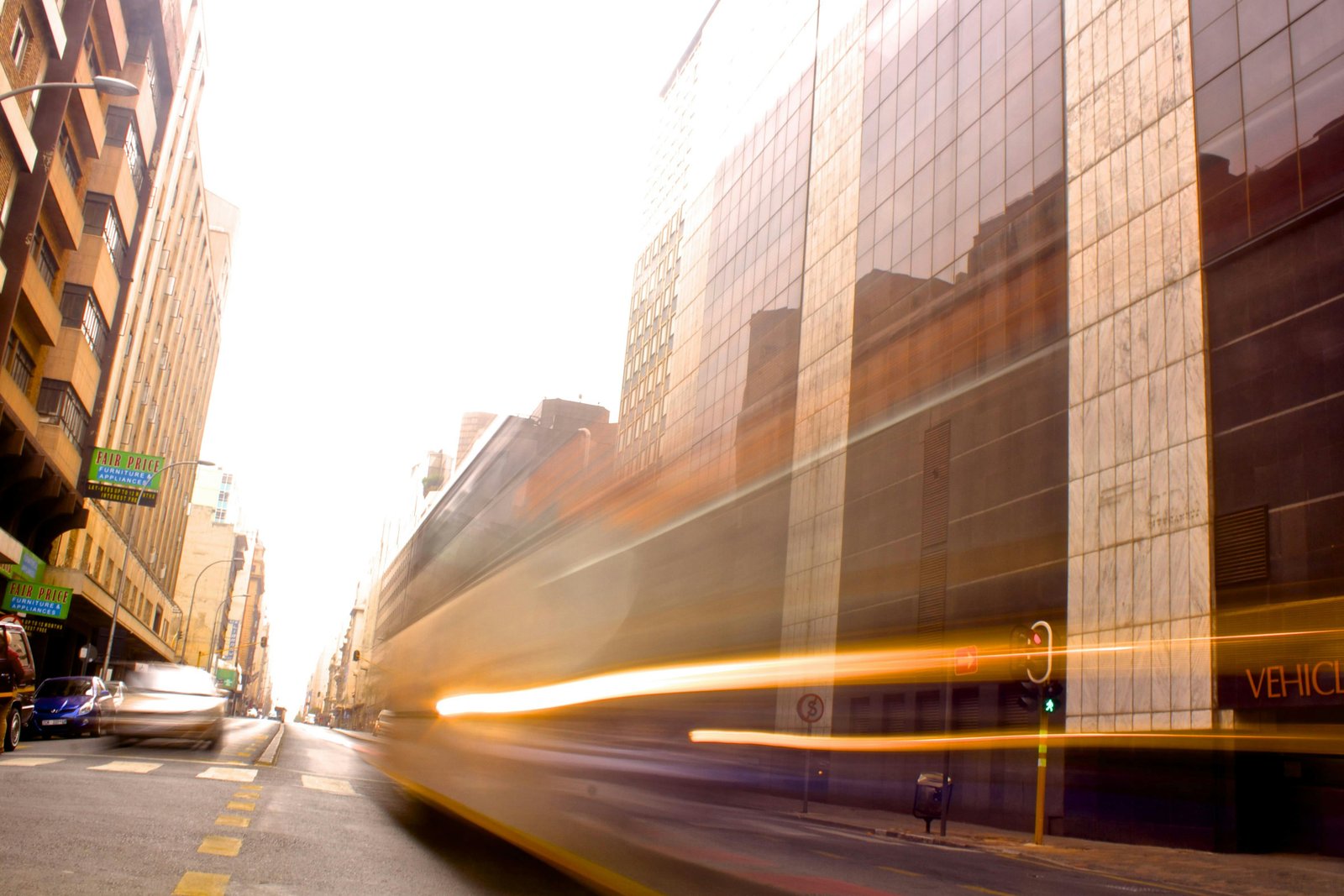
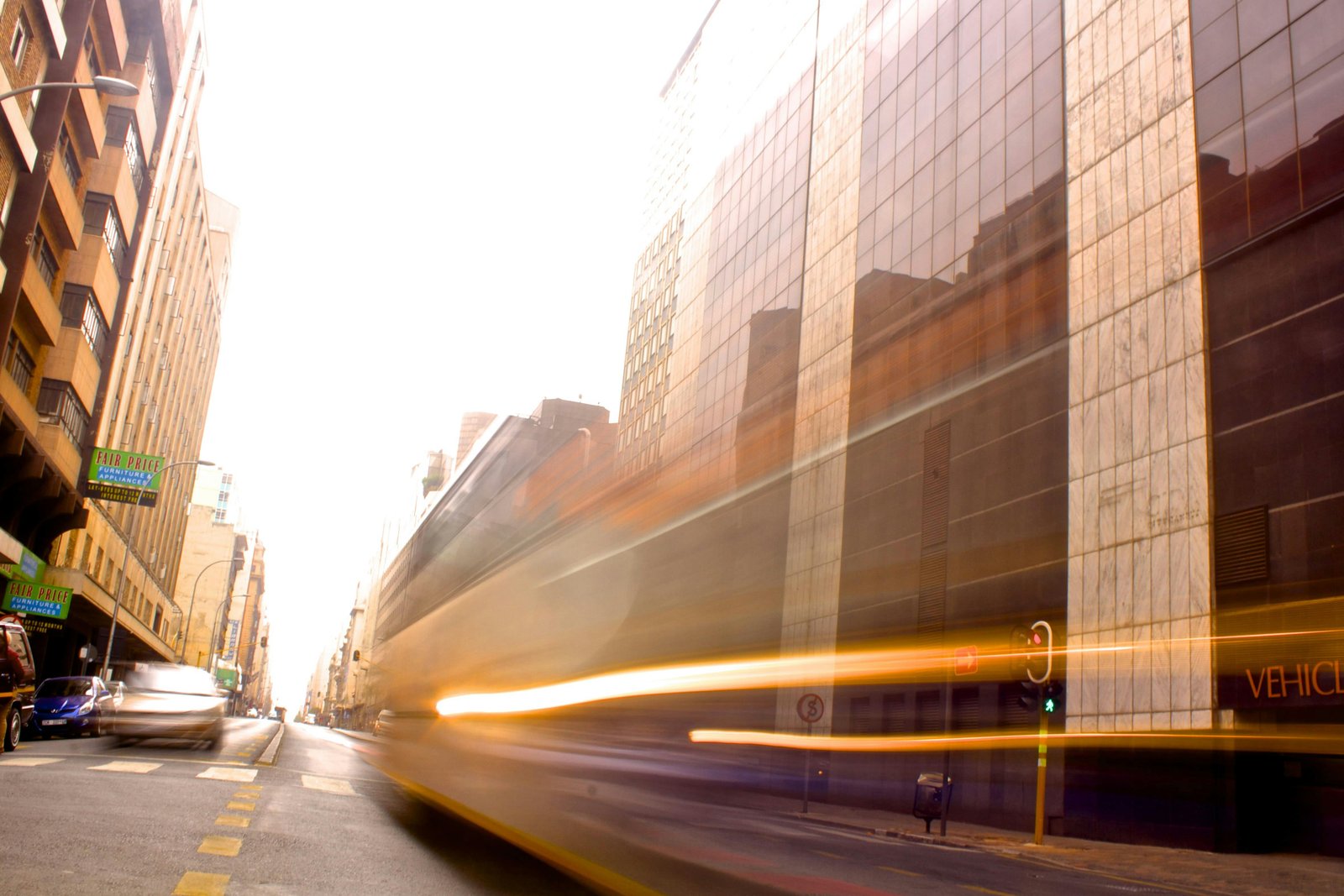
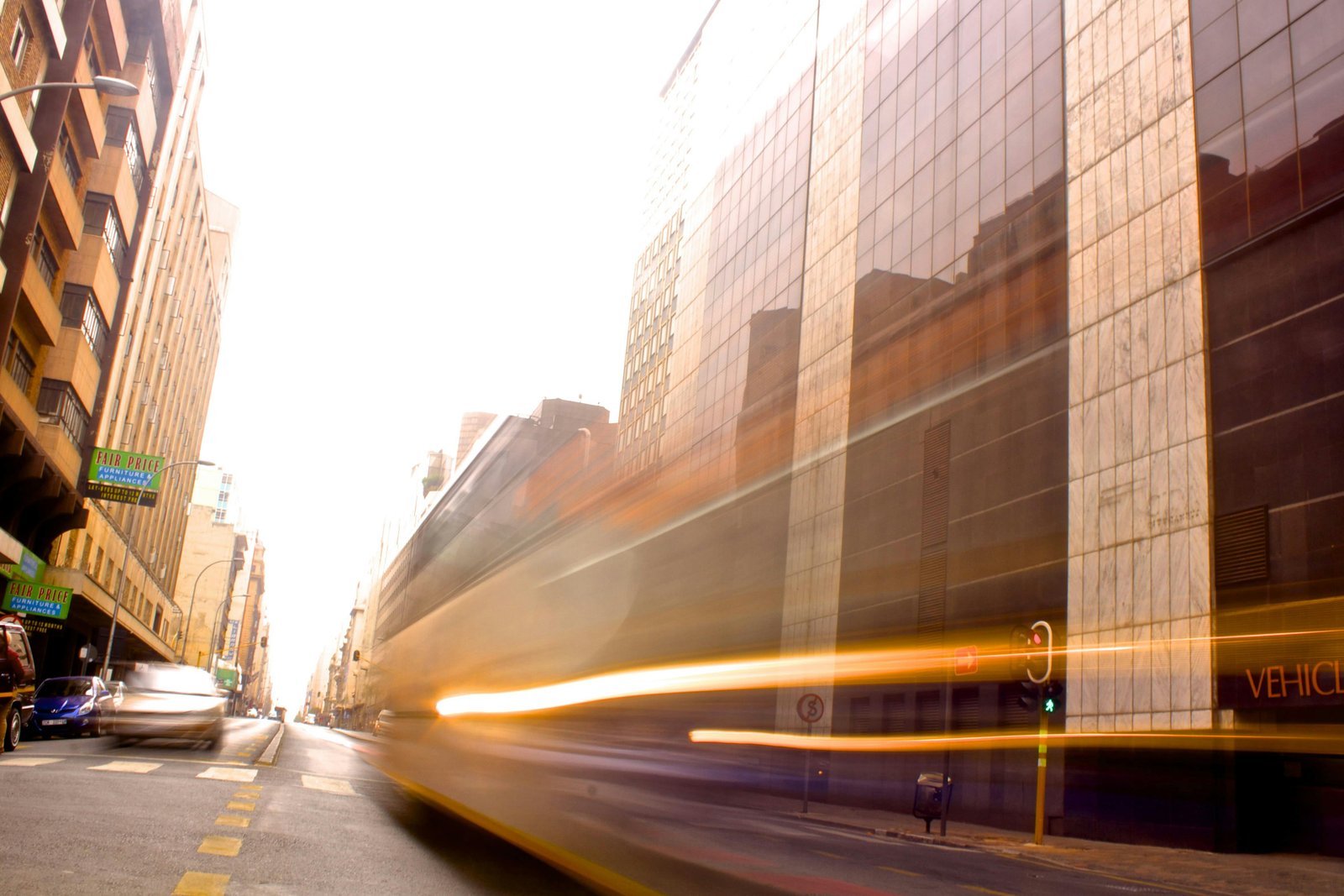
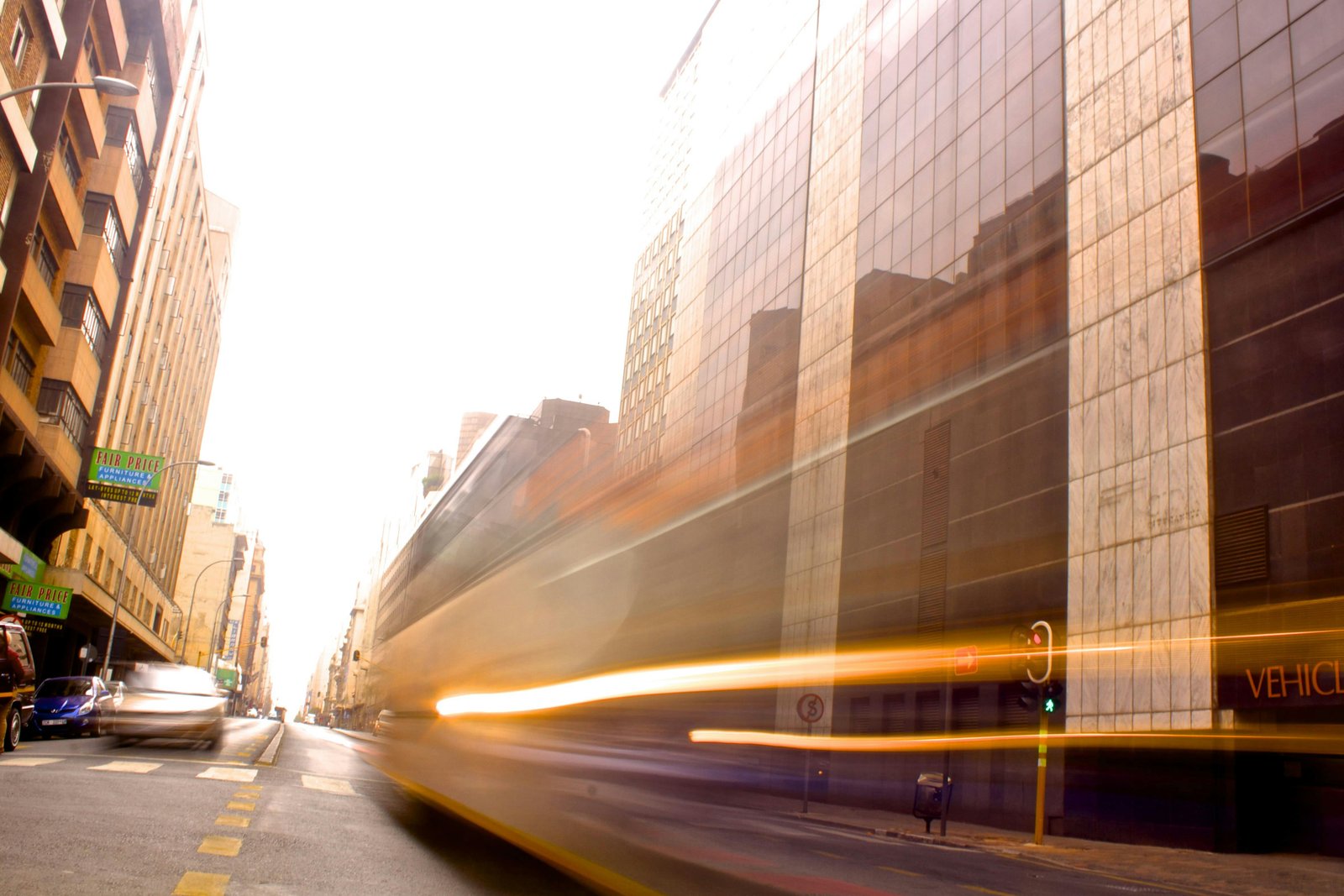
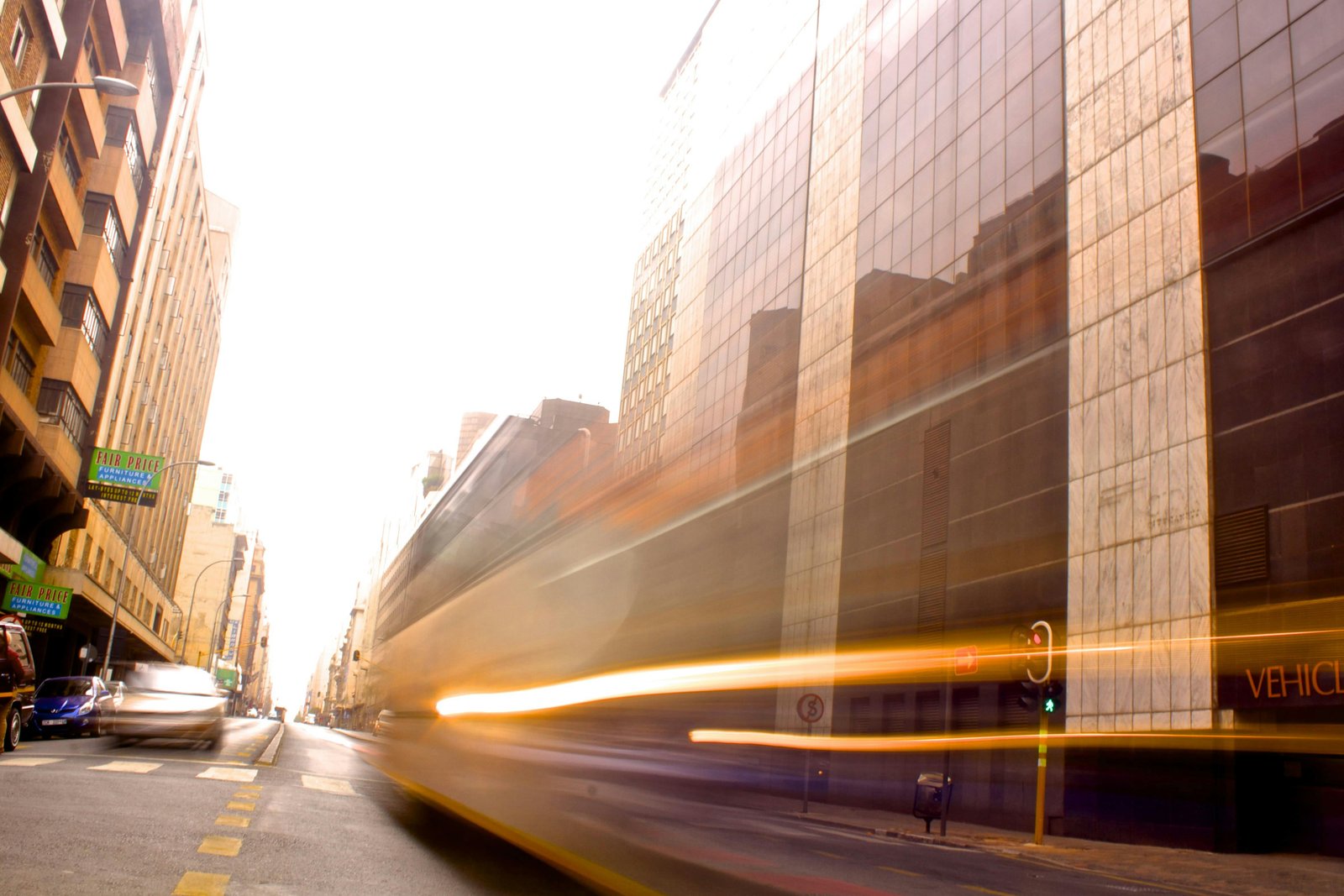
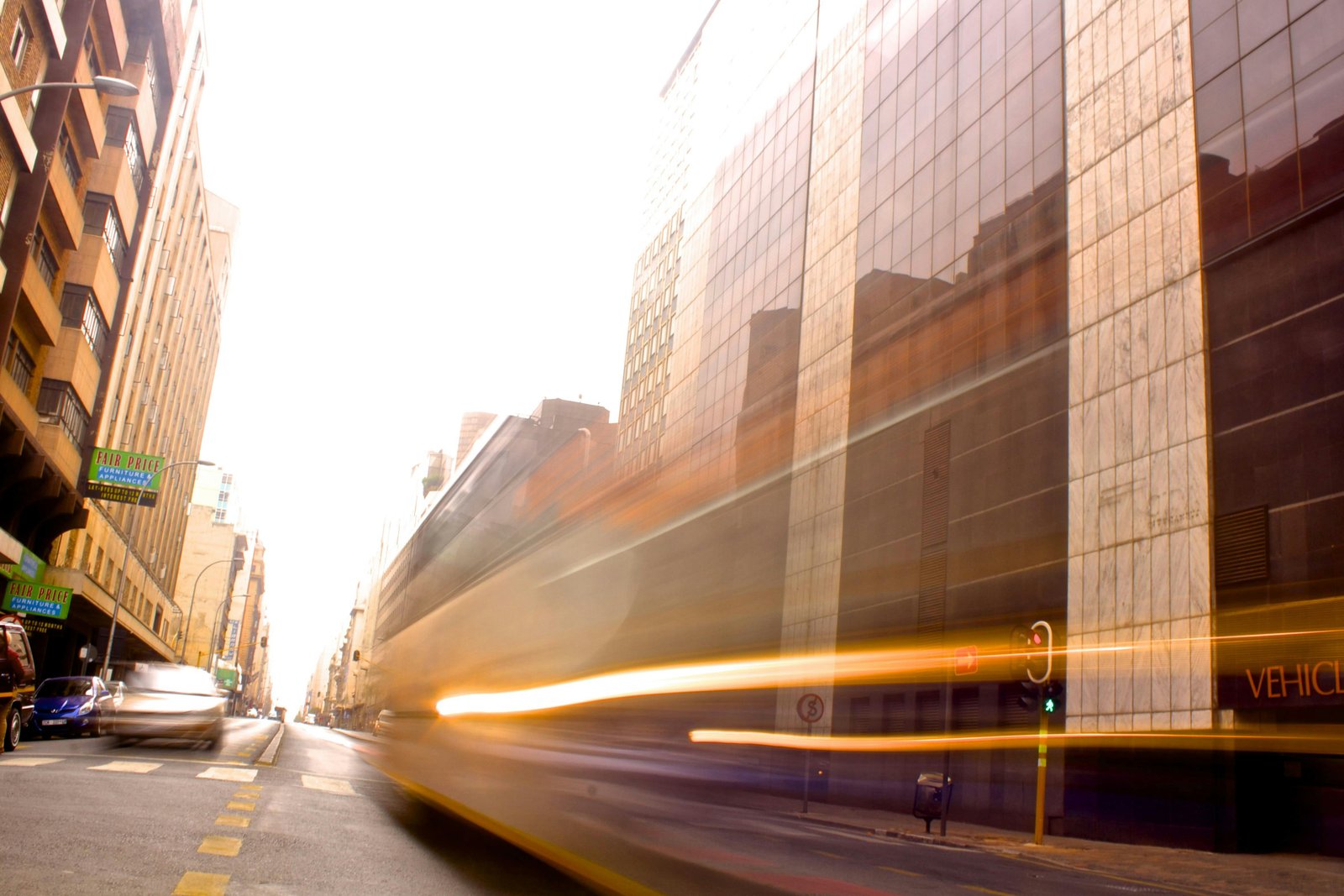
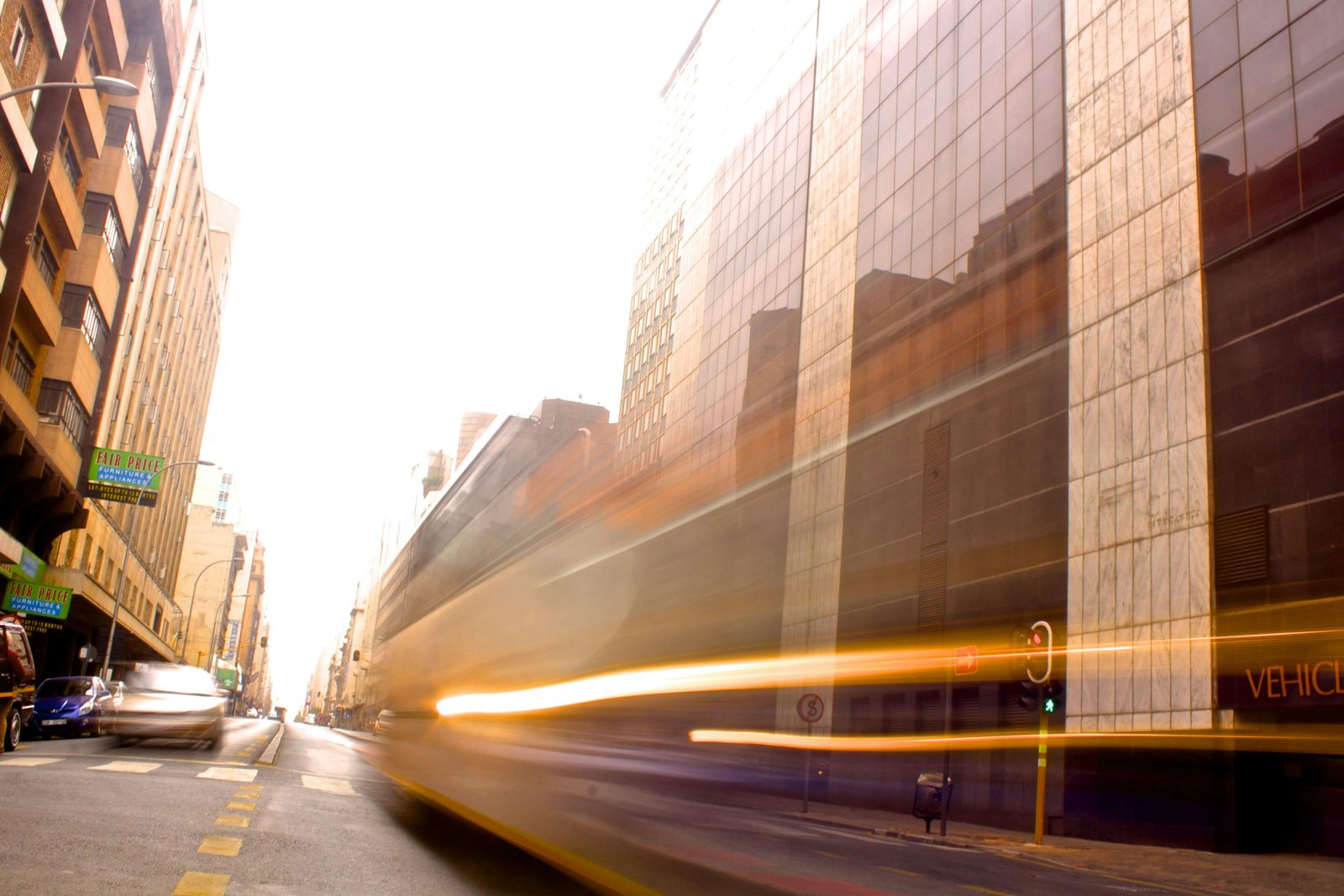
Johannesburg is the most populous city in South Africa. The City of Johannesburg itself has a population of 5,538,596, while the City of Johannesburg Metropolitan Municipality has a population of 6,599,190, making it one of the 100 largest urban areas in the world. Johannesburg is the provincial capital of Gauteng, the wealthiest province in South Africa, and seat of the country's highest court, the Constitutional Court. Situated on the mineral-rich Witwatersrand hills, the city has long been at the epicentre of the international mineral and gold trade. The richest city in Africa by GDP and private wealth, Johannesburg functions as the economic capital of South Africa and is home to the continent's largest stock exchange, the Johannesburg Stock Exchange.
- Population: 5,900,000+ (Metro Area)
- Area: 1,645 km²
- Currency: South African Rand (ZAR)
- Coordinates: Latitude: -26.204444885254, Longitude: 28.045555114746
- Timezone: Timezone info not available
- Current Local Time: ailab
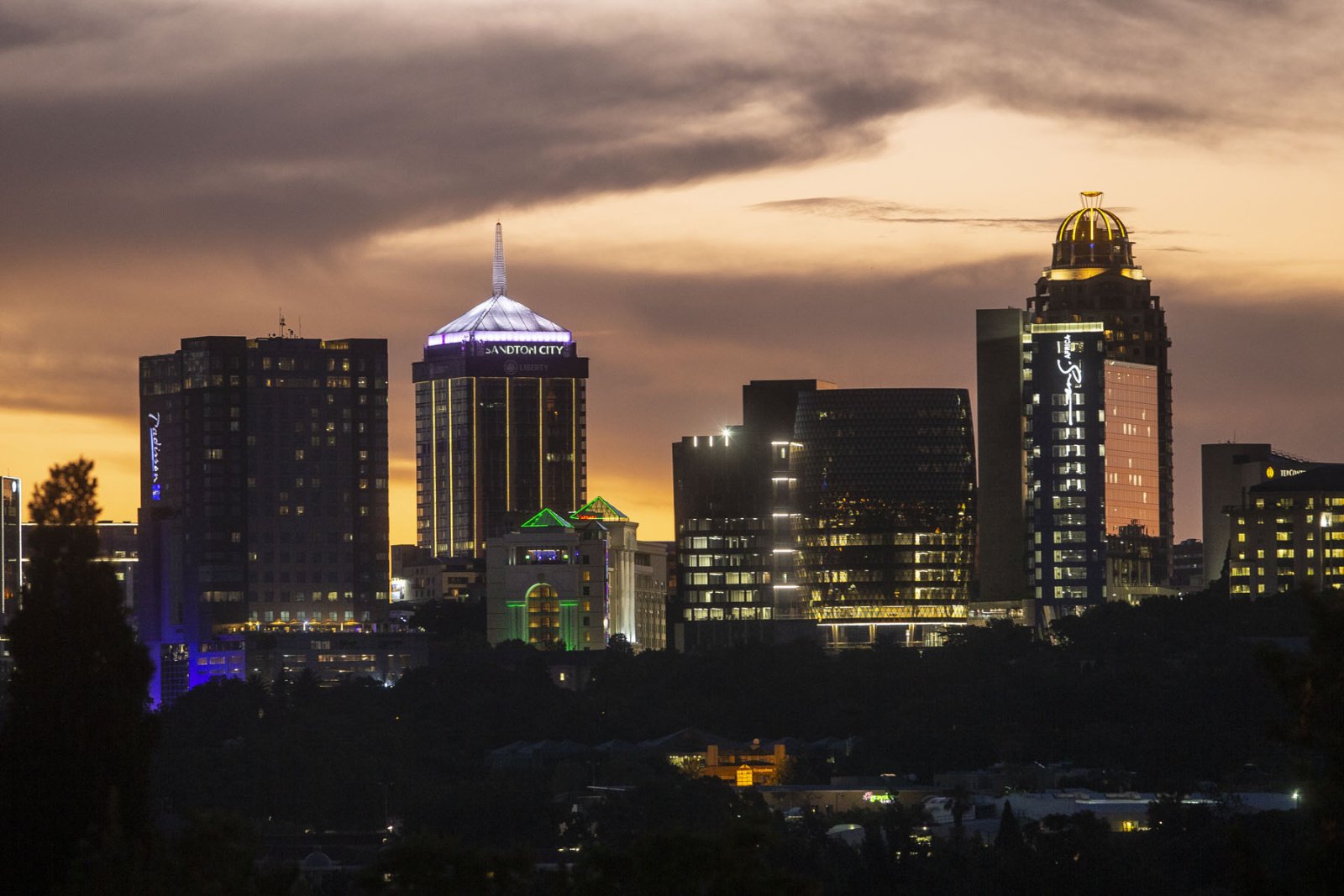
Sandton
Business towers, upscale malls, Nelson Mandela Square, and city nightlife.
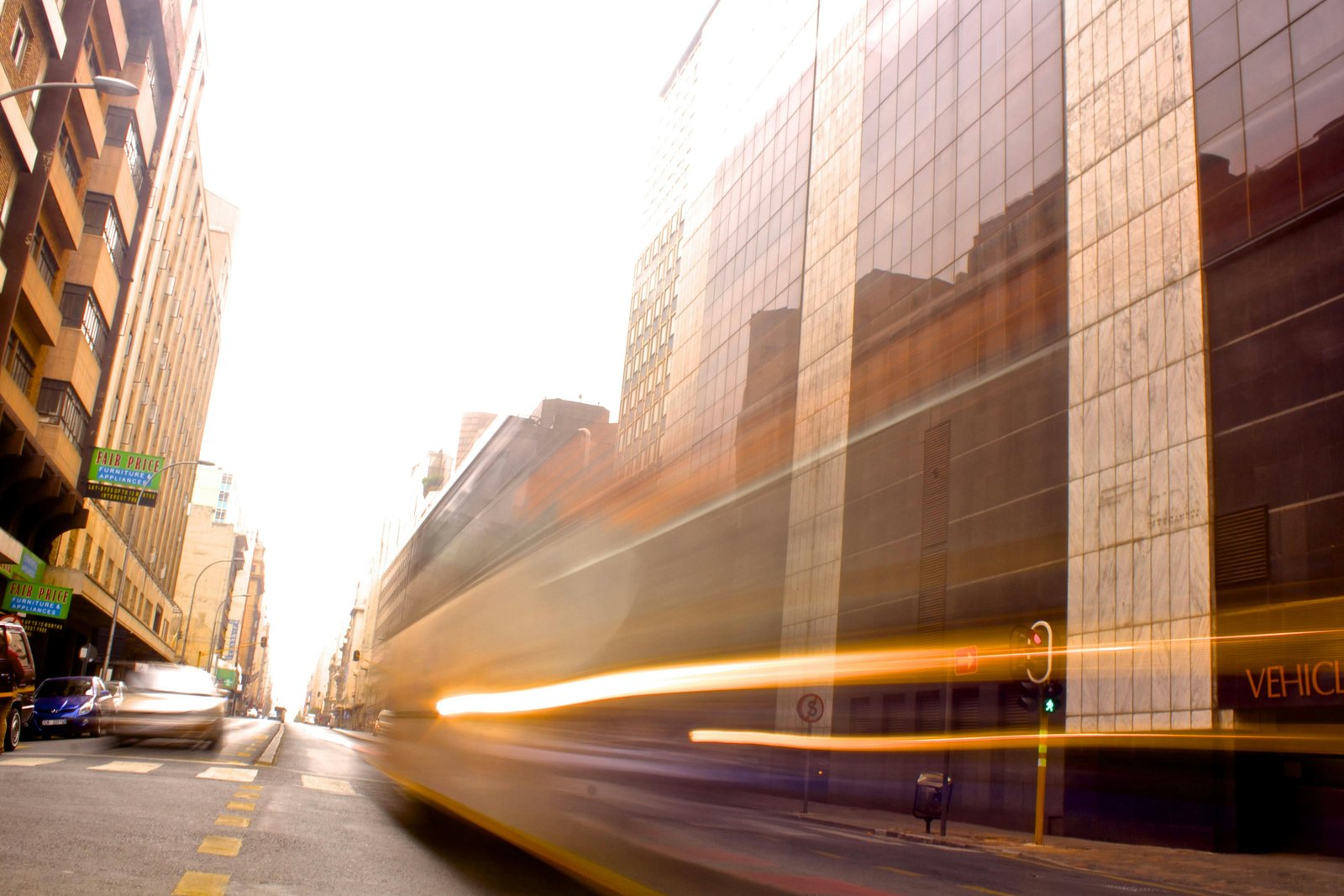
Johannesburg CBD
Downtown streets, Commissioner Street, Gandhi Square, and real urban life.
Soweto
Township streets, Maponya Mall, Protea North, and cultural walking tours.
Rosebank & Melrose Arch
Shopping areas, nightlife, and modern mixed-use districts.
Johannesburg Latest News
IOL
‘Period Paper’ campaign wins Loeries Grand Prix for Joe Public and Independent Media
Joe Public’s ‘Period Paper’ campaign, created with Independent Media and the MENstruation Foundation, won the Grand Prix and a Craft Gold award at the 2026 Loeries for its confronting depiction of period poverty.
IOL
JUST IN | Horror Durban M4 crash: Vehicle bursts into flames as multiple cars collide
Fatalities are feared after a multi-vehicle crash on Durban’s M4 Ruth First Highway, with one vehicle engulfed in flames
The Citizen
Election on booze: What major political parties are saying about alcohol abuse and harm
Political parties are being urged to give greater attention to alcohol-related harm by placing the issue higher on their agendas ahead of the 2026 local government elections. The Southern African Alcohol Policy Alliance (SAAPA) is calling for stronger action from government through its True Cost of Alcohol campaign, which argues that alcohol-related harm contributes to pressure on health services and violence. Nomcebo Dlamini, the director of SAAPA’s True Cost of Alcohol campaign, told The Citizen that “the harms that are caused by alcohol are causing the country much more than the revenue that government is getting from it.” The cost of alcohol harm The true cost of alcohol in South Africa extends beyond the price of a drink; strained families, overwhelmed communities, and pressure on public healthcare bear the consequences. Dlamini pointed out the spread of taverns in poor communities. While stressing that neither alcohol nor taverns are the sole cause, she said, “their proliferation causes an enabling environment” for social issues, including gender-based violence. “When it comes to GBV in the country, it is enabled by alcohol,” she added. The campaign advocates for stronger control measures centred around alcohol consumption and distribution. Election Accountability Tracker SAAPA has created an Election Accountability Tracker to help South Africans make an informed decision on who to vote for on 4 November. The tracker scores parties on what their manifestos say about alcohol, child protection, GBV, and liquor licensing. The initiative is aimed at looking beyond campaign promises by monitoring whether political parties follow through on their commitments after the elections. Dlamini argues that the stakes are high as she believes no party mentions local drug action committees, a statutory mandate of every municipality that the mayor must appoint. “If they’re not even mentioning it, that means they’re not looking at it, and that means there’s no plan that’s around that.” What the manifestos say A look at the four major parties’ manifestos shows limited attention to alcohol, mostly through awareness and enforcement. “The manifesto is literally their Bible. It’s what is going to guide what they do once they get into office.” Dlamini noted. ANC The ANC’s 2026 local government manifesto commits municipalities to tackling substance abuse and drug-related harm, including enforcing by-laws against unlawful liquor outlets, and strengthening referrals to treatment and social services. DA The DA’s manifesto broadly focuses on making communities safer by calling for stricter regulation of liquor outlets, action against illegal taverns, and greater community involvement in the liquor licensing process. MK party The uMkhonto weSizwe (MK) party’s published manifesto does not set out a specific alcohol-control policy. EFF The EFF identifies alcohol abuse among the social problems it wants communities to be free from. They advocate for municipal rehabilitation centres and community-based programmes to combat substance abuse. Accountability extends to after ballots are counted SAAPA stressed it is non-partisan. “We are hoping for an alcohol safer South Africa, and that begins with alcohol safer municipalities. “That is our ultimate goal with this election manifesto tracker,” Dlamini added.
The Citizen
Chiefs’ Moloisane ready for Stellies reunion
Thabo Moloisane is looking forward to an “emotional” reunion with his former club when Kaizer Chiefs take on Stellenbosch in the Betway Premiership on Tuesday at FNB Stadium. Chiefs’ Moloisane – Stellies clash ‘will be an emotional one’ Moloisane joined Chiefs this season as a free agent after a three-year stint at Stellies, and the 27-year-old central defender has played in all of Chiefs’ last five league games. “I have to express my gratitude to the club (Stellenbosch) for the role they played in my career, but I am also grateful for the opportunity to play for a big club like Chiefs,” said Moloisane on Monday at the Chiefs Village in Naturena. “Tomorrow will be an emotional one, they (Stellies) Played a big role in my journey to get here so it will be fun for me. I enjoy these types of games.” Moloisane has an affinity for Chiefs that started in his childhood as he grew up in Soweto. “Fortunately for me this is a club I know, growing up just down the road,” he said. “I have a deep love for Chiefs, they are literally all I know. As a small boy I remember coming here to fetch tickets. For me now it is time to write my own history and for my name to be counted.” This has clearly helped a move to Amakhosi that Moloisane describes as “seamless”. ‘It was important to learn’ “The first couple of games I didn’t play, but it was important to learn from the bench,” he added. “I must just continue working hard and make sure I play my role.” Chiefs are unbeaten in the Premiership in their first seven matches, but have drawn four of them, which leaves Fernando Da Cruz’ side already lagging behind Mamelodi Sundowns and Orlando Pirates in the title race. “We must remember we have a new coach,” said Moloisane. “He is familiar with the club (Da Cruz spent time working with former Chiefs head coach Nasreddine Nabi ahead of the 2024/25 season). But at the same time he is a new coach and we are learning his system and working hard to make sure his system works. We haven’t lost a game and tomorrow’s game is extremely important.” Chiefs’ tally of 13 points from seven games is one less than they managed at the same stage last season. But Moloisane insists they are making progress. “100 percent,” he said. “Even from me looking from the outside last season, and looking from the inside now, the team is playing much better, we are playing really well. It is unfortunate we don’t have wins from some games that we drew, but the system is working.”
The South African
Seven million down, 993 million to go: Inside South Africa’s One Billion Trees drive
South Africa’s One Billion Trees programme has passed a major milestone. More than seven million trees have been planted across the country in just six months. And one province is leading the way by a long shot. But the journey to one billion is only just beginning. According to the Department of Forestry, Fisheries and the Environment (DFFE), 7,134,711 trees have been planted since the start of the 2026/27 financial year on 1 April 2026. WHERE THE TREES WERE PLANTED The Western Cape leads the way, followed by KwaZulu-Natal and Gauteng: Free State: 326,294 Western Cape: 2,053,786 KwaZulu-Natal: 1,052,494 Gauteng: 1,012,051 Eastern Cape: 736,692 Mpumalanga: 519,512 Limpopo: 518,023 Northern Cape: 515,264, despite being South Africa’s driest province North West: 400,619 WHAT IS THE ONE BILLION TREES PROGRAMME? The Presidential One Billion Trees Programme aims to plant one billion trees over the next five years. It’s part of the government’s existing National Greening Programme, and it works with communities, traditional leaders and the private sector. President Cyril Ramaphosa has framed it as a challenge to the legacy of apartheid-era urban planning, saying trees and green spaces provide recreation and shade. A big boost came from the nationwide Heritage Day tree-planting campaign on 24 September 2026. Ramaphosa launched it by planting a tree at Bongolethu Stadium in Oudtshoorn, in the Western Cape. FRUIT TREES, FOOD AND JOBS It’s not only about greening. In his weekly newsletter, Ramaphosa said the programme includes fruit trees such as citrus, avocados and grapes. He said any surplus could help generate income for communities. The DFFE has also signed a memorandum of understanding (MoU) with the Department of Human Settlements, so that a fruit tree is planted with every new subsidised house. The environmental sector also provides work through the Expanded Public Works Programme (EPWP), giving unemployed South Africans skills in conservation, water, waste and fire management. WHY INDIGENOUS TREES MATTER The programme deliberately focuses on planting indigenous trees. That’s because many popular trees are invasive species. Ramaphosa pointed out that this includes Pretoria’s famous jacarandas. NOT EVERYONE IS CONVINCED The campaign has had its critics. Ramaphosa faced a backlash on social media after highlighting the milestone. Some South Africans questioned whether tree planting should be a priority, given the country’s socioeconomic challenges. HOW FAR THERE IS TO GO Seven million trees is a big number. But it’s less than 1% of the one billion target. To reach one billion in five years, South Africa would need to plant an average of 200 million trees a year. Deputy Minister of Forestry, Fisheries and the Environment Bernice Swarts thanked South Africans for taking part, and encouraged those who haven’t to join in. HOW YOU CAN GET INVOLVED Anyone can plant a tree and add it to the national count. The DFFE encourages South Africans to register their trees online by uploading a photo and the tree’s GPS coordinates. This helps the department track how many trees survive and grow. I love that the Western Cape is leading the way on this one. Seven million trees won’t change the country overnight. But every indigenous tree planted in the right place is a small win for nature, and for the people who live around it. My advice? Plant one, register it, and watch it grow. HAVE YOU PLANTED A TREE AS PART OF THE ONE BILLION TREES PROGRAMME? Let us know in the comments below…
The South African
Government to stop drivers’ licences used as ID: What’s changed?
The Department of Transport plans to amend the National Road Traffic Regulations to prevent driving licences and other documents from being used as general forms of identification. GOVERNMENT TO STOP DRIVERS’ LICENSES BEING USED AS AN ID Have you ever forgotten your ID and used your drivers’ license as an alternate proof of identity? Well, that habit may soon be on it’s way out. The Department of Transport plans to amend the National Road Traffic Regulatiins so that traffic register number (TRN) certificates, learner’s licenses and driving licenses can no longer be treated as general identification. The proposal follows a 2023 investigation, in which Transport helped the Department of Home Affairs look into the misuse of road traffic documents. The department says the TRN was created only so that people without a South African ID number could transact on the National Traffic Information System while their legal status was being finalised with Home Affairs. It was never meant to serve as a general ID. However, some institutions have been accepting TRNs and licences as proof of identity, which the department says goes against the Identification Act of 1997. That law makes Home Affairs the sole authority for the National Population Register and for issuing identification documents. Two regulations will change. Regulation 1 will drop TRNs and all other road-traffic documents from the definition of acceptable identification. For people whp are not permanent residents of South Africa, acceptable ID will mean an unexpired passport together with the relevant Home Affairs permit. Companies will use their registration or incorporation certificates. Regulation 335 will tighten control of TRNs. Provisions recognising a TRN as acceptable identification will be deleted. A TRN holder who obtains another form of acceptable identification must notify the registering authority within 21 days and surrender the TRN certificate. A TRN will also be valid only for as long as the passport and permit used to obtain it. Anyone holding a TRN certificate without a validity period must apply for a new one within three months of the regulations taking effect. FOR ORDINARY SOUTH AFRICANS For ordinary South Africans, a green ID book, smart ID or passport is the document to carry when proof of identity is needed. A driver’s licence will still prove that you are licensed to drive. However, it should not be the document that proves who you are. It is important to note that this is not final as yet. The amendments will be published in the Government Gazette, and the public will have 30 days to submit written comments. All submissions will be considered before the final regulations are published. These Cape Town license centres are going cashless, take a look here.
TechCentral
The AI trade is cracking
A sell-off in AI chip stocks is the clearest sign yet that investor sentiment is shifting.
TechCentral
TCS | Drones, AI and the future of warfare, with Milkor’s Daniel du Plessis
Are fears about killer robots overblown? Milkor's Du Plessis on autonomy, AI and human control.