General Information
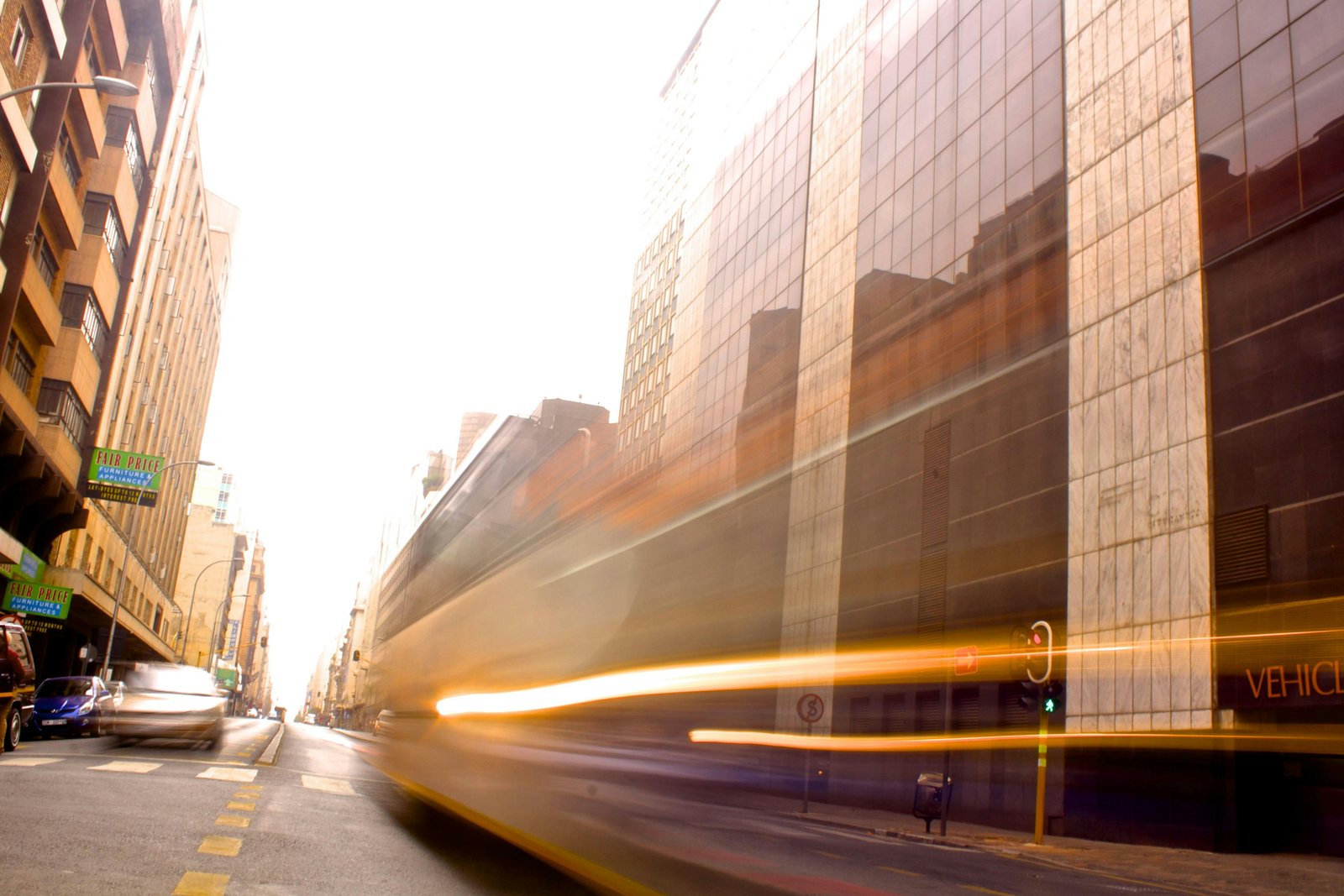
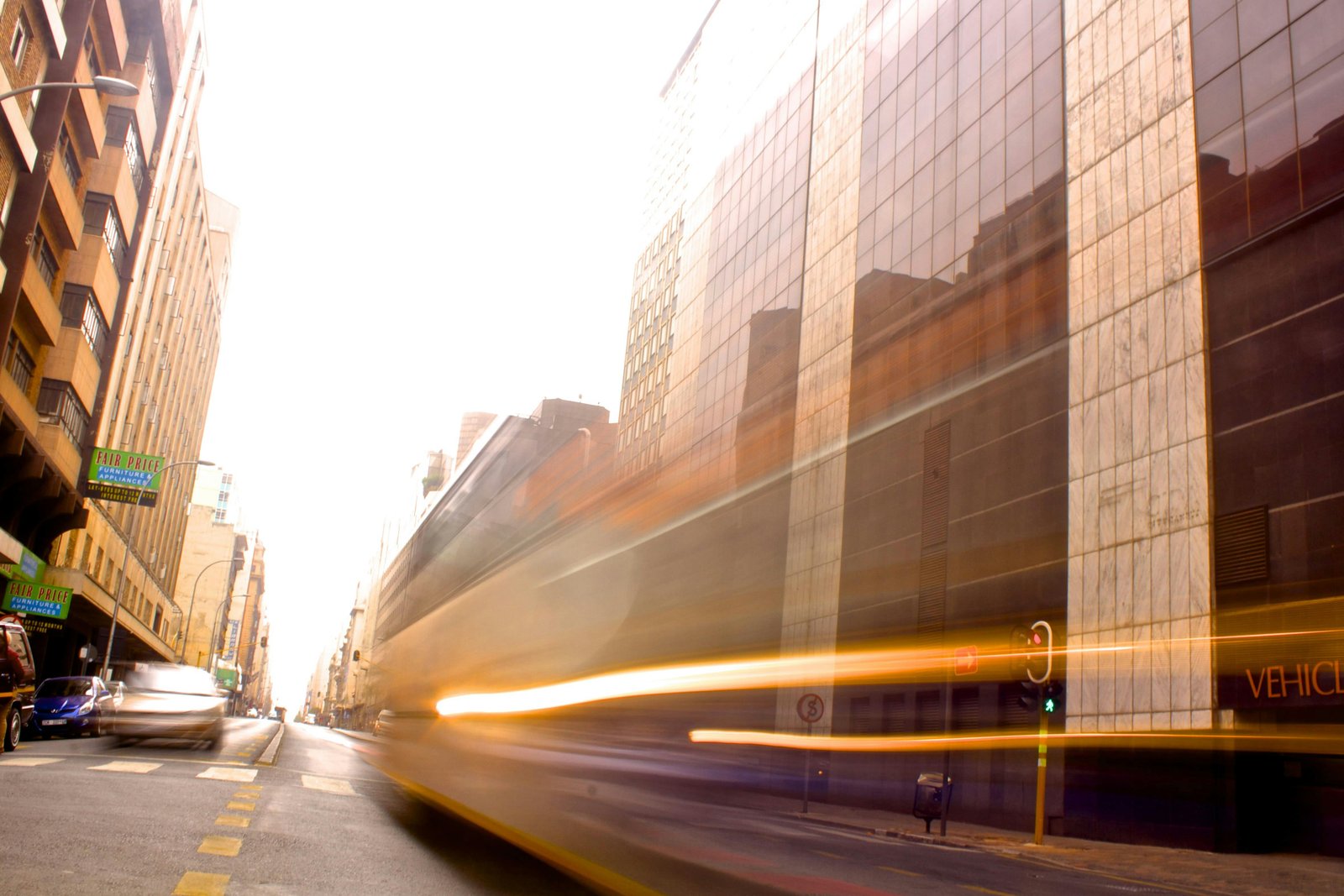
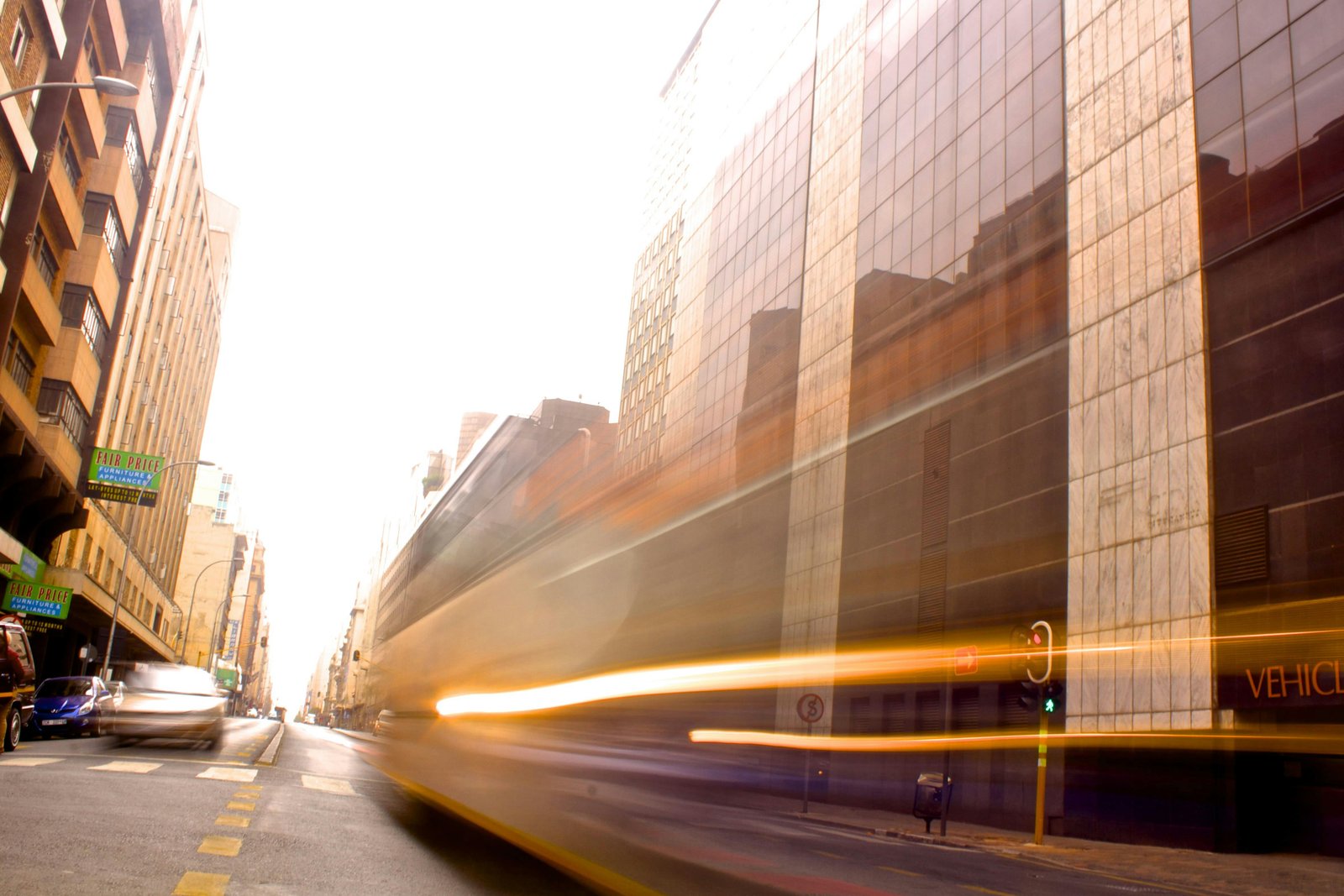
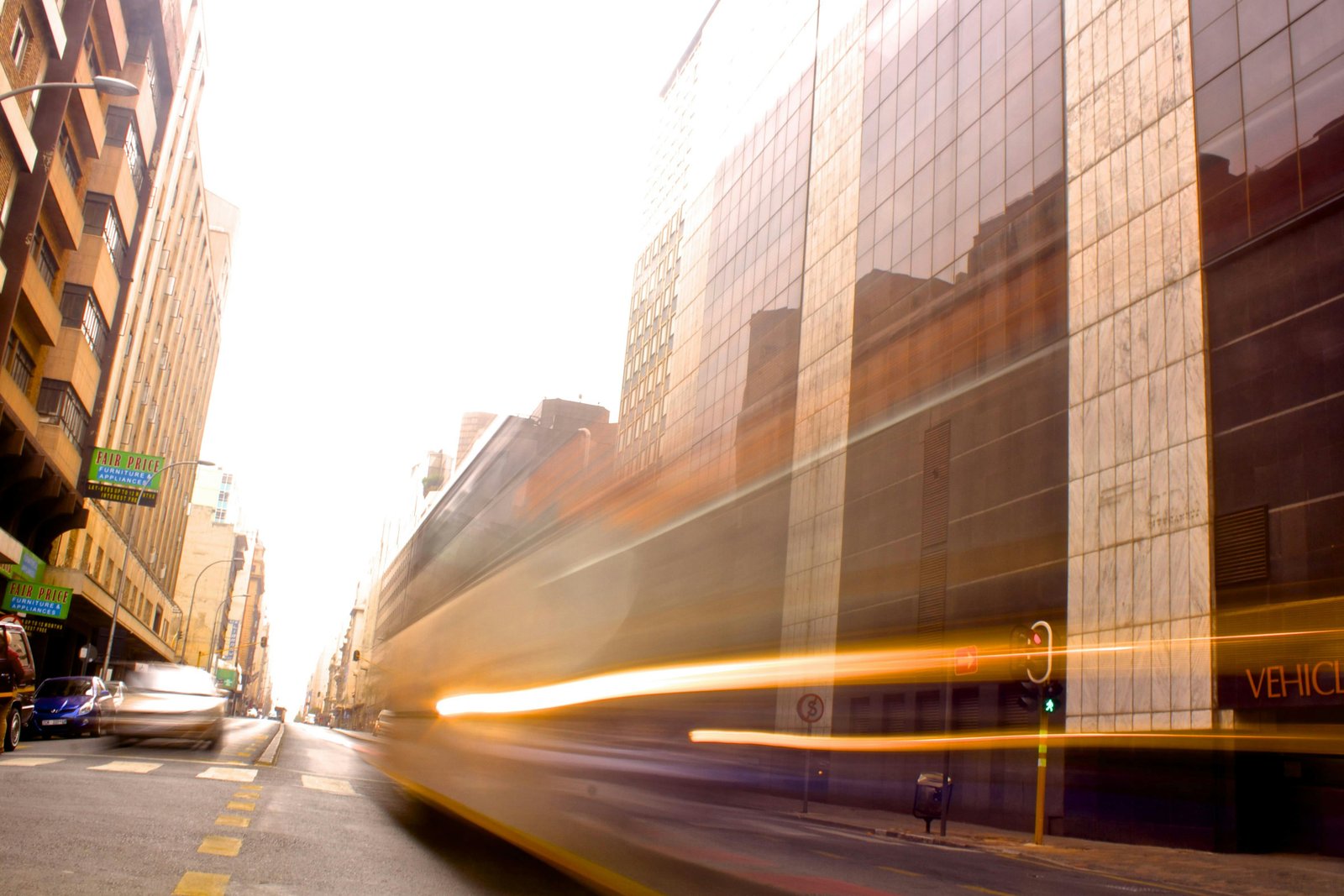
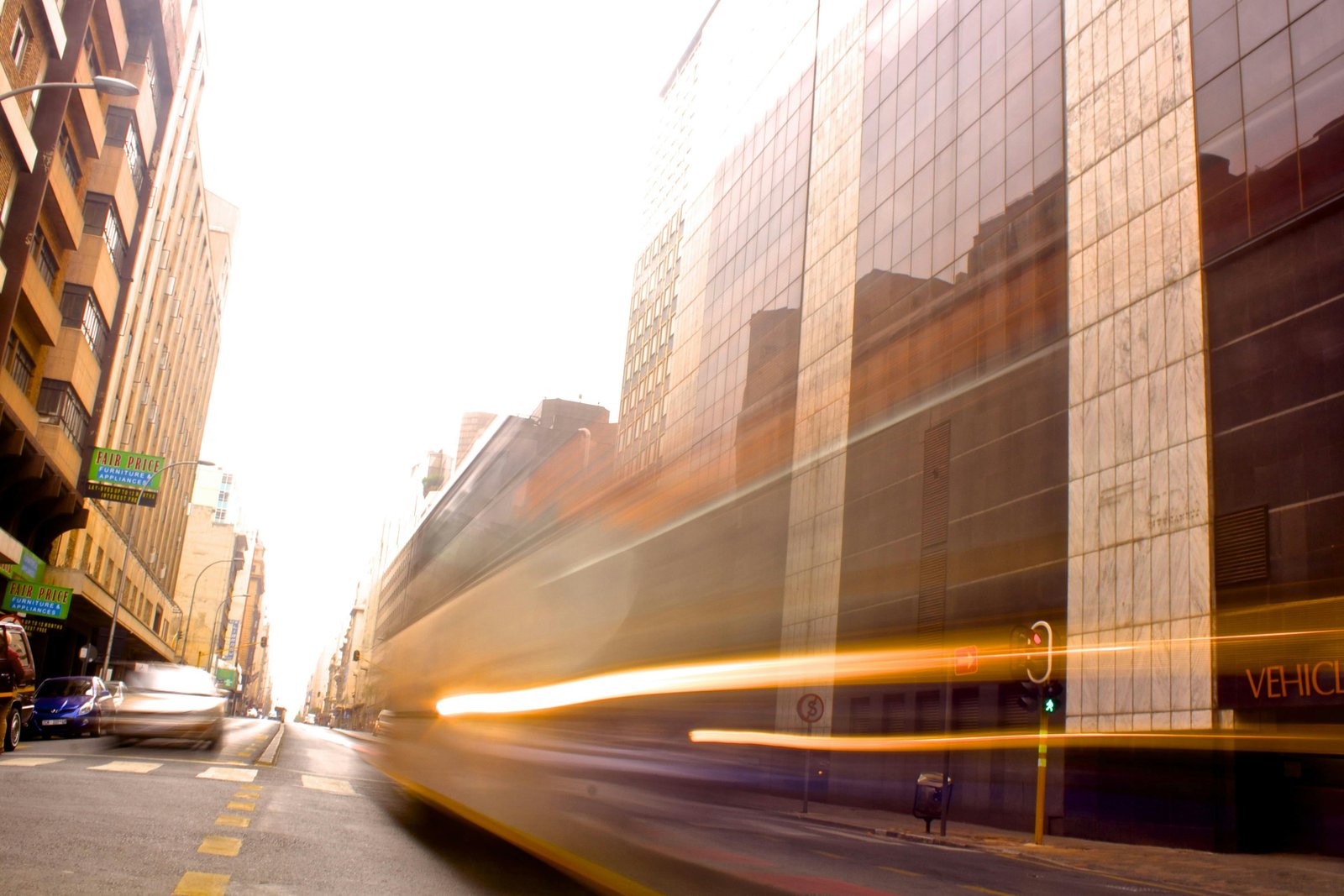
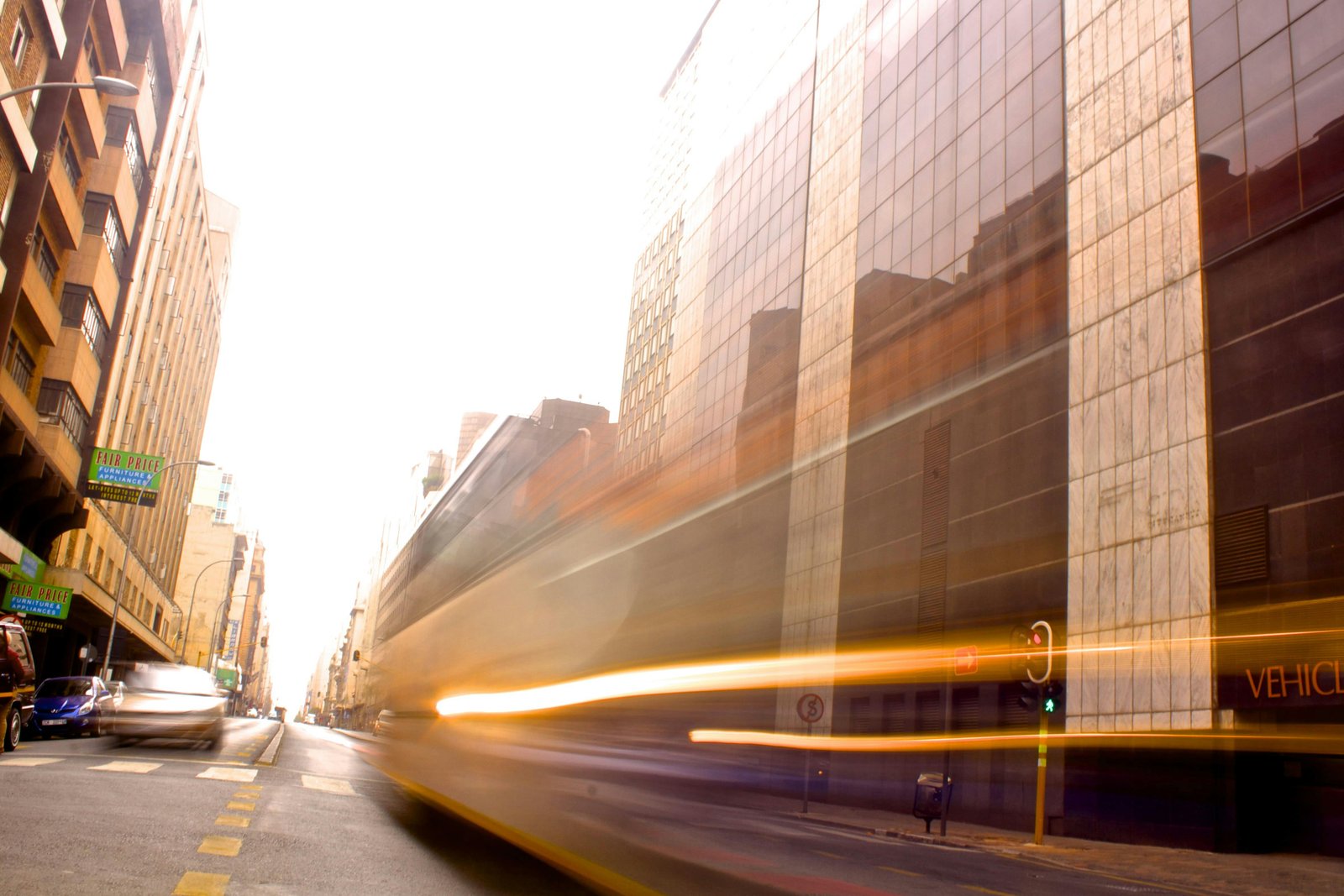
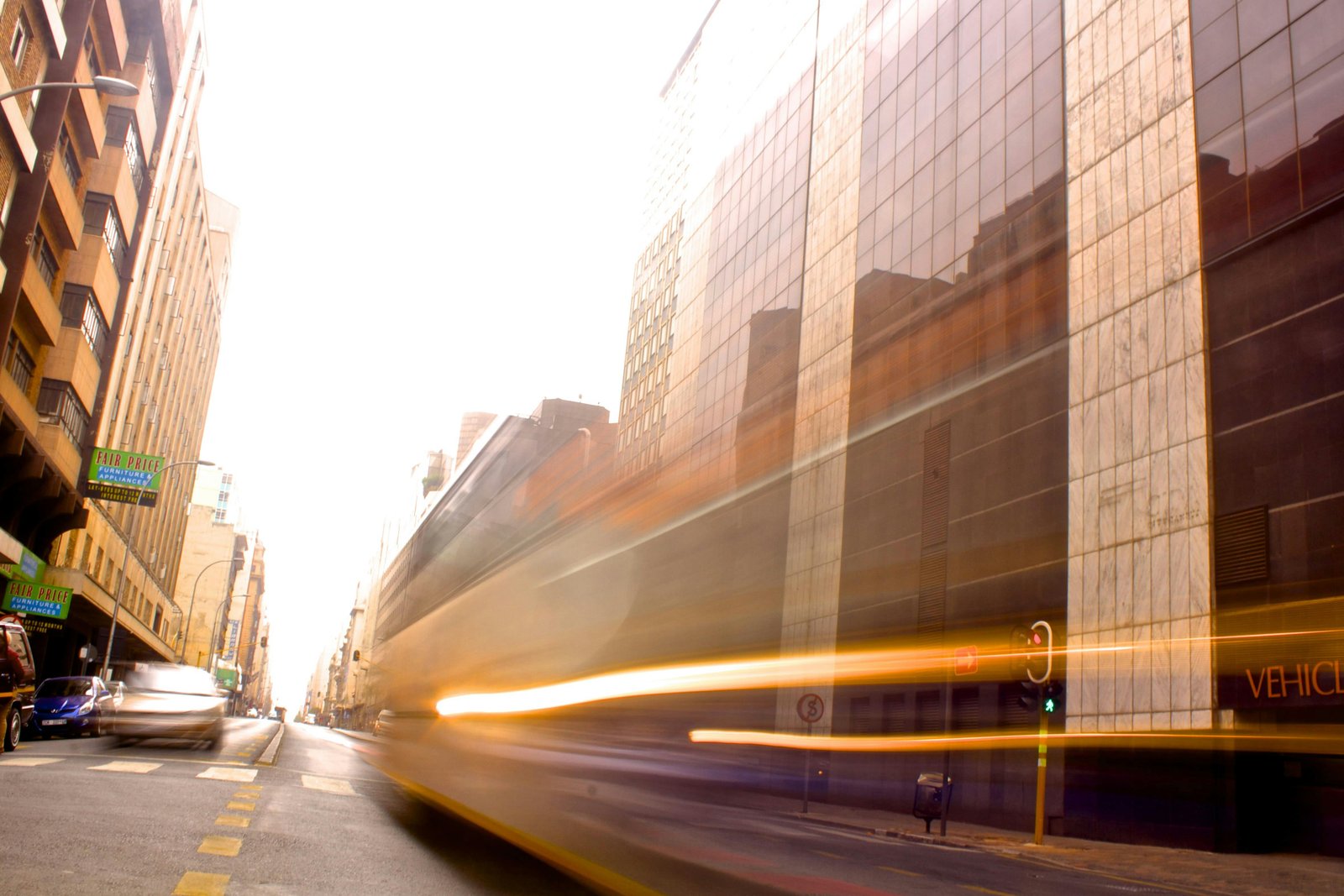
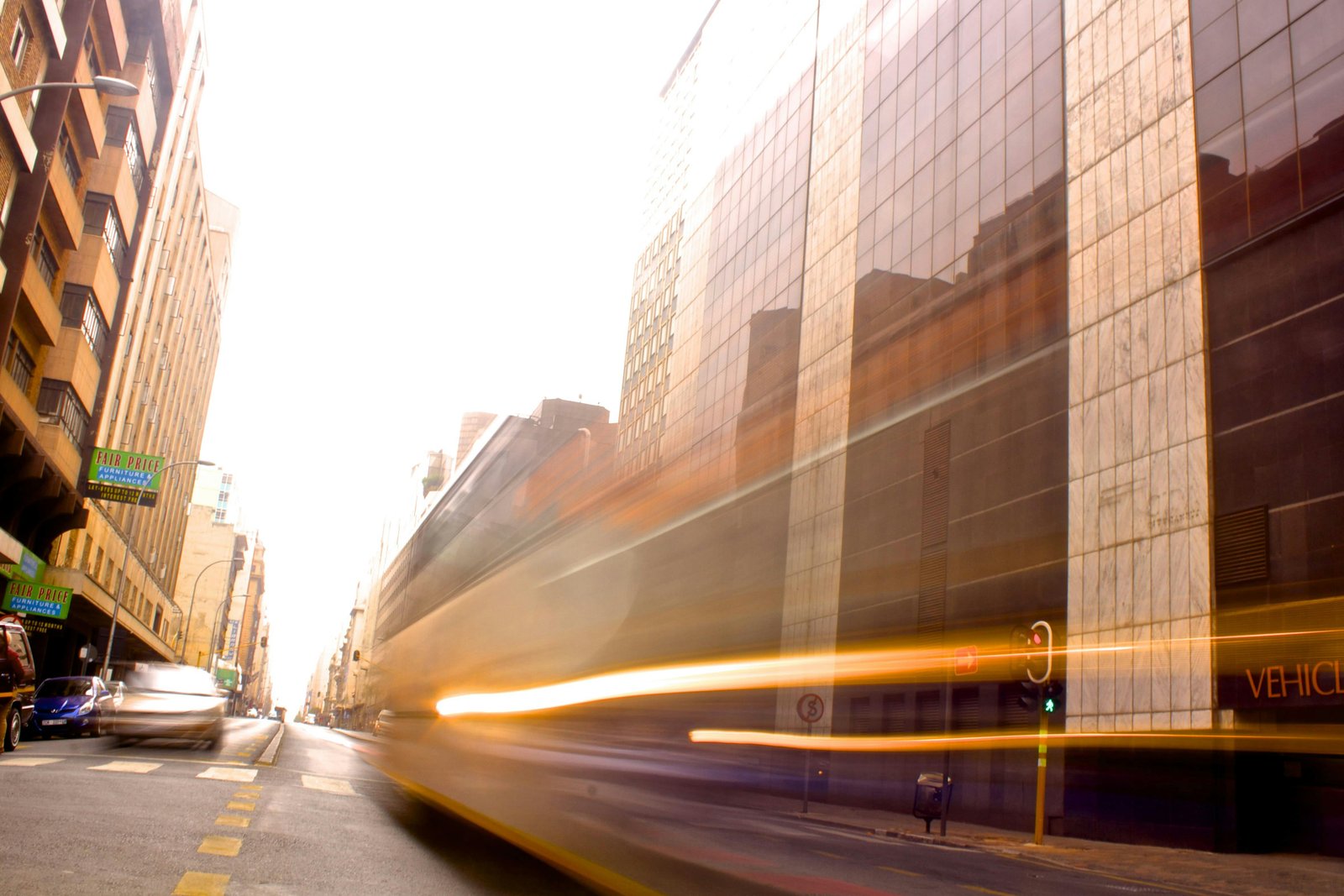
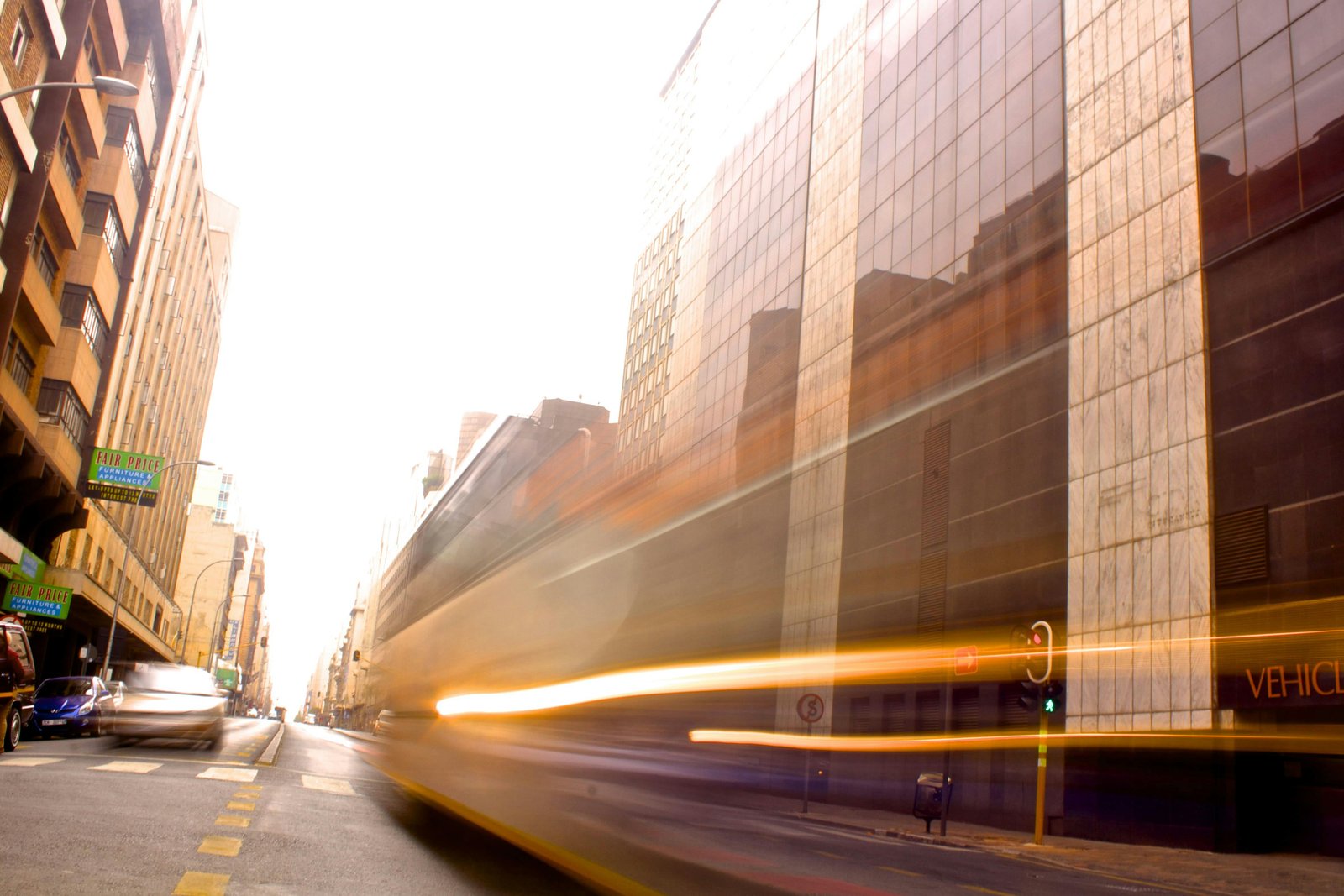
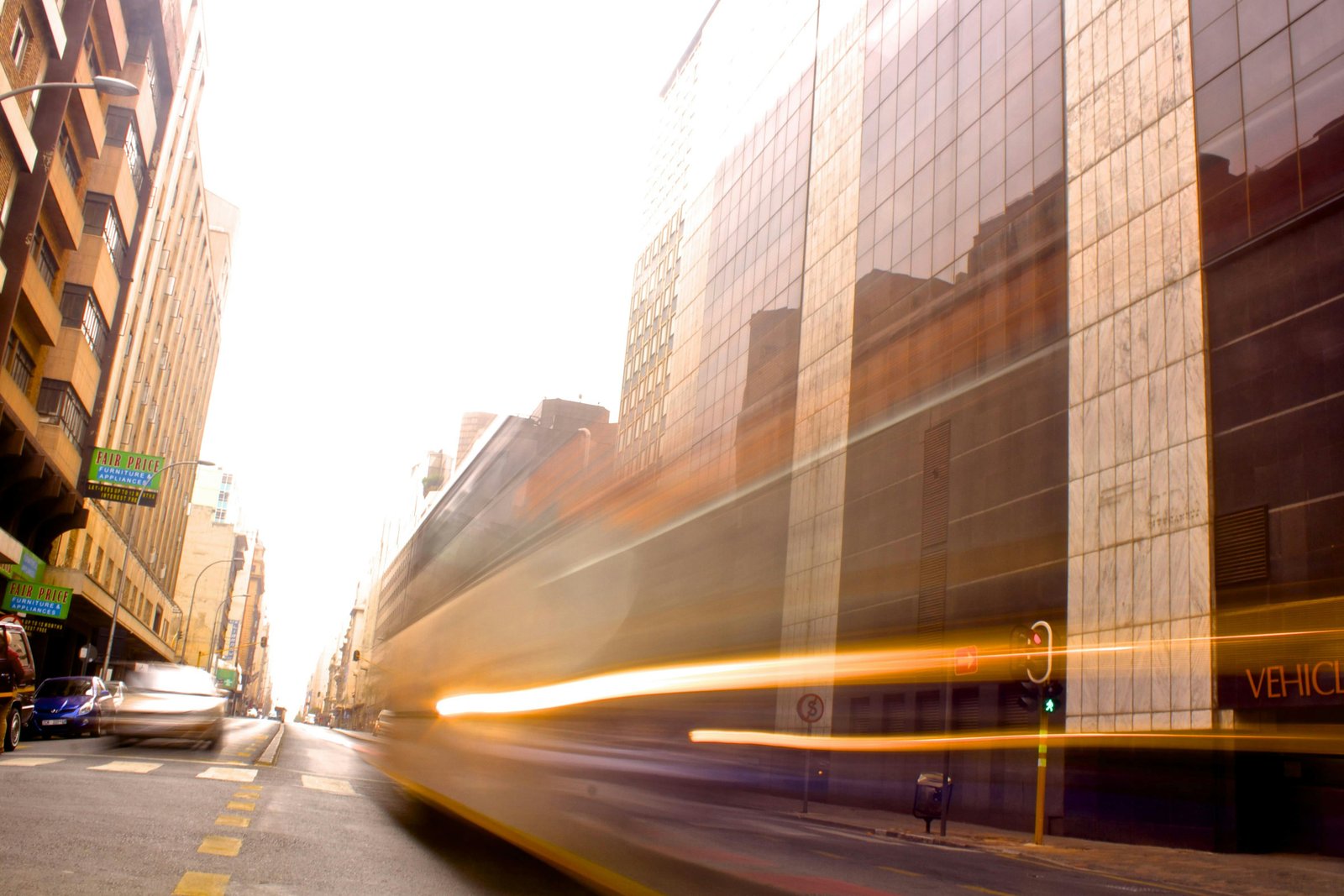
Johannesburg is the most populous city in South Africa. The City of Johannesburg itself has a population of 5,538,596, while the City of Johannesburg Metropolitan Municipality has a population of 6,599,190, making it one of the 100 largest urban areas in the world. Johannesburg is the provincial capital of Gauteng, the wealthiest province in South Africa, and seat of the country's highest court, the Constitutional Court. Situated on the mineral-rich Witwatersrand hills, the city has long been at the epicentre of the international mineral and gold trade. The richest city in Africa by GDP and private wealth, Johannesburg functions as the economic capital of South Africa and is home to the continent's largest stock exchange, the Johannesburg Stock Exchange.
- Population: 5,900,000+ (Metro Area)
- Area: 1,645 km²
- Currency: South African Rand (ZAR)
- Coordinates: Latitude: -26.204444885254, Longitude: 28.045555114746
- Timezone: Timezone info not available
- Current Local Time: ailab
Johannesburg Latest News
IOL
Is Helen Zille Exploiting Urban Black Culture for Political Gain?
As the DA courts Johannesburg’s Black voters, Andile Mngxitama argues that its campaign borrows from township culture, and asks what that says about the party’s record in Cape Town.
IOL
WATCH: Driverless truck crashes into seven houses and a shack in Umlazi, injures three
Three people were injured after a truck allegedly rolled down Prince Mcwayizeni Road in Umlazi and damaged seven houses and a shack.
The Citizen
Sundowns’ Cardoso blames fatigue after draw in Angola
Mamelodi Sundowns coach Miguel Cardoso believes fatigue is beginning to take its toll on his players after they were held to a frustrating goalless draw by Wiliete SC in the first leg of their second preliminary round tie in the CAF Champions League on Sunday. Sundowns struggle Sundowns struggled to find their rhythm in Angola and will need a much-improved performance when they host the Angolan side at Loftus Versfeld on Friday night, with a place in the group stages up for grabs. Cardoso admitted his side could have done better in Lubango, where Wiliete proved to be a tough nut to crack at the Estádio Nacional da Tundavala. “I think we could’ve done better, we could’ve had more control and could’ve had more aggression in the box,” he said. “Like I said, it was a difficult context to manage. We have to be intentional, to prepare well and give some a rest because it was also clear that there was a little bit of fatigue in some of the players.” The goalless stalemate left Sundowns with work to do in the second leg, with the defending champions failing to find an away goal. Cardoso was disappointed with the result and acknowledged that his side missed opportunities to take control of the tie. “Despite our intentions, we’re not happy with this result. Of course, we could’ve scored,” Cardoso said. “There were moments in the first half where it seemed the game could become, I wouldn’t say easy, but we would create our moments. But in the second half, it was not easy to settle down so we need to change a few things.” ‘We need to be stronger’ It would be a major crisis for the defending champions if they failed to reach the group stages of Africa’s premier club competition. However, Cardoso insists his team can make the necessary adjustments before the decisive encounter in Tshwane. “We will prepare this match in the best possible way. We need to be stronger than we were,” the Portuguese coach added. “Be more aggressive and more offensive. We need to be on the level of the team that wants to state itself in the Champions League.” Cardoso expects his captain Ronwen Williams to be available for the return leg. Meanwhile, the club will assess the condition of influential midfielder Teboho Mokoena, who was stretchered off with an injury during the first leg.
The Citizen
‘I’m not here for revenge,’ Masemola says as he returns to lead Saps
National Police Commissioner General Fannie Masemola used his first day back at the helm of the South African Police Service (SAPS) to deliver a blunt message to police leadership: the era of divisions, mistrust, and internal battles must end if the organisation is to effectively fight crime and restore public confidence. Masemola was placed on precautionary suspension in April by mutual agreement with the president after appearing in the Pretoria Magistrate’s Court to face allegations of contravening the PFMA. Legal cloud However, the legal cloud hanging over the police chief was lifted when the National Director of Public Prosecutions instructed on 15 September 2026 that the charges be withdrawn. The Pretoria Magistrate’s Court subsequently formalised the withdrawal of the charges on 22 September 2026. The Presidency confirmed on Friday that Masemola would resume his full duties on Monday,19 October 2026. No revenge Returning to work, Masemola struck a conciliatory tone, repeatedly emphasising unity, professionalism, and service delivery over personal grievances. “I return ready to work with all of you. I’m not here for revenge,” Masemola said. Instead, he said he would focus on rebuilding the organisation, strengthening frontline policing, and ensuring SAPS remains capable of protecting South Africans amid persistent crime challenges. “We cannot build a strong police service on divisions, mistrust or competing personal interests. We must build it on professional solidarity, effective leadership, mutual respect and a shared commitment to our constitutional mandate.” Looking forward Addressing senior police leadership and the media, Masemola acknowledged the turbulence that had engulfed Saps in recent months but insisted the focus must now shift from the past to the future. “What has happened has happened. I will not allow the past to distract us from moving forward.” He said the organisation’s constitutional mandate must always outweigh individual interests and warned that leadership disputes could not undermine policing priorities. “Our constitutional mandate must always take precedence over personal interests,” he said. Masemola stressed that unity did not mean the absence of differences but rather the ability to resolve disagreements constructively while putting the interests of Saps and the public first. #sapsHQ [GENERAL FANNIE MASEMOLA MEETS SAPS SENIOR MANAGEMENT ON FIRST DAY BACK AT WORK]General Fannie Masemola, National Commissioner of the South African Police Service has been welcomed back by Deputy National Commissioners, Provincial Commissioners as well as other senior… pic.twitter.com/4RAhUqfW9d— SA Police Service (@SAPoliceService) October 19, 2026 Credibility Asked whether the controversy surrounding Masemola’s suspension, criminal prosecution and testimony before commissions of inquiry had damaged the credibility and legitimacy of SAPS leadership. Masemola acknowledged the significance of the question but made it clear he was focused on moving forward. “You cannot erase history. What has happened has happened,” he said. “But what we need to focus on now is how we move forward as an organisation, how we bring together the leadership of SAPS and work together serving the people of this country.” No explanations He rejected suggestions that he owed the public further explanations, arguing that the legal process had unfolded openly. “I don’t think I owe anyone anything. Everything happened publicly, and people have seen what has happened.” However, he said lessons had to be learned from the episode and pledged to keep strengthening areas of the organisation that require reform. Restoring stability Asked about allegations of internal factions and individuals working against him within SAPS, Masemola again rejected any suggestion that he had returned to settle scores. He said no organisation was free of disagreements or competing personalities, but insisted established processes existed to handle disputes and misconduct. “You’ll never find an organisation where everybody loves you. What is important is working together and understanding what we are here to achieve.” Masemola said one of his immediate priorities would be restoring stability within the police service and ensuring leadership remained focused on service delivery rather than internal conflict. Crime fight remains priority The commissioner said Saps would remain focused on strengthening frontline policing, improving resource allocation, recruiting new officers and ensuring police stations are responsive to the communities they serve. He also pledged to study and implement relevant recommendations arising from recent inquiries affecting the police service, saying reforms must make SAPS stronger, more transparent and more accountable. “Our most important measure of success is the experience of the public at a police station and in communities where they need immediate assistance,” Masemola said. Resources While acknowledging resource constraints, he said available resources would be strategically directed to areas where they were needed most. For Masemola, the task ahead is clear: rebuilding morale within SAPS while convincing South Africans that the police service remains capable of delivering on its mandate. “The task before us is to unite the organisation, strengthen frontline capacity, fight crime decisively and rebuild public confidence,” he said.
The South African
Political killings hit a new high before the 4 November elections. Here’s what’s being done to stop them
Political killings in South Africa have already passed the total for the last local government election year. And there are still weeks to go before voters head to the polls. Candidates have been shot outside their homes and while campaigning. Now, police and the Electoral Commission are under pressure to keep the elections safe. Here’s what’s being done. Police have activated a national election security plan. A specialised task team is investigating the killings. And the Electoral Commission of South Africa (IEC) is working with security agencies to assess the risk at every voting station. HOW MANY POLITICAL KILLINGS HAVE THERE BEEN? According to a report titled Ballots and Bullets by the Global Initiative Against Transnational Organized Crime (GI-TOC), 43 people were killed in 45 political attacks between 1 January and 30 September 2026. That’s already more than the 30 politically motivated killings recorded in the whole of 2021, the last local government election year. Most of the attacks, 16, happened in KwaZulu-Natal. Another 10 took place in Gauteng. The report found that the June voter registration weekend was the deadliest period of the year so far. RECENT KILLINGS The violence has continued in October. On Thursday, 15 October, gunmen shot and killed two African National Congress (ANC) members while they were campaigning in Umgababa, KwaZulu-Natal. That came days after four ANC youth members were shot dead at a memorial service in Katlehong, near Johannesburg. In September, three Inkatha Freedom Party (IFP) ward candidates were killed in separate incidents in KwaZulu-Natal. WHAT ARE POLICE DOING? Police are operating under a National Integrated Security Plan for the elections. It’s coordinated through the National Joint Operational and Intelligence Structure (NATJOINTS), which brings together the police, the military, intelligence services and other state agencies. According to NATJOINTS, the plan includes: Visible policing. Intelligence gathering. Protection of election infrastructure. Rapid response teams. Crowd management at political events. NATJOINTS co-chairperson Lieutenant General Tebello Mosikili has warned that anyone planning political attacks or assassinations will face arrest and prosecution. CAN CANDIDATES GET PROTECTION? Not automatically. Acting Minister of Police Firoz Cachalia responded to the question in a reply to Parliament. He said police would protect candidates by monitoring and assessing threats. They would also police public gatherings. And they would work to prevent and investigate intimidation and violence. “Any individual protection measures will be considered in accordance with applicable prescripts and verified threat assessments,” Cachalia said. He added that these measures “will be applied impartially to all candidates and political parties”. WHO IS INVESTIGATING THE KILLINGS? The Political Killings Task Team (PKTT), set up in 2018, is investigating the killings. The bold stays on Political Killings Task Team (PKTT) and 2018. Since its formation, the task team has arrested more than 400 suspects, including more than 180 alleged hitmen. The GI-TOC report recommends that the task team keeps its authority, funding and political backing through the election period and beyond. It also says authorities should shield the team from interference. WHAT IS THE IEC DOING? The IEC isn’t responsible for policing, but it works closely with the security cluster. It co-chairs a priority committee within NATJOINTS, which plans security for the elections. According to an IEC briefing to Parliament, security agencies have assessed the risk profile of every voting district. Each voting station receives its own security categorisation. Security agencies then allocate personnel according to those risks. IEC chief electoral officer Sy Mamabolo has also warned political parties against intimidation, sabotage and acts of intolerance. He said these could lead to action in the Electoral Court. HOW TO REPORT ELECTION VIOLENCE Anyone with information about political violence or intimidation can contact Crime Stop on 08600 10111, or use the MySAPS App. In an emergency, call the South African Police Service (SAPS) on 10111. DO YOU FEEL SAFE VOTING IN THE 4 NOVEMBER LOCAL GOVERNMENT ELECTIONS? Let us know in the comments below…
The South African
BACK IN CHARGE | Fannie Masemola fires warning at SAPS bosses
National Police Commissioner General Fannie Masemola has issued a stern warning against divisions, mistrust and personal interests within the South African Police Service (SAPS) as he officially returns to office on Monday, 19 October. Masemola resumed his duties after President Cyril Ramaphosa lifted his six-month precautionary suspension following the withdrawal of criminal charges against him. In a statement marking his return, Masemola called for unity, discipline and accountability across the police service. “We cannot build a strong police service on division, mistrust, or competing personal interests,” he said. “We must build it on professional solidarity, ethical leadership, mutual respect and a shared commitment to our constitutional mandate.” FANNIE MASEMOLA SENDS STRONG MESSAGE TO SAPS LEADERSHIP Masemola made it clear that senior police officials must put the interests of the organisation ahead of personal differences. “I expect every member of the senior management to demonstrate maturity, discipline and collective responsibility,” he said. He pledged to address misconduct while recognising officers who perform their duties with integrity. Masemola also acknowledged the difficulties he faced during his suspension but insisted that he would not allow the experience to distract him from his responsibilities. “I acknowledge the past, but I will not allow it to distract us from the future.” He thanked Ramaphosa for lifting his suspension and expressed gratitude to his family and supporters. POLITICAL KILLINGS TOP MASEMOLA’S AGENDA Masemola identified political violence as an urgent concern ahead of the upcoming local government elections. He said SAPS would assess security threats, identify hotspots and strengthen operational readiness across the provinces. “Attacks and killings involving political party members and candidates demand urgent attention,” he said. Masemola plans to receive a comprehensive briefing from Crime Intelligence on political killings, threats and measures needed to prevent further attacks. He also warned political parties and their supporters against intimidation and violence. “No political affiliation places anyone above the law, and every person must be able to participate in democratic processes without fear.” POLICE STATIONS, VEHICLES AND RECRUITMENT IN FOCUS The national commissioner also outlined plans to strengthen frontline policing and address resource shortages at police stations. He identified additional police vehicles, improved emergency response times, stronger visible policing and the filling of critical vacancies as priorities. Masemola confirmed that SAPS would soon begin recruiting new police trainees. Provincial commissioners and station commanders will also have to account for how they use resources and whether those resources improve service delivery. He further committed to intensifying safer festive season operations, targeting murder, robbery, gender-based violence, sexual offences, illegal firearms and organised crime. WHAT HAPPENS NEXT FOR MASEMOLA? Masemola returns as SAPS faces scrutiny over allegations of corruption and criminal infiltration. He said the organisation awaits the final report of the Madlanga Commission of Inquiry and must be prepared to implement relevant recommendations. “We must be prepared to carefully consider and implement the relevant recommendations to ensure that we emerge stronger, more transparent and more accountable to the people we serve,” he said. Masemola will also receive a formal handover report from Lieutenant-General Puleng Dimpane, who served as acting national commissioner during his absence. His return follows the collapse of the criminal case against him. Masemola faced charges under the Public Finance Management Act linked to the controversial SAPS healthcare tender awarded to a company associated with alleged crime boss Vusimuzi “Cat” Matlala. The National Prosecuting Authority ordered the withdrawal of the charges on 15 September, and the Pretoria Magistrates’ Court formally withdrew them on 22 September. Ramaphosa lifted his precautionary suspension on Friday, 16 October, clearing the way for his return. Masemola said his immediate task was to restore confidence in SAPS and ensure police officers deliver results in the fight against crime.
TechCentral
Ispa asks if government still cares about the cost to communicate
South Africa's ISP body says neither the communications department nor Icasa seems able to lower the cost to communicate.
TechCentral
Banks to lose their grip on South Africa’s payments system
Telecoms companies, fintechs and retailers will be able to connect directly to the national payments system.