General Information
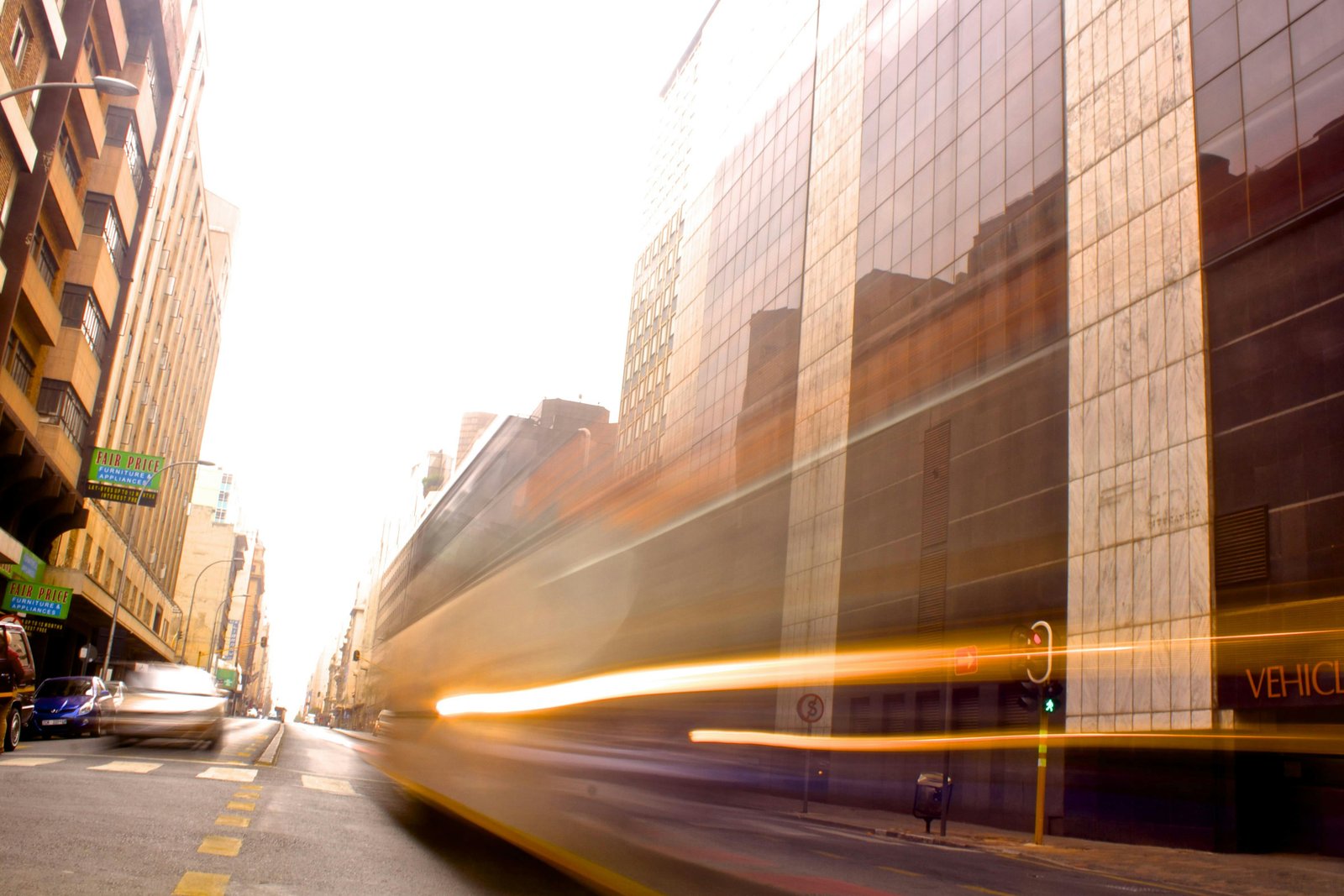
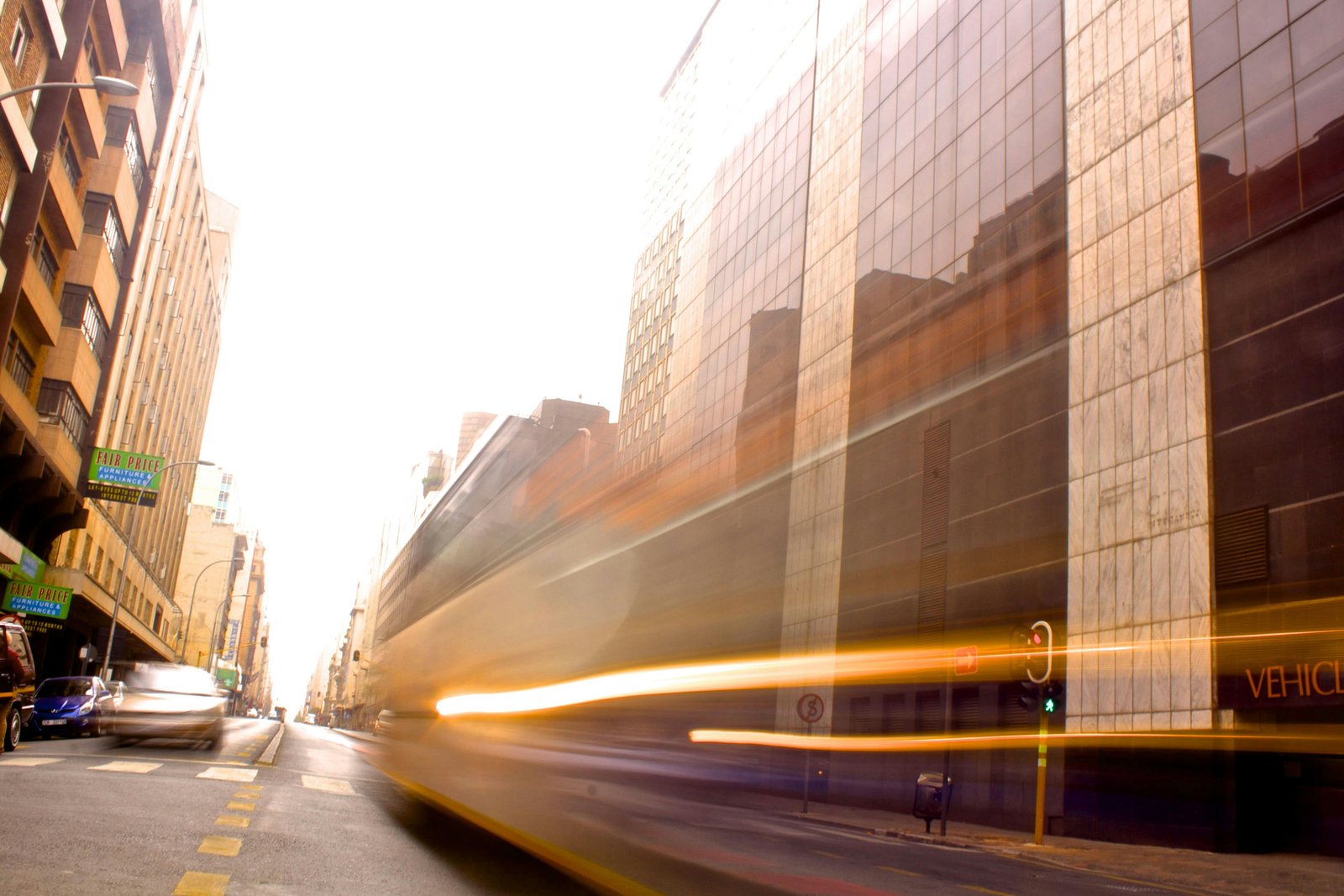
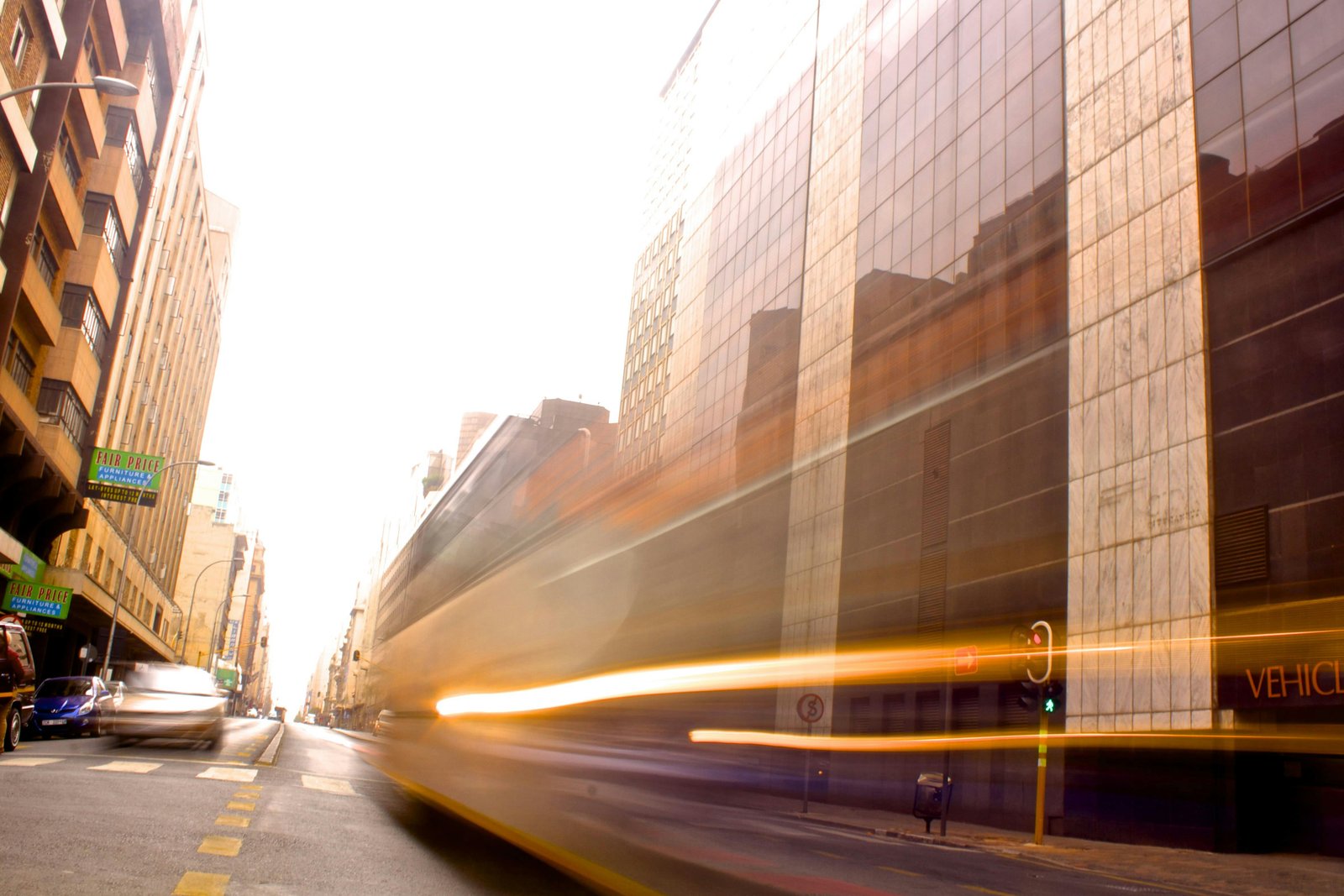
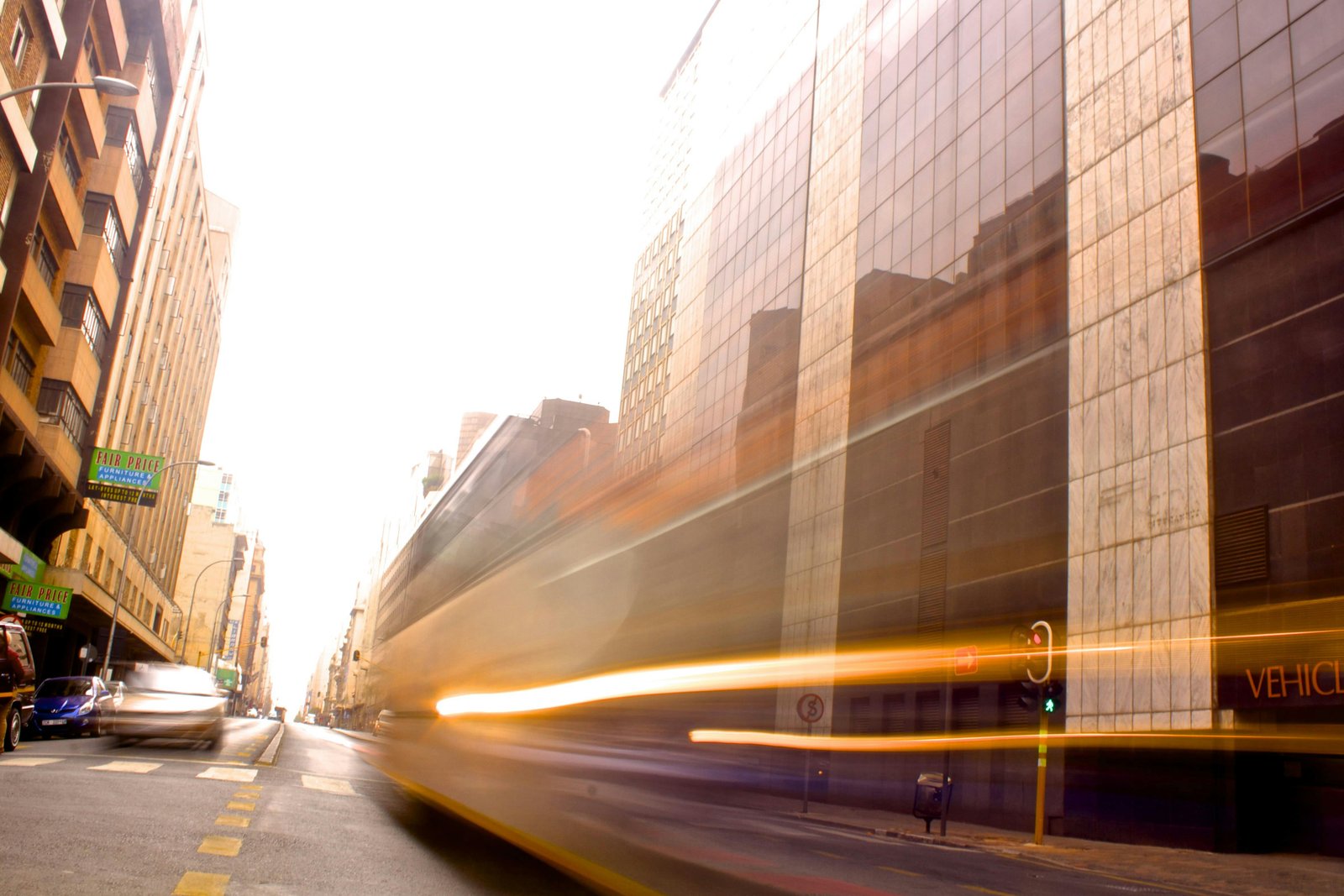
Johannesburg is the most populous city in South Africa. The City of Johannesburg itself has a population of 5,538,596, while the City of Johannesburg Metropolitan Municipality has a population of 6,599,190, making it one of the 100 largest urban areas in the world. Johannesburg is the provincial capital of Gauteng, the wealthiest province in South Africa, and seat of the country's highest court, the Constitutional Court. Situated on the mineral-rich Witwatersrand hills, the city has long been at the epicentre of the international mineral and gold trade. The richest city in Africa by GDP and private wealth, Johannesburg functions as the economic capital of South Africa and is home to the continent's largest stock exchange, the Johannesburg Stock Exchange.
- Population: 5,900,000+ (Metro Area)
- Area: 1,645 km²
- Currency: South African Rand (ZAR)
- Coordinates: Latitude: -26.204444885254, Longitude: 28.045555114746
- Timezone: Timezone info not available
- Current Local Time: ailab
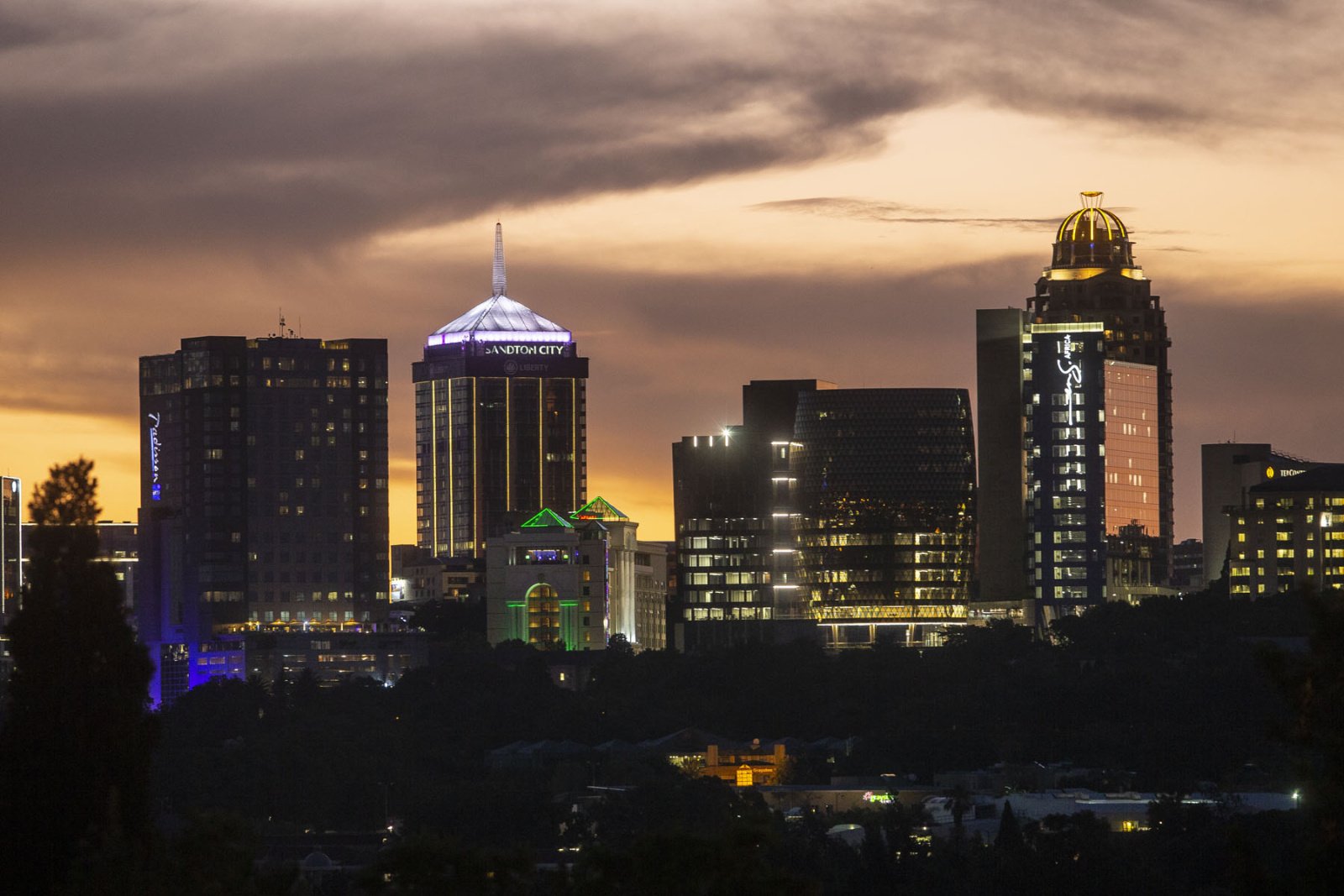
Sandton
Business towers, upscale malls, Nelson Mandela Square, and city nightlife.
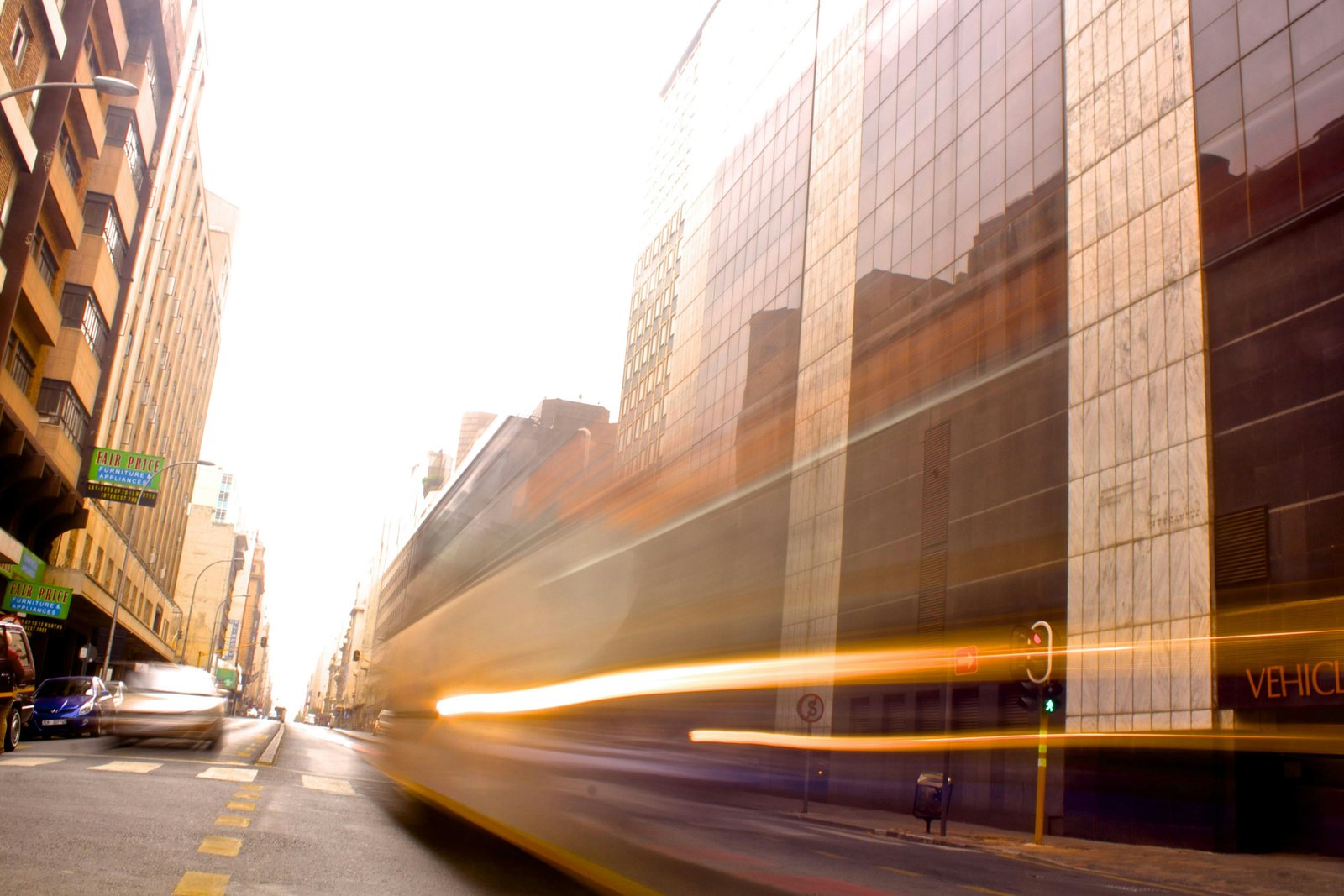
Johannesburg CBD
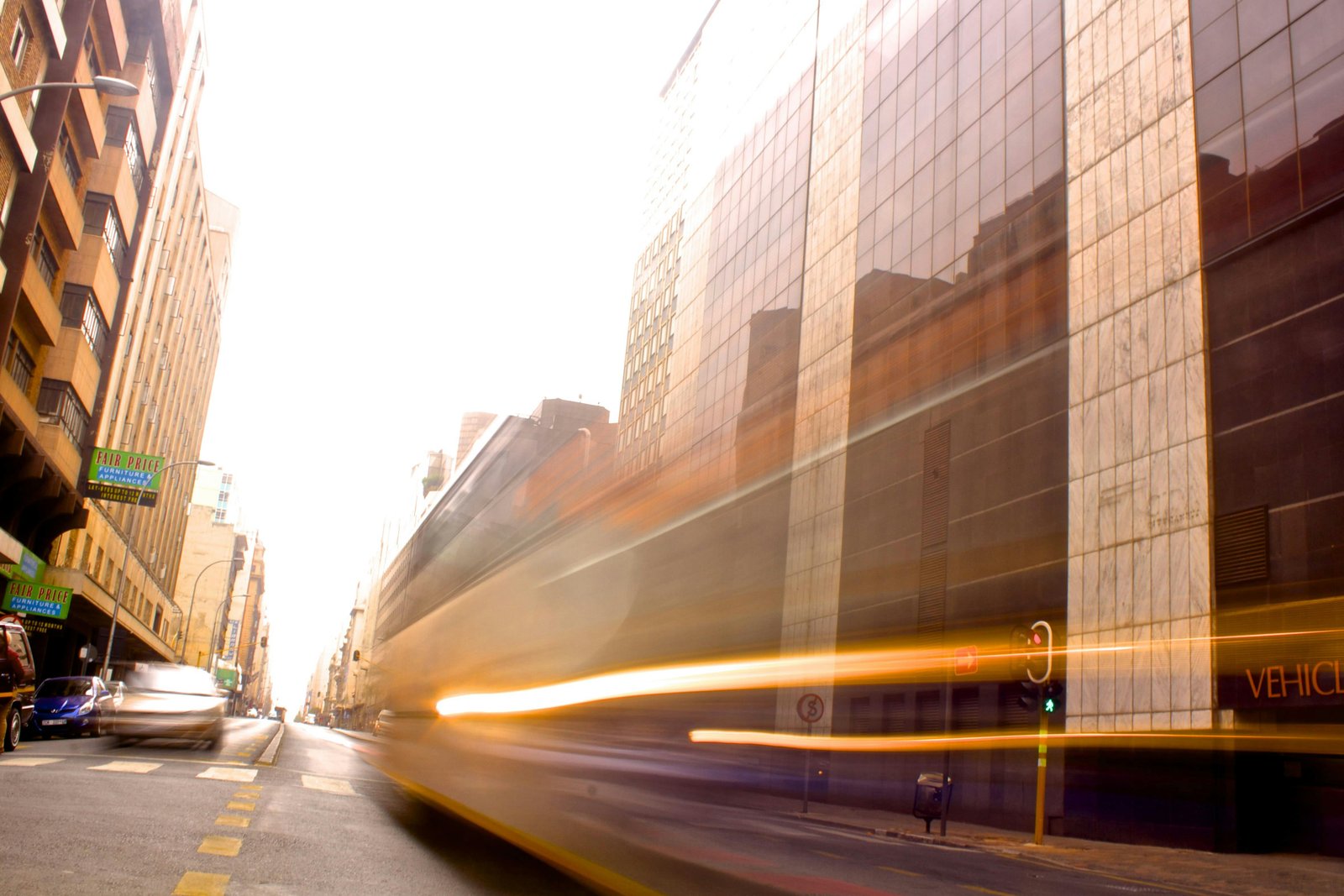
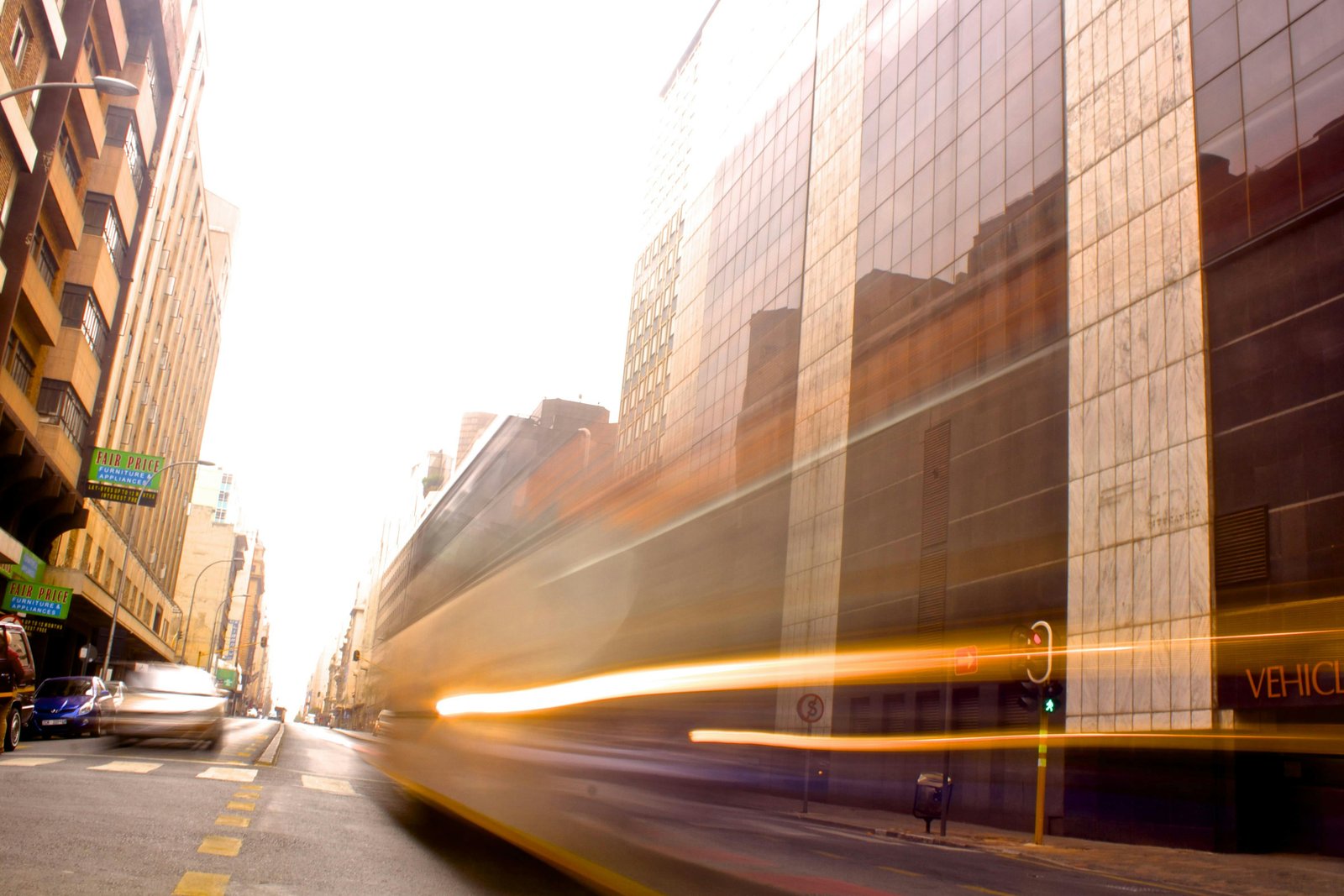
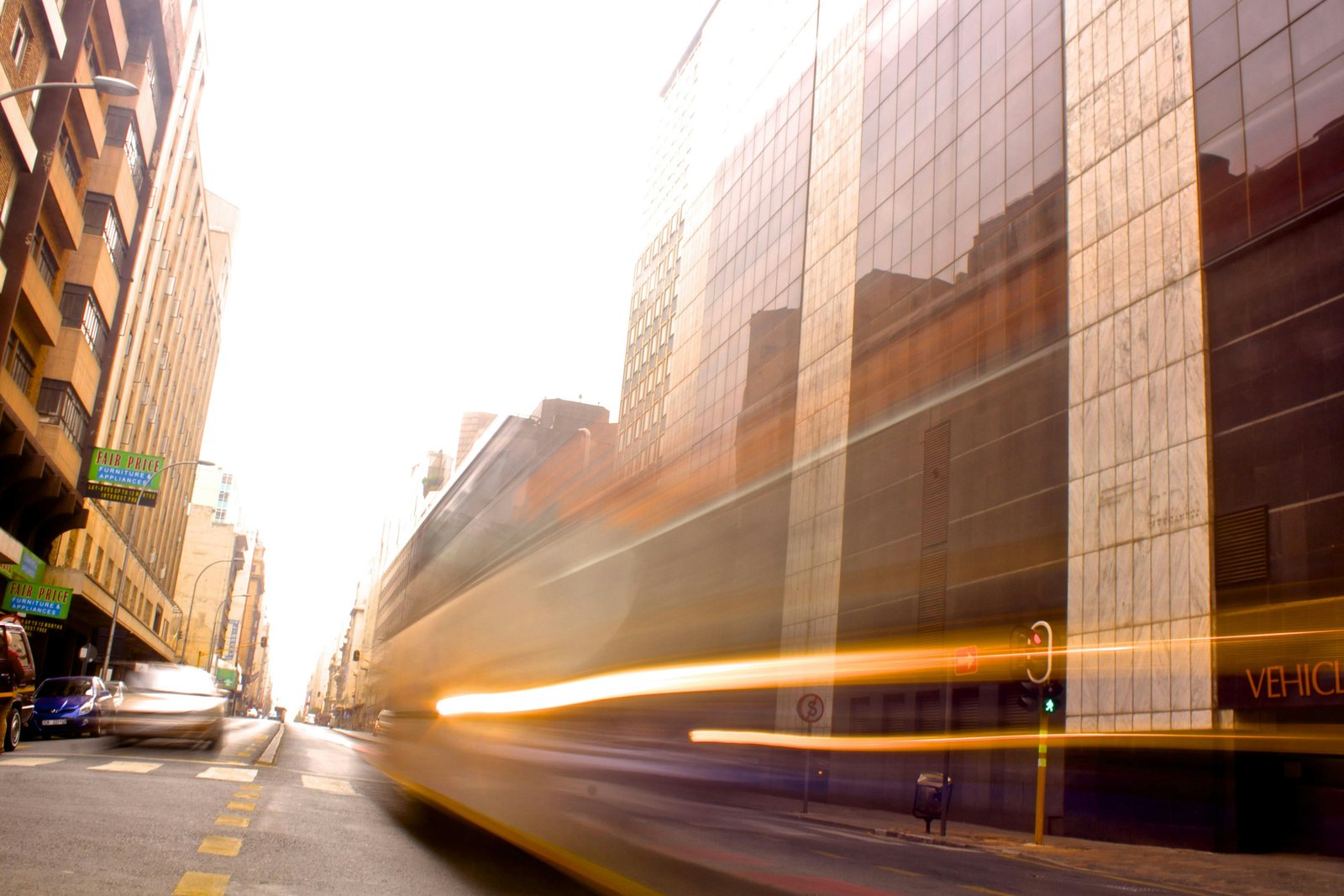
Downtown streets, Commissioner Street, Gandhi Square, and real urban life.
Soweto
Township streets, Maponya Mall, Protea North, and cultural walking tours.
Rosebank & Melrose Arch
Shopping areas, nightlife, and modern mixed-use districts.
Johannesburg Latest News
IOL
Cristiano Ronaldo hit with 30-day ban and R4 700 fine by Portuguese FA
Cristiano Ronaldo faces a 30-day suspension and a €255 fine from the Portuguese Football Federation after walking out of the national team camp in Copenhagen following a fallout with manager Jorge Jesus.
IOL
Moosa Kaprey remembered as a mentor and organiser of young anti-apartheid activists
Moosa Kaprey is remembered for supporting young activists, mobilising resources during the anti-apartheid struggle and serving the democratic movement across generations.
The Citizen
City Power says recovered cables can only be sold as scrap
With the recent recovery of cables and electricity equipment worth millions, City Power has revealed that recovered material can only be sold as scrap. Last week, City Power conducted an operation to disconnect illegal connections in Midrand, where cables worth an estimated R500 000 and two transformers valued at R2 million were recovered. Cables worth R500 000 and transformers worth R2m recovered City Power teams, working with the South African Police Service (Saps) and the Johannesburg Metropolitan Police Department (JMPD), conducted an emergency cut-off operation in the Kanana informal settlement and Klipfontein View in Midrand. According to the utility, the operation uncovered unauthorised installations affecting supply to customers in Rabie Ridge Extensions 1, 2, 3 and 5. This month, the utility conducted disconnections in parts of the city centre, after operating in Alexandra last month. City Power spokesperson Isaac Mangena said recovered cables and other electricity infrastructure are transported to its salvage yard, where the material is recorded for further processing. The utility claimed that thousands of kilograms of aluminium cables recovered in Alexandra were weighed at the salvage yard. Thousands of kilograms of aluminium cables recovered in Alexandra Mangena said the utility weighs and verifies recovered infrastructure. “The value of recovered aluminium cable is determined based on the weight of the material and the applicable scrap value,” Mangena said. “In the case of the Alexandra operation, the estimated value of R200 000 relates to the recovered aluminium cable”. The recovered aluminium cables are not returned to City Power’s operational stock. Recovered aluminium cables are sold as scrap through a tender process, with the utility saying the material is ordinarily sold to the highest bidder. Material ordinarily sold to the highest bidder City Power said the applicable procurement and disposal processes govern the selection of the successful bidder and the sale of the material. In its statement on the Midrand operation, City Power said illegal connections had repeatedly disrupted electricity supply in affected areas and placed additional pressure on the network. The utility said the installations uncovered in Kanana and Klipfontein View demonstrated the extent of unauthorised interference with its infrastructure. In Kanana, officials found a transformer installed inside a shack and connected to a network of illegally installed cables. City Power said it recovered one ton of cables estimated to be worth R500 000, as well as two transformers with a combined estimated value of R2 million. In Klipfontein View, officials found that reinforced locks on a mini-substation had been removed and the equipment forcibly opened. City Power said it removed three breakers and disconnected illegal connections, while a case was opened with Rabie Ridge SA Police Service.
The Citizen
South Africa needs to invest in free press
Yesterday was the 49th anniversary of Black Wednesday, the day the apartheid regime closed The World, forerunner of today’s The Sowetan, and Weekend World, as well as Pro Veritate, a Christian publication. Five decades later we remember it as Press Freedom Day. We should not need reminding of the importance of a free and diverse media. Our founding father Nelson Mandela memorably quipped he’d prefer a bad press, rather than a cowed press. The constitution guarantees a free press and we truly do live in one of the freest societies in the world when it comes to having the level of debate (good and bad, highbrow and gutter) we are allowed. There is a tendency to take that for granted, which we never should. Editor Percy Qoboza and his team at The World, the reporters on the Rand Daily Mail, Ken Oosterbroek and the Bang-Bang Club and countless other, ordinary journalists across the spectrum helped bring about April 1994, the month of SA’s first democratic non-racial elections. Thanks to them, we know about the corruption and criminality that underpinned the regime. Thanks to the generations that followed, ivory towers tumbled, presidents were recalled, tycoons took themselves out and kleptocracies were unveiled. It is not the media’s job to bring the wrongdoers to justice, but it’s also no coincidence some of our superheroes, like Superman and Spider-Man’s alter egos, were journalists. It’s thanks to our media we know about the scandals that followed state capture, but the greatest irony is the greatest threat to media freedom is not the state, but us. Journalism costs money and great journalism costs even more. Somehow, the same magical thinking that lets us believe that sheep dip can cure a pandemic, or that a president can be trusted because he has a nice smile, lets us imagine we will always have investigative journalists speaking truth to power. We blithely ignore the cost in livelihood or even life – to say nothing of the horrific legal bills as collateral damage in some big man’s Stalingrad defence. The net result is the post-truth world we are increasingly finding ourselves in of fake news and outright lies, where opinions trump facts. It needn’t be that way, we just need to invest in the greatest freedom of all: the right to information we can trust – instead of WhatsApp or doom-scrolled reels on our phones.
The South African
Chiefs showed me more respect than Orlando Pirates, says Bucs legend Jerry Sikhosana
Orlando Pirates legend Jerry Sikhosana feels he has not been treated well by his former club despite his years of service to the Buccaneers. Sikhosana famously scored in the 1995 CAF Champions League final against ASEC Mimosas, helping Pirates secure their only title in the competition’s history. The retired striker, however, believes the club has failed to show him the appreciation he deserves, revealing that he has been denied VIP treatment on several occasions. Speaking on the Kasi Jam podcast, Sikhosana expressed his frustration at having to queue alongside ordinary supporters to buy tickets to watch his former team in action. “You look at me walking, you look at the Pirates jersey, it has a star. The first impression that comes is Jerry Sikhosana, he gave us the star. But I will go to the ground, fold my arms and queue with the supporters to buy tickets,” he said. Kaizer Chiefs Give Orlando Pirates legend Special Treatment Sikhosana also recalled an incident at last year’s Nedbank Cup final in Durban, where he received attention from Kaizer Chiefs despite his history with their fierce Soweto rivals. The former striker was with ex-Chiefs goalkeeper Brian Baloyi when they went to the suites, where he encountered Thandi Merafe (Bucs media officer) and spotted former Pirates players Eddie Motale and Lucky Lekgwathi wearing the club’s new tracksuits for the final. “You can see that there are the two legends picked to represent the club for that game,” he said. After greeting Motale and Lekgwathi, Sikhosana was asked where his own uniform was. He responded by suggesting that he was no longer regarded as a legend because he was wearing his own clothes. The Pirates icon also explained how he struggled to get tickets to watch the match from the grandstand before bumping into Chiefs marketing director Jessica Motaung. “As I was leaving, on the stairs, I bumped into Jessica Motaung. She was told that Jerry was asking for tickets. She turned and asked how I was and said, ‘Don’t worry, we know where you are, you can be black on the outside, but we know how you are inside. That’s stress’,” Sikhosana recalled. ‘Where Are the People I Served?’ the Orlando Pirates legend asked. Sikhosana questioned why he received attention from Chiefs when he felt overlooked by the club where he made his name. “A person from Chiefs gave me attention, whereas I played for Pirates and the same team ignored me. I got special treatment from a rival, the same team I used to destroy. Where are the people I served during the derby?” he asked. The Bucs legend added that he has become accustomed to queuing with supporters whenever he wants to watch Orlando Pirates play. “I am no longer a legend, I take pictures with supporters, that’s what I tell them,” Sikhosana added. Do you think Sikhosana should be given VIP treatment?
The South African
CAS reveals date to rule on legitimate AFCON 2025 winners
Court of Arbitration for Sport (CAS) has revealed a date to rule on who the legitimate winners of the 2025 Africa Cup of Nations (AFCON). In January 2026, Senegal were crowned AFCON champions after beating Morocco 1-0 in a final filled with controversies. On the night, a number of Senegal players walked out of the pitch in protest for a dubious penalty which was awarded to Morocco. They then returned to pitch after the game had stopped for almost 15 minutes, and Edouard Andy denied Brahim Diaz from the spot. Pape Gueye then scored the winner for Senegal, much to the delight of many African football fans. Morocco lost the game but they later protested the result with CAF who ruled in their favour, and Senegal appealed the ruling with CAS. Now, in a statement released on Monday, CAS revealed that its panel has begun its work and continues to deliberate on the matter. CAS said the final ruling on who the legitimate AFCON 2025 winners will be released at the end of November 2026. CAS TO DETERMINE LEGITIMATE AFCON 2025 WINNERS IN NOVEMBER “This is a procedural update regarding the decision for the appeal by the Senegalese Football Federation (FSF, in French) against the Confederation of African Football (CAF) and the Royal Moroccan Football Federation (FRMF, in French),” reads the statement. “The hearing took place behind closed doors at CAS headquarters, in Lausanne, on Thursday 8 October 2026.” “The Panel have begun and continue their deliberations.” “The CAS arbitrators have decided to issue a complete ruling which includes legal grounds, known as a CAS Award. This process will require several weeks, with the CAS Award expected at the end of November 2026.” “Only information provided through CAS channels is considered official and any announcement concerning this case will be published on the CAS website,” concluded the statement. WHO ARE LEGITIMATE AFRICAN CHAMPIONS? Let us know in the comment section below…
TechCentral
Post Office wants R2.2-billion from government as it braces for another loss
A previously committed amount of R3.8-billion for modernisation and for creditors still owed money was never released.
TechCentral
AI music is here and the South African rulebook is blank
Samro now requires members to disclose AI use in songs but sets no minimum human contribution.