General Information
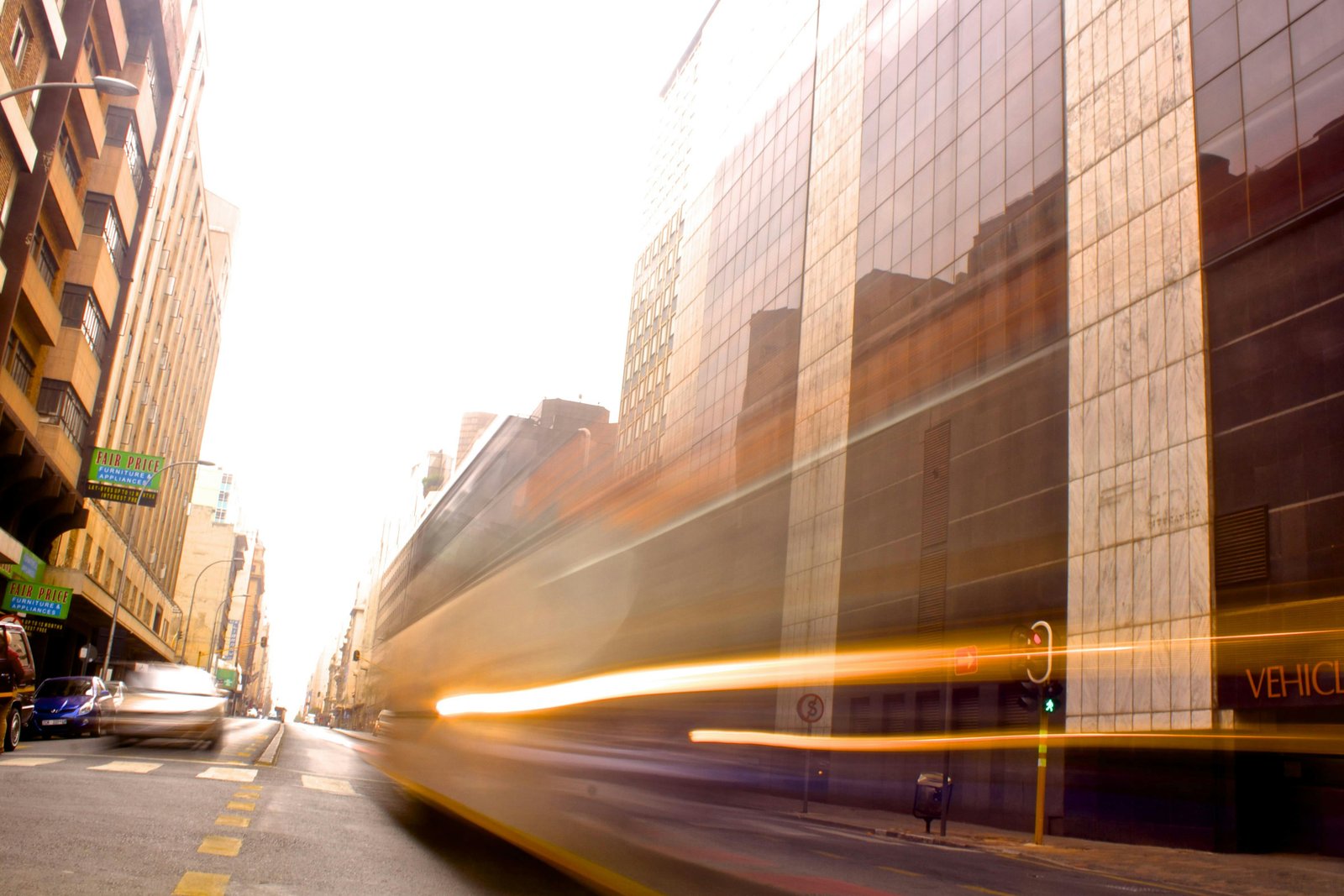
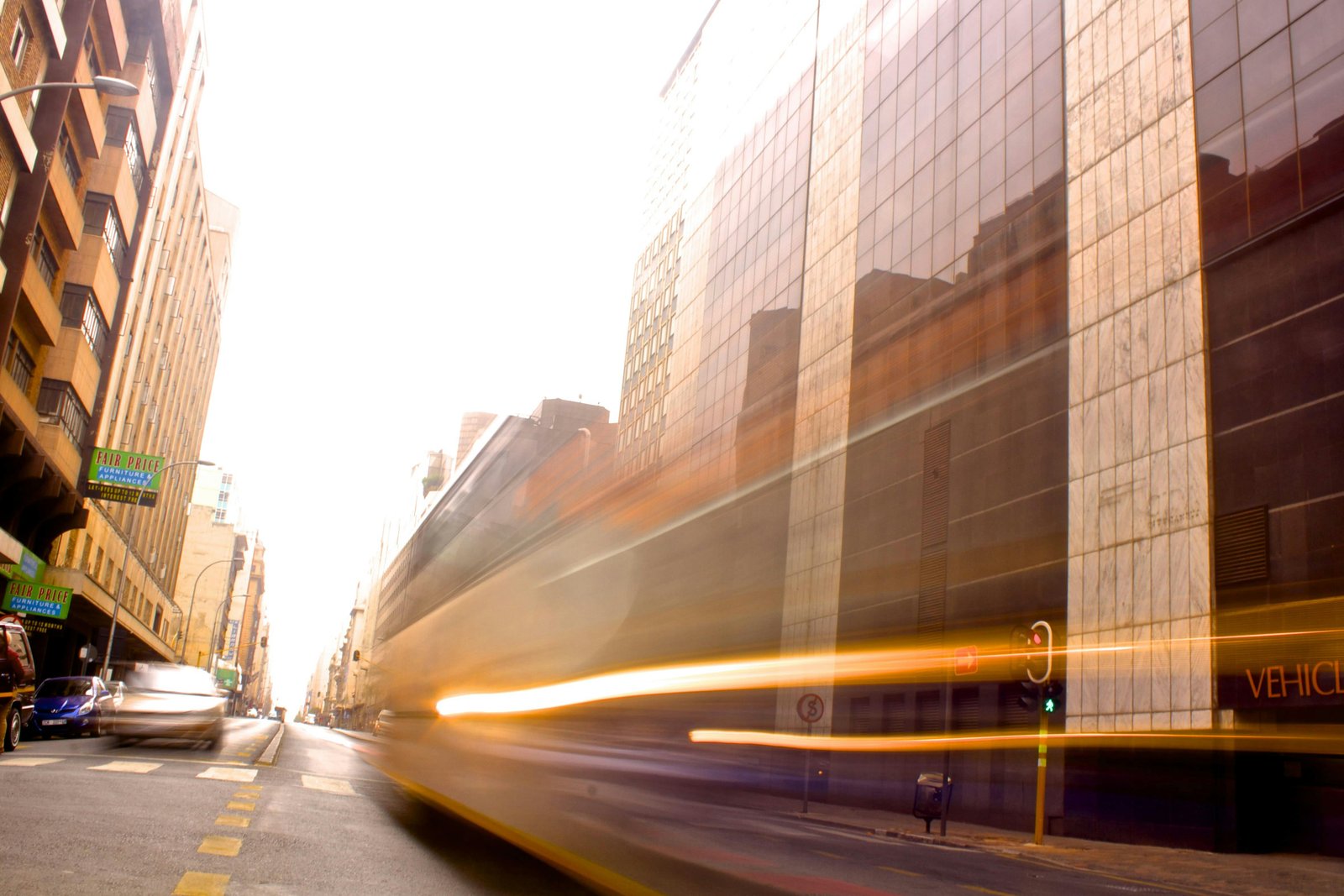
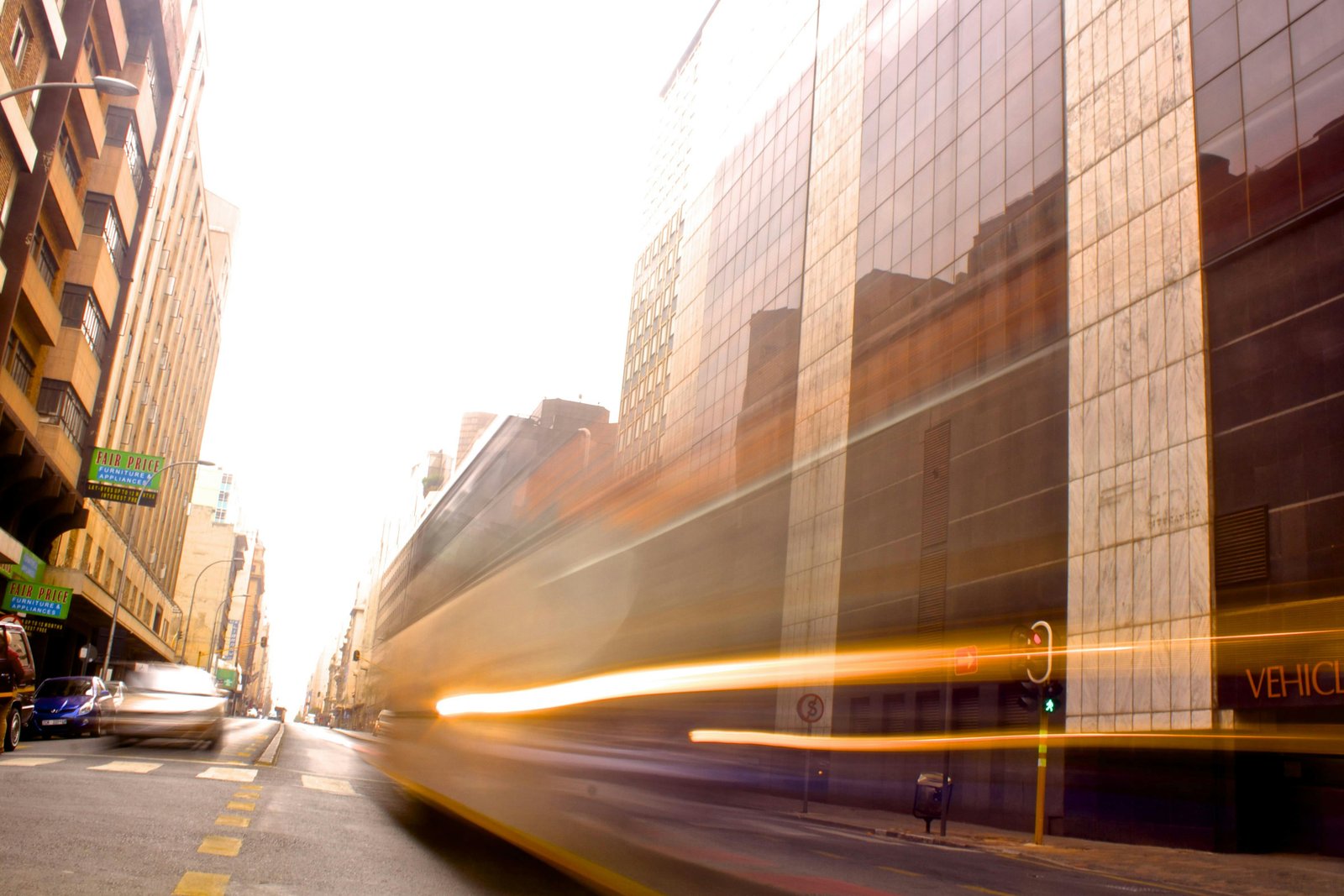
Johannesburg is the most populous city in South Africa. The City of Johannesburg itself has a population of 5,538,596, while the City of Johannesburg Metropolitan Municipality has a population of 6,599,190, making it one of the 100 largest urban areas in the world. Johannesburg is the provincial capital of Gauteng, the wealthiest province in South Africa, and seat of the country's highest court, the Constitutional Court. Situated on the mineral-rich Witwatersrand hills, the city has long been at the epicentre of the international mineral and gold trade. The richest city in Africa by GDP and private wealth, Johannesburg functions as the economic capital of South Africa and is home to the continent's largest stock exchange, the Johannesburg Stock Exchange.
- Population: 5,900,000+ (Metro Area)
- Area: 1,645 km²
- Currency: South African Rand (ZAR)
- Coordinates: Latitude: -26.204444885254, Longitude: 28.045555114746
- Timezone: Timezone info not available
- Current Local Time: ailab
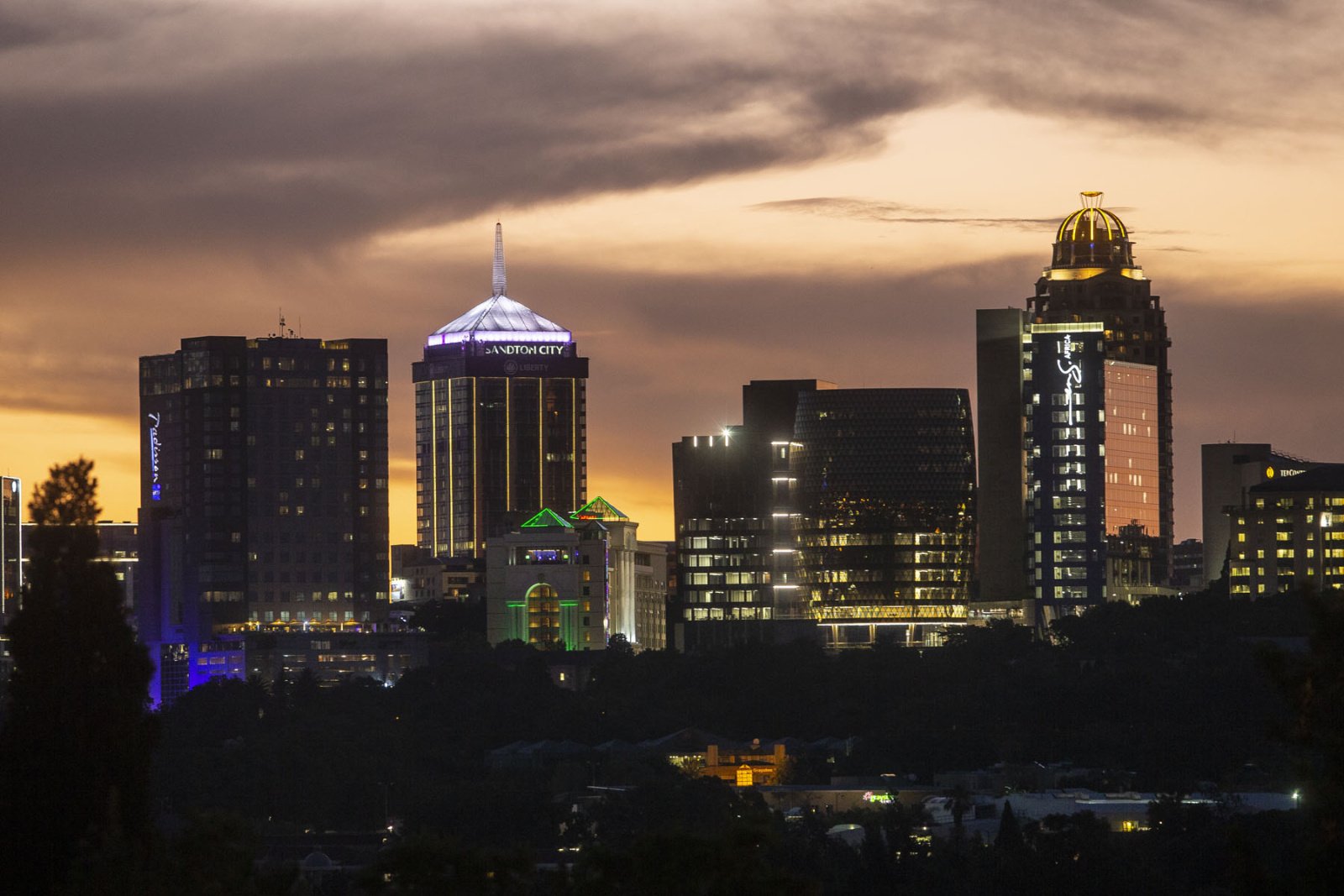
Sandton
Business towers, upscale malls, Nelson Mandela Square, and city nightlife.
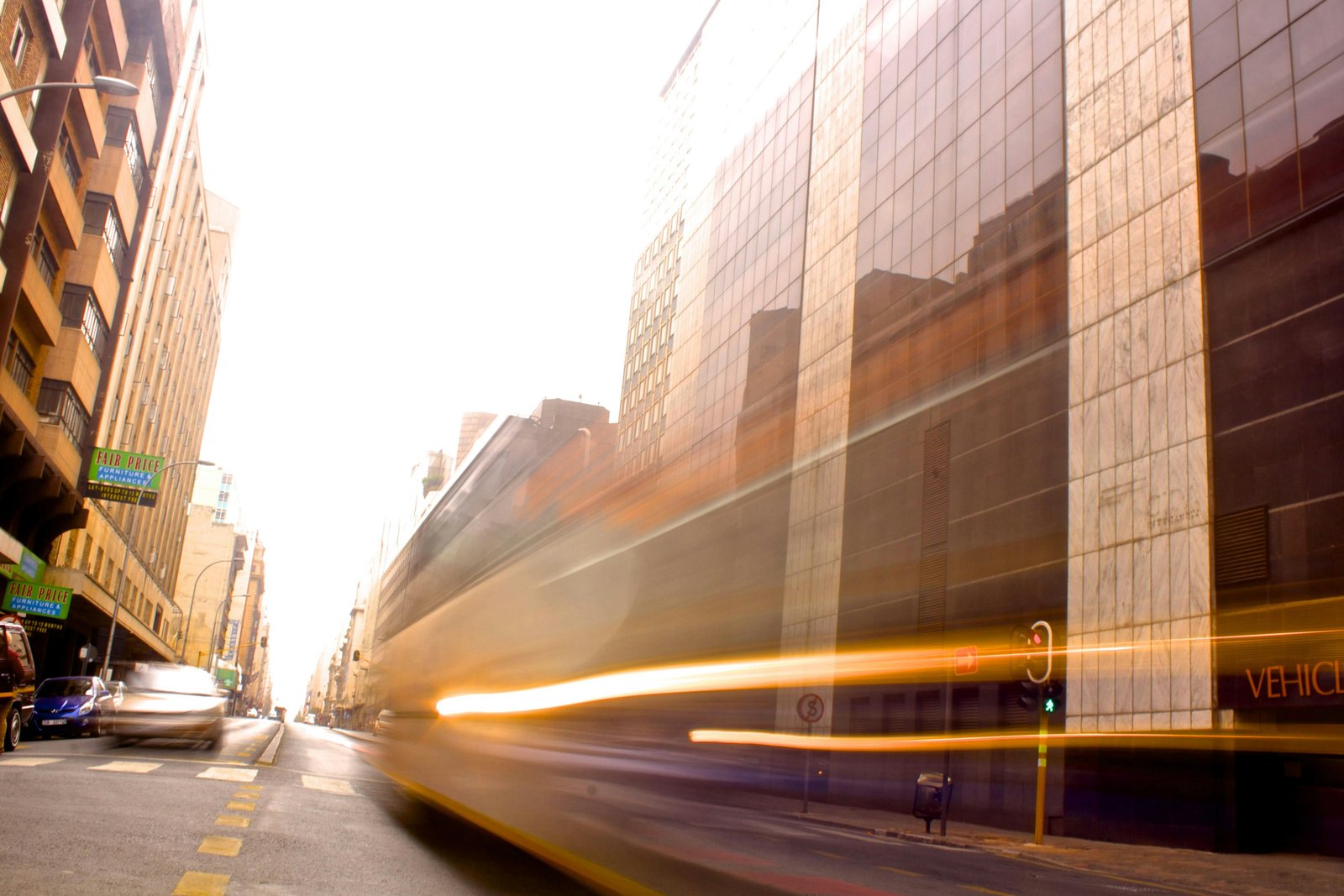
Johannesburg CBD
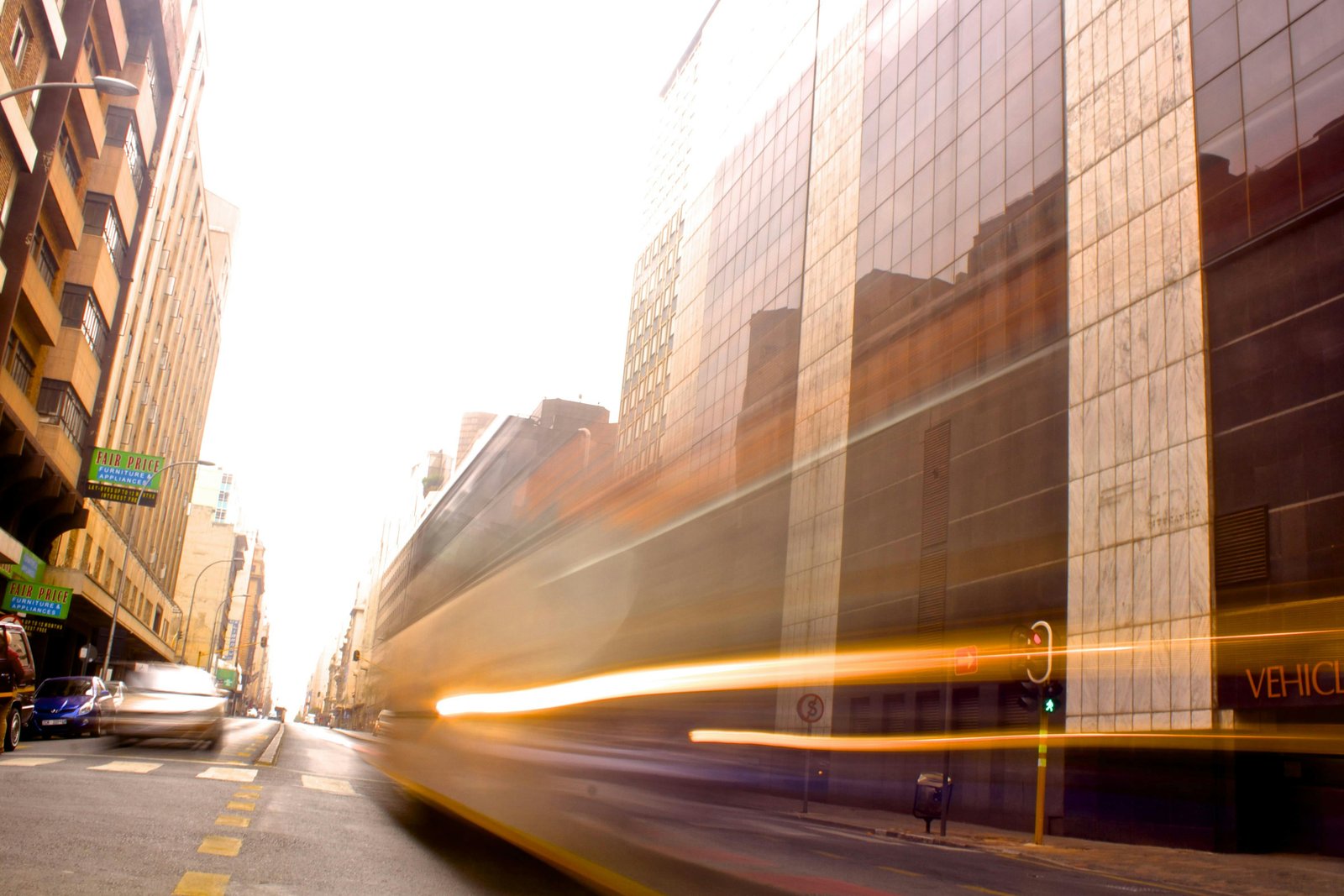
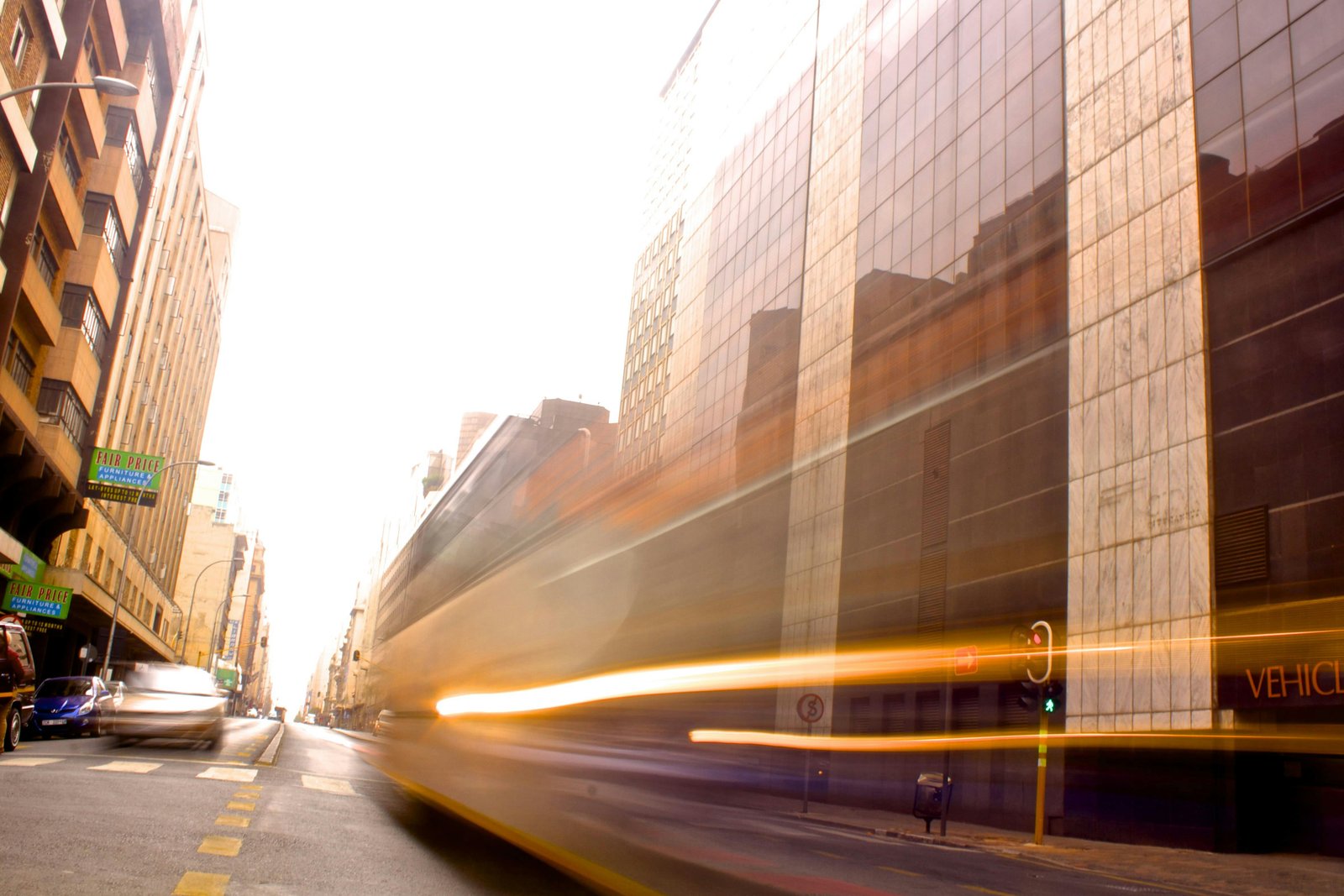
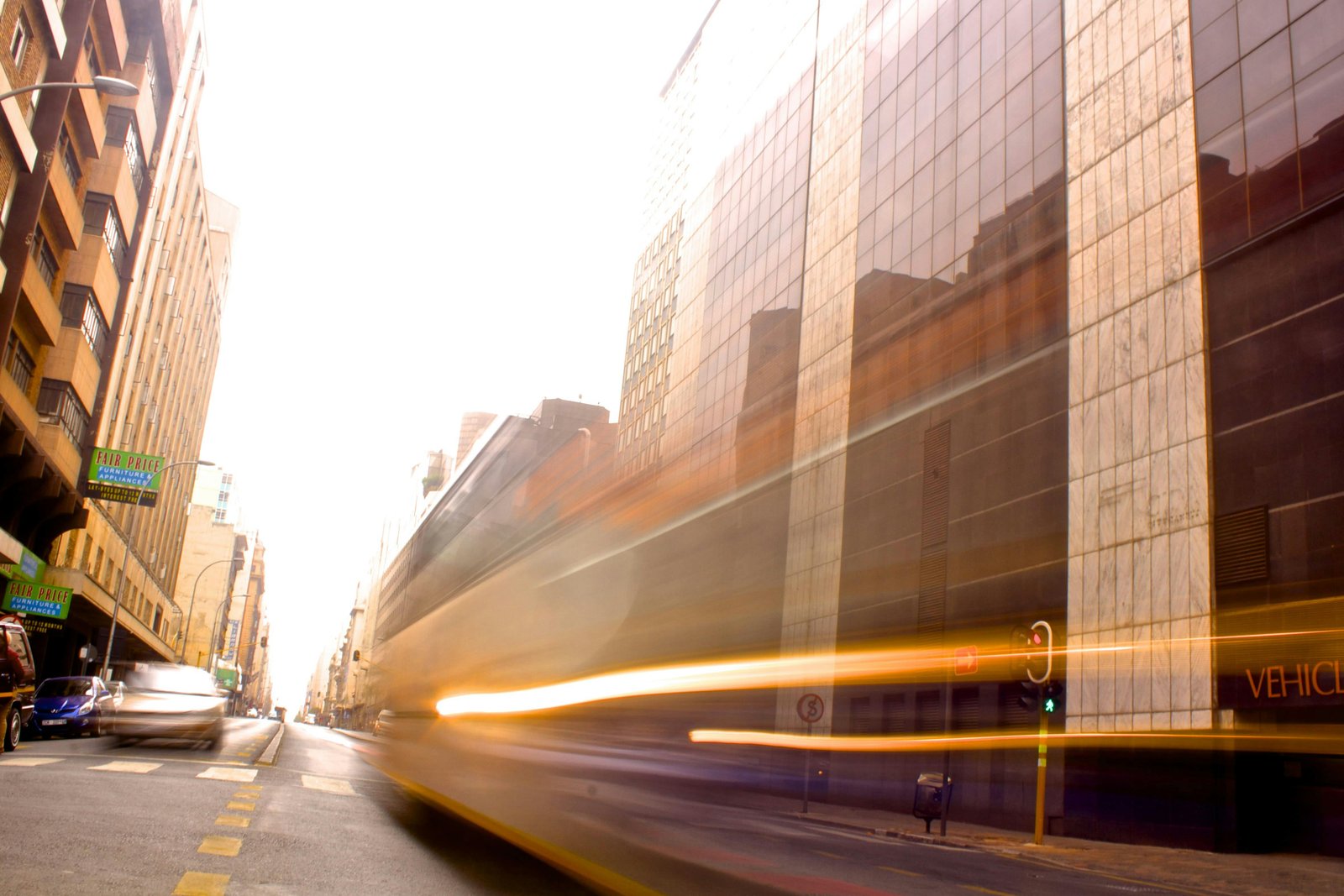
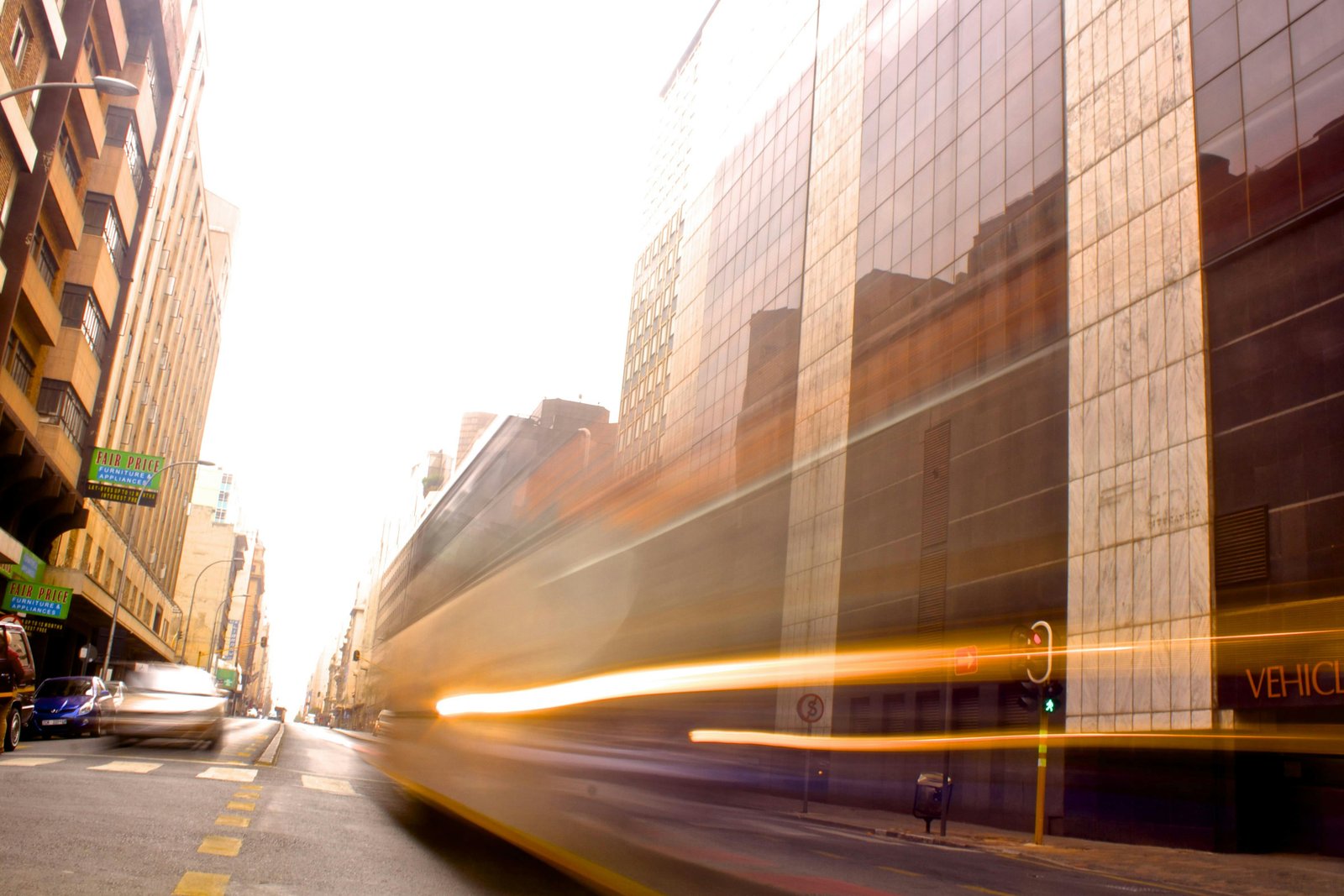
Downtown streets, Commissioner Street, Gandhi Square, and real urban life.
Soweto
Township streets, Maponya Mall, Protea North, and cultural walking tours.
Rosebank & Melrose Arch
Shopping areas, nightlife, and modern mixed-use districts.
Johannesburg Latest News
IOL
Exclusive: Nobel Peace Prize winner Navi Pillay speaks to IOL
Nobel laureate sits down with IOL CEO Viasen Soobramoney in a wide-ranging interview exploring xenophobic violence, political interference in international courts and how she will use her award to help others.
IOL
DNA and fingerprint checks find no matches for six South Africans missing in Nepal floods
DNA and fingerprint checks have yet to identify six South Africans missing since the August 26 floods in Nepal’s Rasuwa region, as their families await updates on search efforts and the process for obtaining death certificates.
The Citizen
‘Do something on fuel,’ civil rights organisations and unions say
Civil rights organisations and unions have called on the government to intervene and help alleviate the pressure from the ongoing fuel price increases in South Africa. Yesterday, civil society group Concerned Citizens of South Africa organised a shutdown and pickets in Cape Town, Durban and Pretoria to protest soaring fuel prices and demanded a 50% reduction. Concerned Citizens organise a shutdown over fuel prices The Congress of South African Trade Unions said it wants government to use R10 billion already earmarked for fuel price relief to ease the burden on motorists. AfriForum’s head of public relations Ernst van Zyl said the fuel price could be R6 cheaper if government was willing to cut taxes on it. “That’s why AfriForum has been calling for a long-term, ideally permanent, fuel levy cut since March. AfriForum is conducting an investigation into fuel prices and the associated levies to help build the foundation for long-term fuel price reform,” Van Zyl said. He said AfriForum will investigate the calculation of the various levies, their application, efficiency, transparency and proportionality, the utilisation and effectiveness of the funds, the economic impact on consumers, transport operators, agriculture and small businesses, and options for lasting reform to relieve pressure on consumers. The Automobile Association of South Africa (AA) has called on the government to abandon vanity transport ventures, review fuel taxes and overhaul the country’s distorted mobility funding model during Transport Month. AA CEO Bobby Ramagwede said according to Stats SA, South African households spend an average of 16% of total expenditure on mobility, far exceeding the government’s 10% policy ceiling. Households spend average 16% of total expenditure on mobility “For the poorest workers and those living outside economic hubs, the situation is disastrous. “Affordability tracking by the Pietermaritzburg Economic Justice and Dignity Group (PMBEJD) reveals that transport and electricity consume up to 64.6% of the national minimum wage. “On a minimum wage of R5 078, an average worker spends R1 520 on transport alone, leaving under R1 800 to feed a family for the month. South Africa has engineered a structural poverty trap on wheels,” Ramagwede said. He said when a security guard or retail worker must surrender nearly half their wages just to sit in a minibus taxi, the transport network is no longer connecting people to opportunity and is penalising them for having a job. “Spatial segregation continues to punish the working class. Because low-income workers live on urban peripheries far from business districts, most face an unavoidable double-fare penalty. “Commuters routinely take two minibus taxis each way. A commuter paying R18 per leg spends R72 daily, or roughly R1 580 monthly, in cash fares,” he said. Transport and electricity consume up to 64.6% of national minimum wage Ramagwede said despite carrying over 80% of public transport users, the minibus taxi industry receives no direct operational subsidies from the state. Commuters bear every rise in fuel prices directly, with no financial buffer. “Workers are not choosing between public transport and luxury goods. They are choosing between taxi fares and buying protein for their children. “Health research highlights the harsh consequences of these choices. Over 25% of South African boys under age five suffer from stunting because families cannot afford nutritious food after paying transit fares and utilities. “The PMBEJD reports that while a basic nutritional food basket for a family of four costs roughly R3 800 monthly, minimum-wage earners are left with less than half that amount after commuting costs,” he said. The AA condemned the state for pouring billions into elite infrastructure, particularly the Gautrain.
The Citizen
Will the medium-term budget be magic or misery?
Finance Minister Enoch Godongwana has the tough task of trying to find some relief for struggling households while, at the same time, exploring new ways of generating revenue when he delivers the 2026 medium-term budget policy statement in Cape Town tomorrow. Government must now either cut spending, raise more taxes, or find other ways to improve its finances to keep its debt stable – a tricky balancing act mainly due to the economic fallout from the conflict in the Middle East. Motorists have been hit hard by the consistent fuel hikes that, in turn, affects the cost of everything. Retail strategist Jeri Mookana, founder of Laud Beauty, warned the year is just going to get harder: “Whatever the minister announces, shoppers made their own budget decisions months ago. They’re cancelling subscriptions, cutting extras and asking a much harder question before they spend: is this worth it? “I spent almost 20 years helping retailers get people to buy more. What the data taught me is that volume is the easiest way to grow and the most expensive way to last. “Right now, the brands that win won’t be the ones shouting the loudest discount. They’ll be the ones customers trust not to waste their money.” She added: “Black Friday is the perfect example. Record sales look great on Monday morning. But if shoppers are left with things they didn’t need and retailers are left with stock they had to slash, nobody really won. “When money is this tight, choice stops feeling like freedom and starts feeling like work. The kindest thing a retailer can do for a South African woman now is to do the hard thinking before a product reaches the shelf, so she doesn’t have to gamble her budget on it. “My advice this festive season is simple: buy fewer things and buy them on purpose. One good product you actually use is worth more than five bargains you’ll forget about by January.” We wonder what good or bad surprises Godongwana has in store for us.
The South African
RIP | Laerskool Totius boy, 8, dies in tragic accident
An eight-year-old Grade 2 learner from Laerskool Totius in Bellville, Cape Town, has died following a tragic accident, leaving his school community in mourning. Nero van Niekerk died on Friday, 16 October, just three months after celebrating his eighth birthday. The school broke the news on Facebook on Sunday, prompting an outpouring of condolences from teachers, parents and community members. LAERSKOOL TOTIUS CONFIRMS LEARNER’S DEATH Laerskool Totius, in Bellville’s Boston suburb, shared a memorial tribute to Nero, who was born on 17 July 2018. The school expressed its heartbreak and extended condolences to his family, friends and classmates. It also called on the community to keep Nero’s loved ones in their prayers. However, the school did not disclose the circumstances surrounding the accident. TEACHER’S HEARTBREAKING FINAL MESSAGE Nero’s teacher, Madeleine van Zyl, shared an emotional farewell in the comments. “Juffrou gaan jou baie mis, jy het diep spore in my hart getrap,” she wrote. The message translates to: “Teacher will miss you so much. You left deep footprints in my heart.” Van Zyl also remembered Nero as a mischievous little boy and offered her condolences to his grieving family. Her message drew attention as parents and community members reacted to the young learner’s sudden death. ‘TOO MANY YOUNG CHILDREN ARE DYING’ The school’s announcement sparked an emotional response on Facebook. Anzel Strydom expressed her sadness over the death. “My hart kry so seer,” she wrote, meaning: “My heart aches so much.” Another commenter, Bramie Lubbe, wrote: “Te veel jong kinders sterf.” This translates to: “Too many young children are dying.” Others sent messages of strength and comfort to Nero’s family and the school. WHAT CAUSED NERO VAN NIEKERK’S DEATH? Laerskool Totius has confirmed that Nero died following an accident but has not revealed where it happened or what led to his death. The school has not released further details about the incident. The circumstances surrounding the eight-year-old’s death therefore remain unclear.
The South African
WARNING | Do NOT use tap water in these Tshwane areas
Authorities have warned residents in five Tshwane communities not to use their tap water after contamination left 408 people ill. The warning remains in place on Tuesday, 20 October, as government investigates serious failures at the Bronkhorstspruit Water Treatment Works. Water and Sanitation Minister Pemmy Majodina confirmed on Monday that the City of Tshwane supplied untreated water for three weeks without warning residents. Children under four account for most of the reported illnesses. WHICH TSHWANE AREAS ARE AFFECTED? Authorities have identified five communities in Tshwane’s Region 7: Bronkhorstspruit Zithobeni Dark City Rethabiseng Sokhulumi Residents must avoid using tap water for drinking, cooking, bathing, brushing their teeth or washing clothes. Government has warned that boiling the water will not make it safe under the current advisory. Residents may only use the affected water to flush toilets. TESTS REVEAL DANGEROUS WATER CONTAMINATION Majodina said investigators discovered that the municipality failed to chlorinate water between 24 September and 14 October. The treatment plant draws water from the Bronkhorstspruit River, which receives sewage from malfunctioning wastewater infrastructure. Tests on 14 October detected extremely high levels of E. coli and total coliform bacteria in water from the treatment works and nearby reservoirs. Investigators also found that the municipality failed to warn residents about the unsafe water supply. MORE THAN 400 PEOPLE FALL ILL Health authorities recorded 408 cases of gastrointestinal illness between 7 and 18 October. Patients reported diarrhoea and stomach cramps, prompting treatment at Bronkhorstspruit Hospital and surrounding clinics. The National Institute for Communicable Diseases detected norovirus, Campylobacter and Shigella in patient samples. The tests found no cholera bacteria in the samples examined. Authorities had not recorded any deaths by Monday evening. WHEN WILL TSHWANE’S WATER BE SAFE? The City of Tshwane restored chlorine supplies on 15 October and reopened the treatment plant the following day. However, authorities have not declared the water safe for drinking. The municipality has deployed emergency water tankers and plans to increase the fleet to 36 to supply affected communities. The Water Research Commission will conduct independent water tests and investigate the contamination. Government expects the investigation report by 28 October but has not announced when residents can safely use their tap water. Majodina urged residents to discard previously stored water, disinfect containers and seek medical attention if they experience symptoms.
TechCentral
Post Office wants R2.2-billion from government as it braces for another loss
A previously committed amount of R3.8-billion for modernisation and for creditors still owed money was never released.
TechCentral
AI music is here and the South African rulebook is blank
Samro now requires members to disclose AI use in songs but sets no minimum human contribution.