General Information
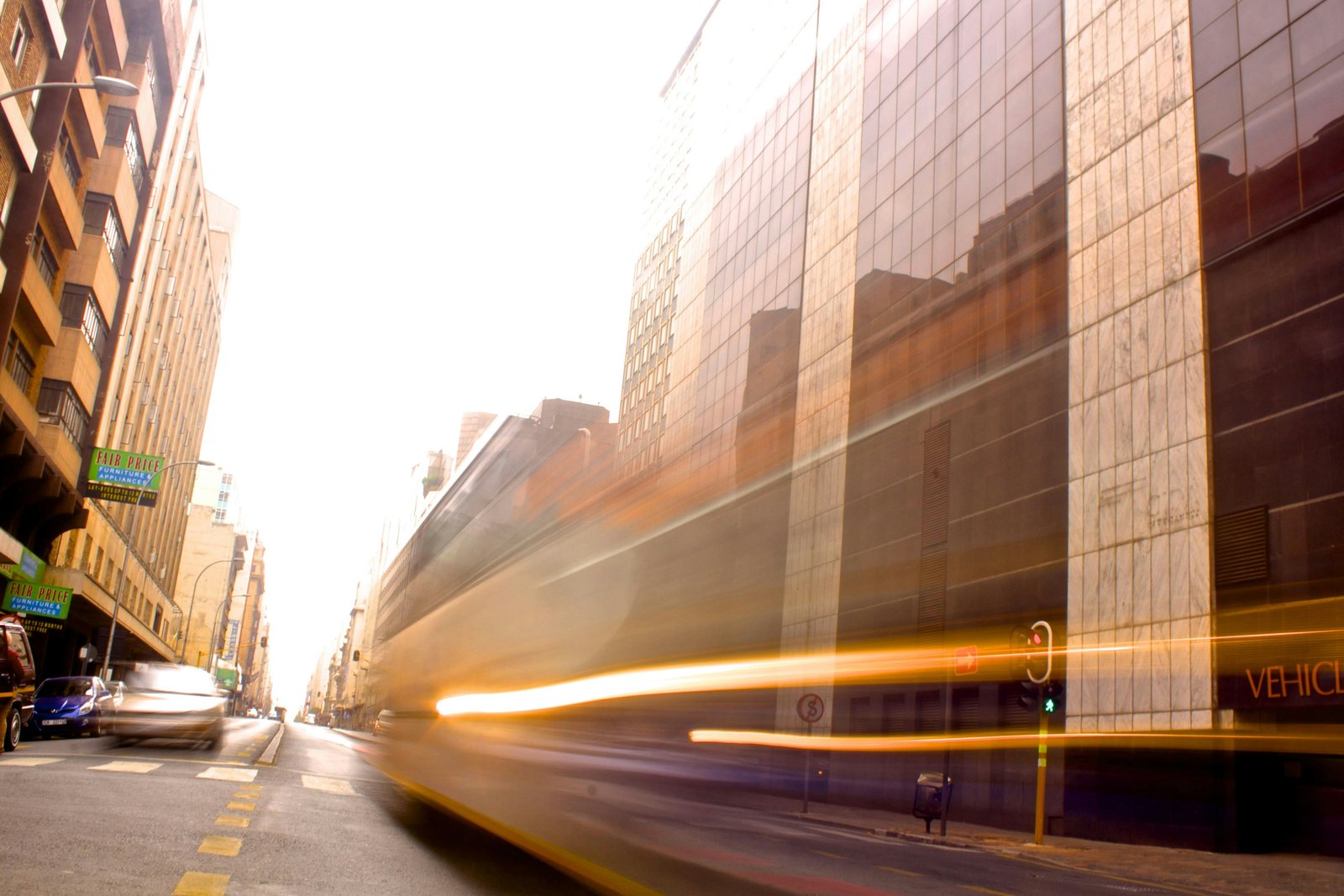
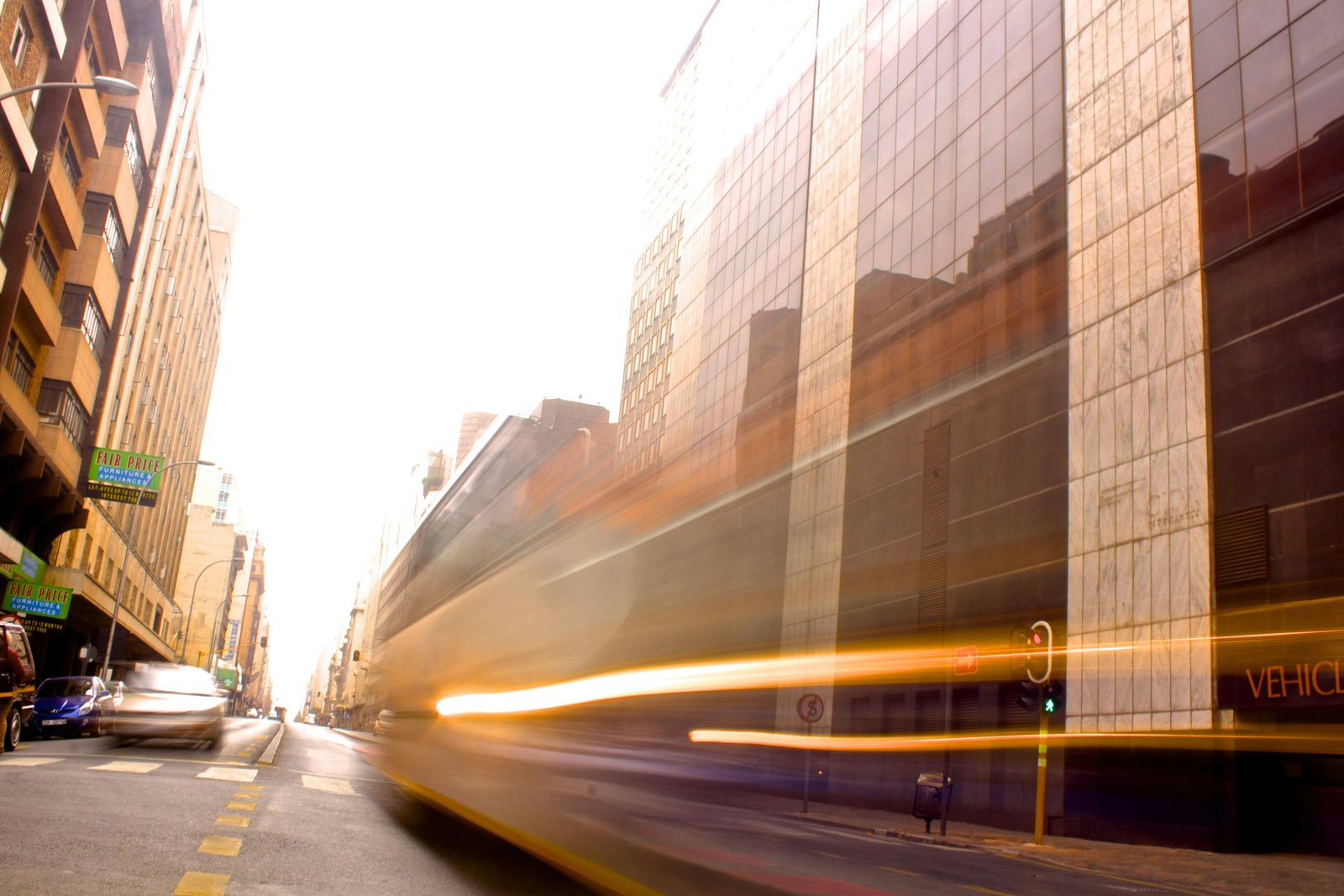
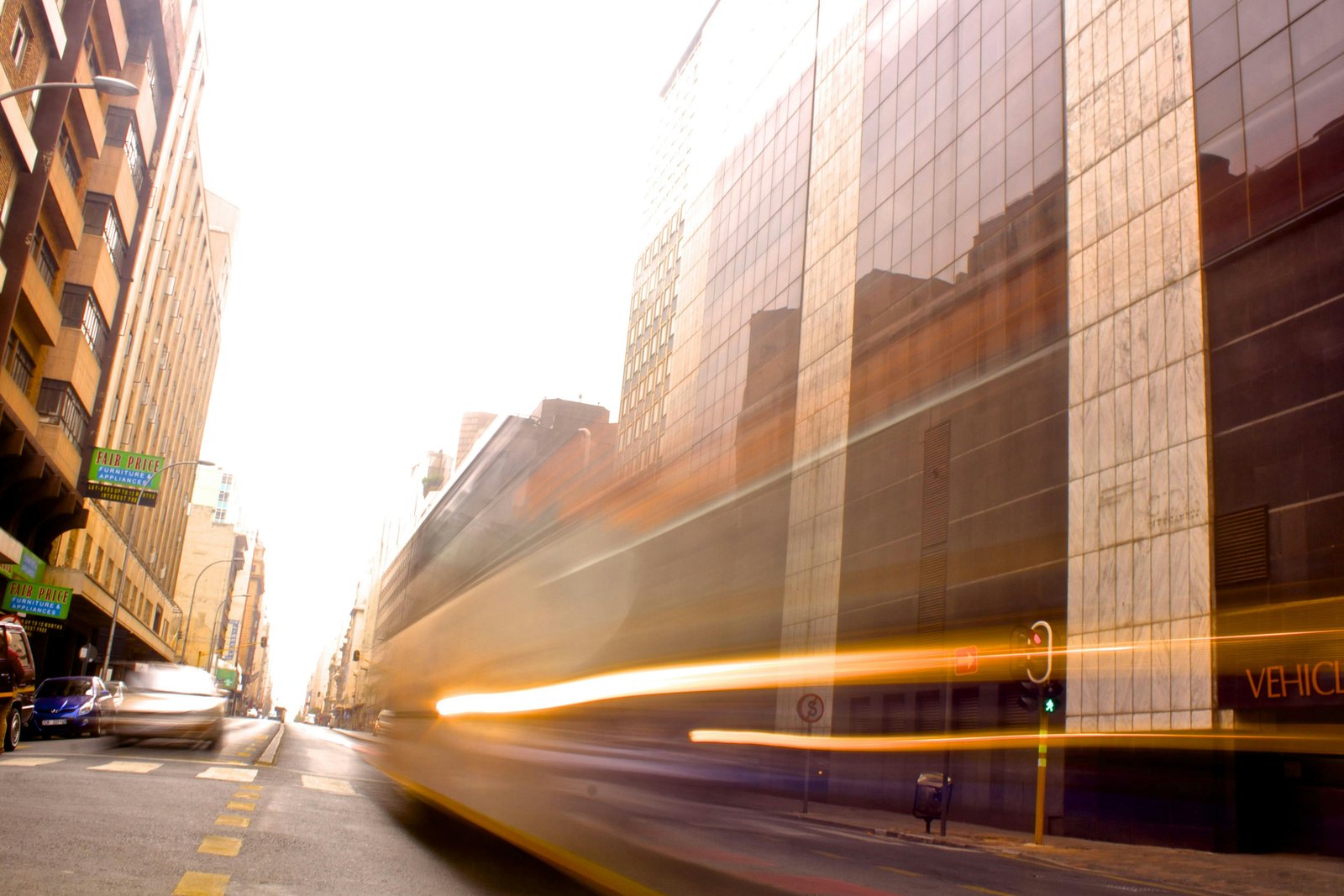
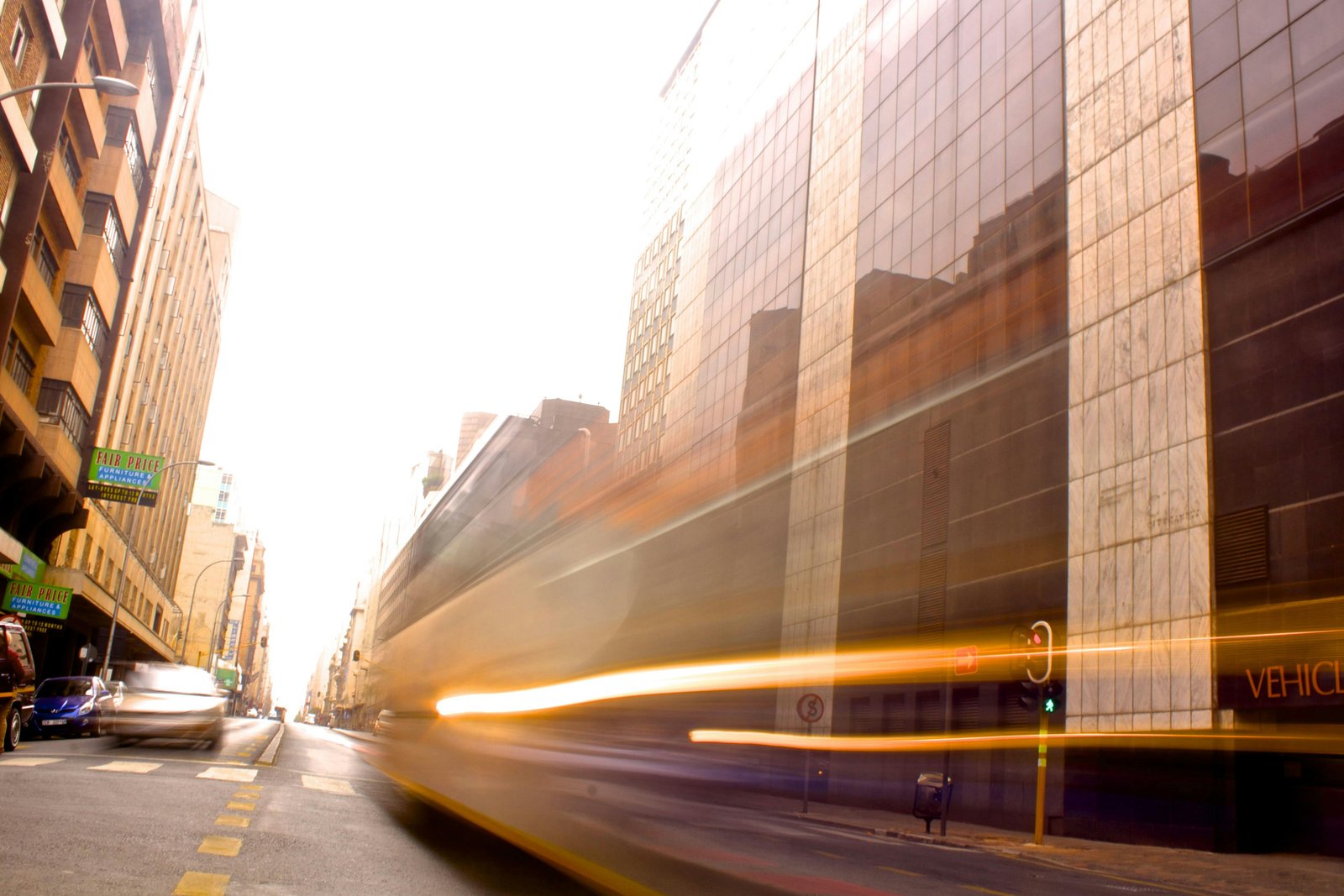
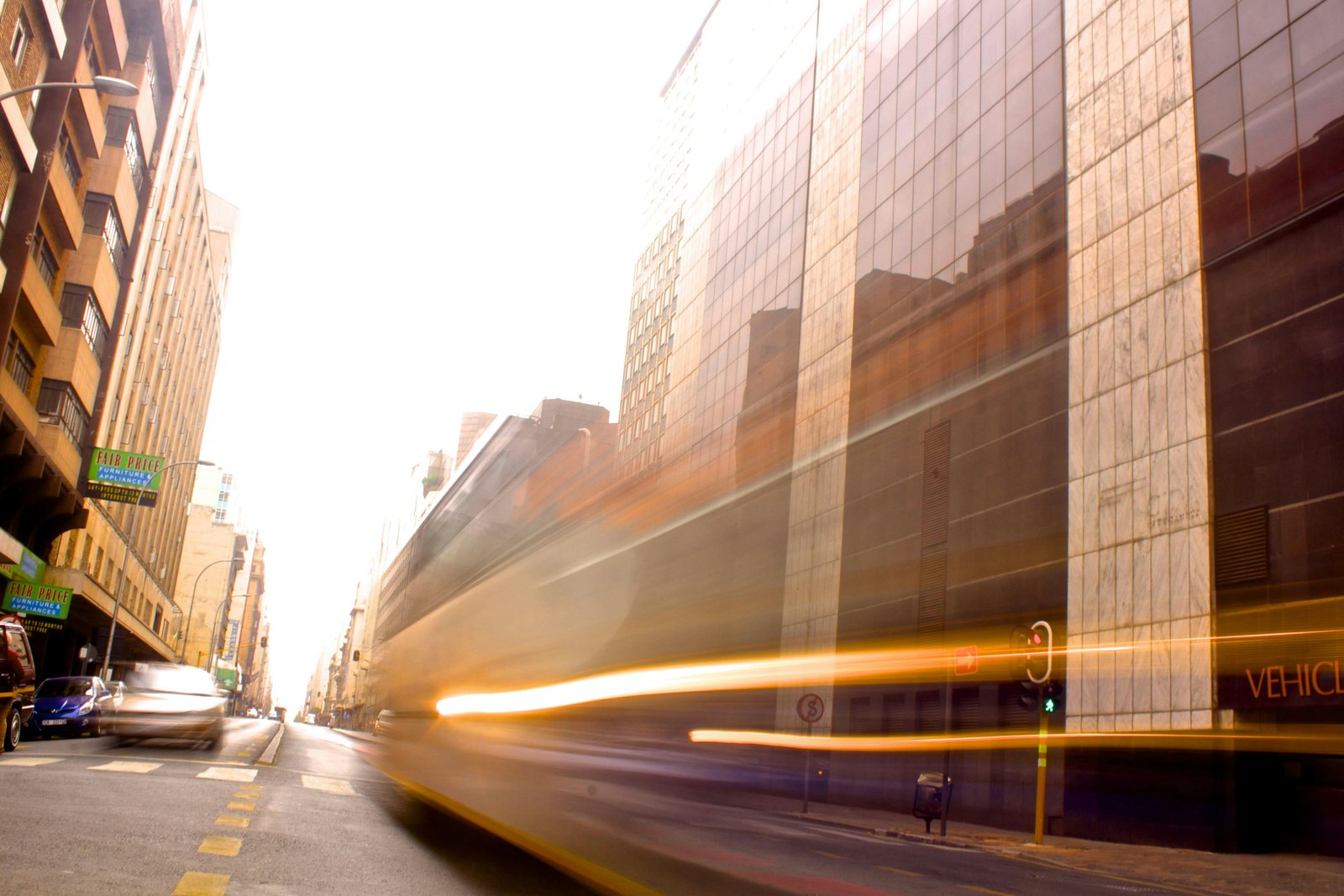
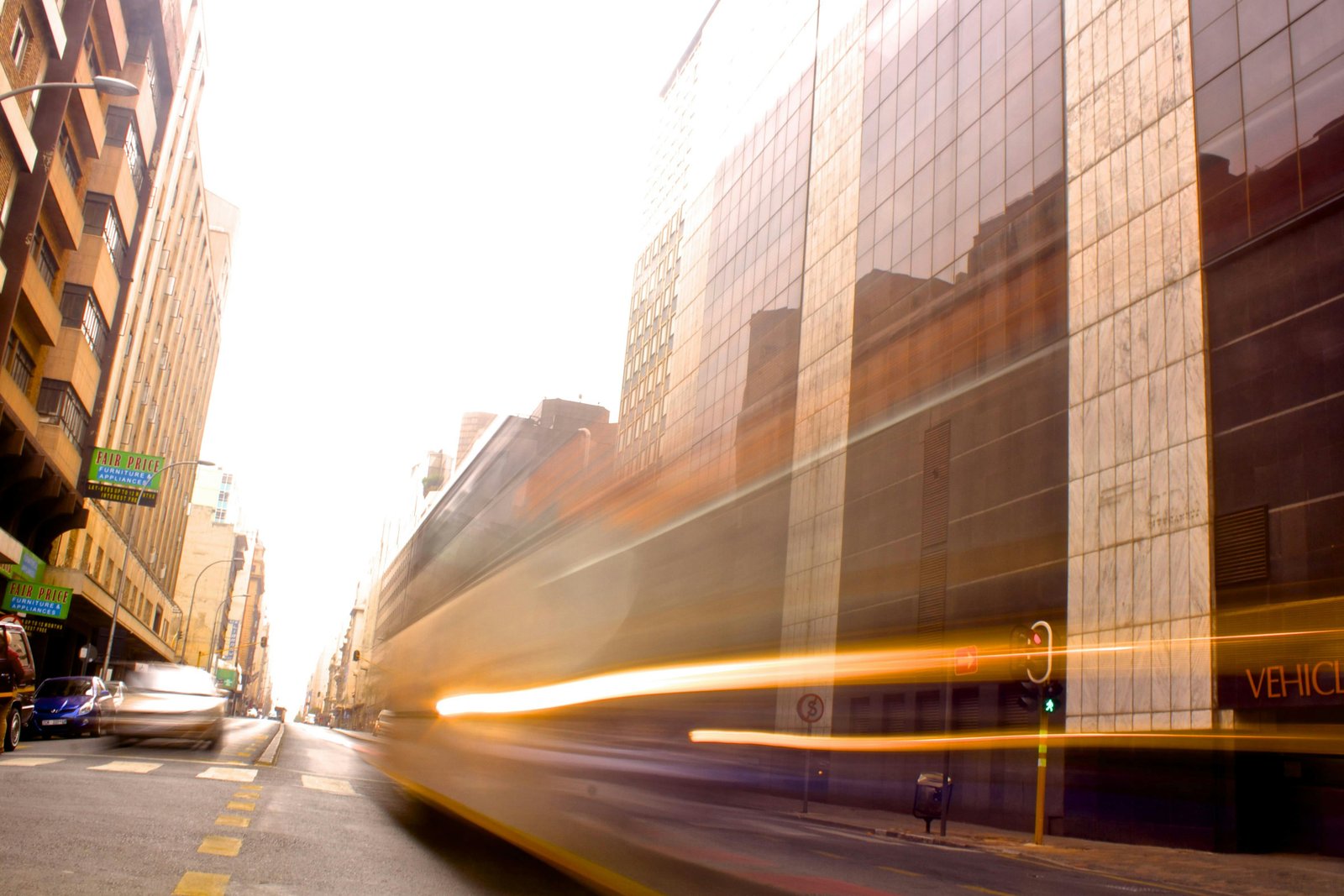
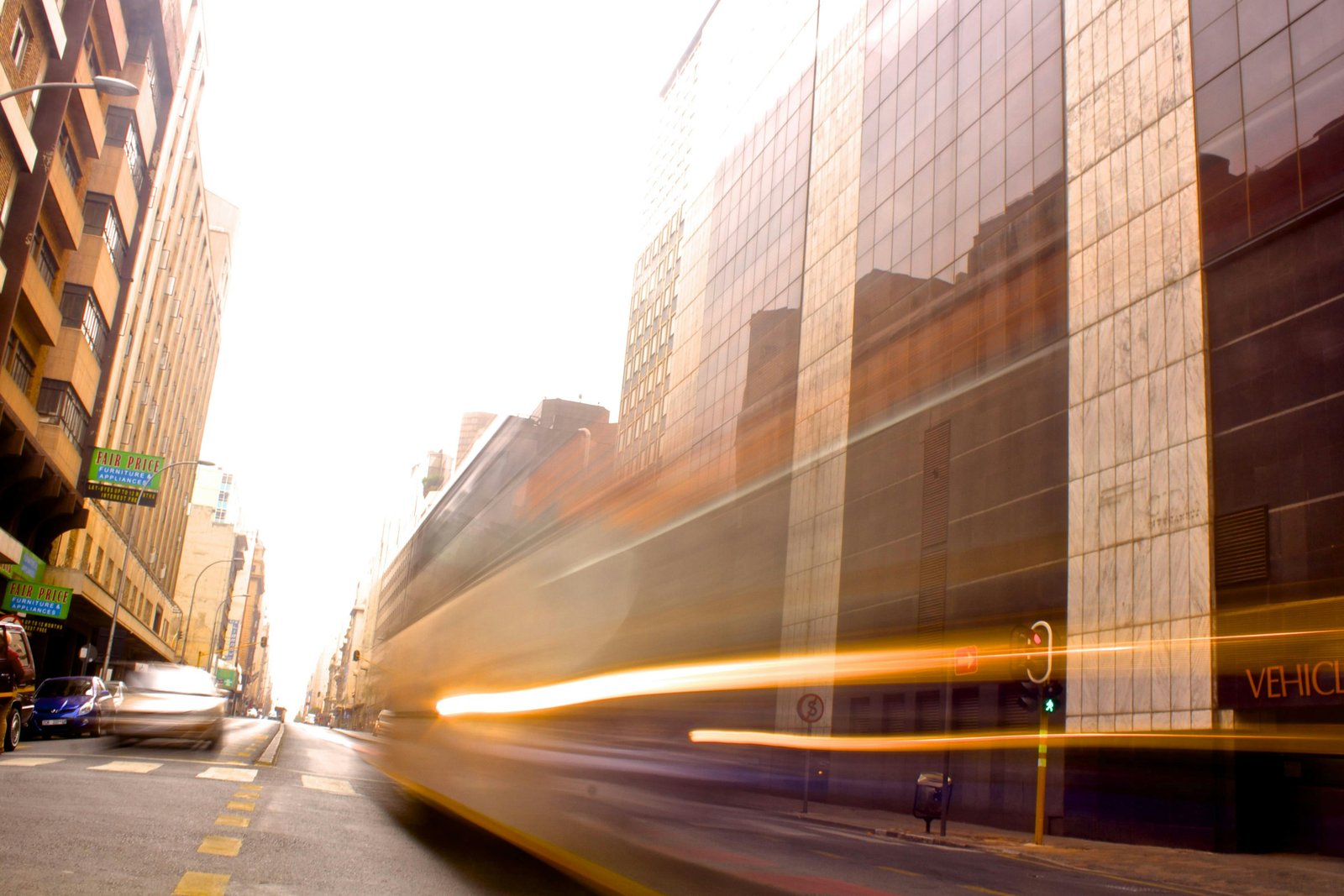
Johannesburg is the most populous city in South Africa. The City of Johannesburg itself has a population of 5,538,596, while the City of Johannesburg Metropolitan Municipality has a population of 6,599,190, making it one of the 100 largest urban areas in the world. Johannesburg is the provincial capital of Gauteng, the wealthiest province in South Africa, and seat of the country's highest court, the Constitutional Court. Situated on the mineral-rich Witwatersrand hills, the city has long been at the epicentre of the international mineral and gold trade. The richest city in Africa by GDP and private wealth, Johannesburg functions as the economic capital of South Africa and is home to the continent's largest stock exchange, the Johannesburg Stock Exchange.
- Population: 5,900,000+ (Metro Area)
- Area: 1,645 km²
- Currency: South African Rand (ZAR)
- Coordinates: Latitude: -26.204444885254, Longitude: 28.045555114746
- Timezone: Timezone info not available
- Current Local Time: ailab
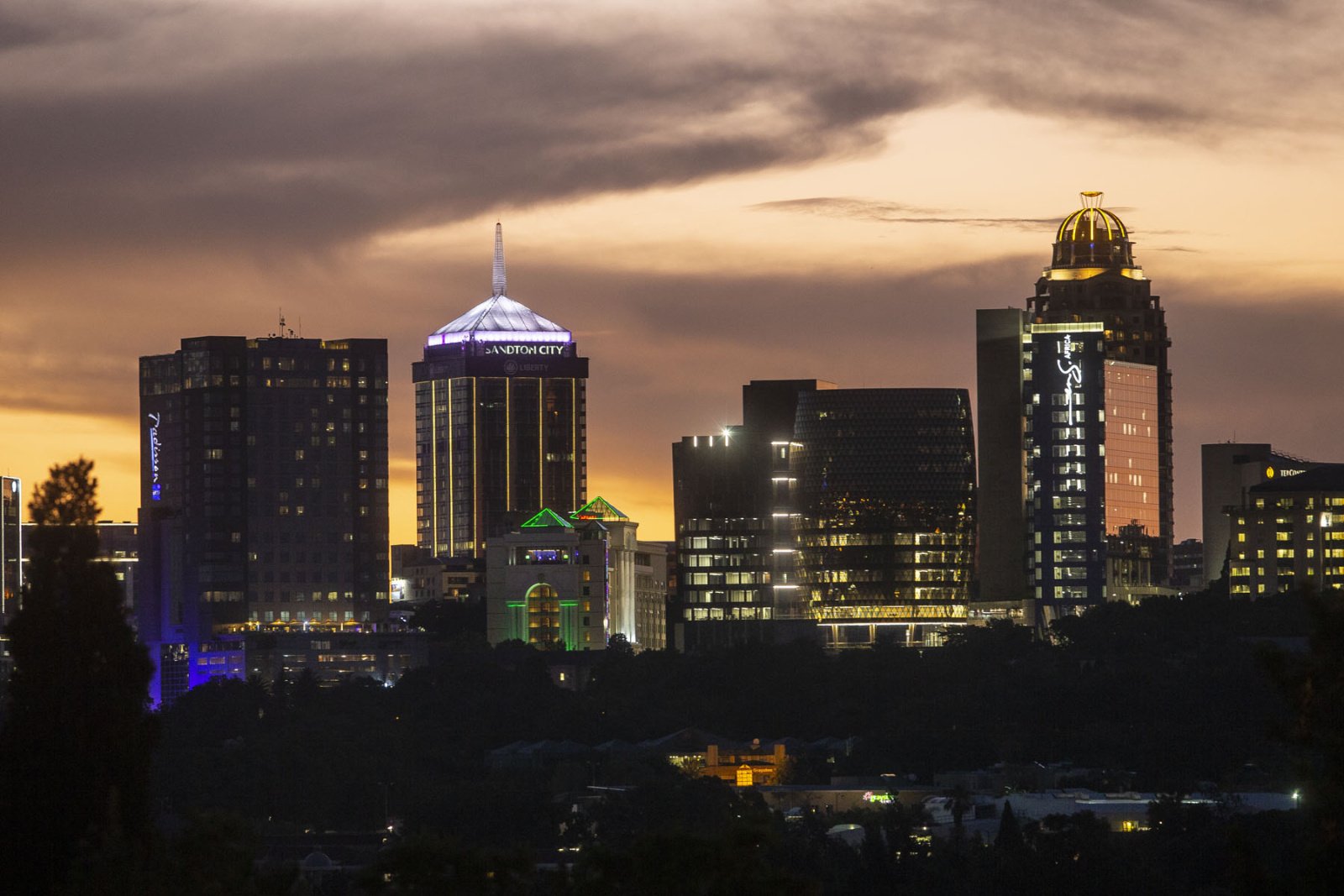
Sandton
Business towers, upscale malls, Nelson Mandela Square, and city nightlife.
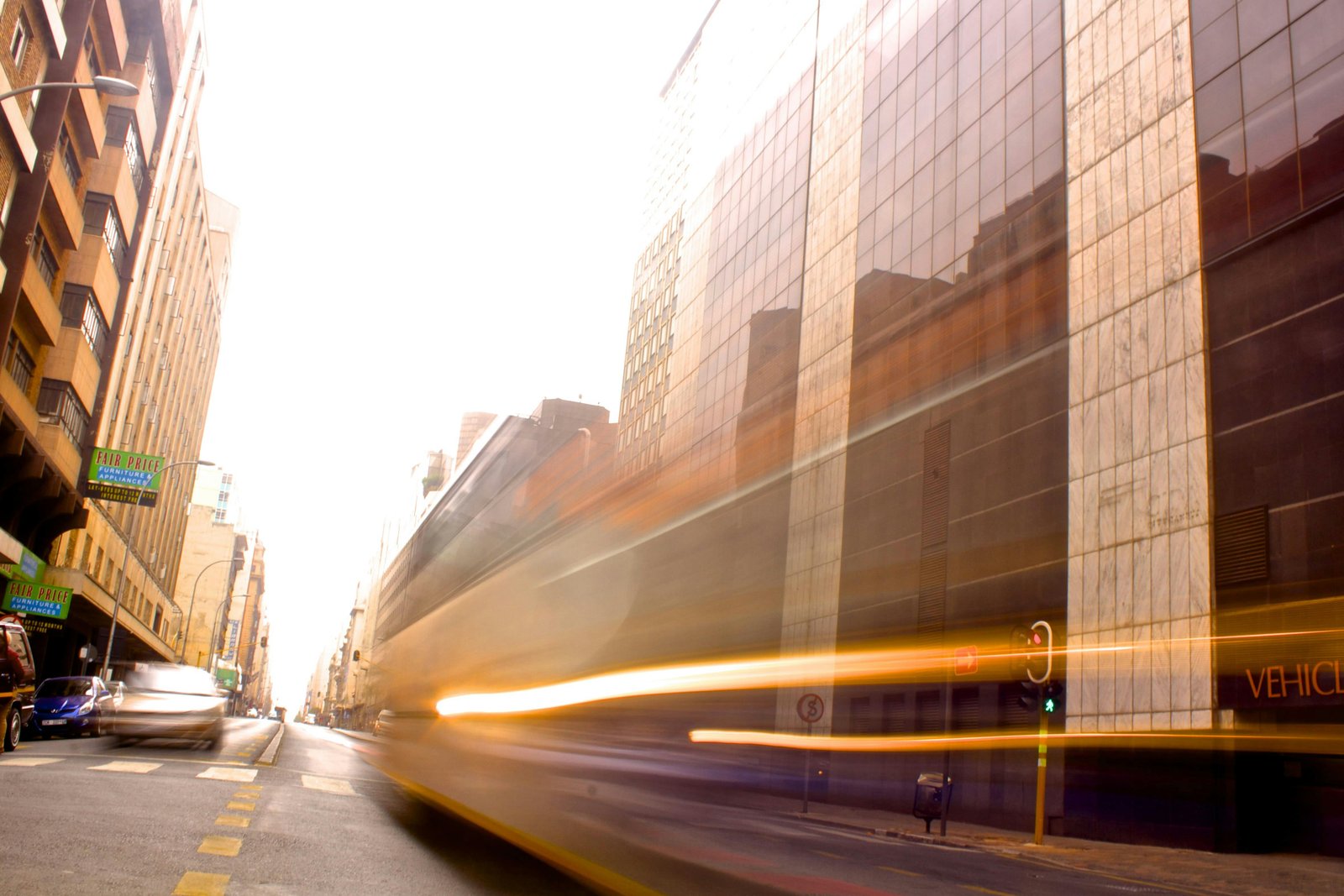
Johannesburg CBD
Downtown streets, Commissioner Street, Gandhi Square, and real urban life.
Soweto
Township streets, Maponya Mall, Protea North, and cultural walking tours.
Rosebank & Melrose Arch
Shopping areas, nightlife, and modern mixed-use districts.
Johannesburg Latest News
IOL
McKenzie paid R82m for LIV Golf, none of which went to poor communities
Minister Gayton McKenzie admits no funds were allocated for township development.
IOL
Ralph Stanfield trial delayed over breakfast and medication dispute
Proceedings in the trial of Ralph Stanfield, his wife Nicole Johnson and 12 co-accused were delayed after a dispute over food and medication at Drakenstein Correctional Centre.
The Citizen
Weather alert: Scorching heat wave to hit Limpopo until Friday
It is expected to be scorching hot in parts of Limpopo until Friday, as the South African Weather Service (Saws) warns of a heat wave over the Western Bushveld. Meanwhile, conditions are expected to be cloudy and cool along the east and south coasts and the adjacent interior, while isolated or scattered showers are possible. Otherwise, Wednesday will be fine and warm to hot. Saws has released its latest weather forecast for Wednesday, 21 October 2026. Here’s what you need to know. Weather forecast for today & tomorrow: 20-21 October 2026. Partly cloudy & cool conditions are expected along the east & south coasts of the RSA and the adjacent interior, with isolated to scattered showers possible. Otherwise, fine & warm to hot. #saws #weatheroutlook pic.twitter.com/PPNz8rnhE2— SA Weather Service (@SAWeatherServic) October 20, 2026 Weather warnings: Wednesday, 21 October 2026 Fire danger warnings The South African Weather Service has warned that extremely high fire danger conditions are expected in places over the Central Karoo of the Western Cape, most parts of the North-West, southern parts of the Northern Cape, and the Mafube local municipality of the Free State, as well as in places over southern Limpopo and northwestern Mpumalanga. Advisories The weather service warned that a heat wave with persistently high temperatures is expected in places over the Western Bushveld of Limpopo until Friday. Provincial weather forecast Here’s what to expect in your province on Wednesday, 21 October 2026: Gauteng: Residents of Gauteng can expect fine and warm weather, but it will be hot in the extreme north. The region’s expected UVB sunburn index is “high”. Residents should take the necessary precautions against prolonged sun exposure. Mpumalanga: Mpumalanga residents can expect cloudy conditions in the east in the morning with fog patches along the escarpment; otherwise, it will be fine and warm but hot in places in the Lowveld. Limpopo: The day will be cloudy in the morning with fog patches over the south-central parts; otherwise, it will be fine and warm to hot, but very hot in places in the Western Bushveld. North West: Fine, windy and warm to hot weather awaits North West residents. Free State: Residents of the Free State can expect a fine, windy, and warm-to-hot day. Northern Cape: The day will be fine, windy and cool to warm, becoming partly cloudy in the south and west, but cloudy in the south-west. Western Cape: Western Cape residents can expect partly cloudy conditions over the north-east; otherwise, it will be cloudy and cool to warm with scattered showers and rain over the south-western parts but isolated for the adjacent interior and along the south coast. Eastern Cape (western half): The day will be partly cloudy and cool to warm with isolated showers and rain in the southwest. Eastern Cape (eastern half): The day will be partly cloudy and warm with isolated showers and rain in the southwest. KwaZulu-Natal: Residents of KwaZulu-Natal can expect partly cloudy weather with morning fog patches over the northern interior; otherwise, it will be fine and warm to hot, but very hot in places over the northeastern parts. The region’s expected UVB sunburn index is “extreme”. Residents should take the necessary precautions against prolonged sun exposure.
The Citizen
GWM sneaks in potent new 310kW and 750Nm P300 bakkie
Just the other day we were talking about how good the new GWM P500 3.0-litre turbodiesel is after being at the bakkie’s media launch event. And while we were there, not a word was said about the new Plug-In Hybrid P300 that the company was about to launch onto the South African Market. But here we are today looking at the new P300 Hi4-T Pioneer 4×4 double cab that is now the official flagship in the range and also the fastest GWM bakkie ever, by far… Over 300kW of power Powering the new Hi4-T’s Pioneer P300 is GWM’s familiar 2.0-litre turbocharged petrol engine, but it is joined by a 33.1 kWh battery pack that in turn powers a single electric motor. The petrol engine produces 180kW of power and 380Nm of torque on its own. And the battery back adds another 130kW and 495Nm. Combined you have 310kW and 750Nm to play with. The crazy part is that these numbers only put the GWM P300 Pioneer Hi4-T in 8th place as South Africa’s Most Powerful Bakkie. See the chart below: Hot hatch times Paired to a hybrid specific version of the nine-speed automatic gearbox, with drive going to all four wheels, the GWM P300 Hi4-T has a claimed all-electric range of 115 km and a 0-100 km/h sprint time of just 6.1 seconds. Mounted within the frame rails of the chassis, the battery pack supports public DC charging up to 110 kW and will require a waiting time of 18 minutes to get the battery from 30-80%. Compared to the diesel-powered P300, the Hi4-T’s ground clearance drops to 200 mm. However, it still has a claimed tow rating of 3 500 kg as well as a low range transfer case and an electronically locking rear differential. Sporty styling Devised as what can only be seen as a sporty variant, the Hi4-T Pioneer has been aesthetically revised to differentiate itself from the rest of the GWM P300 line-up. Unique to it, therefore, is a: Black grille, gloss black wheel arch cladding, darkened head-and-taillight clusters, black mirror caps and door handles, red brake calipers, sports bar, and black 18-inch alloy wheels. Subtle changes have taken place to the interior of the GWM P300 Hi4-T Pioneer. Picture: Supplied Hybrid readouts Inside, the differences from its sibling are more minor and limited to hybrid readouts and graphics within the 15.6-inch infotainment display and the 10.25-inch digital instrument cluster. As for specification, the GWM P300 Hi-4T Pioneer’s list of features include: on/off LED headlights; LED fog lamps; folding and heated electric mirrors; rubberised loadbin; side-steps; rain sense wipers; imitation leather upholstery; dual-zone climate control with rear vents; heated, electric and ventilated front seats; push-button start; front and rear armrests; heated multi-function steering wheel; keyless entry; paddle shifters; dual type-A USB ports; wireless Apple CarPlay and Android Auto; six-speaker sound system; wireless smartphone charging pad; sunroof On the safety and driver assistance front, standard items include: transparent chassis-view camera; tyre pressure monitor; six airbags; front and rear parking sensors; 540-degree camera system; Auto High Beam Assist; Adaptive Cruise Control; Automatic Emergency Braking; Lane Keep Assist; Door Open Alert; Lane Change Assist; Driver Attention Alert; Lane Centering Assist Traffic Jam Assist; Hill Start Assist; Traffic Sign Recognition; Hill Descent Control; Trailer Sway Control; Rear Cross Traffic Alert; Reverse Automatic Braking Price The GWM P300 Hi4-T Pioneer’s price tag of R914 900 includes a seven-year / 200 000 km warranty, a seven-year / 75 000 km service plan and an eight-year / 150 000 km battery warranty.
The South African
Is South Africa’s 2nd richest municipality the tenderpreneur capital?
The average taxable income in South Africa’s second richest municipality is R494 156 a year. But more residents in the municipality get their money from the South African Social Security Agency (SASSA). Not just any grant, but the social grant for South Africans living below the Food Poverty Line (FPL). So, what’s going on? More grant beneficiaries than taxpayers Ntabankulu may be the clearest sign that it pays to work for or with the government. The average taxpayer in the town of 146 423 people earns more than the average taxpayer in major metros like Johannesburg and Cape Town. The municipality isn’t home to any major mining operation similar to South Africa’s richest municipality: Gamagara Local Municipality, in the Northern Cape. Instead, in this Eastern Cape municipality on the Wild Coast, the primary income sources appear to be the government and cannabis. In 2025, the municipality unveiled an R80 million hub to formalise its cannabis farming and production. Two years earlier, the municipality spent over a billion building roughly 33 kilometres of road. The municipality’s audited annual reports suggest some of its taxable income could originate from tenders. According to its adjusted performance report for 2023-2024, Ntabankulu spent R1.04 billion on 33.74 kilometres of road. Projects appear to be the municipality’s bread and butter. The municipality currently has 9 active tenders. It also intends to award 5 road maintenance tenders to local companies. One tender will go to a driving school that doubles as a construction company. Another tender goes to a construction company with two directors: a former bookbinder in the printing industry and an admin assistant. Both have no construction experience. But for most residents, the reality is abject poverty. Grant Beneficiaries in Ntabankulu Despite the wealth from a handful of residents, only 1.79% of the municipality’s population are taxpayers. Instead, it appears most residents receive money from the Social Relief of Distress (SRD) grant. According to the South African Revenue Service (SARS) tax statistics, Ntabankulu had 2 631 taxpayers at the end of 2024. But recent data from SASSA’s SRD statistics show 22 382 residents in the municipality rely on a R370 social grant. To be eligible for the SRD grant, applicants cannot receive more than R624 in a single month.
The South African
‘South Africa would gain something’: Grant recipient’s proposal for SASSA
Nkosinathi Nxumalo, a man from KwaZulu-Natal, believes SASSA could do more than just pay out grants. He wants the agency to help recipients build skills that could lift them out of poverty. Nxumalo holds a matric certificate and has received the Social Relief of Distress (SRD) grant for more than five years. He shared his story through The South African’s SASSA grant survey. SRD grant stretched across a large household Nxumalo uses his grant for a mix of needs. He said it helps, but it is not enough, and he runs out before the month ends. Even so, he confirmed that no one in his household went without food in the past month. His biggest financial concern is the cost of living and rising food prices. Grant recipient faces a string of SASSA problems Nxumalo has faced several challenges with his grant. He listed payment delays, knowing when to renew or reapply, and understanding why his application was rejected. He has also had a declined or lapsed application. Despite this, he rated SASSA’s communication with recipients as very good. When asked what one thing he would change, he chose an increase in the grant amount. He has never applied for additional government support because he did not know what else was available. SRD recipient calls on SASSA to invest in skills His message to SASSA centres on giving recipients the tools to support themselves. “I would really like SASSA to help people like us, people who have knowledge,” Nxumalo said. “You know guys how hard it is when you don’t know where to start, where to go,” he added. He called on the government to invest in people like him with skills, saying “South Africa would gain something”. “Please SASSA help,” he said. “You know the say about giving a man a fish instead of teaching him to fish.” Win R2 000 in the South African SASSA grant survey If you receive a SASSA grant and want to share your story, we want to hear from you. Take part in our survey and stand a chance to win R2 000. Your responses help us tell the stories that matter.
TechCentral
Your AI isn’t as smart as it sounds
Five questions every business should answer before putting AI to work, from a veteran South African AI researcher.
TechCentral
Reserve Bank’s ATM plan meets a wall of polite silence
The Reserve Bank wants every ATM unbranded and shared. Banks say they're working with it but won't discuss detail.