johannesburginfo Landing Page

johannesburginfo News Guide

Get updated about Johannesburg, and more Get updated about Johannesburg Business and South African News
johannesburginfo Service

Johannesburg South Africa

This website uses cookies to ensure you get the best experience on our website. By clicking "Accept", you agree to our use of cookies. Learn more

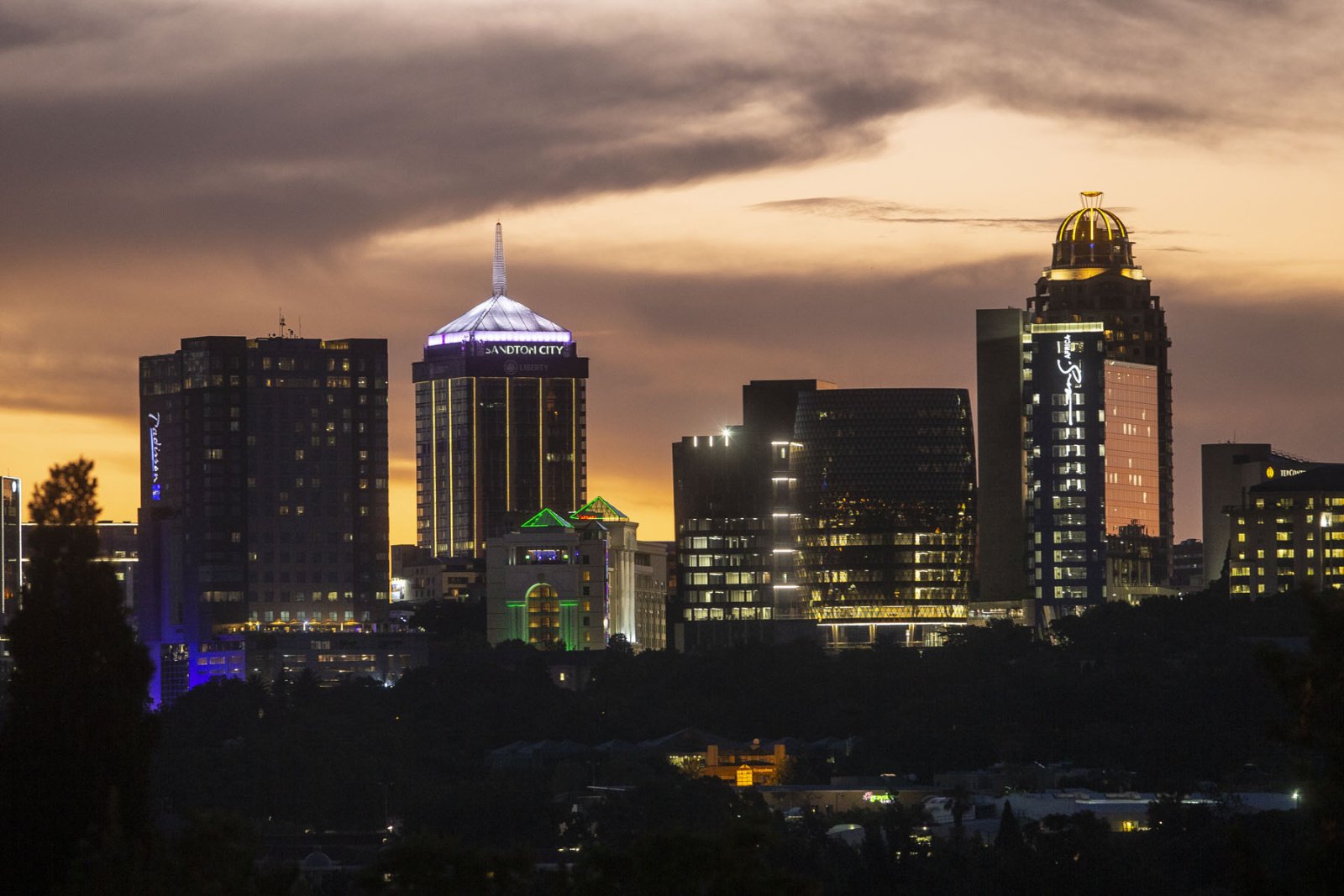
Johannesburg South Africa skyline city lights and Sandton
Johannesburg City Information

Johannesburg

Johannesburg

General Information

Johannesburg is the most populous city in South Africa. The City of Johannesburg itself has a population of 5,538,596, while the City of Johannesburg Metropolitan Municipality has a population of 6,599,190, making it one of the 100 largest urban areas in the world. Johannesburg is the provincial capital of Gauteng, the wealthiest province in South Africa, and seat of the country's highest court, the Constitutional Court. Situated on the mineral-rich Witwatersrand hills, the city has long been at the epicentre of the international mineral and gold trade. The richest city in Africa by GDP and private wealth, Johannesburg functions as the economic capital of South Africa and is home to the continent's largest stock exchange, the Johannesburg Stock Exchange.

Living Expenses

Salaries

Top Attractions

Major Events

Johannesburg Travel Videos – Sandton, Soweto, CBD, Rosebank, Melrose Arch & More

🇿🇦 Johannesburg Travel Videos

Sandton, Soweto, Johannesburg CBD, Rosebank, Melrose Arch, Parkhurst, Maponya Mall, and real life across Johannesburg in 4K

Explore Johannesburg Through Video

Real YouTube travel footage with working watch links for every video.

Sandton

Business towers, upscale malls, Nelson Mandela Square, and city nightlife.

Johannesburg CBD

Downtown streets, Commissioner Street, Gandhi Square, and real urban life.

Soweto

Township streets, Maponya Mall, Protea North, and cultural walking tours.

Rosebank & Melrose Arch

Shopping areas, nightlife, and modern mixed-use districts.

Johannesburg Travel Highlights

This Johannesburg video page is built for visitors who want real places, real streets, and real travel footage. It focuses on the most searched destinations in Johannesburg, including Sandton, Soweto, Johannesburg CBD, Rosebank, Melrose Arch, Parkhurst, Maponya Mall, and nearby city districts.

1. Johannesburg, South Africa - Walking Tour 4k

A real walking tour through Johannesburg showing city streets, traffic, neighborhoods, and everyday urban life.

2. Sandton, Johannesburg walking tour 4K

A detailed Sandton walk through Africa’s richest square mile with modern streets, office towers, and retail districts.

3. Sandton – Walking Africa's Richest Square Mile & Nelson Mandela Square South Africa 2026 [4K HDR]

A scenic Sandton video focused on Nelson Mandela Square, luxury surroundings, and a polished city atmosphere.

4. Walking Tour of Sandton City, Johannesburg in 4K

A walking tour inside Sandton City with malls, walkways, and busy urban movement.

5. Sandton City Walking Tour - 4K

A real Sandton City tour showing shopping areas, modern buildings, and commercial city life.

6. Walking Tour: Sandton City, Johannesburg

A focused Sandton City walk with prominent office buildings and an upscale Johannesburg feel.

7. Walking in Sandton in the rain 4K

A rainy-day Sandton walk showing the district’s streets, sidewalks, and moody city atmosphere.

8. 4K WALK | SANDTON | Johannesburg SOUTH AFRICA ...

A 4K Sandton walking video showing roads, buildings, and the busy business hub of Johannesburg.

9. Fearless Drive in Sandton City: Johannesburg's Luxury Hub

A stylish Sandton travel video highlighting the luxury side of Johannesburg.

10. Johannesburg CBD Walking Tour | Commissioner Street in 4K

A real Johannesburg CBD walk focused on Commissioner Street with busy sidewalks and downtown energy.

11. Johannesburg Downtown in South Africa | 4KWalk

A downtown Johannesburg video showing central streets, daily movement, and city-center scenery.

12. WALKING THROUGH THE STREETS OF JOHANNESBURG ...

A street-level walk through central Johannesburg with taxi ranks, traffic, and real city life.

13. Downtown streets,daily life walking tour Johannesburg South Africa

A downtown Johannesburg video focused on daily life and urban streets.

14. Johannesburg 4K HDR Drone Tour: Gandhi Square to Nelson Mandela Bridge

An aerial Johannesburg city tour covering Gandhi Square and the Nelson Mandela Bridge area.

15. Johannesburg Hop on Hop off Tour 4K FULL TOUR

A full Johannesburg sightseeing tour covering major city stops and downtown highlights.

16. THE REAL SOUTH AFRICAN LIFE | RUSH HOUR IN ...

A rush-hour Johannesburg walk showing transport, commuting, and busy city movement.

17. This is Johannesburg South Africa! That Everyone is Visiting in 2025

A Johannesburg visit video showing local streets and an everyday South African urban setting.

18. The Real South African Life | Richest ...

A street walk in Johannesburg highlighting residential and urban life in South Africa.

19. South Africa Night life - Johannesburg Melrose arch Walking tour ...

A night walk through Melrose Arch showing nightlife, lights, and an upscale Johannesburg district.

20. 4K- Walking Tour of the Zone at Rosebank mall in Johannesburg at Lunchtime

A Rosebank walk around the Zone mall with lunchtime activity and modern city energy.

21. Ridgeview Shopping Centre Walk Johannesburg Suburb ...

A suburban Johannesburg walk through Ridgeview Shopping Centre with local shopping and daily life.

22. Cradlestone Mall Walkthrough | Johannesburg Shopping Tour ...

A Johannesburg shopping tour featuring Cradlestone Mall and retail lifestyle scenes.

23. Walking Tour of Sandton City Mall in Johannesburg at ...

A detailed mall walk in Sandton City with retail corridors and indoor urban life.

24. 4K- Walking Tour of 4th Avenue Parkhurst in Johannesburg at ...

A walk along 4th Avenue in Parkhurst showing cafés, streets, and a relaxed neighborhood feel.

25. 4K- Walking Tour of Lanseria Airport in Johannesburg at ...

A video walk around Lanseria Airport area with travel and transport scenes near Johannesburg.

26. Full day Johannesburg and Soweto tour

A full-day tour covering Johannesburg and Soweto with landmarks, neighborhoods, and guided travel scenes.

27. Soweto, South Africa 4K HDR Drone: From Walter Sisulu ...

A drone-based Soweto video with neighborhood views and historical South African context.

28. SOWETO PART-1 | WALKING | MAPONYA MALL | JOHANNESBURG | SOUTH AFRICAN YOUTUBER

A Soweto walk centered on Maponya Mall with township life and local movement.

29. SOWETO PART-2 | WALKING | Maponya Mall | Pimville ...

A continuation of the Soweto walk covering Maponya Mall and Pimville.

30. SOWETO SOUTH AFRICA IN 4K | TUK TUK TOUR THROUGH HISTORIC STREETS & CULTURE

A Soweto tuk-tuk tour through historic streets and cultural areas.

31. THE BIGGEST MALL LOCATED IN THE TOWNSHIP ...

A Soweto mall video centered on Maponya Mall and township shopping life.

32. THE REAL SOUTH AFRICA YOU MUST SEE!! | PROTEA ...

A Protea North Soweto walk showing neighborhood streets and local housing.

33. Johannesburg 4K Walk | Rosebank to Parktown

A city walk connecting Rosebank and Parktown with urban streets and daily movement.

34. 4K WALK | JOHANNESBURG | SOUTH AFRICA | CITY CENTER

A straightforward city-center walk through Johannesburg showing core downtown streets.

35. Johannesburg CBD Walk | Daily Life in the City Centre

A real Johannesburg CBD video focused on daily life in the city centre.

36. Johannesburg South Africa 4K Walk | Inner City Streets

A broader inner-city Johannesburg walk with streets, traffic, and an authentic urban mood.

37. South Africa Night life - Johannesburg Melrose arch Walking tour ...

A second Melbourne Arch-style city nightlife walk with lights, restaurants, and evening movement.

38. Johannesburg City Walk 4K | Gauteng South Africa

A Johannesburg city walk showing the central Gauteng urban landscape.

39. Johannesburg Travel Guide 4K | South Africa City Tour

A travel-style Johannesburg city guide covering major places and useful sightseeing footage.

40. Johannesburg Attractions 4K | South Africa Travel Video

A travel video that highlights Johannesburg attractions and skyline views.

Johannesburg News

Johannesburg Latest News

The Mail & Guardian
Cultural pioneer Maria McCloy dies at 50
The death of Maria McCloy does not feel real because she existed with such fullness. Some people occupy rooms. Others occupy cities. McCloy belonged to Johannesburg in a way that made it difficult to separate the woman from the place. Her fingerprints are all over its nightlife, its fashion, its music, its media and the fragile ecosystem of culture that has kept this city alive through decades of reinvention. McCloy died on Tuesday 12 May in Johannesburg due to heart failure. She was 50 years old. For many, the first instinct is to attempt to summarise her life through a list of accomplishments. Publicist. DJ. Fashion designer. Writer. Cultural producer. Entrepreneur. But Maria’s life refuses neat packaging. It spills over categories because she herself moved through the world with instinct rather than limitation. She understood culture as something living. Something worn, danced to, argued over, documented and protected. Long before “creative industry” became a buzzword, Maria and her collaborators were building worlds from almost nothing. In the late 1990s, alongside Kutloano Skosana and Dzino, she co-founded Black Rage Productions, the influential multimedia company that helped define post-apartheid urban youth culture. The trio met at Rhodes University at a moment when the country itself was trying to imagine what freedom could look and sound like. Through television shows like Bassiq, through Outrageous Records and through documenting youth culture with honesty and style, Black Rage Productions captured a generation learning itself in real time. Their work mattered because it took black urban life seriously. It understood that fashion, music, parties, slang and aesthetics were not frivolous things but markers of identity and political expression. Maria was central to that language. She understood cool before South Africa knew how to market it back to itself. She would continue carrying that sensibility through every chapter of her life. Maria wrote for numerous publications, including the Mail & Guardian, where her observations carried the same sharpness and curiosity she brought into conversation. She worked as a publicist for artists including Thandiswa Mazwai, Sjava and Nakhane, helping shape how some of the country’s most important voices moved through the public sphere. But even that feels too small. Maria was a hustler in the purest sense of the word. Not in the shallow capitalist language that dominates today but in the deeply Johannesburg way. She sold clothes and jewellery. She managed people and personalities. She connected artists to opportunities. She organised meaningful events that gave the city texture. She moved between worlds with ease, from fashion circles to music venues to media launches to late-night conversations in spaces where culture was still being invented. She cared deeply about Johannesburg. Not as an abstract city but as a living organism. She gave it colour, patterns and rhythm. There was always something intentional about how she dressed, how she decorated spaces, how she brought people together. Maria understood that beauty could be political. That joy could be resistance. That style could tell stories. And perhaps that is why her death feels particularly difficult to process. Because there is no real way to summarise what she meant to people in a breaking news alert or a social media post. It would not be fair to a life that moved with such expansiveness. For many younger creatives, Maria represented possibility. She came from a generation that built platforms without waiting for permission. A generation that documented itself because it knew mainstream institutions would not do it properly. She belonged to the architects of black urban culture in democratic South Africa, those who insisted that the stories of young black people deserved style, complexity and permanence. Johannesburg has always been a city carried by personalities. By people who become unofficial landmarks. Maria McCloy was one of them. To speak about her only in past tense already feels insufficient because her influence remains everywhere — in the sound of the city’s nightlife, in its fashion sensibility, in the artists she championed, in the media spaces she helped shape and in the many people who learned from watching her move through the world unapologetically. Maria McCloy did not simply participate in culture. She was part of its DNA.
The Mail & Guardian
Malawi’s century-old witchcraft law leaves door open to mob killings
Seven people were killed in southern Malawi in May after rumours spread that strangers could make men’s genitals disappear through touch. Medical examinations later confirmed that none of the alleged victims had lost their organs.  But the violence that swept through villages in Chikwawa and neighbouring Nsanje districts revealed a deeper institutional problem: Malawi is relying on a colonial-era witchcraft law written in 1911. Critics say the legislation leaves authorities poorly equipped to respond to panic-driven mob violence. Between 8 and 11 May, mobs killed seven people after rumours circulated rapidly through communities about so-called genital theft. Five of the victims died in Chikwawa and two in Nsanje, according to the Malawi Police Service. Authorities deployed officers across affected villages, sending vehicles through communities with loudhailers, urging residents to stop the attacks. Police say 45 suspects have since been arrested. A senior police official, who travelled to the region to oversee the response, said 27 suspects faced murder charges while another 16 were detained for spreading false information. The rumours, police said, might have been deliberately spread. “Some of the victims were businesspersons,” the official said, suggesting that personal disputes or economic rivalries could have fuelled the accusations. Traditional leaders echoed that assessment. Senior chief Ngabu of Chikwawa (Noah Dalasi Chasafaili) said the allegations did not reflect known cultural beliefs and appeared in some cases to be linked to personal conflicts. Medical professionals quickly dismissed the claims that triggered the violence. Henry Makowa, the president of the Medical Doctors Union of Malawi, said it was medically impossible for male genitals to disappear through physical contact. “In some cases, cold weather, fear, stress or anxiety may temporarily cause the genital organs to retract slightly due to normal muscle reflexes in the body,” he said. “But this is a normal physiological response and not evidence of witchcraft.” Researchers describe such outbreaks as a form of mass psychogenic illness — episodes in which anxiety spreads rapidly through a community and manifests as physical symptoms. In medical literature the phenomenon is often referred to as koro, or genital retraction syndrome, a culture-bound syndrome first proposed for classification in the DSM-IV in the 1990s. The condition has been documented in epidemic form in both Asian and African settings. People experiencing the condition are not deliberately fabricating symptoms. Social stress and fear can produce physical sensations that reinforce the belief that something supernatural has occurred. A 2005 study published in Culture, Medicine and Psychiatry by researchers Dzokoto and Adams documented similar genital-shrinking panics across six West African countries between January 1997 and October 2003.  The researchers found outbreaks often occurred during periods of economic hardship or heightened social anxiety. A comparable incident occurred in Tanzania just weeks earlier. In April 2026, at least five people were killed after similar rumours spread from the border town of Tunduma in Songwe Region through Mbeya and Dar es Salaam, according to a 4 April statement by Tanzanian police spokesperson David Misime. Police warned citizens against spreading the unverified claims and said all individuals who reported genital disappearance had been medically examined and found to be unharmed. Psychologist Dr Eric Umar of the Kamuzu University of Health Sciences said such rumours could spread quickly in communities facing uncertainty.  “These narratives provide emotionally satisfying explanations during periods of fear and uncertainty,” Umar said. “Once they begin circulating, they can be very difficult to counter.” Malawi’s ability to respond to such crises remains constrained by the country’s Witchcraft Act, legislation that commenced on 12 May 1911 under the British colonial administration. The law does not recognise the existence of witchcraft.  Instead it criminalises accusing someone of practising witchcraft outside formal legal processes and prohibits individuals from presenting themselves as witch-finders. Penalties under the Act vary by offence. Accusing someone of witchcraft carries up to five years in prison. Pretending to practise witchcraft can result in up to 10 years, while the profession of witch-finder is classified as a felony carrying a maximum sentence of life imprisonment. The legislation was originally designed to suppress supernatural accusations that could provoke violence. But legal experts say it does little to address modern dynamics such as mass rumours, misinformation or coordinated public health responses to panic-driven episodes. Recognising the gaps, the Malawi Law Commission completed a review of the Act in December 2021, when its special law commission presented findings and recommendations to the public at a briefing in Lilongwe. The recommendations were re-presented publicly this month in the same week the killings in the Shire Valley dominated national headlines. Commission chairperson Justice Robert Chinangwa said the proposed reforms would formally recognise witchcraft as a criminal offence. Under the proposal, practising witchcraft could carry penalties of up to 10 years in prison, with the possibility of capital punishment if a death occurs as a result. The minister of justice Charles Mhango welcomed the recommendations, saying they could “change the way people handle witchcraft cases”. But human rights groups warned the proposal could make matters worse. In a joint statement issued in December 2021, the Centre for Human Rights and Rehabilitation (CHRR) and the Centre for the Development of People argued that criminalising witchcraft itself risked legitimising accusations and increasing violence against vulnerable groups. Writing on behalf of both organisations, CHRR executive director Michael Kaiyatsa said they had documented more than 60 killings linked to witchcraft accusations in the preceding two years, with most victims elderly. Violence against older citizens accused of supernatural wrongdoing has become a persistent pattern in Malawi. The Malawi Network of Older Persons Organisations’ (Manepo) recorded nearly 300 killings of elderly people linked to witchcraft accusations between January 2016 and April this year. In 2022, 15 elderly people were killed. The number rose to 22 in 2025. In the first four months of 2026 alone, 12 deaths were recorded. Manepo executive director Andrew Kavala warned earlier this year that Malawi was “sitting on a ticking time bomb”. Although arrests often follow such killings, many cases fail to progress through the justice system. An analysis of police data by Nation Online found that between 60% and 70% of witchcraft-related killings lead to arrests but only a small proportion reach trial. In August 2023, former minister of gender, community development and social welfare Jean Sendeza told parliament that 88 murder cases involving elderly victims remained unresolved in court. Parliament attempted to strengthen legal protections by passing the Older Persons Act on 5 April 2024, with former president Lazarus Chakwera signing the bill into law on 19 May 2024. The law criminalises abuse of elderly citizens and allows courts to issue protection Orders. Civil society groups welcomed the legislation. But rising killings in 2025 and 2026 suggest enforcement remains weak. After the May attacks, the Malawi Human Rights Commission sent investigators to Chikwawa and Nsanje. Chairperson Chikondi Chijozi-Jere said the team interviewed complainants who believed their genitals had disappeared. No medical evidence supported the claims. “It is deeply worrying that lives have been lost,” she said. “We are following the issue to ensure justice prevails for the affected families.” Authorities attributed the violence largely to misinformation. Chikwawa District Commissioner Frank Mkandawire said the council had intensified civic education campaigns after the killings, which he described as being fuelled by “deliberate misinformation and hatred”. The National Initiative for Civic Education also condemned the attacks, calling them “morally indefensible” and a violation of constitutional protections for life and human dignity. But the institutions responding on the ground have limited power to change the laws governing such cases. That responsibility lies with parliament and the ministry of justice. Despite the Law Commission completing its review, no revised Witchcraft Act has yet been introduced in parliament. The broader conditions that researchers say can fuel mass panic remain widespread in Malawi. World Bank data shows about 72% of Malawians live on less than $2.15 (R35) a day. Poverty, social uncertainty and distrust of formal institutions are factors widely identified in academic research as contributing to the spread of rumour-driven violence. Malawi’s southern districts also share porous borders with neighbouring countries, allowing rumours, as well as people and trade, to move easily across communities. For the families of the seven victims buried in the Shire Valley, the national debate over legal reform comes too late. Forty-five suspects remain in custody as the criminal process begins. Whether the cases will reach a complete trial remains uncertain. The central question remains unresolved: how Malawi should respond to violent accusations rooted in fear, belief and misinformation.  More than a century after the Witchcraft Act was written, the law governs how such claims are handled, even as the violence it was meant to prevent continues to claim lives.
IOL
Africa’s Travel Indaba 2026: why film is the next big growth driver for KZN tourism
At Africa's Travel Indaba, industry leaders discuss how KwaZulu-Natal's film and television sector can drive tourism and economic growth, highlighting the province's unique storytelling potential.
IOL
Vin Diesel and co-stars honour 'Fast and Furious' legacy at Cannes screening
Vin Diesel and Michelle Rodriguez reunite with 'Fast and Furious' co-stars at Cannes to celebrate the 25th anniversary of the iconic franchise, highlighting its legacy and the absence of major Hollywood studios at this year's festival.
The Citizen
Transnet says recovery plan on track as traffic at ports increases
Transnet, South Africa’s state-owned transport and logistics company, is starting to see the results of its recovery plan, with increased traffic at its ports. The company said it saw vessel traffic increase by 9% year-on-year, which was attributed to the organisation’s ongoing recovery and growing operational momentum. “The overall strong growth performance signal improved domestic economic landscape, including gains from the Transnet recovery initiatives and improvements in port and rail efficiencies,” Transnet Group Chief Executive, Michelle Phillips, said on Tuesday in a statement. Traffic increases across ports According to the government’s news agency, Transnet National Ports Authority (TNPA) experienced 8 630 vessel arrivals for the 2025/26 financial year, increasing from 7 912 recorded in the previous year (2024/25). Transnet described this increase as significant in advancing its growth strategy, which focuses on restoring operational efficiency and improving port performance to strengthen South Africa’s position as a competitive global gateway. “The increase in vessel calls reflects an improved operational coordination across the port system, driven by TNPA’s closer collaboration with terminal operators and improved port efficiencies,” the company said. Signs of recovery at Transnet Cargo volume throughput at TNPA’s eight commercial seaports increased by 4.2% to approximately 304 million tonnes, representing the strongest growth since the 2011/12 financial year. The state-owned transport and logistics company said this performance saw three of the five main cargo type categories register strong growth, while the breakbulk and liquid bulk segments are showing signs of a gradual recovery Automotive volumes led the recovery, growing 13.3%, while the Port of Durban exceeded its throughput targets. Container volumes also grew strongly, rising 7.1% and surpassing annual budget expectations by 3.6%, largely driven by a 22% increase in citrus fruit volumes. Measurable results Dry bulk cargo volumes increased by 4.2%, driven mainly by export demand in chrome ore, magnetite and manganese commodities. “This growth in vessel activity and cargo volumes signals that Transnet’s interventions are yielding measurable results,” said Phillips. “Alongside this welcomed volume increase, Transnet remains focused on sustaining operational improvements, accelerating port infrastructure investment, and implementing structural reforms to support trade growth and cargo movement through South Africa’s ports,” said Phillips. It was highlighted that key infrastructure projects across the port system are gaining momentum to support future demand and improve operational resilience. At the Port of Durban, expansion plans are aimed at significantly increasing container handling capacity, while upgrades at the Port of Cape Town, including container stack improvements and truck staging facilities, are expected to improve efficiency and reduce congestion.
The Citizen
For hantavirus, experts aim to inform without igniting Covid panic
Thrust back into the front line by a deadly hantavirus outbreak, infectious disease experts have to balance informing the public about its potential risks without provoking undue fear of a Covid-scale pandemic. The deaths of three cruise ship passengers during a rare hantavirus outbreak has sparked international alarm — and flashbacks to when the world tipped into a pandemic six years ago. Among the living, seven people have been confirmed to have hantavirus, including a French woman in a critical condition, while an eighth case is considered “probable”, according to an AFP tally. All the suspected infections have been among people who were onboard the ship, however several nations have quarantined those who were in contact with passengers. The World Health Organization has said it expects more cases to emerge but emphasised there “is no sign that we are seeing the start of a larger outbreak”. In a throw-back to the Covid era, the outbreak has put infectious disease specialists, virologists and epidemiologists back into the news. When epidemiologist Antoine Flahault addressed a French governmental health conference alongside other health experts on Tuesday, he urged scientists, journalists and the general public to “be wary of preconceived notions”. There are important lessons to be learnt from how the science of Covid was communicated, the professor at the Paris Cite University told AFP later. “First, that we did not know everything. Second, that knowledge was evolving… and that there were very lively debates among scientists on aspects that sometimes surprised the public,” Flahault said. Luc Ginot, who served as a regional public health director in France during the pandemic, said it was important doctors did not “disseminate just any information that might disrupt the coherence of the overall health response”. ‘Limited data’ Health experts — and the WHO — have been emphasising that hantavirus is not comparable to Covid, and that the risk to the wider public remains low. Unlike Covid, the Andes strain of hantavirus is not new, and a few previous human-to-human transmission events have been studied. However some experts have also called on health authorities not to overstate what is known about hantavirus while trying to tamp down pandemic fears. “I’m not particularly worried there will be much onward spread of hantavirus,” Jennifer Nuzzo, a professor of epidemiology at Brown University in the United States, wrote on Bluesky. “But I am concerned that authorities are making confident statements based on very limited data.” Nuzzo felt “there’s too little data” to indicate whether infected people needed to be displaying symptoms — or be in “close, prolonged contact” — to transmit the virus to others. Research into a 2018 outbreak in the Argentina region of Patagonia, where the Andes strain is endemic, found that most cases were transmitted on the first day an infected person had a fever. However a few people were found to have caught the virus from a man sitting more than a metre away at a birthday party. Caroline Semaille, director of Public Health France, also said it could not be ruled out that people transmit the virus “48 hours before the onset of symptoms”. Conspiracy theories return Flahault also urged caution about the time it takes between being infected with the Andes strain and symptoms showing, which is thought to be up to six weeks. This is a “neglected tropical disease” and further research could reveal a longer or shorter incubation period, he said. The fatality rate of the virus, commonly cited as around 40 percent, could also be quite different outside of rural areas of Argentina where there may be little health infrastructure, Flahault added. For example, when patients with the similarly deadly Ebola are treated in Europe or the United States, “the fatality rate is zero,” he said. There are no treatments or vaccines specifically targeted at hantavirus. But that has not stopped conspiracy theories and disinformation about vaccines and hantavirus spreading widely online — another echo of the Covid era. French infectious disease specialist Nathan Peiffer-Smadja said that “managing an outbreak is not about reassuring people and downplaying the situation… nor is it about predicting the next Covid”. “It’s about providing transparent information,” he wrote on Bluesky.
The South African
Maria McCloy passes away at the age of 50
The South African entertainment industry is mourning the loss of beloved DJ, publicist and fashion designer Maria McCloy, who has sadly passed away at the age of 50. McCloy died on Tuesday evening, 12 May 2026, at Milpark Hospital in Johannesburg after suffering heart failure. Her family confirmed the heartbreaking news in an official statement shared with the public. MARIA MCCLOY’S FAMILY CONFIRMS HER PASSING In the emotional statement, the family described McCloy as a vibrant and creative soul who embraced life wholeheartedly. They also remembered her for the love and warmth she shared with everyone around her throughout her life and career. The statement read, “It is with deep sorrow and heavy hearts that we confirm the passing of our beloved sister and media industry giant, Maria McCloy (50). Maria sadly passed away on Tuesday evening, 12 May 2026 at Milpark Hospital in Johannesburg following heart failure.” Her family explained that McCloy touched many lives through her kindness, generosity and unwavering support for others. They also asked for privacy as they grieve this painful loss. “She had a special way of bringing people together and her presence brought comfort, laughter and love to all who knew her,” the statement continued. McCloy leaves behind her mother, sisters Thandiwe and Natasha, as well as close friends, colleagues and supporters who continue to mourn her passing. MARIA MCCLOY’S IMPACT ON ENTERTAINMENT Over the years, McCloy built a respected name for herself in South Africa’s entertainment and fashion industries. McCloy co-founded multimedia company Black Rage Productions alongside Kutloano Skosana and Addiel Dzinoreva in the mid-1990s. The company became known for its contribution to the entertainment and media space in South Africa. As one of the founding members of Black Rage Productions and Outrageous Records, McCloy stood at the head of the companies responsible for talents including Siyabonga Ngwekazi, ProVerb and Reason. She also made a lasting impact as a DJ, publicist and fashion designer, helping shape South African pop culture over the years. Her influence stretched across music, media and fashion, where she worked with different artists and creatives throughout her career. Recently, McCloy appeared as a guest on 702’s Clement Manyathela Show for the Hanging Out feature, where she openly spoke about her life, journey and career. TRIBUTES POUR IN Following the announcement of her passing, social media filled with heartfelt tributes from fans, celebrities and industry colleagues. Many people expressed shock over the sudden loss and remembered McCloy for her work and creativity. Her family thanked the public for the outpouring of support and condolences they have received since the news broke. Details regarding her memorial and funeral service will be announced in due course.
The South African
WATCH | Janet Jackson’s speech as ‘Rhythm Nation 1814’ gets inducted into the Grammy Hall of Fame
Janet Jackson was on hand to receive the plaque when her hit album Rhythm Nation 1814 was inducted into the Grammy Hall of Fame. After the plaque was handed over by music producer James Samuel “Jimmy Jam” Harris III, Jackson proceeded to make a heartfelt speech to mark the occasion. “I’m so grateful and honoured that Rhythm Nation is being recognised tonight in this wonderful, wonderful way. It’s beautiful to relive the memories attached to this project that’s so, so precious to me, though I don’t see Rhythm Nation as a phenomenon that lives in the past, I believe it’s alive and well in 2026,” began Jackson. View this post on Instagram A post shared by Janet Jackson (@janetjackson) “Rhythm Nation still resonates on a deep and profound level. It’s an ongoing force that fights bigotry and promotes understanding. It cannot be stopped. It’s simply too strong and too positive.” Rhythm Nation is a movement of people of all ages and backgrounds seeking to give and receive love free of judgment. As we celebrate tonight, let’s remember that it transcends all borders, nationalities and faiths.”“When you hear the music of Rhythm Nation, I hope you hear my heart’s desire when we first created this suit of songs. More than ever, my hope is that we might live in a world free of fear and despair. The prayer driving this Rhythm Nation remains the same, exactly the same, that peace prevail. Peace the world over, peace among nations, peace in our neighbourhoods, peace in our homes.”“May the music of Rhythm Nation continue to bring us together in peace, and may that peace allow us to celebrate this precious gift of life that God has given us all praise due to God. I just want to thank the Grammy organisation for this wonderful honour. Thank you guys so much,” concluded Jackson.  
TechCentral
Starlink wait set to drag on as Icasa flags legal hurdle
Icasa has told minister Solly Malatsi that full alignment with the ICT sector code requires changes to legislation.
TechCentral
Malatsi opens door to ‘some’ partial privatisations of SOEs
Government must lean more on the private sector in a fiscally constrained environment, communications minister Solly Malatsi has said.

Locations in Johannesburg, South Africa

×
Useful links
Home
Socials
Facebook Instagram Twitter Telegram
Help & Support
Contact About Us Write for Us


6 months ago Category :
Ethiopian Cuisine: An Exquisite Culinary Journey on YouTube

Ethiopian Cuisine: An Exquisite Culinary Journey on YouTube

Read More →
6 months ago Category :
The World Cup is a widely celebrated event that brings people together from around the globe. While soccer is the main focus of the tournament, it also provides a unique opportunity to showcase the diverse cultures of the participating countries. One such culture that deserves recognition is Sudanese culture.

The World Cup is a widely celebrated event that brings people together from around the globe. While soccer is the main focus of the tournament, it also provides a unique opportunity to showcase the diverse cultures of the participating countries. One such culture that deserves recognition is Sudanese culture.

Read More →
6 months ago Category :
The FIFA World Cup is one of the most-watched sporting events in the world, captivating audiences and uniting nations through the love of football. While Sudan may not have a strong presence in the World Cup on the field, the tournament presents an opportunity for Sudanese businesses to capitalize on the global excitement and bring their products and services to a wider audience.

The FIFA World Cup is one of the most-watched sporting events in the world, captivating audiences and uniting nations through the love of football. While Sudan may not have a strong presence in the World Cup on the field, the tournament presents an opportunity for Sudanese businesses to capitalize on the global excitement and bring their products and services to a wider audience.

Read More →
6 months ago Category :
The FIFA World Cup is one of the most anticipated events in the world of sports, drawing millions of fans from around the globe to come together and celebrate the beautiful game. Johannesburg, one of the host cities for the 2010 World Cup in South Africa, offers a vibrant and exciting destination for football enthusiasts looking to experience the magic of this prestigious tournament.

The FIFA World Cup is one of the most anticipated events in the world of sports, drawing millions of fans from around the globe to come together and celebrate the beautiful game. Johannesburg, one of the host cities for the 2010 World Cup in South Africa, offers a vibrant and exciting destination for football enthusiasts looking to experience the magic of this prestigious tournament.

Read More →
6 months ago Category :
The FIFA World Cup is an exciting time for football fans around the globe, and Johannesburg, South Africa was fortunate enough to host matches during the 2010 tournament. In addition to the thrilling matches on the field, visitors to Johannesburg had the opportunity to explore the city's vibrant culinary scene. From local delicacies to international cuisine, Johannesburg offered a diverse range of dining options for football fans looking to fuel up before or after the big games.

The FIFA World Cup is an exciting time for football fans around the globe, and Johannesburg, South Africa was fortunate enough to host matches during the 2010 tournament. In addition to the thrilling matches on the field, visitors to Johannesburg had the opportunity to explore the city's vibrant culinary scene. From local delicacies to international cuisine, Johannesburg offered a diverse range of dining options for football fans looking to fuel up before or after the big games.

Read More →
6 months ago Category :
The FIFA World Cup is a global event that brings together nations from all over the world in a friendly competition of soccer. As the host city for the 2010 World Cup, Johannesburg experienced a significant boost in business activity during the tournament. The influx of tourists and fans from around the globe created a bustling atmosphere in the city, with many local businesses thriving as a result.

The FIFA World Cup is a global event that brings together nations from all over the world in a friendly competition of soccer. As the host city for the 2010 World Cup, Johannesburg experienced a significant boost in business activity during the tournament. The influx of tourists and fans from around the globe created a bustling atmosphere in the city, with many local businesses thriving as a result.

Read More →
6 months ago Category :
The FIFA World Cup is one of the most anticipated sporting events on the global stage, bringing together nations from around the world to compete for the prestigious title of world champion. As teams from various countries showcase their skills and passion for the game, the World Cup serves as a unifying force that transcends borders and brings people together in the spirit of friendly competition.

The FIFA World Cup is one of the most anticipated sporting events on the global stage, bringing together nations from around the world to compete for the prestigious title of world champion. As teams from various countries showcase their skills and passion for the game, the World Cup serves as a unifying force that transcends borders and brings people together in the spirit of friendly competition.

Read More →
6 months ago Category :
The FIFA World Cup is one of the most anticipated events in the world of sports, bringing together nations from around the globe to compete for the prestigious championship title. Among the millions of football fans who eagerly follow the tournament are members of Ethiopian diaspora communities scattered across various countries.

The FIFA World Cup is one of the most anticipated events in the world of sports, bringing together nations from around the globe to compete for the prestigious championship title. Among the millions of football fans who eagerly follow the tournament are members of Ethiopian diaspora communities scattered across various countries.

Read More →
6 months ago Category :
Sudanese Music: The Heart and Soul of Sudan

Sudanese Music: The Heart and Soul of Sudan

Read More →
6 months ago Category :
Exploring Sudanese Cuisine: A Delicious Journey

Exploring Sudanese Cuisine: A Delicious Journey

Read More →