General Information
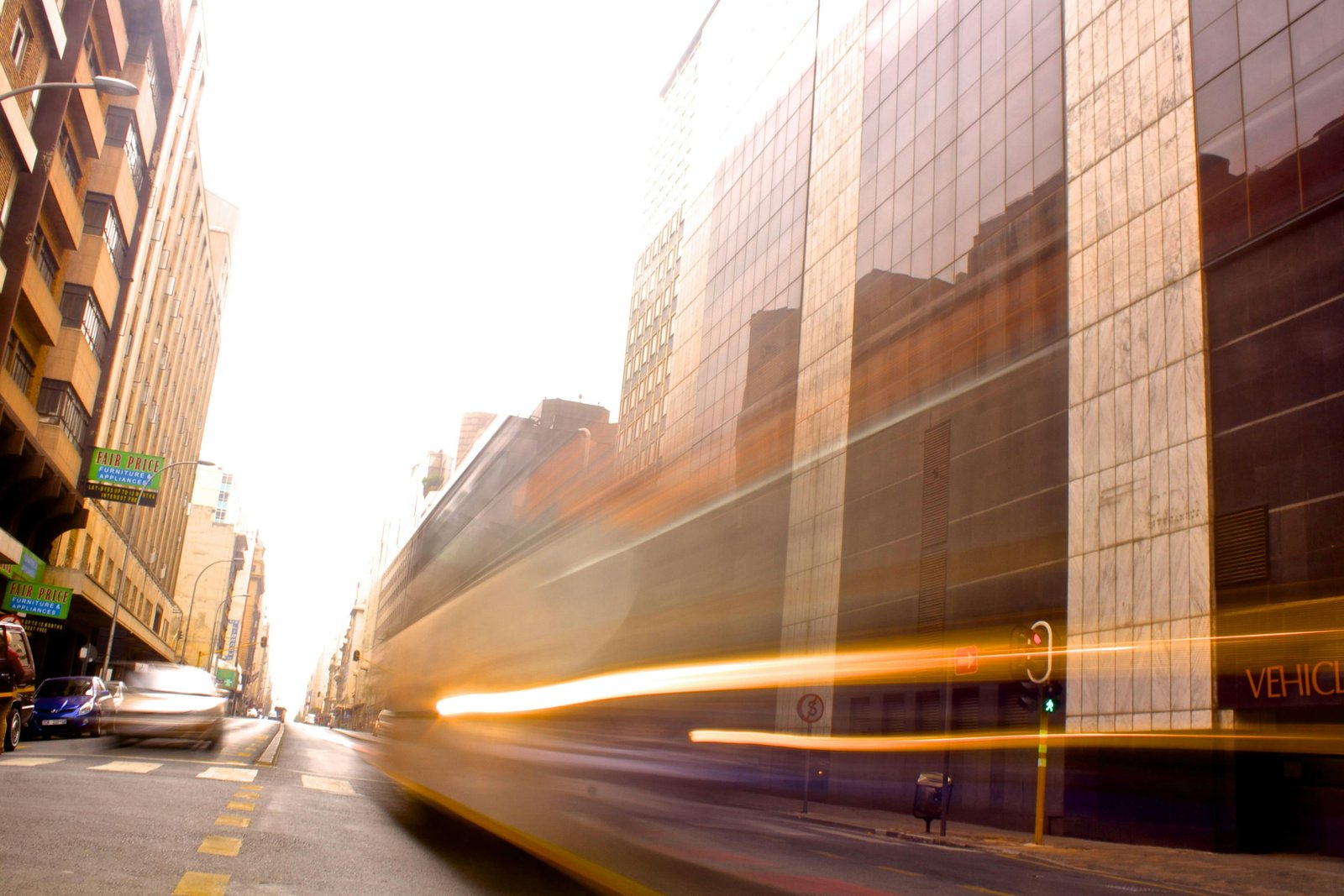
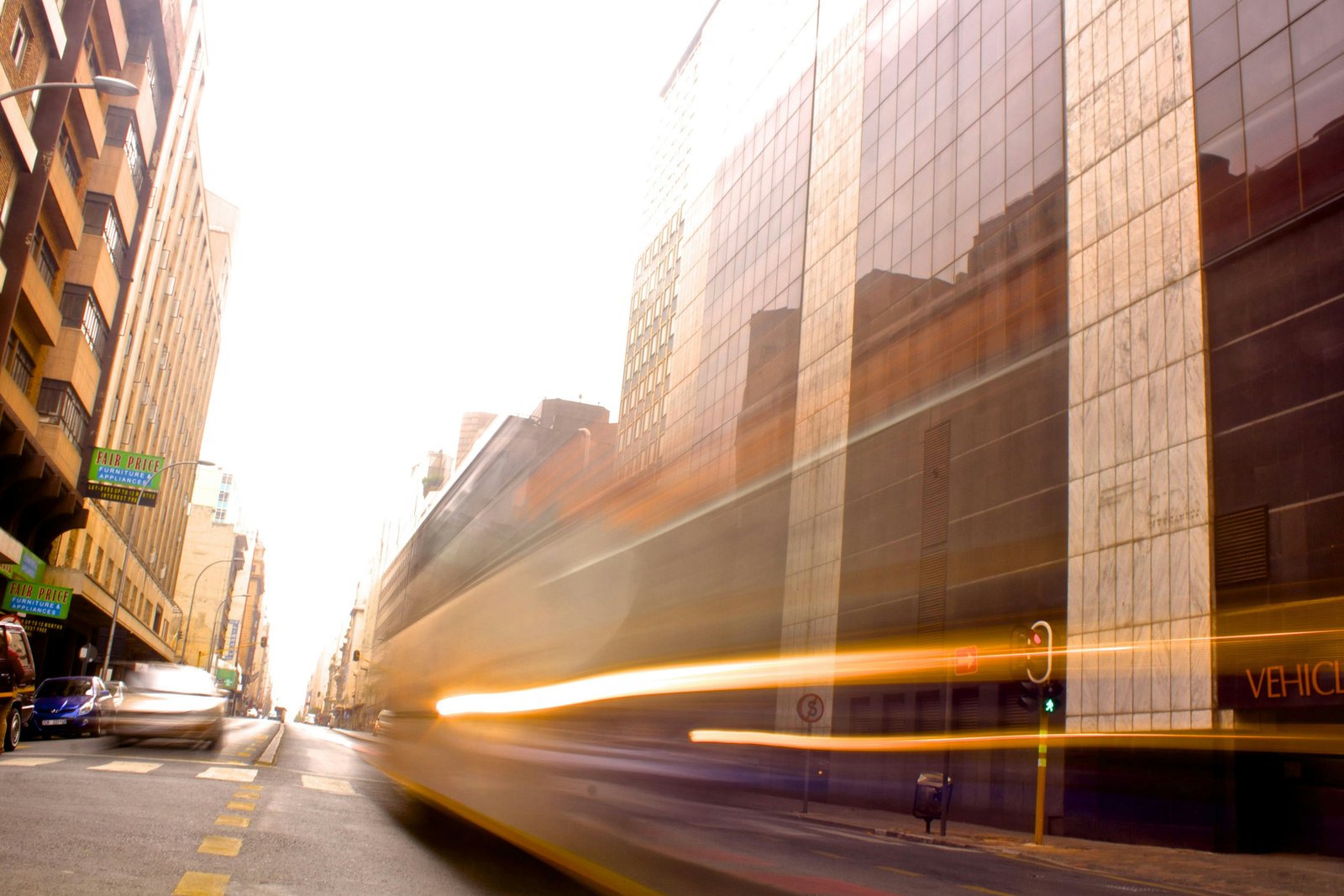
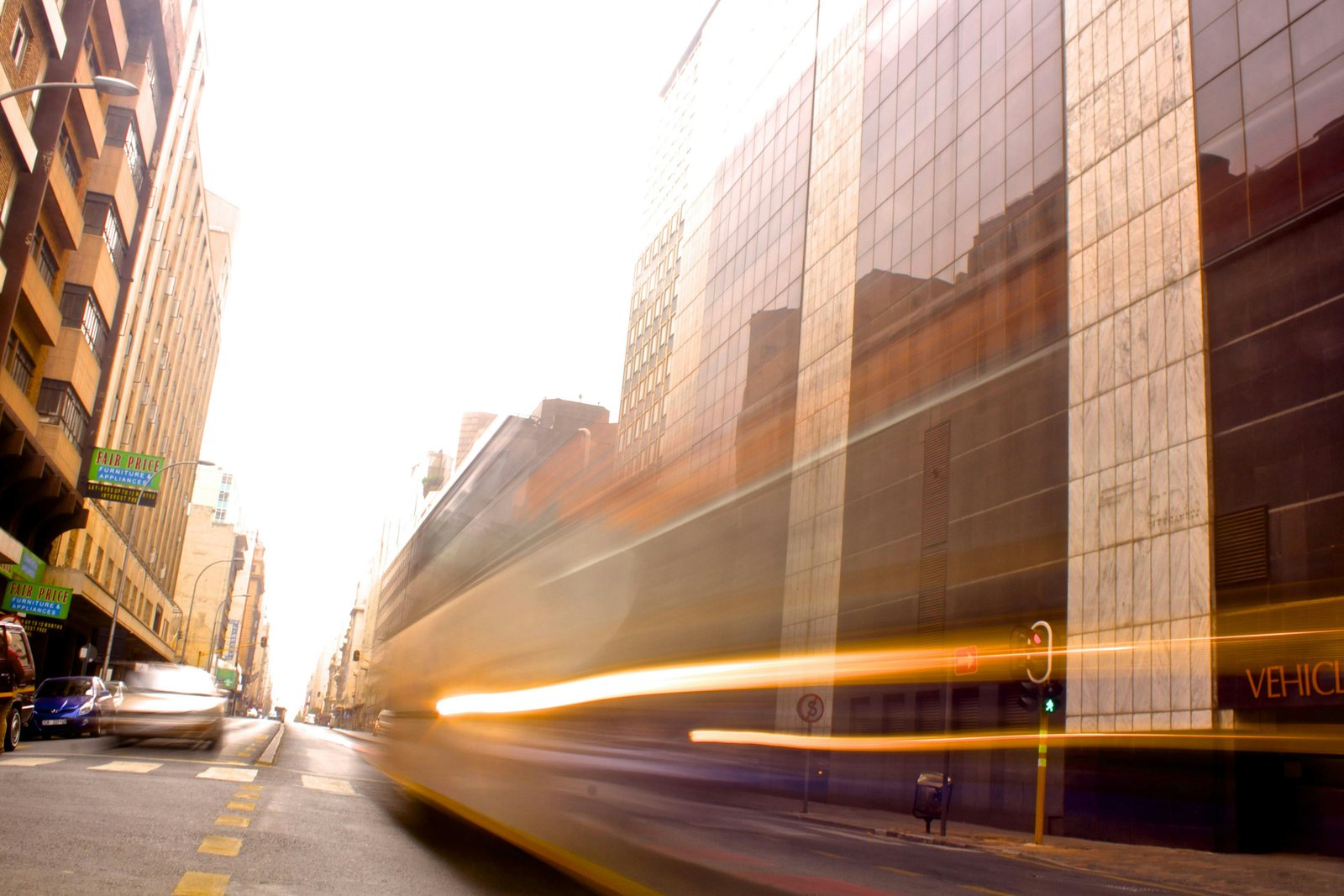
Johannesburg is the most populous city in South Africa. The City of Johannesburg itself has a population of 5,538,596, while the City of Johannesburg Metropolitan Municipality has a population of 6,599,190, making it one of the 100 largest urban areas in the world. Johannesburg is the provincial capital of Gauteng, the wealthiest province in South Africa, and seat of the country's highest court, the Constitutional Court. Situated on the mineral-rich Witwatersrand hills, the city has long been at the epicentre of the international mineral and gold trade. The richest city in Africa by GDP and private wealth, Johannesburg functions as the economic capital of South Africa and is home to the continent's largest stock exchange, the Johannesburg Stock Exchange.
- Population: 5,900,000+ (Metro Area)
- Area: 1,645 km²
- Currency: South African Rand (ZAR)
- Coordinates: Latitude: -26.204444885254, Longitude: 28.045555114746
- Timezone: Timezone info not available
- Current Local Time: ailab
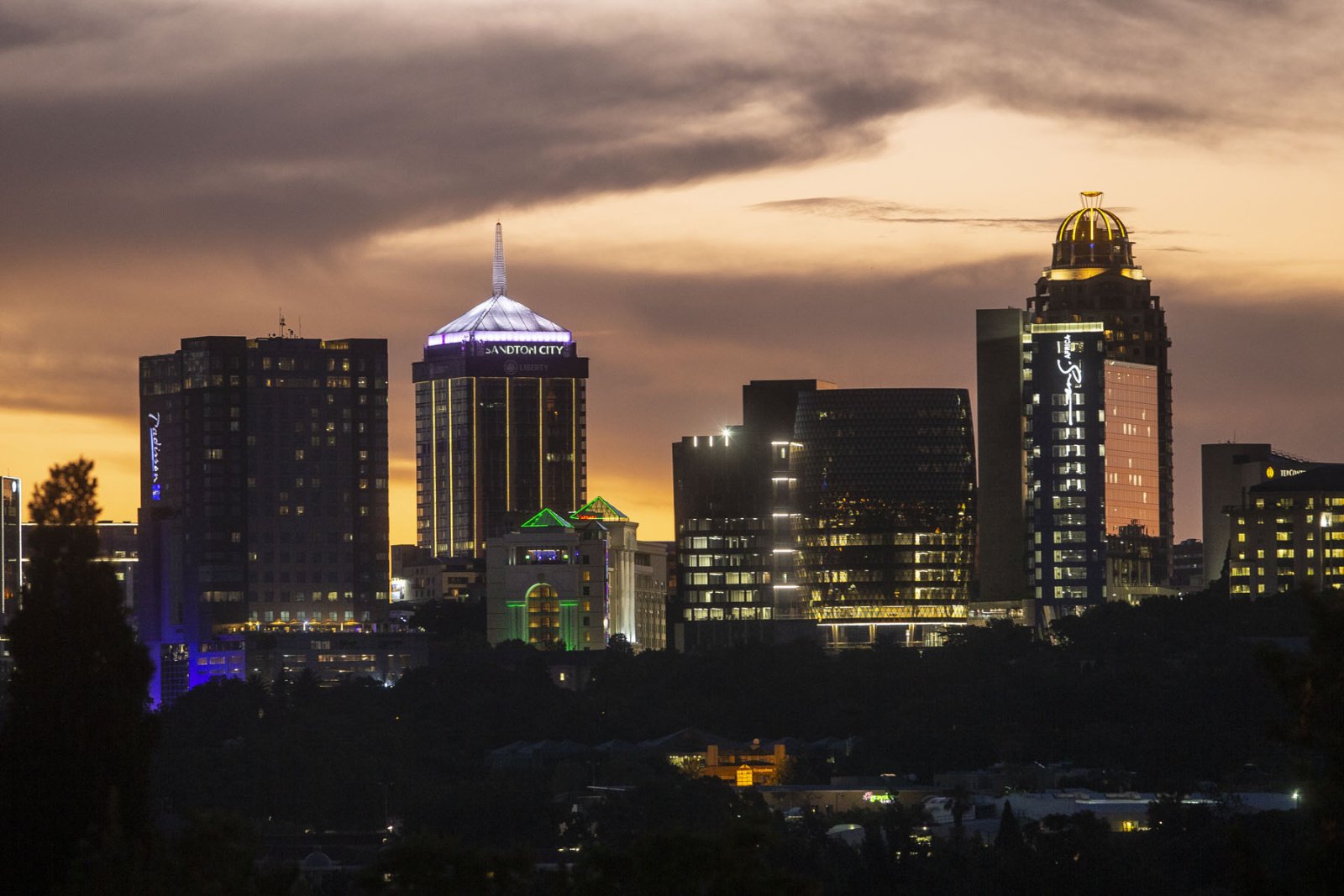
Sandton
Business towers, upscale malls, Nelson Mandela Square, and city nightlife.
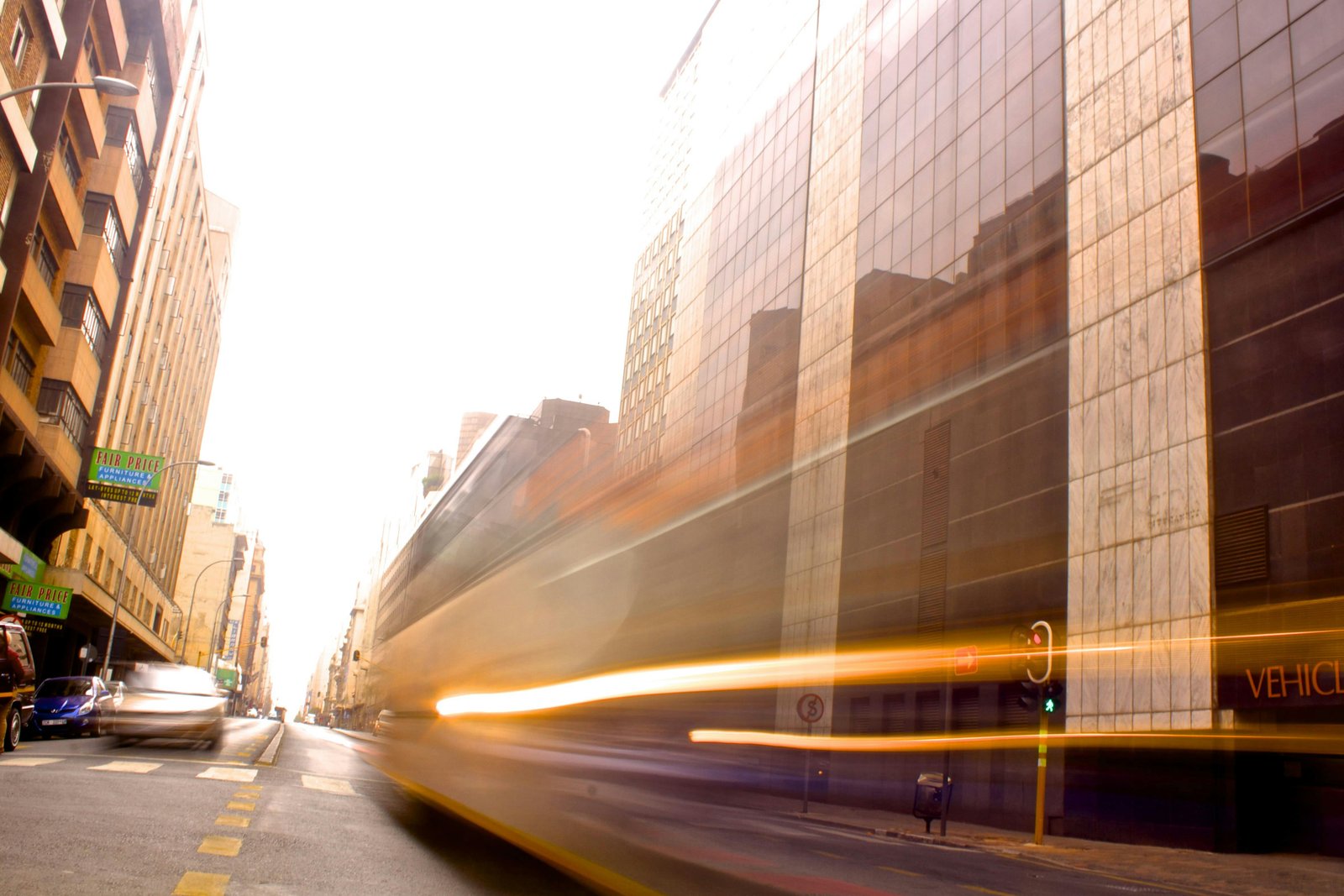
Johannesburg CBD
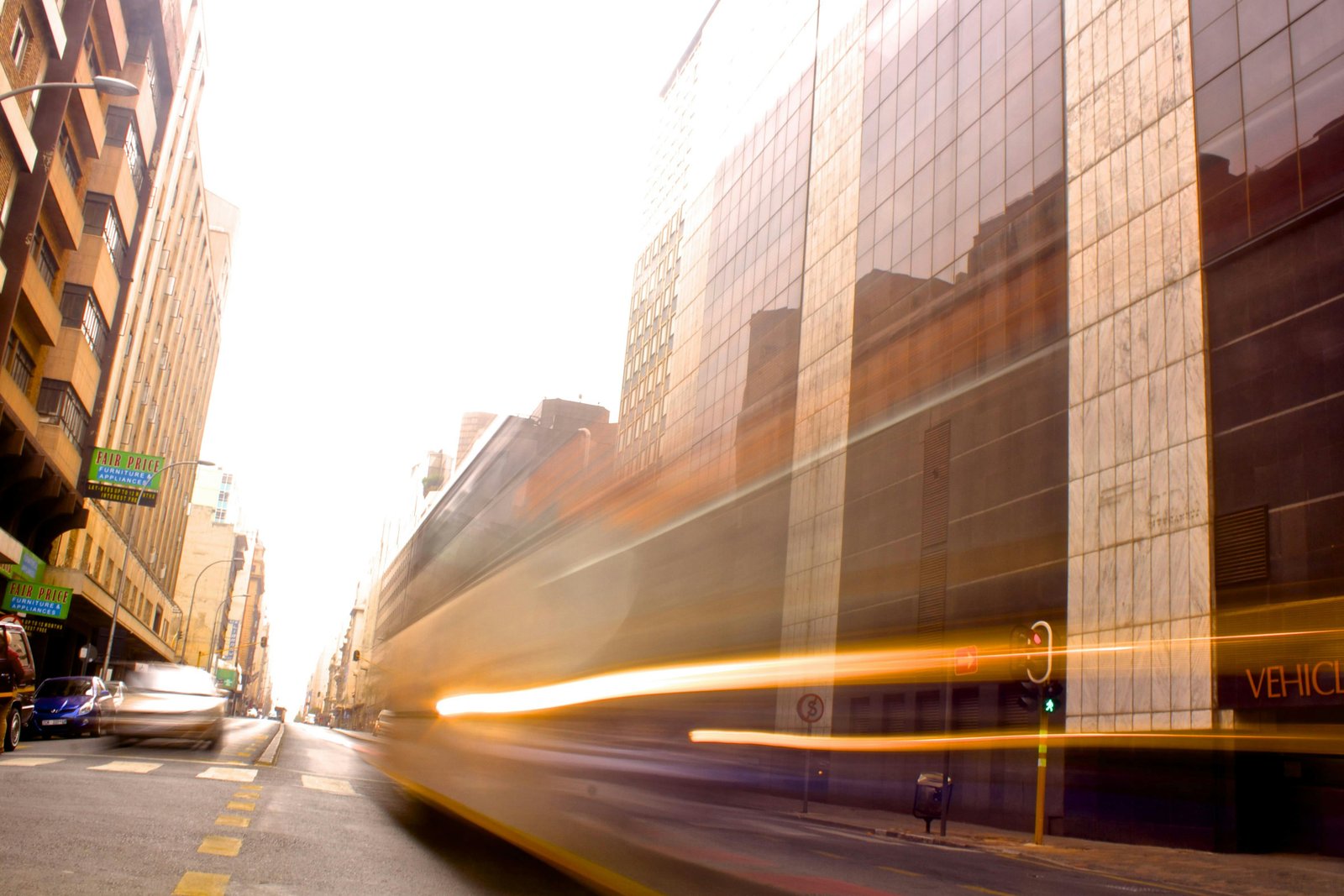
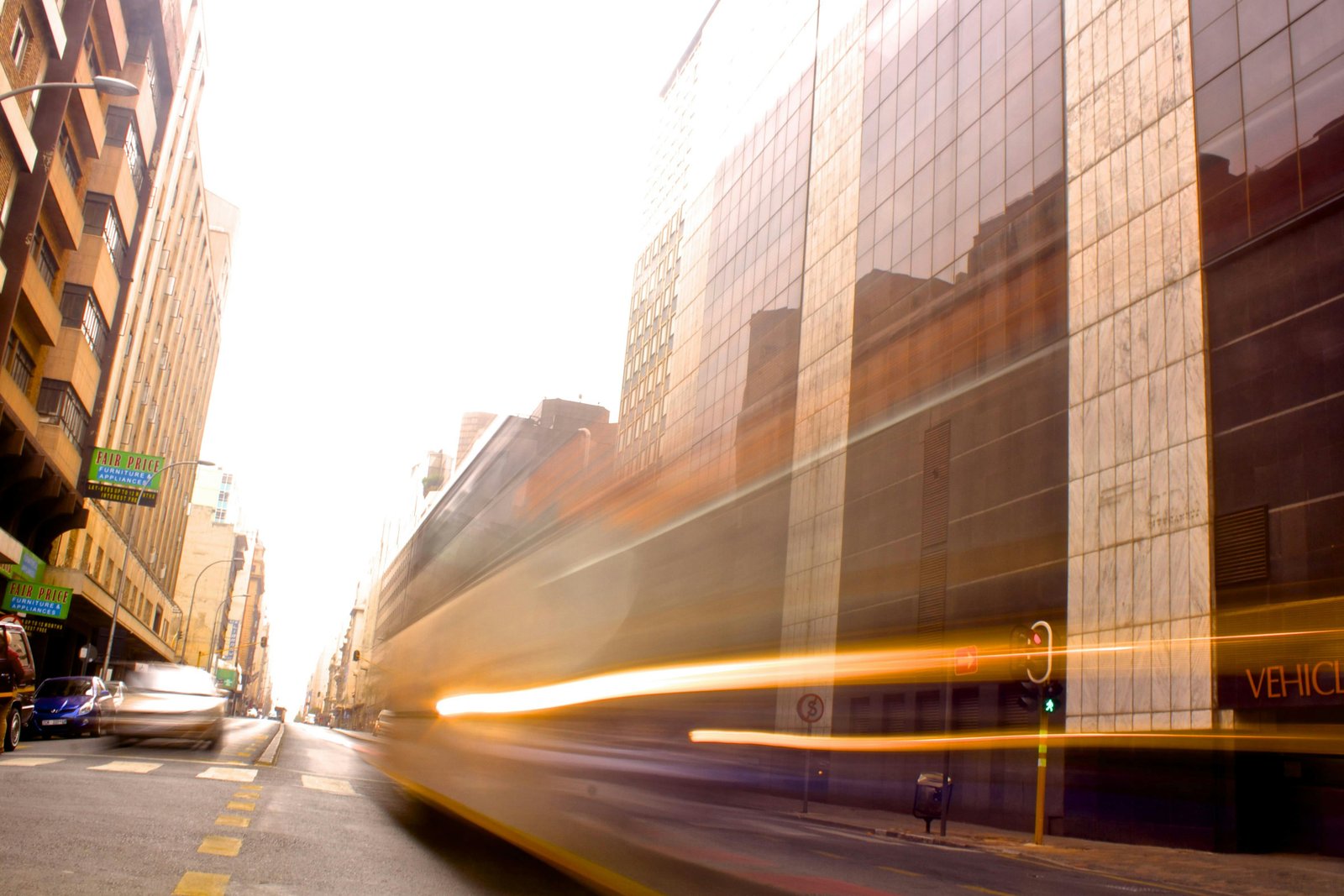
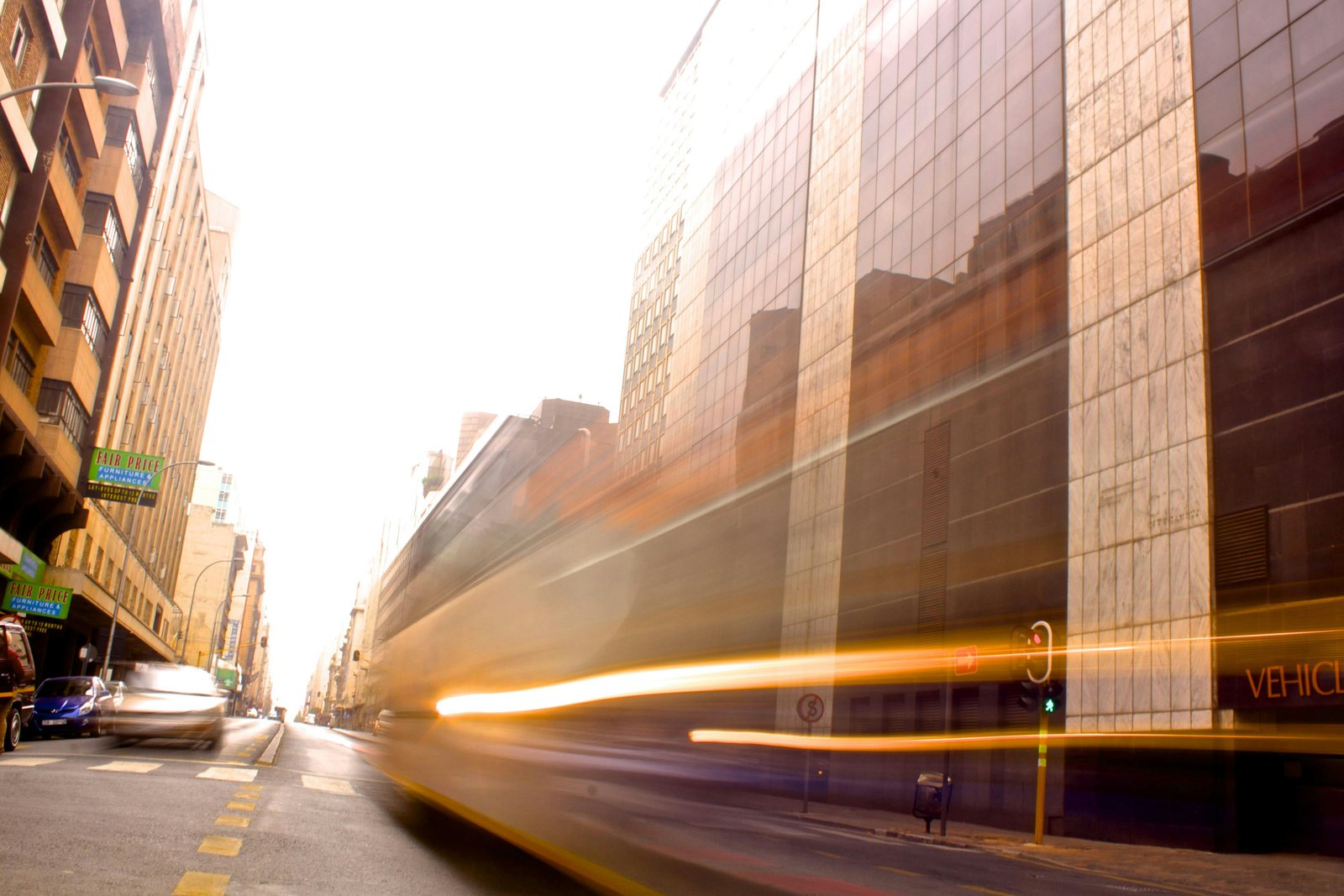
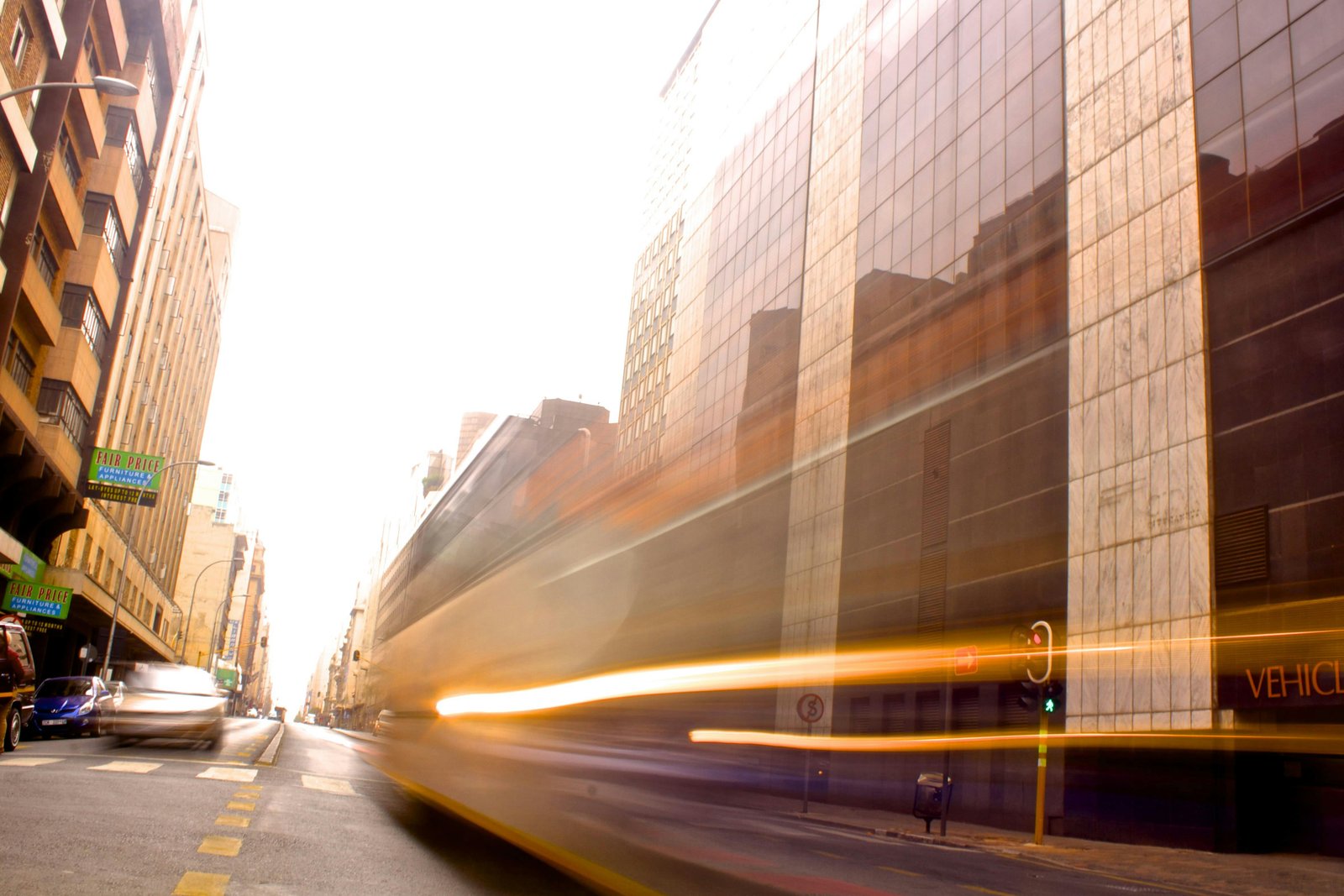
Downtown streets, Commissioner Street, Gandhi Square, and real urban life.
Soweto
Township streets, Maponya Mall, Protea North, and cultural walking tours.
Rosebank & Melrose Arch
Shopping areas, nightlife, and modern mixed-use districts.
Johannesburg Travel Highlights
This Johannesburg video page is built for visitors who want real places, real streets, and real travel footage.
It focuses on the most searched destinations in Johannesburg, including Sandton, Soweto, Johannesburg CBD,
Rosebank, Melrose Arch, Parkhurst, Maponya Mall, and nearby city districts.
Johannesburg Latest News
IOL
France unrest: Everything you need to know
France is reeling after violent protests left 1,800 people arrested, 1,500 businesses damaged and a historic town hall destroyed by fire.
IOL
Arthur Jantjies wins inaugural Nelson Mandela Marathon in Cape Town
Hopetown runner Arthur Jantjies won the inaugural Nelson Mandela Marathon in Cape Town in a personal-best 2:15:14, while Ethiopia’s Bize Beyira Negasa dominated the women’s race.
The Citizen
Is basic education worth taxpayer money?
The South African festive season is drawn out and exhaustingly competitive. It begins in mid-September when stores, typically with a panda in the name or logo, put the Christmas trees in the front. This reminds the big retailers to take the unsold Christmas cakes from 2008 out of cryostasis – with the first to do that winning the passive marketing award of being the subject of Sunday lunch’s “can you believe X already has Christmas things out?”. Enter the retail pricing creep before Black Friday, when you walk past a bargain bin and can’t believe that there are still CDs for sale in the 2020s; Michael Bublé and Mariah Carey are still fighting to be your Christmas kitchen soundtrack. If you side with Mariah and have more than one kid, they’ll each try be the first to point out that Carey’s desire to build a toy-land all around the Christmas tree sounds remarkably like a toilet. The season ends with the greatest competition of all, although it’s an internal one: how soon after the matric pass rate is announced can the DA announce the “real” matric pass rate? Matric exam marking centres This year, we seem to have a novel inclusion to the festive discourse – an inquiry no less. Why is the basic education DG visiting all 180-something marking centres personally? What does it cost the taxpayer? Is it worth the money? Fair questions, but it’s a bit rich to put a director general on the subject of oversight in a department that spends about 16% of the national budget to prepare 30% of the population for unemployment. Teacher absenteeism isn’t a term we should be familiar with, yet it is. I’m sure there are several reasons for the rise in home schooling in recent years, but I can’t imagine that the high quality of public basic education is one of them. Is education worth what we spend on it? If we’re going to be asking whether a personal oversight by the DG to marking centres is worth the money, there’s no reason why we shouldn’t extend that question to something more impactful – is the whole exercise of education worth what we spend on it? To be more precise, is the way we do it worth it. I don’t believe anybody would claim that it’s not worth spending public money to educate our kids just like nobody is saying that we shouldn’t be having oversight on matric marking. How we do it, what it costs and what we get out of it should be considered. One cannot look at a R300 billion budget and ask whether we’re getting bang for our bucks on R1 million or R2 million of it while ignoring the rest. The rest is probably more important than whether a person is driving around the country, somehow managing 180 stops along the way. Fine. Let’s ask that person how much time they get to spend at each centre and whether it’s worth it for them and the public. Let’s also ask whether they’re doing the remaining parts of their job or if they’re too busy gallivanting. Is that really anything remotely near the top of our concerns regarding education? If anything, at least they’re showing some sort of commitment. That’s more than can be said for so many other aspects of the system. Have the questions if you must. Let’s just not pretend like getting to the bottom of this is going to solve any real issues in education. More importantly, if you’re willing to open the question of whether something that we spend money on in terms of education is worth it for the taxpayer, you need to be open to asking that question about the entire system. That doesn’t mean we shouldn’t be educating our kids. It means we need to be honest about how we go about it. The real question is, are our children learning what will be good 4 dem in there foocha?
The Citizen
After winning World Cup, swimmer Pieter Coetzé targets World Championships
Having won the men’s title at the Swimming World Cup, Pieter Coetzé says he is feeling confident in the build-up to the World Short Course Championships to be held in Beijing in December. Coetzé was superb in the three-leg World Cup campaign, winning eight gold medals in the 50m, 100m and 200m backstroke events. He set a 50m backstroke short-course world record of 22.09 seconds at the second leg of the series in Uzbekistan. He also achieved an African 100m backstroke of 49.11 in the 25-metre pool at the first leg in Azerbaijan before lowering his continental mark to 48.21 in Uzbekistan. The 22-year-old South African took top spot in the men’s overall standings after the third leg in Kazakhstan which concluded on Saturday, having raked in 172.9 points, finishing ahead of Russian swimmer Egor Kornev who took second place in the standings with 170.7 points. Coetzé became the fifth SA swimmer, after Chad le Clos (four times), Cameron van der Burgh (three), Ryk Neethling (two) and Matthew Sates to claim the men’s World Cup title. And he admitted it was one of the toughest challenges he had faced in his blooming career. “It’s a very different kind of achievement compared to anything else. This one is hard work because it’s three weeks that you need to be consistent and stay focused… so I will cherish this forever and I’ll always remember it.” Short course championships A four-time medallist at the long-course World Aquatics Championships (held in a 50m pool), Coetzé believed he could put up a fight at the upcoming short-course showpiece. Though he expected a tougher battle against stronger line-ups, his recent form had given him a boost ahead of the global championships in the Chinese capital. “It’s exciting to know I can perform in short-course because it’s not something I do often, and you never know, so after these performances I’m very confident heading into it (the World Championships) which helps,” he said. “I know there will be some guys who weren’t here (at the World Cup) and the standard will be higher, but I’ll be confident and I’ve got a good idea of what I need to go work on now. “So it’s very exciting, and I think it’s going to be a lot of fun, but it’s going to be tough.”
The South African
Plea not to share graphic CCTV footage of fatal Boxer shooting
Employment and Labour Minister Nomakhosazana Meth has urged the public not to circulate graphic CCTV footage of the fatal shooting of three female managers at a Boxer Superstore in Eshowe, KwaZulu-Natal. Meth condemned the shooting, which reportedly occurred following an internal disciplinary process at the store. In a statement issued, the Minister appealed to members of the public to respect the privacy of the victims’ families and colleagues by refraining from sharing distressing images and videos of the incident. The Department of Employment and Labour extended its condolences to the families and loved ones of the three women, as well as their colleagues. Meth also called on law enforcement authorities to ensure that justice is served. Call for safer workplaces The minister said the tragedy highlighted the importance of ensuring that all employees can carry out their duties without fearing for their lives or personal safety. The shooting at the Boxer Superstore occurred mere days after World Mental Health Day, observed on 10 October, prompting renewed calls for stronger workplace support and open communication. Meth encouraged employers, employees and labour representatives to engage in open dialogue to address workplace challenges and prevent conflict from escalating. She also emphasised the importance of strengthening Employee Wellness Programmes and ensuring workers have access to appropriate mental health support. The department said workplaces should prioritise the safety and well-being of employees, while fostering environments where concerns can be raised and addressed constructively.
The South African
Here’s when Kaizer Chiefs will play CAF Confederation Cup second leg tie
Kaizer Chiefs will have to overturn a first-leg deficit after suffering a 1-0 defeat to Zambia’s Red Arrows in the second preliminary round of the CAF Confederation Cup. Amakhosi went down at the Levy Mwanawasa Stadium in Ndola, where a late goal from Red Arrows captain Alassane Diarra gave the hosts the advantage heading into the decisive second leg. The match was played in scorching conditions, with Kaizer Chiefs unable to find an equaliser after Diarra struck in the 77th minute. The result leaves the Soweto giants needing a response on home soil if they are to keep their hopes of reaching the Confederation Cup group stage alive. Diarra delivers late blow With the tie finely balanced for much of the encounter, Diarra’s late intervention proved decisive for the Zambian side. His 77th-minute goal gave Red Arrows a narrow lead to take into the return fixture, putting pressure on the Glamour Boys to deliver in front of their home supporters. Kaizer Chiefs face decisive Durban showdown The two teams will meet again on Friday, 23 October when Kaizer Chiefs host Red Arrows at Moses Mabhida Stadium in Durban. Kick-off is scheduled for 18:00. With a place in the CAF Confederation Cup group stage at stake, Kaizer Chiefs will need to overturn the deficit in the return fixture. The home advantage could prove important for Amakhosi, but Red Arrows will arrive knowing that even a draw would be enough to secure their progression if the aggregate score remains in their favour. For Kaizer Chiefs, the task is clear: respond in Durban and keep their continental campaign alive. Will Kaizer Chiefs get the job done in the second leg in Durban? Let us know by clicking on the comment banner below …
TechCentral
South Africa’s ATM network faces its biggest overhaul in decades
The Reserve Bank wants all of South Africa's ATMs white-labelled, with free transactions below a threshold, starting with a pilot in January.
TechCentral
The R77 000 iPhone has arrived in South Africa
Apple's first foldable iPhone carries a steeper local premium than its new HomeView, HomePod mini 2 and Apple TV 4K.