General Information
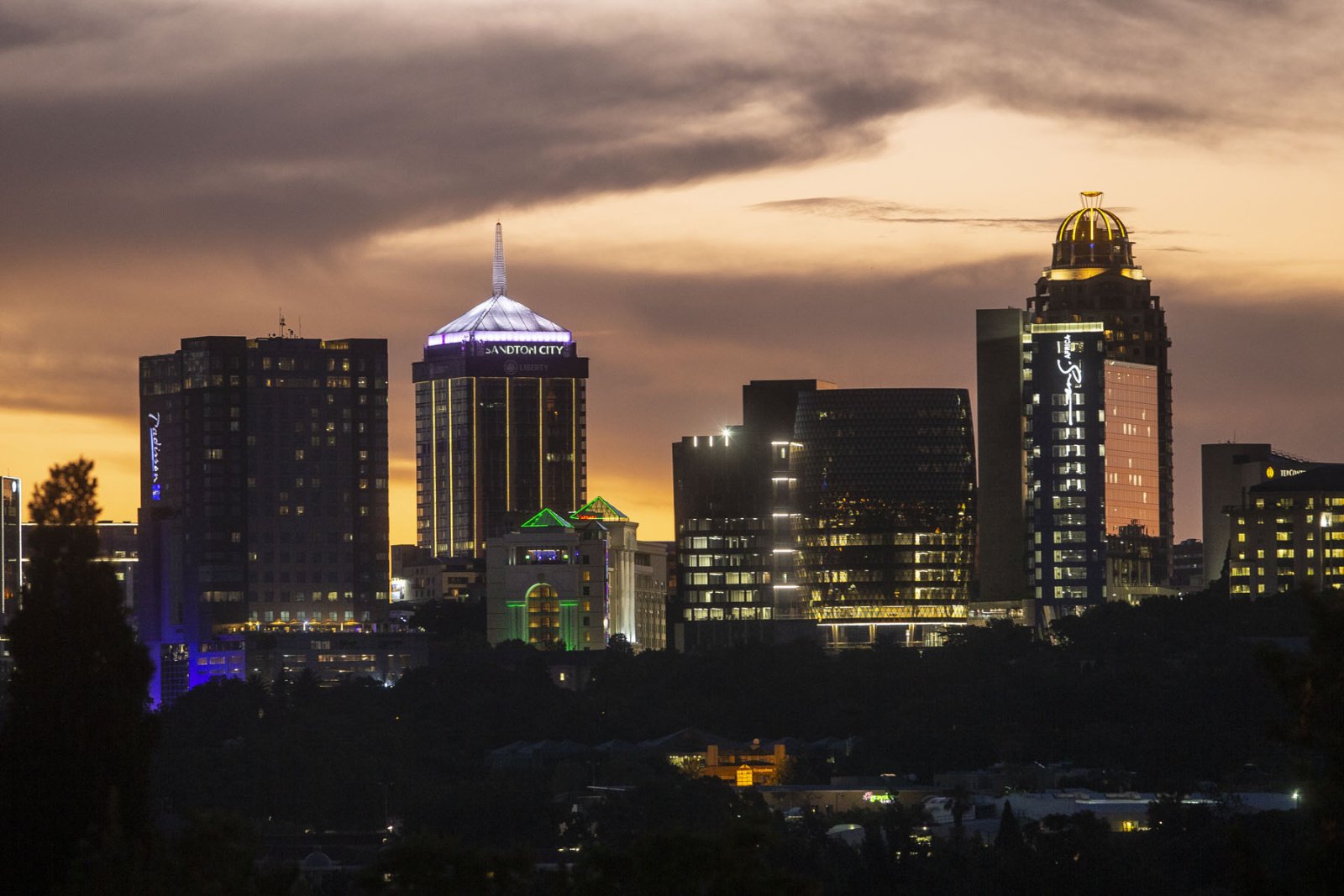
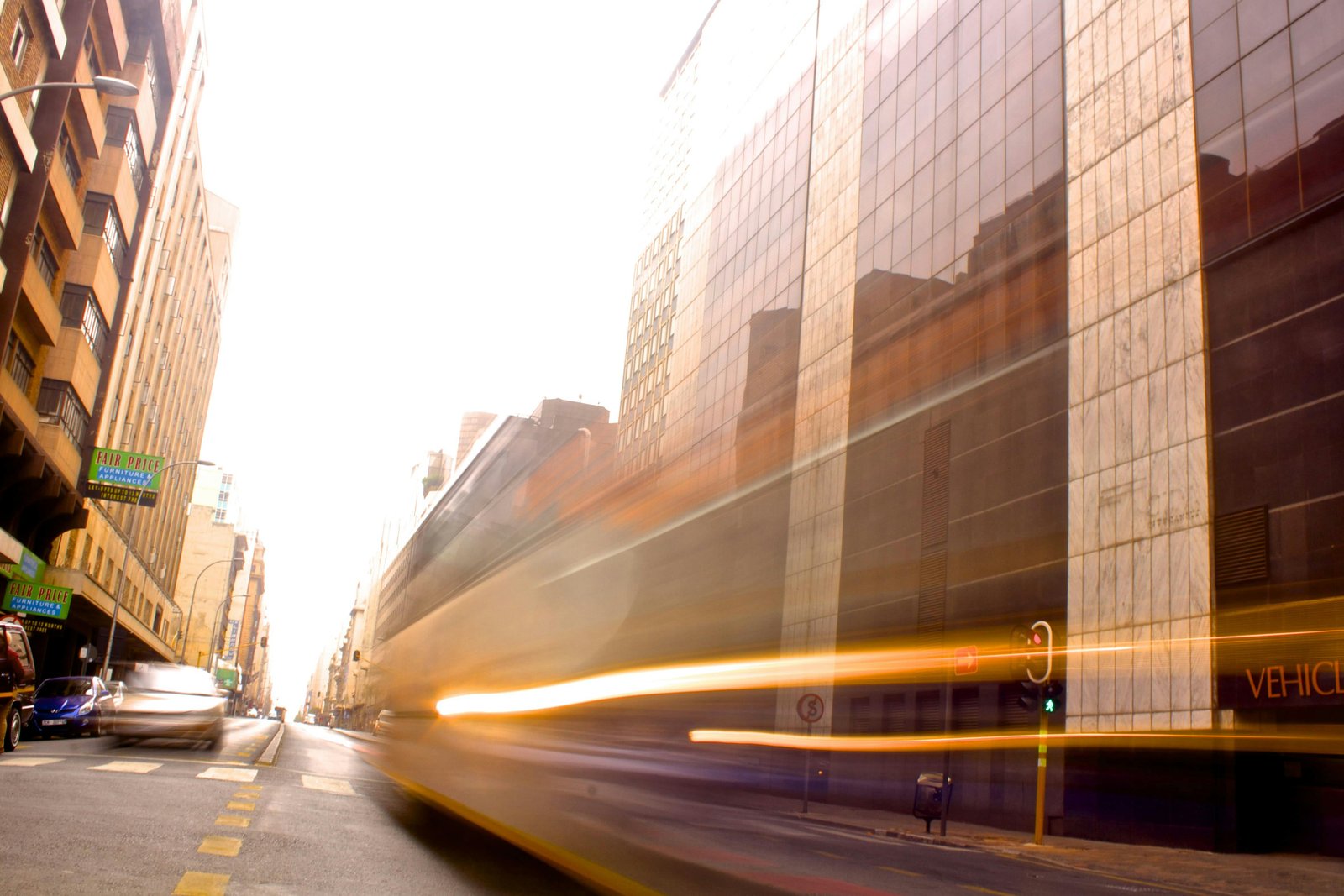
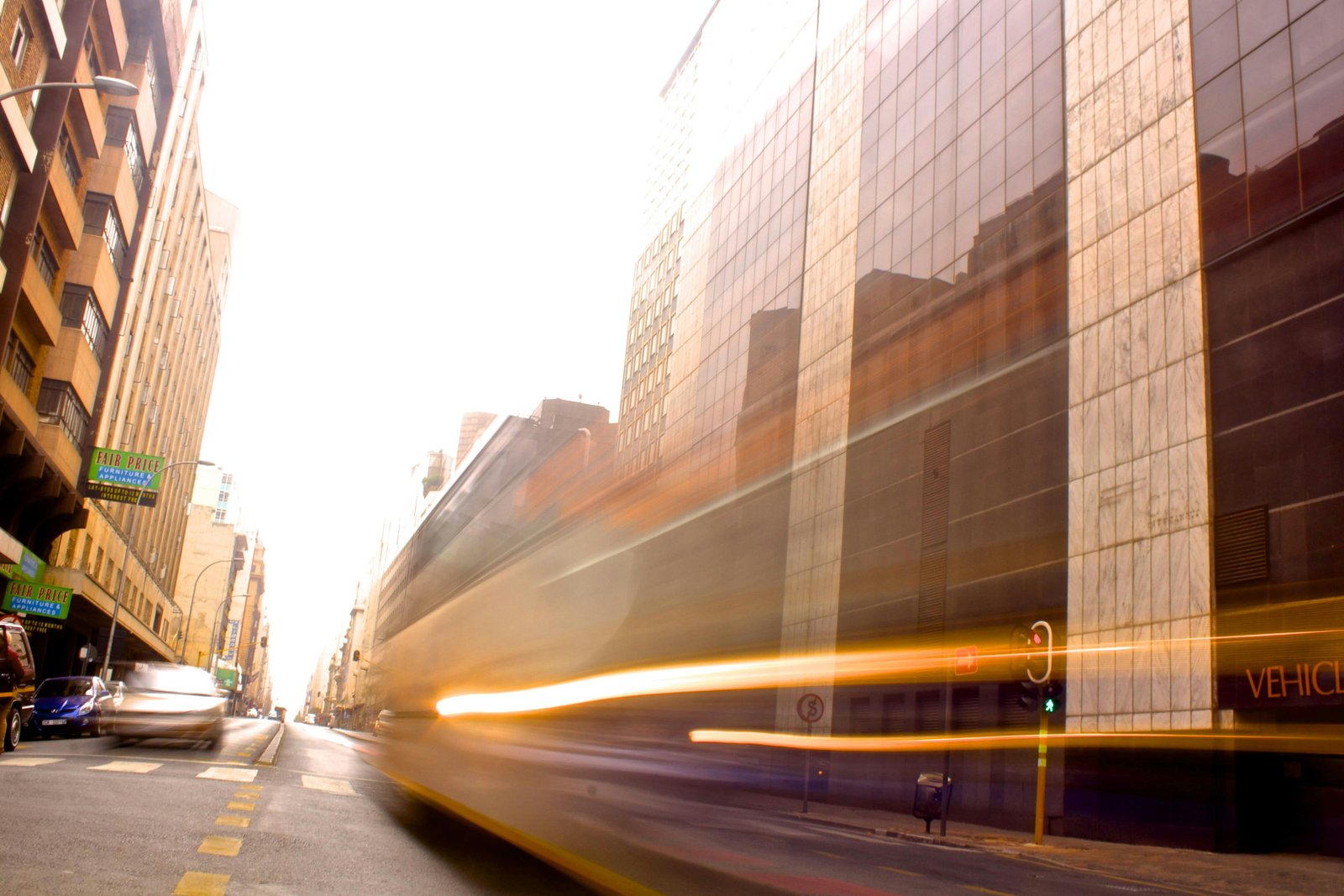
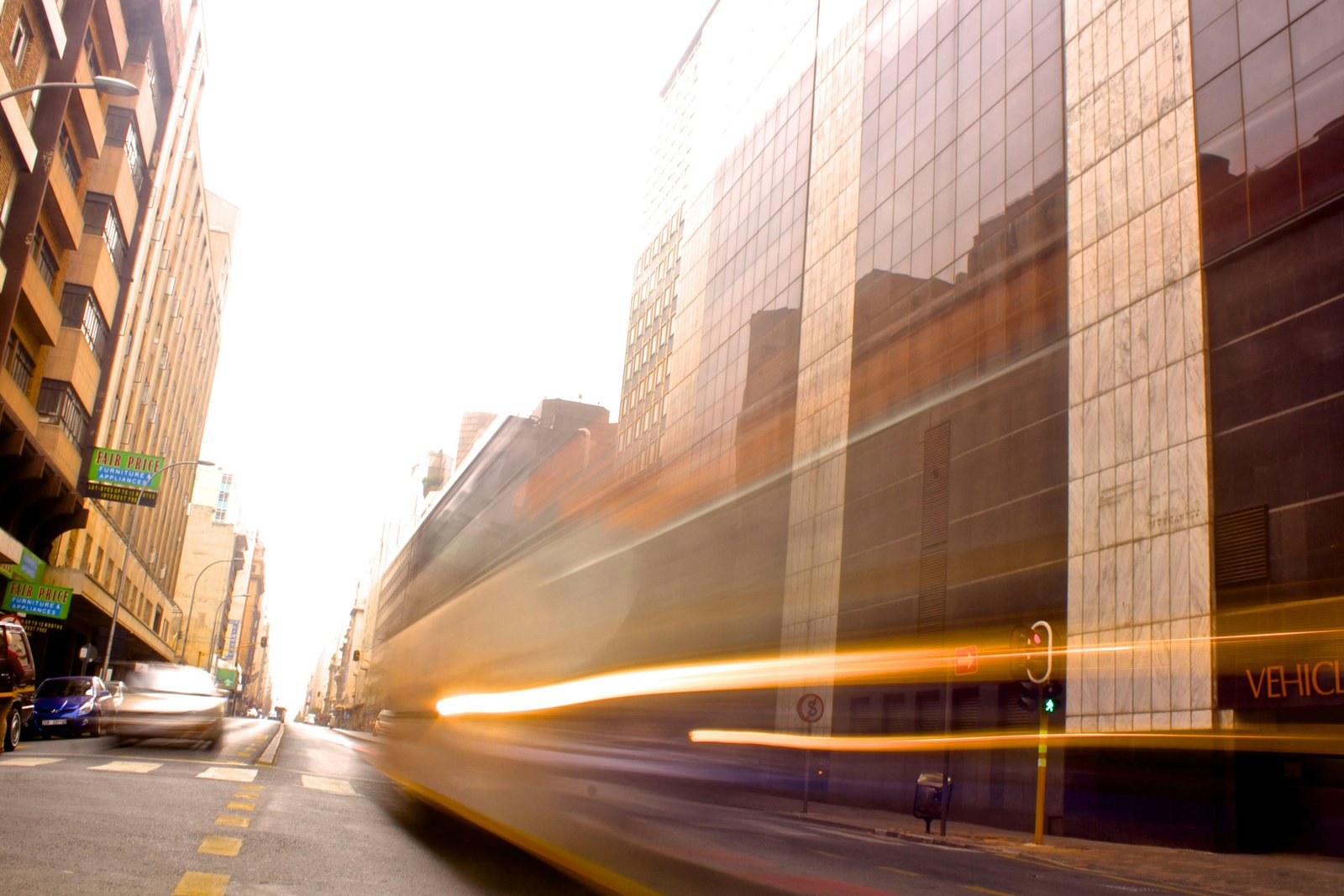
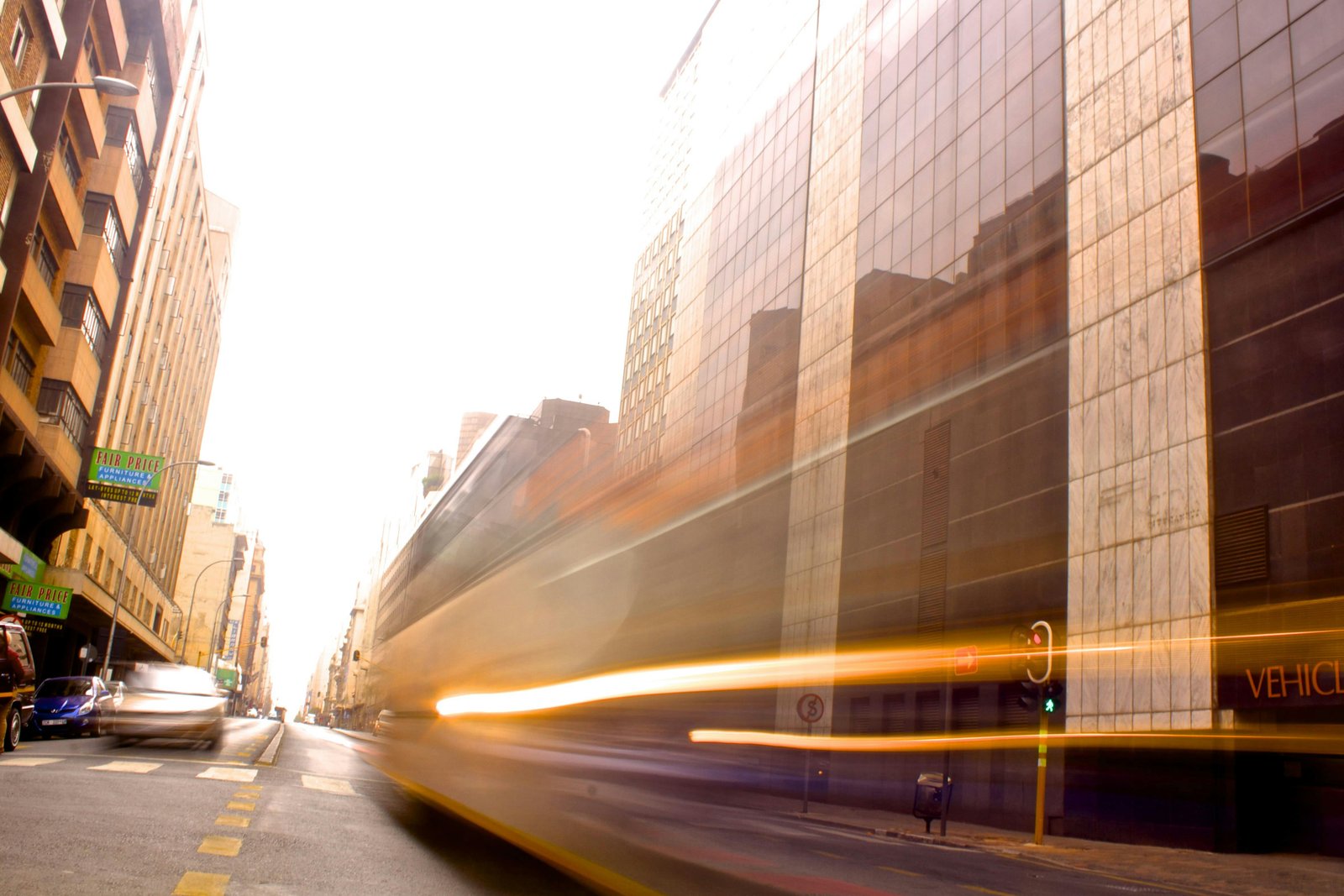
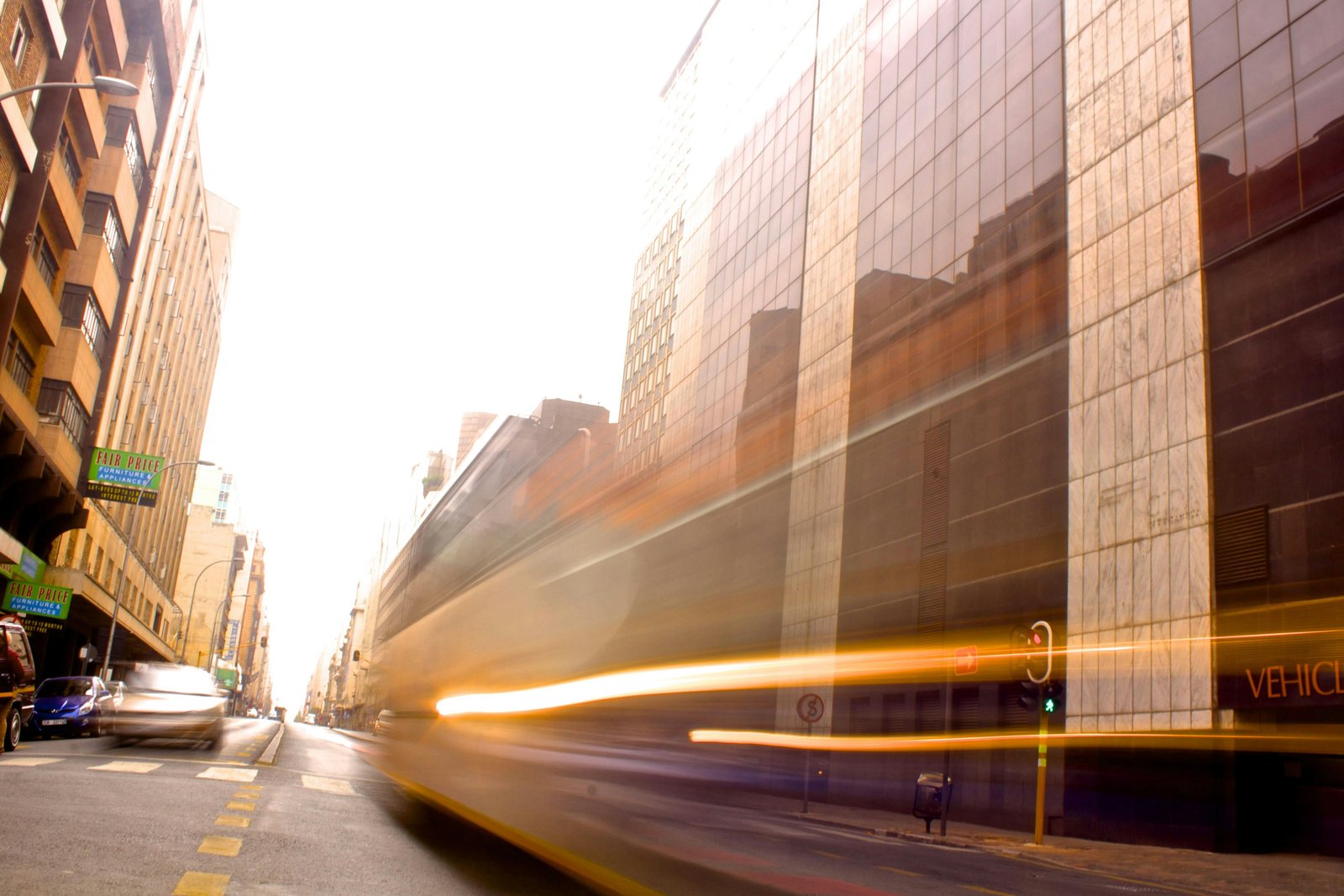
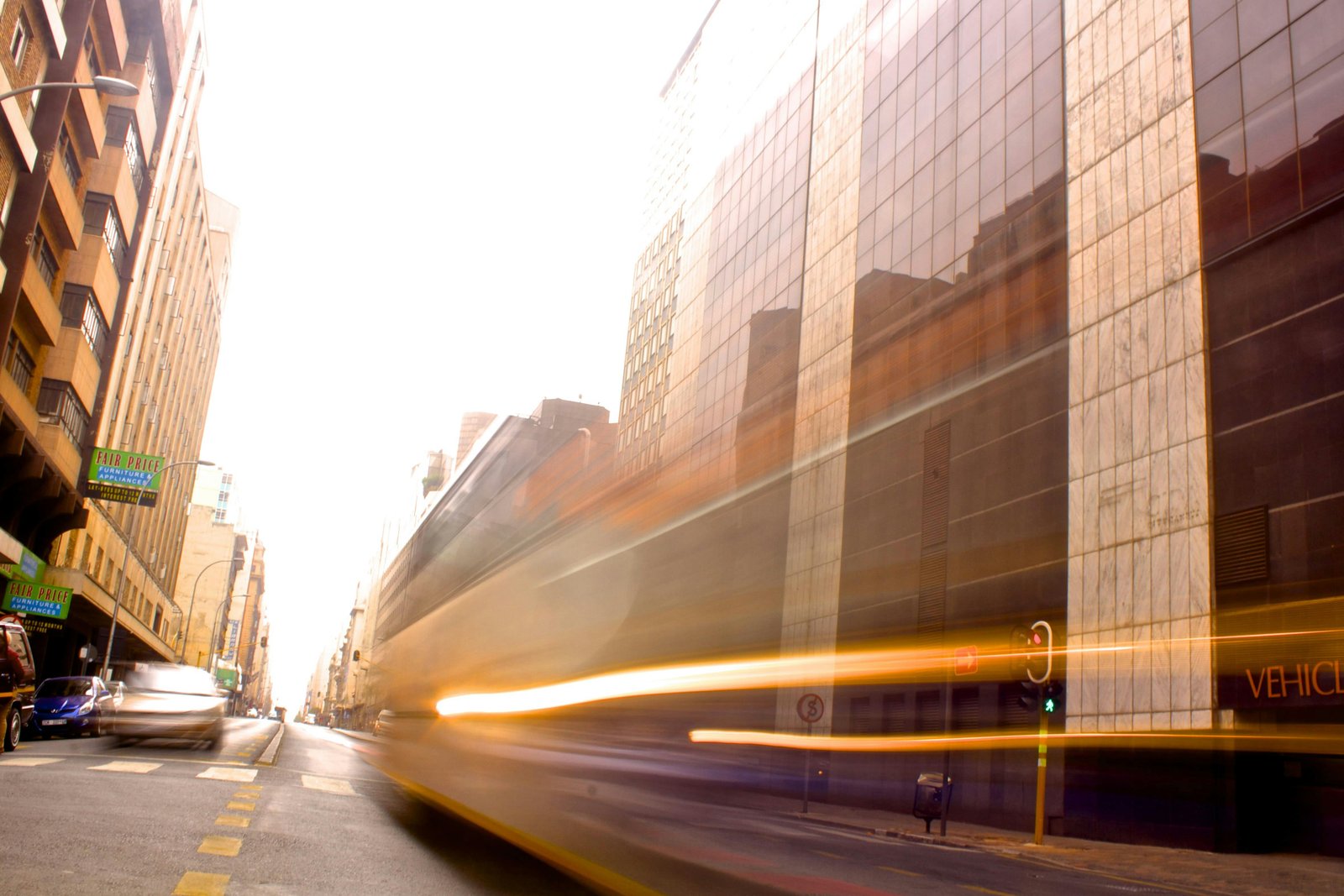
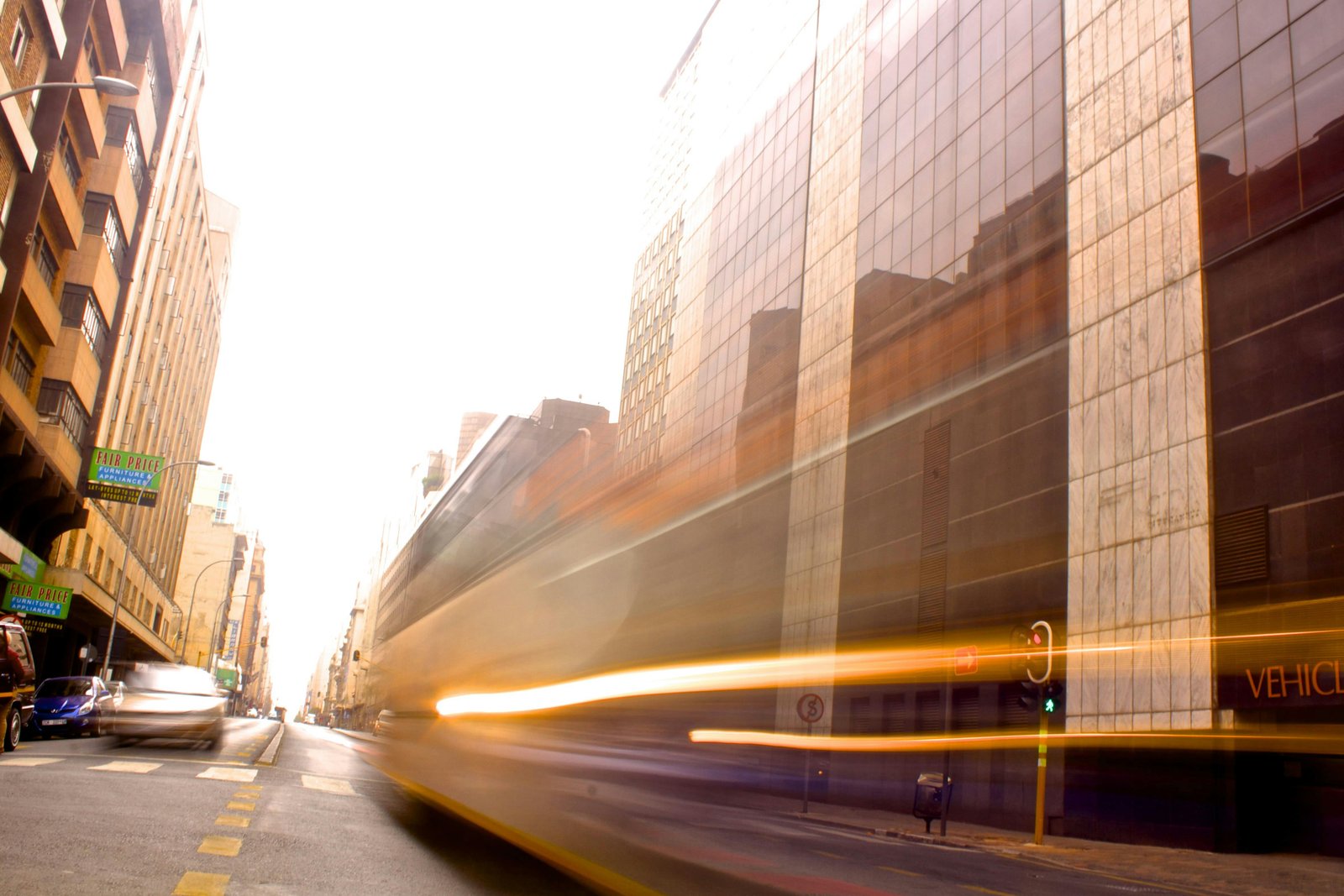
Johannesburg is the most populous city in South Africa. The City of Johannesburg itself has a population of 5,538,596, while the City of Johannesburg Metropolitan Municipality has a population of 6,599,190, making it one of the 100 largest urban areas in the world. Johannesburg is the provincial capital of Gauteng, the wealthiest province in South Africa, and seat of the country's highest court, the Constitutional Court. Situated on the mineral-rich Witwatersrand hills, the city has long been at the epicentre of the international mineral and gold trade. The richest city in Africa by GDP and private wealth, Johannesburg functions as the economic capital of South Africa and is home to the continent's largest stock exchange, the Johannesburg Stock Exchange.
- Population: 5,900,000+ (Metro Area)
- Area: 1,645 km²
- Currency: South African Rand (ZAR)
- Coordinates: Latitude: -26.204444885254, Longitude: 28.045555114746
- Timezone: Timezone info not available
- Current Local Time: ailab
Johannesburg Latest News
IOL
Limpopo brothers, aged nine and 12, die after returning home from playing
Two brothers, aged nine and 12, died at a Limpopo clinic after returning home from playing, with police investigating the circumstances.
IOL
Leader of the pack: Kagiso Rabada returns to spearhead Proteas fightback in Gqeberha
The Proteas have been handed a major boost with the availability of fast-bowling spearhead, Kagiso Rabada.
The Citizen
Weather conditions in Gqeberha will determine Proteas XI for second Test against Aussies
The Proteas will decide on the makeup of their playing XI on Sunday morning, once they have a better idea of the weather conditions in Gqeberha, said captain Temba Bavuma on Saturday. The South Africans go into the second Test against Australia on the back of a big first Test defeat in Durban earlier this week. Rabada return The good news is fast bowler Kagiso Rabada has been cleared to play. He missed the first Test due to a hamstring niggle. “We don’t have a final XI,” said Bavuma on Saturday. “We’re not too sure. We have a clear understanding of what we want, but we’ll first let nature do its thing.“There are considerations … will we go again with two spinners, or the extra batter or extra allrounder? We can go either way, we’ll have a competitive XI.” Regarding the availability of Rabada, the team’s premier fast bowler, Bavuma said: “KG’s available for selection, and that brings a big smile to me. He’d be a big addition on the field, he’s raring to go. “He leads the attack, and the other bowlers feed off him. He also brings confidence to the unit, so it’s always a benefit to have him around.” Improvement needed in all areas Bavuma said the team had had discussions about all the departments of their game following the 214-run whipping they took in the first Test. “Batting-wise we fell short in the first innings in Durban,” said Bavuma. “The second innings was better … but we’d conceded a big lead. “Bowling-wise … we backed three seamers and two spinners and they got the better of us. The wicket didn’t deteriorate as quickly as we wanted. But I can’t falter our bowlers, they put in a great effort. “At the end, the difference was [Matt] Renshaw’s 190 first innings score … we’ve had conversations and just need to be better.” Batting options It’s expected that Marques Ackerman will open the innings with Aiden Markram, while Matthew Breetzke could also come into the side. “Marques likes to fight fire with fire, while Matthew’s a confident player after his ODI scores,” said Bavuma. “He’s also had success against Australia. These two guys certainly boost our batting.” Ryan Rickelton, who will take over the wicket-keeping duties, may yet still open the batting. Bavuma though said there were discussions being had of his moving down the order.Play on Sunday starts at 10, weather permitting.
The Citizen
Frugal Suzuki Swift just what doctor ordered amid record fuel prices
When Suzuki rolled out the fourth generation Swift in 2024, the Japanese carmaker boldly announced that it’s new powertrain offers an 11% improvement in fuel consumption. The third generation’s K12M naturally aspirated four-cylinder 1.2-litre petrol engine was replaced by a free-breathing three-pot mill with identical displacement. Power and torque went down by one kilowatt and one Newton Metre to 60kW/112Nm. Suzuki was confident that the hatchback will consume less fuel because of the new engine being lighter, running cooler and offering more low-down torque. They claimed that the new Swift in five-speed manual configuration will only sip 4.4 litres per 100km compared to the 4.9L/100km from before. But what a manufacturer claims a car is capable of and what actually happens in the real world is often chalk and cheese. The Worldwide Harmonized Light Vehicles Test Cycle (WLTC) used to determine fuel consumption is considered to be outdated and does not take factor in changing conditions like weight and weather. Suzuki Swift put to the test We were therefore keen so see how low our long-term Suzuki Swift GLX manual can go between visits to the pumps. Which by the way, should be 841km working on the claimed consumption and its 36-litre fuel tank. The first test was a 370km road trip between Johannesburg and Middelburg. Loaded with two adults and two teenage girls, we stuck to the national limit on the N4 with the air-conditioner running for the entire trip due to expected cold weather. The Suzuki Swift GLX features a nine-inch infotainment system. Picture: Jaco van der Merwe We expected the consumption to be low, but not quite the staggering number of 5.0L/100km the trip computer indicated when arriving back in Jozi. The conditions were as real world as its gets and although we undertook the cruise rather conservatively considering the full load and the fact that it’s not the most powerful engine out there, we did not make any deliberate attempt to save fuel. For the second test, our Suzuki Swift took a solitary occupant down the N1 to Vereeniging and back. We also stuck to the national limit for this 180km trip with the aircon on full blast. It gets even better Again the frugal hatch did not disappoint. In fact, it simply blew us away. This time a number of 4.5L/100km showed up on completion of the journey, with the reduction largely due to reduced weight of not having three additional occupants on board. Some manufacturers break claimed consumption figures down into separate numbers for urban, extra-urban and combined cycles. Due to the stop and go nature of city driving, urban cycles will always be higher compared to the extra-urban cycles. And the more you do of the latter, the lower the combined number will be. Our long-term Swift is clad in Artic White Pearl paintwork. Picture: Jaco van der Merwe Our frugal open road travels have no doubt brought the overall average down, which is sitting at 5.3L/100km after just over 2 000km. While that might be almost one litre more than Suzuki’s claim, it still makes for pretty good damn reading. Especially taken into account that it was in real-world conditions. Less pain at the pumps Our Suzuki Swift GLX barely had 500km on the clock when it joined out fleet. There is every chance it will get more frugal once the engine has completed more mileage. With the fuel hikes we’re seeing, frugal consumption gets more appealing every month another record increase takes place. And while there has been a massive drive towards new energy vehicles, not everyone can afford their price tags. At R276 900, the Suzuki Swift GLX manual makes a brilliant case to ease the pain at the pumps.
The South African
Confirmed: Three changes in Orlando Pirates’ starting 11 vs African Stars
Orlando Pirates visit African Stars at the Botswana National Stadium in this preliminary second round qualifier. Kick Off is at 15:00. Coach Ouaddou has made three changes from the team that secured a 3-0 win over TS Galaxy in the Betway Premiership in Soweto on Tuesday. ORLANDO PIRATES STARTING XI VS AFRICAN STARS Thapelo Mokobodi, Oswin Appollis and Boitumelo Radiopane have made way for Thalente Mbatha, Tshepang Moremi and Yanela Mbuthuma. Mokobodi’s omission sticks out as a surprise after stellar performances against TS Galaxy and Mamelodi Sundowns in the MTN8 final. Orlando Pirates starting line up: Goalkeeper: Sipho Chaine, Right back: Bulelani Sigomoshe, Central defender: Nkosinathi Sibisi (captain), Central defender: Lebone Seema, Left back: Nkosikhona Ndaba, Central midfielder: Thalente Mbatha, Central midfielder: Simphiwe Selepe, Attacking midfielder: Simphiwe Masilela, Right winger: Tshepang Moremi, Left winger: Ghampani Lungu, Striker: Yanela Mbuthuma. Substitutes: Siyabonga Dladla (GK), Sbangani Zulu, Deon Hotto, Mtheleleli Mthiyane, Cemran Dansin, Mpho Padime, Kabelo Kgositsile, Bheki Mabuza, Evidence Makgopa. African Stars starting line up: To be confirmed. Previewing this game, Orlando Pirates coach Ouadou said: “It’s a game, of course that is very important for us. We prepared very well. Although we had very, very heavy fixtures but for us it’s an important appointment against a very good team. The champions of Namibia,” the Moroccan told journalists. “We know that to be able to go through that stage and to win in South Africa against Mangasport after a long, long travel, it means a lot for us. It means that this team has quality experienced players. “For us it’s really important to have some freshness to start that game and of course the target is to manage that game,” he added. CAF CHAMPIONS LEAGUE FIRST ROUND How did the Buccaneers and the Samba Boys reach this stage? Each knockedout opponents in the first round. Orlando Pirates first earned a 0-0 draw away to Le Cure Waves in Madagascar before a 3-1 win in Soweto to finish the job. African Stars progressed by overcoming a 3-1 first-leg deficit against AS Mangasport, executing a thrilling comeback to tie 3-3 on aggregate and progress on the away-goals rule. The second leg is set for the Orlando Amstel Arena next weekend. Victory for either side will book a spot in the CAF Champions League group stage. DO YOU EXPECT ORLANDO PIRATES TO ADVANCE? Share your thoughts by clicking on the red comments block below.
The South African
Beer, rugby and AK-47s: HOW 1981 Seychelles coup unraveled
The story of the failed 1981 Seychelles coup is one the Department of Defence may wish never happened. An example of an isolated government in Apartheid being overconfident, under prepared and paying the price for it. Nevertheless, 45 years on, their hubris is something we can learn from … It’s 25 November 1981. And a group of about 50 men step off a flight in the Seychelles posing as tourists on a stag trip. They call themselves the Ancient Order of Froth-Blowers. This happens to be a name borrowed from a real 1930s English beer-drinking club. The only difference is beneath false bottoms in their luggage, covered with rugby kit, is a barrage of AK-47s. 1981 SEYCHELLES COUP The target in this hastily arranged 1981 Seychelles coup is President France-Albert René. He had seized power in 1977 by ousting James Mancham, a pro-Western leader. The aim was to put Mancham back in charge. The mission was being led by Colonel ‘Mad Mike’ Hoare. The Irishman was a legendary Congo mercenary, born in Calcutta, but living in Durban at the time. The disguises in this 1981 Seychelles coup lasted all of a few minutes when they encountered an inquisitive customs official. A search turned up one of the many hidden rifles and gunfire erupted all across the airport. Cornered, the mercenaries fought their way to the airport control tower and held it hostage for several hours. With no way out, they spotted their escape: An Air India Boeing 707, Flight 224, which was refueling on its way from Salisbury to Bombay. They commandeered it, with 65 passengers and 14 crew aboard, and ordered it to fly it back to South Africa. It was eventually diverted to Durban, where officials had shut down air traffic control for seven hours, and forced the mercenaries to surrender. AFTERMATH OF FAILED 1981 SEYCHELLES COUP Air India 707. Image: File The Apartheid regime had a big problem, the world was watching and the reaction to the failed 1981 Seychelles coup was fierce. Most of the men were initially released, however, hijacking an airliner is serious and the government needed to deniability. So, ‘Mad Mike’ Hoare and 42 others were eventually charged and convicted of hijacking in a Pietermaritzburg court in 1982. Hoare’s sentence, reported to be 20 years, was served in just 33 months before a presidential amnesty freed him. Other men received similarly short terms. The UN Security Council condemned the coup attempt in resolutions 496 and 507. René was only emboldened and stayed in power for another two decades. But what do you think? Had you ever heard of the 1981 Seychelles coup? Do you have any other examples of crazy South African stories many might’ve forgotten? Please share your thoughts in the comments section below …
TechCentral
South Africa’s ATM network faces its biggest overhaul in decades
The Reserve Bank wants all of South Africa's ATMs white-labelled, with free transactions below a threshold, starting with a pilot in January.
TechCentral
The R77 000 iPhone has arrived in South Africa
Apple's first foldable iPhone carries a steeper local premium than its new HomeView, HomePod mini 2 and Apple TV 4K.